All categories
Business & Offices
Electronics & Media
Fashion & Accessories
Groceries & Essentials
Health & Personal Care
Home & Living
Kids & Family
Sports & Outdoors
Search in ZoneOffer
Loading...
Think of your home door as the handshake of your house: it makes first impressions, keeps the weather and unwanted visitors out, and quietly affects your energy bills. In the UK market, where weather can swing from drizzly to blustery in a day, a well-chosen door isn't just a style decision — it's a long-term investment. Whether you’re after a bold front door to boost kerb appeal, a secure steel door for peace of mind, or elegant internal doors to create flow inside your home, getting the right door pays off in comfort, safety, and resale value.
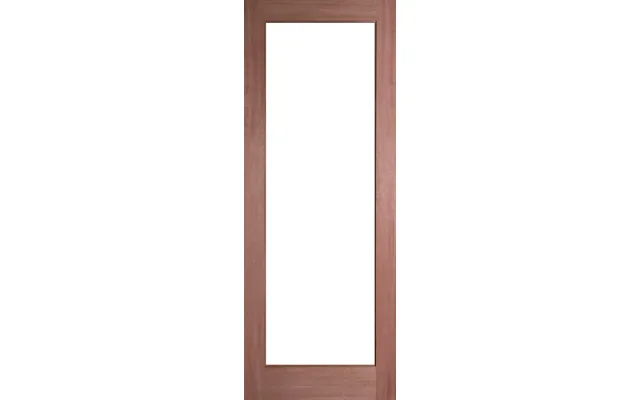
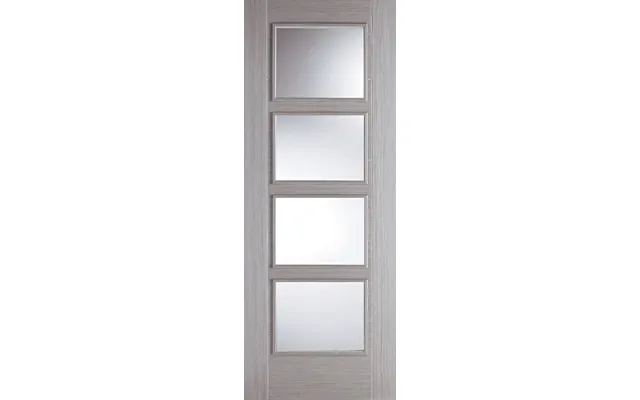
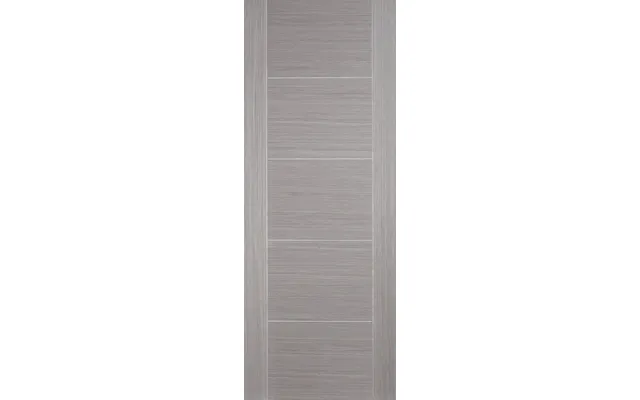
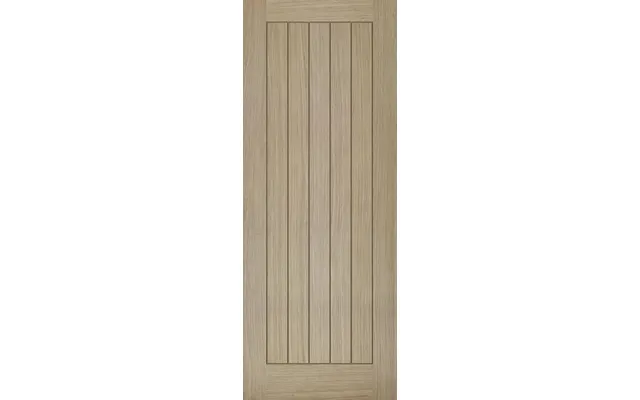
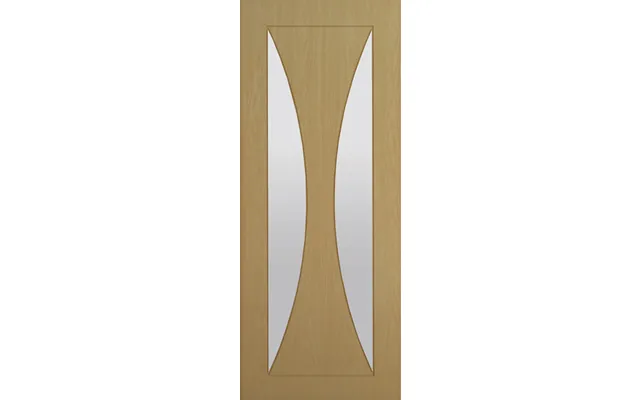
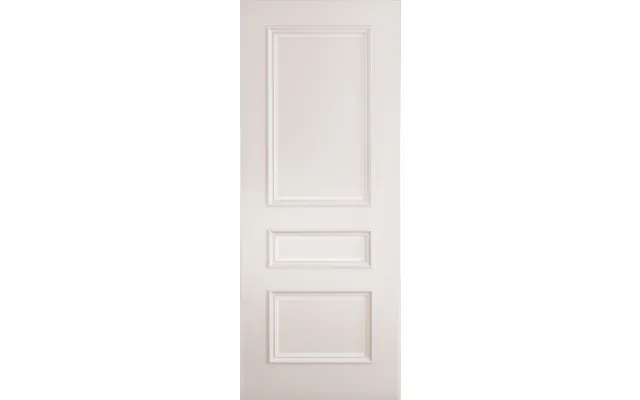
Doors come in many shapes and materials, each suited to different tastes and needs. Below are the most common categories homeowners consider when shopping for a new door.
Composite doors are top sellers because they blend the look of timber with the low maintenance of modern materials. Built from a mix of a sturdy core, insulating foam, and an outer skin designed to resist warping, these doors typically measure about 1 3/4 inches thick and offer excellent thermal performance and security. If you want a door that looks premium without frequent painting, composite is a smart bet.
uPVC doors are famous for being budget-friendly and low-maintenance. They usually come in multiple panel and glazing options, and they resist rot and damp — a real advantage in wet climates. While uPVC isn’t as high-end as timber or composite, modern uPVC doors with reinforced cores and multi-point locking systems can still offer strong security and decent insulation.
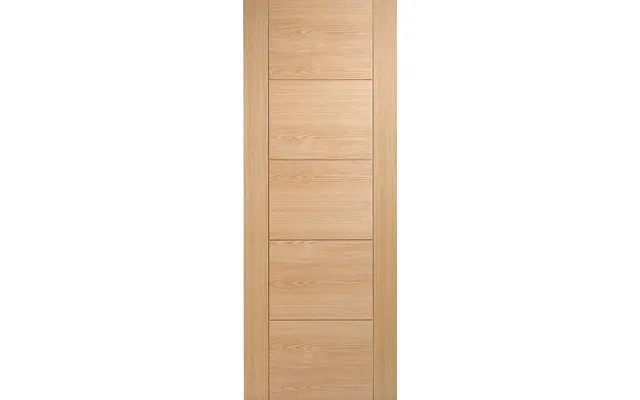
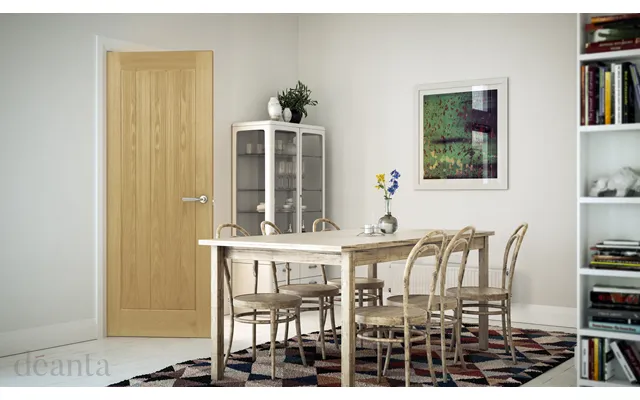
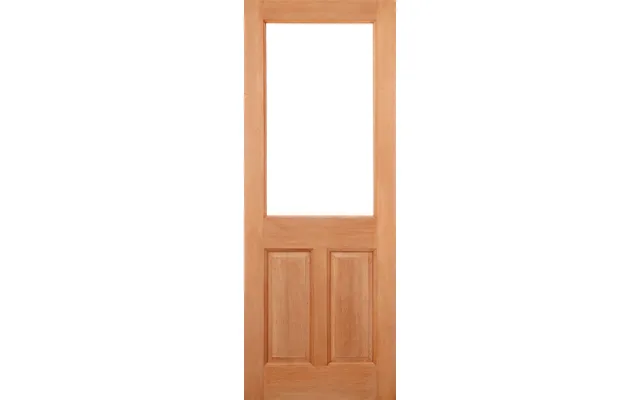
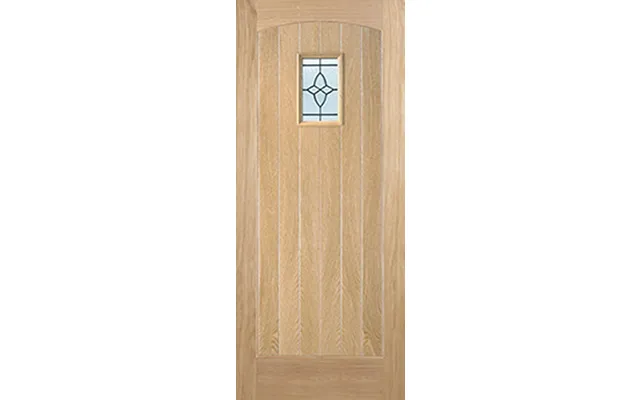
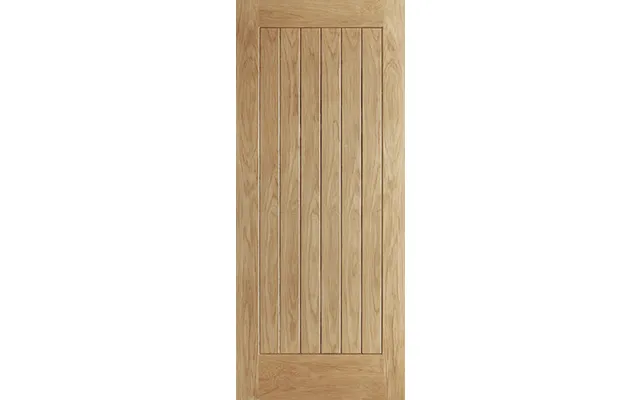
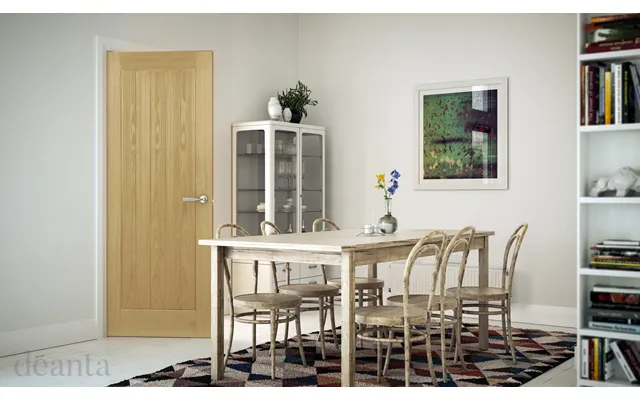
Timber doors bring warmth and natural character to a property. Solid oak or engineered wood doors can be finished in any stain or paint, making them ideal for period properties or anyone after a classic look. Keep in mind real wood often needs regular maintenance — sanding, staining, or painting — to stay looking great in a rainy climate. Most external timber doors are around 1 3/4 inches thick, while internal timber doors come slightly thinner.
If security is the top priority, steel doors or reinforced security doors are built to withstand force and tampering. These doors frequently include reinforced frames, heavy-duty hinges, and advanced locksets. They’re heavier than other options and often come with fire-rated variants, which is an added safety advantage for certain properties.
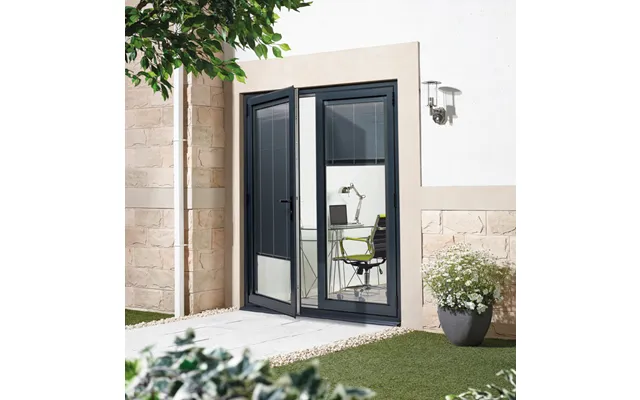
For a seamless indoor-outdoor connection, French doors and sliding patio doors are popular. French doors typically swing open and are available in timber, composite, or uPVC. Sliding doors save space and can provide expansive views when sized up to 6 feet or more in width. For energy efficiency, choose double- or triple-glazed units with insulated frames to keep drafts at bay.
Bi-fold doors have surged in popularity for open-plan living. They fold neatly to one side, delivering large clear openings — often 6 to 12 feet wide — that blur the line between kitchen and garden. Choose a thermally broken frame and high-quality seals to ensure you don’t lose heat when the British weather turns cooler.
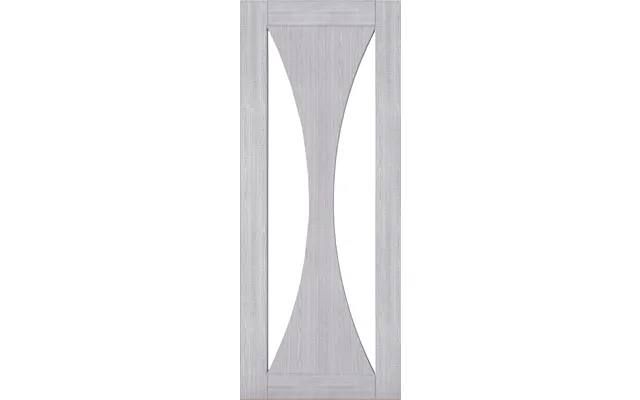
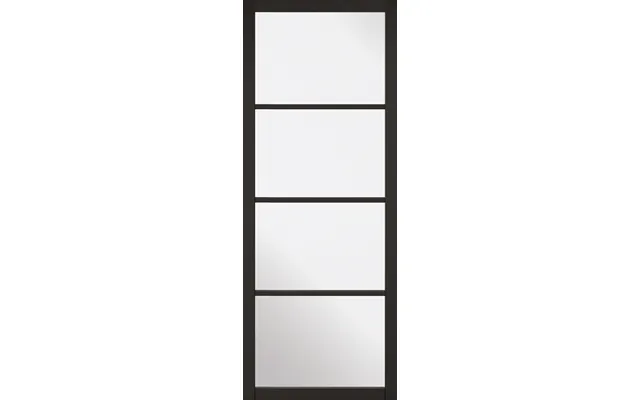
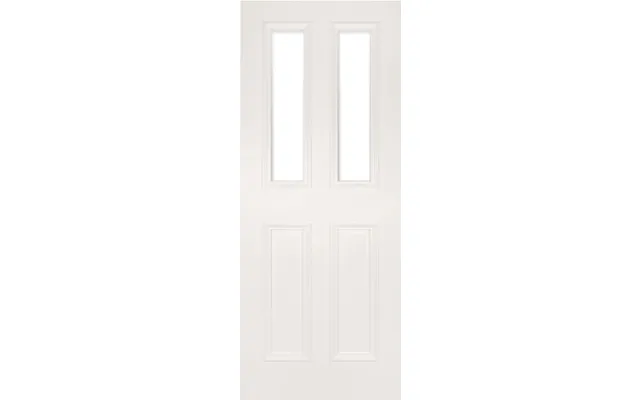
Internal doors affect flow and privacy inside a home. Options include panel doors, flush doors, glazed partitions, and pocket doors. Internal door thickness commonly ranges from 1 3/8 inches to 1 3/4 inches depending on style. Material choice influences acoustics, light flow, and room definition — so think about functionality as well as looks.
A door is only as good as the materials and craftsmanship behind it. Pay attention to core composition, skin material, insulation, and the frame system. Solid cores or insulated foam cores are better for energy retention. The outer skin should resist warping and UV damage; composite and modern coated finishes often excel here. Finally, a robust frame and correct threshold are essential — they’re the unsung heroes that keep a door working well for years.
Solid timber cores promise natural beauty but can expand and contract with humidity. Engineered cores reduce movement and provide stability, while foam-insulated cores deliver superior thermal performance. Composite skins or coated finishes protect against the elements and reduce maintenance needs, which is a real benefit in damp regions.
The threshold is a small part with a big job. Look for adjustable or low-profile thresholds that provide a weatherproof seal without creating a trip hazard. Multi-stage weather stripping around the jambs and bottom of the door is critical to prevent drafts and water ingress. A well-sealed door can make a dramatic difference to comfort and energy bills.
Security is never optional. Modern doors combine materials and hardware to keep you safe. Don’t skimp on locks, and consider reinforced frames and glazing options that resist forced entry. Think of security as layers: the door leaf, the locking system, the frame, and the glass should all work together to deter intruders.
Multi-point locks engage the door at several places along the frame rather than just at the handle. This spreads force and provides better resistance against kick-ins. Combine this with anti-snap cylinders and hardened strike plates for a robust defense.
Even the best lock is undermined by a weak frame. Reinforced steel or hardwood frames and heavy-duty hinges (with hinge bolts where possible) dramatically increase resistance to forced entry. Look for doors where the manufacturer supplies matching reinforced frames rather than retrofitting cheap frames later.
With energy prices on everyone’s mind, choosing a door that keeps heat in and cold out matters. Insulation and tight seals reduce drafts and heat loss. While windows often steal the spotlight for thermal upgrades, the right front or back door can shave degrees off indoor temperatures and lower heating bills throughout the year.
Double or triple glazing with sealed units is the norm for energy-efficient doors. Look for glazing that is around 1 inch thick for double-glazed units and thicker for triple glazing, to ensure better insulation. Insulated panels in composite or timber doors add an extra barrier against heat loss.
Thickness matters: external doors at around 1 3/4 inches give a good balance of strength and insulation, whereas internal doors are often thinner. The combination of thickness, core type, and seals determines how well a door performs against noise and temperature swings.
Your door is a design focal point. Colour, glazing, panel layout, and hardware turn a functional item into a style statement. Choose a color that complements brick, stone, or render, and consider sidelights or transom glazing for extra light without sacrificing privacy. Remember, trends come and go, but a classic door chosen with thought can look great for decades.
From bold reds and deep blues to muted greys and natural wood stains, color transforms a door’s personality. High-quality finishes resist fading and chalking, so look for doors with durable factory-applied coatings that are backed by long warranties.
Glazing adds light but can compromise privacy if not chosen carefully. Frosted or patterned glazing is a smart compromise, letting daylight in while preserving seclusion. Leaded or geometric glazing patterns can add period charm, while large unobstructed panels are ideal for contemporary homes.
Wrong measurements can derail the best design choices. Measure the existing door leaf and the frame opening — common standard sizes for external doors are 30 inches, 32 inches, and 36 inches in width, with heights typically around 80 inches. Also note whether the door is left- or right-handed, where the hinges are located, and whether you will need a prepped frame or full replacement.
Door handing (left or right opening) determines hinge placement and hardware orientation. It’s a small detail with big consequences, so check carefully before ordering. If your frame is old or warped, replacing the entire frame along with the door will usually yield a better long-term result than trying to patch and adjust.
While some homeowners can install an internal door as a DIY weekend project, external doors with multi-point locks, heavy frames, and glass should generally be fitted by professionals. Proper installation ensures security, weatherproofing, and a neat finish — and avoids costly callbacks for leaks or misalignment.
Small upgrades can have an outsized effect. High-quality handles, smart locks, letterplates, knockers, and hinges not only improve function but also elevate the look of your door. When upgrading, think about longevity and compatibility; a premium cylinder lock or a modern smart lock can be used for years and add real convenience.
Smart locks let you lock, unlock, and monitor access from a phone or key code. They’re great for busy households and provide features like temporary access codes for tradespeople. If you opt for smart tech, ensure the door and lock are compatible and that a backup physical key is available in case of power or connectivity failures.
Handles, knockers, hinges, and letterboxes are the jewelry of the door world. Choose finishes that complement your home’s aesthetic — brass for a traditional look, matte black for contemporary styles, or satin chrome for a modern neutral. Solid brass or stainless steel hardware resists corrosion and feels sturdier in daily use.
Prices vary widely depending on material, size, glazing, and hardware. Basic uPVC doors tend to be the most budget-friendly, composite doors sit in a middle bracket with strong value, while bespoke timber or premium steel security doors command higher prices. Use comparison tools and read reviews to weigh up features against cost; often a slightly higher initial spend saves money on maintenance and heating in the long run.
Don’t just compare sticker prices — factor in installation, expected lifespan, maintenance, and energy savings. A more expensive composite or insulated door might pay back its premium through lower heating bills and fewer upkeep tasks compared to cheaper alternatives.
Doors are low-maintenance if you give them a little care. Clean finishes with gentle detergents, lubricate locks and hinges with a dry lubricant about every 6 months, and check seals and thresholds for wear. Address peeling paint or minor rot early on timber doors to avoid bigger repairs. Routine checks are like giving your door a health MOT — small fixes today prevent large expenses tomorrow.
Before winter, inspect weatherstripping, thresholds, and glazing seals to prevent drafts and water ingress. After heavy storms, check for any debris-packed weep holes in frames and clean them out to maintain proper drainage.
Choosing a door is a balance of aesthetics, security, thermal performance, and budget. Take measurements carefully, prioritize reputable hardware, and match the door style to your home’s character. If security or insulation matters most, invest in a high-quality composite or steel option. If you value natural beauty and period authenticity, high-quality timber may be worth the extra upkeep. Above all, remember that a door is both a practical item and a design statement — choose one that makes you proud every time you come home.
Conclusion: A well-chosen door enhances comfort, saves energy, and raises a home’s style. Whether you’re updating a front door for kerb appeal, installing bi-folds to connect to the garden, or swapping internal doors to improve flow, measure carefully, prioritize security and insulation, and select finishes and hardware that last. With the right choices, your next door will welcome you home better than the one it replaces.