All categories
Business & Offices
Electronics & Media
Fashion & Accessories
Groceries & Essentials
Health & Personal Care
Home & Living
Kids & Family
Sports & Outdoors
Search in ZoneOffer
Loading...
Gutters are like the unsung heroes of your home’s exterior — they quietly channel rainwater away from your roof and foundation. But without the right accessories, gutters can clog, sag, or fail when you need them most. Think of gutter accessories as the support crew that keeps a sports star in top form: they don’t get the headlines, but they make the performance possible. Installing the right guards, brackets, outlets, and cleaning tools saves time, prevents water damage, and extends your gutter system’s life.
Gutter guards are the most popular accessory for reducing maintenance. They come in several styles — mesh screens, perforated covers, foam inserts, and reverse-curve systems — and each blocks leaves and big debris while letting water through. Mesh or micro-mesh guards are great if you have small seed pods or pine needles, while foam and brush inserts are cheap and easy to fit. Choosing the right guard is about matching your roof’s debris profile and rainfall intensity.
Gutter brushes are cylinder-shaped bundles of bristles that sit inside the gutter and trap larger debris on top while allowing water to flow beneath. They’re a low-cost, DIY-friendly option and work well in areas with light leaf fall. The drawback? They need occasional cleaning and can hold moisture, so they’re best used as a short-term or budget solution rather than a permanent fix.
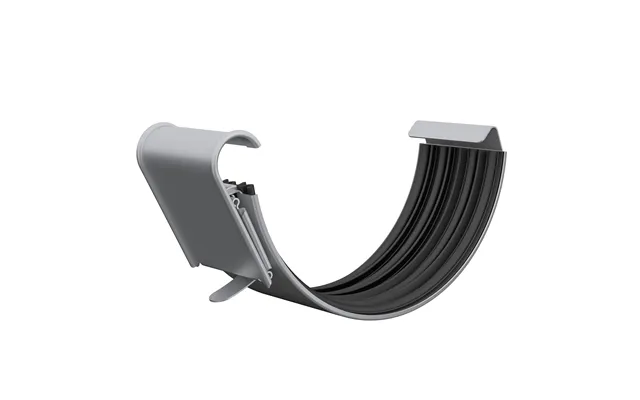
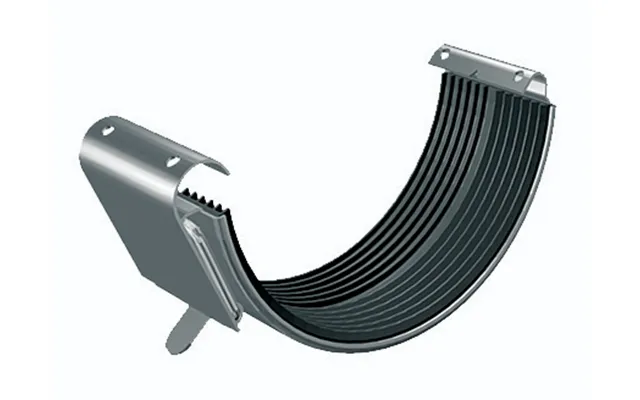
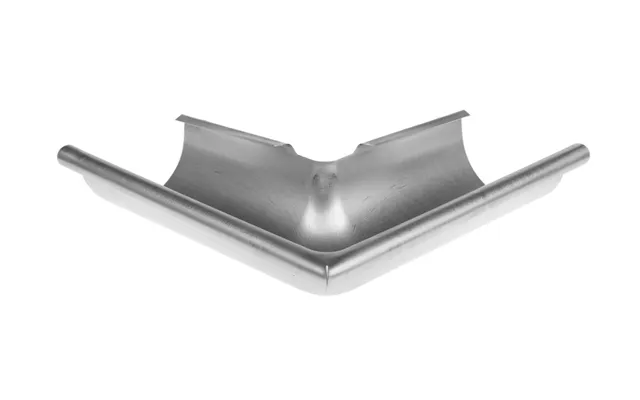
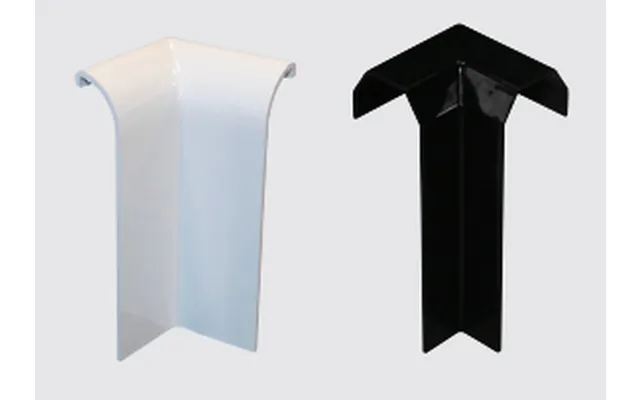
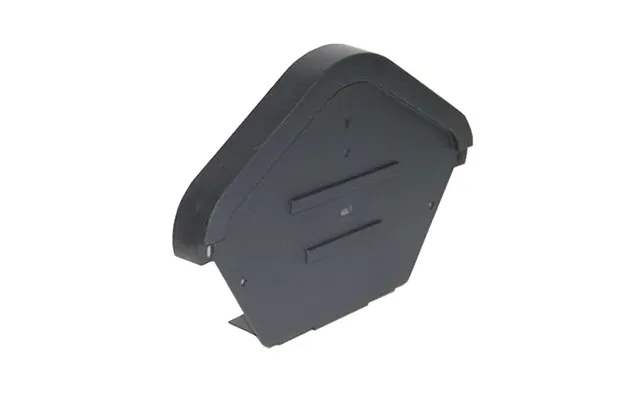
Small parts like end caps, outlets, and connectors are often overlooked, yet they’re essential for ensuring a watertight system. End caps seal the open ends of gutters, preventing leaks. Outlets connect the gutter to the downpipe, and quality connectors prevent separation and sagging. When replacing these pieces, choose materials that match your gutter to avoid galvanic corrosion — for instance, aluminum accessories for aluminum gutters.
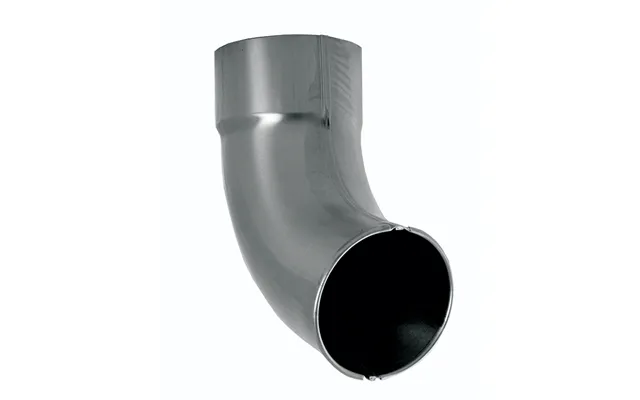
Downpipe leaf strainers sit at the top of the downpipe and trap debris before it can clog the vertical run. There are also downpipe diverters and rainwater harvesting connectors that route water into a barrel or divert it away from high-traffic areas. These accessories are simple but powerful: a well-placed strainer can save you from a major blockage and a flooded basement.
Brackets and hangers are the backbone of your gutter system. Over time, plastic hangers can crack and metal brackets can bend under heavy water or debris loads. Upgrading to corrosion-resistant brackets, or switching to hidden hanger systems, strengthens your gutters and improves appearance. Proper spacing — typically every 2 feet for residential gutters — keeps the profile straight and resists sagging under load.
Seams and joints are common leak points. Silicone sealant and specialized gutter adhesives create flexible, watertight seals that can handle expansion and contraction in hot and cold weather. When applying sealant, clean the area first, remove old caulk, and follow the manufacturer’s cure times. A few well-placed beads of sealant can stop leaks for years.
If you live where ice dams form, heating cables are a game-changer. These cables attach to the gutter and downpipe, melting ice and preventing backups that can damage shingles and fascia. They’re an investment, but in climates with frequent freezes they reduce the risk of costly roof repairs and emergency callouts.
Even with guards, you’ll need tools. Gutter scoops, telescoping cleaning poles, and leaf blowers with gutter attachments make the job faster and safer. Look for tools with comfortable grips and rust-resistant finishes. A long-reach pole lets you clean from the ground, reducing ladder use and improving safety.
Material choice affects durability and price. uPVC (plastic) accessories resist rust and are inexpensive, but UV exposure can make them brittle over time. Aluminum is lightweight, corrosion-resistant, and common for guards and brackets. Stainless steel and copper are premium options: stainless steel won’t rust and micro-mesh screens made from it are very durable, while copper offers longevity plus an attractive patina. Match materials to your gutter to avoid dissimilar-metal corrosion, and consider coastal exposure where salt air accelerates wear.
Gutters typically come in common sizes such as 5 inches and 6 inches. When buying guards, brushes, or brackets, always measure the width and depth of your gutter in inches. A mismatched product will either sit loosely and let debris in or be too bulky to fit under the roof overhang. Downpipe diameters also matter — many systems use 2 to 3-inch downpipes — so pick strainers and diverters that match your pipe size. Pro tip: bring a tape measure to the store or take photos with close-ups of the gutter profile to check compatibility online.
Simple accessories like brushes, foam inserts, and screen guards are often DIY-friendly. For most homeowners, installation involves cleaning the gutter, sliding or clipping the guard into place, and fastening with screws or clips. However, larger systems, hidden hangers, or installations that require ladder work on a steep roof are safer when done by professionals. Think of it this way: you can paint a fence yourself, but you might hire a roofer to replace a load-bearing beam. If you’re unsure about working at height or your roof pitch exceeds 7 in 12, hire a pro.
Gutter accessories cut down maintenance, they don’t eliminate it. Inspect your system twice a year — spring and autumn are ideal — and after major storms. Clear out trapped debris, check for standing water, and look for rust or loose brackets. In autumn, leaf-heavy trees can overwhelm some guards, so plan an extra check. For homes in freezing climates, ensure heating cables are tested before the first frost. Regular small fixes prevent the kind of damage that leads to large bills down the road.
Prices vary widely by material and coverage. Simple foam inserts or plastic brushes can cost as little as $2 to $10 per linear foot, while aluminum or plastic mesh guards typically run from $5 to $15 per linear foot. Premium stainless steel micro-mesh systems and professional installation can push the cost to $20 to $40 per linear foot or more. Gutter brackets and connectors are inexpensive individually, but if you’re replacing dozens they add up. Consider lifespan and maintenance savings when weighing cost: a higher upfront price often pays off in fewer cleanings and longer service.
On a tight budget, foam inserts or simple brush systems can be a quick win. They’re cheap, easy to fit, and reduce large debris build-up. Mid-range buyers often prefer snap-in aluminum screens or perforated covers that balance cost and performance. If you want near-zero maintenance and the best protection against tiny debris and pine needles, invest in a stainless steel micro-mesh system installed by a pro. For homeowners in snowy areas, add heating cables to the top of your priority list.
Ask yourself some plain questions: Do you have many trees? Are you in a coastal or snowy area? What’s your tolerance for ladder work? If you’ve got lots of leaves and pine needles, micro-mesh or full-coverage guards are worth it. If your problem is bird nests or large debris, wire mesh or perforated covers may be sufficient. For salt-heavy coastal air, avoid plain steel and choose aluminum or stainless options. Your choice should be a balance of protection, appearance, and how much time you want to spend on maintenance.
Beyond guards and brackets, a few extras make maintenance safer and easier. A sturdy ladder stand-off keeps the ladder off the gutter lip, protecting it during work. A gutter scoop and a long-handled cleaning pole let you remove debris from the ground. Consider a rain barrel and a diverter if you want to capture water for gardening — an eco-friendly accessory that turns runoff into a resource. And if you live in a place with ice, pair heating cables with a reliable thermostat and timer for efficient operation.
Don’t assume one-size-fits-all. Mismatched guards are the most common mistake and lead to ineffective protection. Avoid buying the cheapest option without checking durability — cheap plastic can warp and let debris in. Don’t forget to inspect brackets and sealant too; failing to address small leaks invites bigger problems later. Lastly, never skip safety: always stabilize your ladder, avoid working alone at height, and consider hiring a pro for steep roofs.
Many gutter accessories support sustainable practices. Leaf strainers and first-flush diverters protect rainwater quality for harvesting, while rain barrels and tanks let you store water for irrigation. Using corrosion-resistant materials reduces the need for replacements, and choosing long-lasting micro-mesh guards cuts waste over time. If you’re building a greener home, combine guards that minimize debris with a rain diverter to keep your water supply clean.
Before clicking “buy” or heading to the store, run through a checklist: measure gutter width and downpipe diameter in inches, note the type of debris you get (leaves, needles, shingle grit), identify your roof pitch and height, decide whether you’ll install yourself or hire a pro, and set a budget that considers long-term value. With this info, you’ll pick accessories that fit, work well, and save you headaches.
Gutter accessories are small investments that deliver big peace of mind. From guards and brushes to brackets and heating cables, the right mix depends on your roof, trees, climate, and willingness to climb a ladder. Prioritize compatibility, material quality, and safety during installation. Do a bit of homework — measure in inches, match materials, and pick the guard style that suits your debris type — and your gutters will reward you with years of reliable performance and fewer rainy-day surprises.
| Gutter Accessories | Price | |
|---|---|---|
| Magic Gutter Unclog Bags - Set Of 4 | £ 5,- |