All categories
Business & Offices
Electronics & Media
Fashion & Accessories
Groceries & Essentials
Health & Personal Care
Home & Living
Kids & Family
Sports & Outdoors
Search in ZoneOffer

Loading...
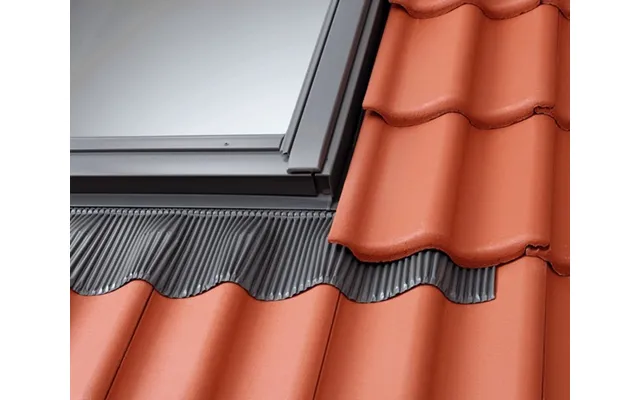
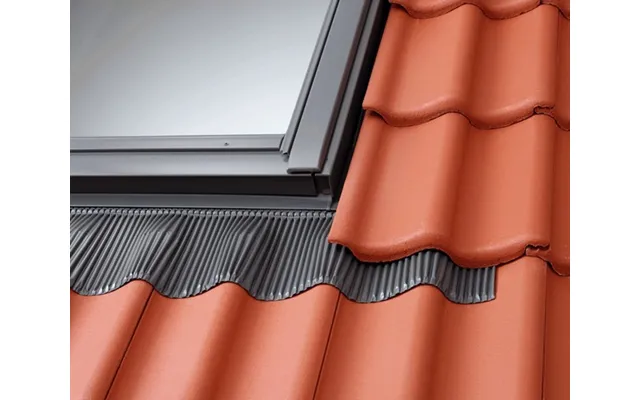
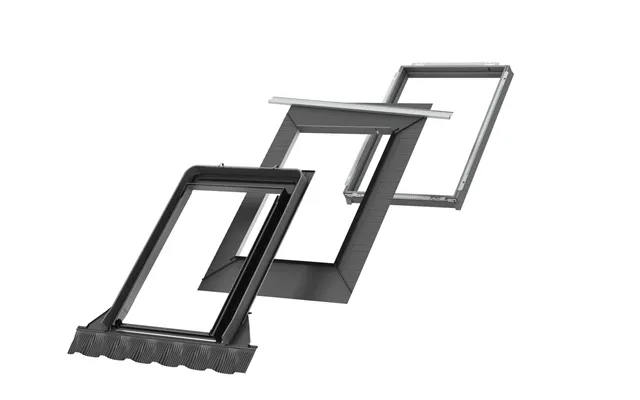
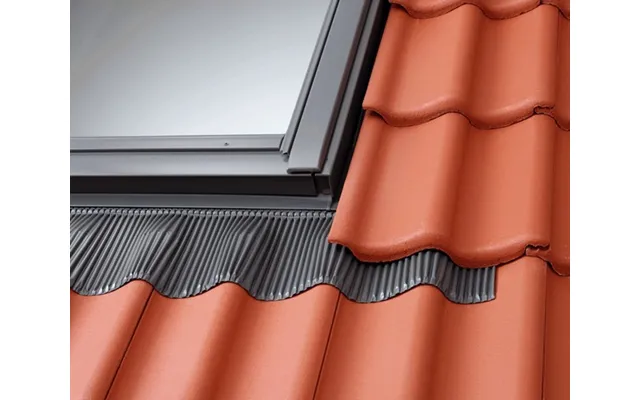
Think of roof flashings as the unsung weatherproofing heroes of your home. They’re the thin strips, collars and pre-formed pieces that direct water away from vulnerable roof junctions — places like chimneys, skylights, valleys and roof-to-wall connections. Without proper flashing, even a small joint can let rain sneak into the structure and cause rot, stains and costly repairs. If you want a roof that behaves like a tight umbrella, good flashing is non-negotiable.
Flashings redirect water, stop capillary action and protect roof edges. They work with shingles and underlayment to create a layered defense system, so when rain hits, it slides off without finding gaps. For homeowners, that means fewer leaks, longer roof life and less stress — like putting a gasket around the parts of your roof that are most likely to leak.
Depending on the roof design, you’ll encounter several flashing types. Each is shaped for a particular challenge, and knowing which one you need is half the battle when shopping or doing repairs.
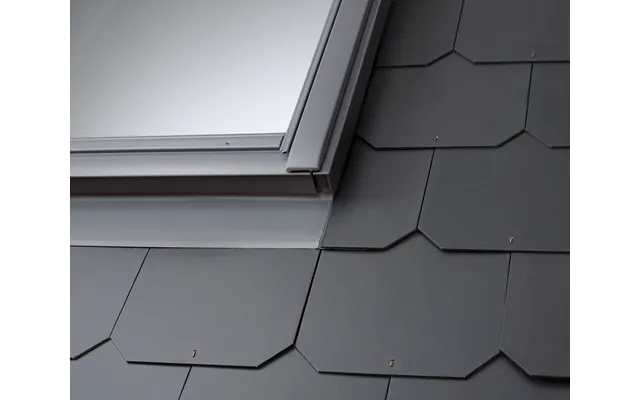
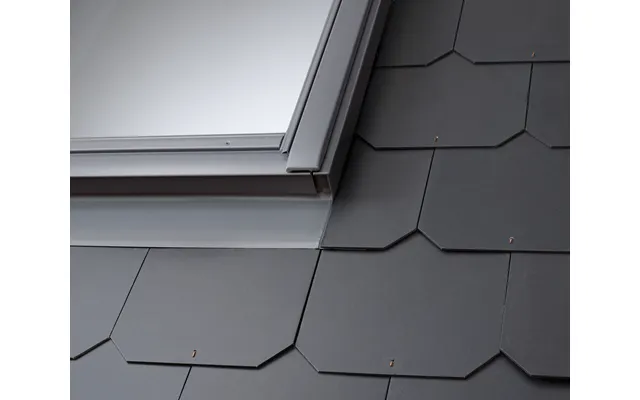
Step flashing is used where a roof plane meets a vertical wall. It’s made up of L-shaped strips that are alternated with shingles, guiding water down and off the roof. It’s low-profile but critical — a small mistake here leads to leaks behind the siding.
Chimney flashing usually combines an apron at the front and counter flashing on the chimney face. The apron channels water away, while the counter flashing covers and protects the apron seams. When both are fitted correctly, chimney leak risks drop dramatically.
A roof valley is a water funnel, so valley flashing is heavier and often wider. It sits under the shingles in an open or closed configuration to ensure big water flows don’t cut under the roofing material.
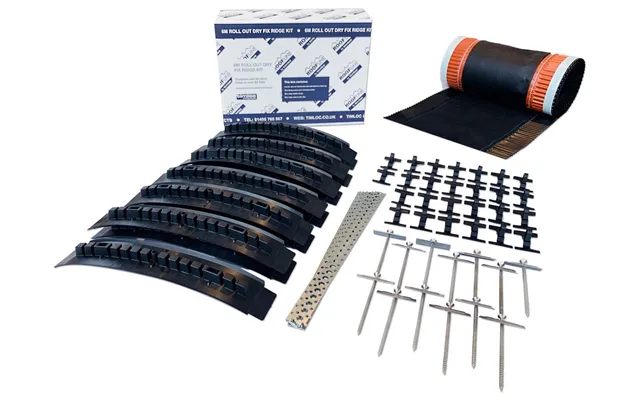
These are the pieces that cap the top lines of a roof. Ridge and hip flashings prevent wind-driven rain from sneaking in at the highest points and often work with ventilated ridge systems.
Drip edges attach to eaves and rakes to guide water into the gutters and keep it from wicking under the fascia or decking. Simple, inexpensive, and surprisingly important.
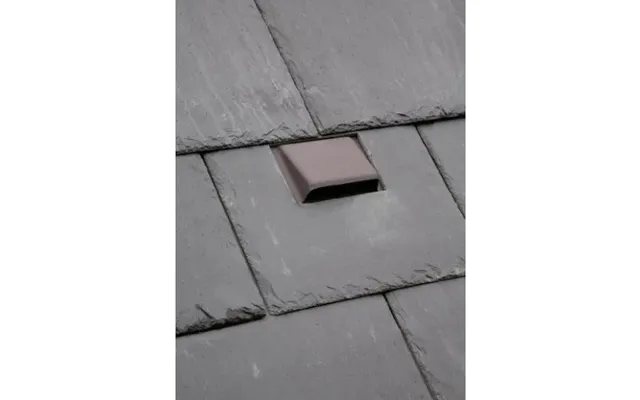
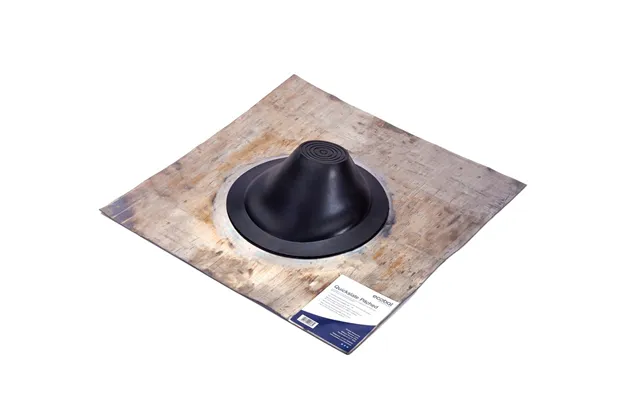
Pre-molded collars and boots fit around pipes and vents. They’re flexible to match pipe diameters and often made of rubber or EPDM with metal bases to secure them to the roof plane.
Flashing material affects durability, appearance and cost. Consider the local climate, roof pitch and how long you want the flashing to last when choosing between metals and membranes.
Lead has been a go-to for centuries because it’s soft, malleable and long-lasting. It can be dressed around chimneys and complex junctions. Roll lead commonly comes in long lengths, making it ideal for custom jobs. Just remember lead is heavy and expensive, and its soft nature makes it easy to shape — which is why pros still love it.
Aluminum is lightweight, corrosion-resistant and cheaper than lead. It’s commonly sold in strips or coils and is a popular choice for eaves, valleys and drip edges. In coastal areas, however, you should evaluate compatibility with other metals to avoid galvanic corrosion.
Galvanized steel offers strength and lower cost. Finished galvanizing extends its life, but it can eventually rust where the coating is scratched. It’s a practical middle-ground for many residential applications.
Copper ages beautifully and can last for decades without failing. It’s pricey, but for heritage properties or architectural roofs, copper is a top-tier choice that develops an attractive patina over time.
Rubberized membranes and flashing tapes are flexible, quick to apply and great for detailing around penetrations. Flashing tapes are often used together with metal flashing to seal joints, and EPDM boots offer a watertight collar around pipes. They’re especially useful for DIYers and quick repairs.
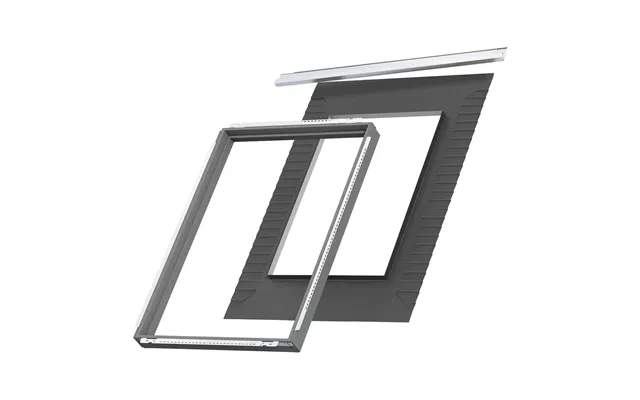
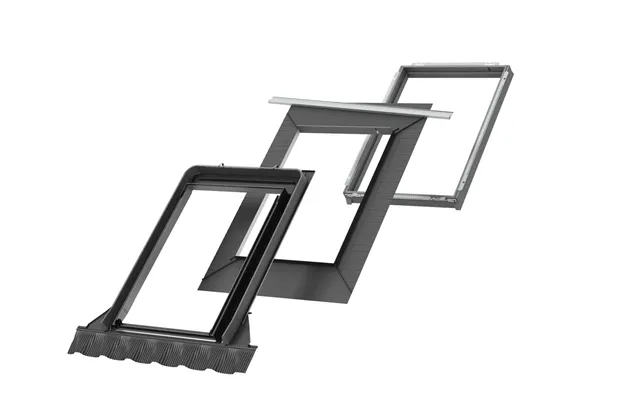
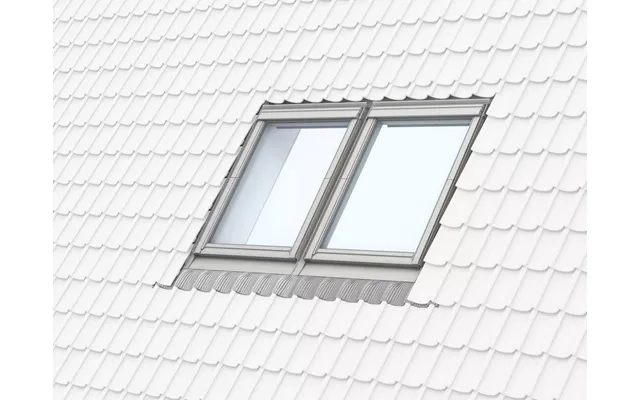
Picking the correct size and style saves time and prevents mistakes. Measure carefully and consider the roof’s slope, the width of valleys and how much overlap you’ll need.
Measure lengths in feet and quarters of feet: for example, buy step flashing strips in 1 ft to 3 ft lengths or buy coils in 16 ft to 33 ft depending on the run. Valley and ridge pieces are often sold in 8 ft sections. When working around chimneys, measure the height above roofline in feet and the width of the chimney in inches to estimate the amount of apron and counter flashing needed.
Thickness is often given in inches or gauge. For a quick guide, light-duty flashings might be about 0.02 inch thick, while heavy-duty pieces could be 0.04 inch or more. Heavier flashing performs better in high-wind or foot-traffic areas but costs more and is harder to form by hand.
Installing flashing well is as much about sequencing as it is about materials. A careful, methodical approach cuts down leaks later. If you’re not comfortable on a roof, get a professional — mistakes are expensive.
A standard toolkit for flashing includes a tape measure (in inches), tin snips, a hammer, stainless or copper roofing nails (1 to 1-1/4 inches long), a pry bar, caulk gun for sealant cartridges (about 10 fl. oz. tubes), a utility knife, and safety gear. If you’re installing flashing tape, a roller for smoothing is helpful.
Preparation is key. Remove old damaged flashing, inspect soffits and decking, and lay a good underlayment. Start with valley and eave flashings, then work up to step and counter flashings. Overlap pieces at least 2 inches where joints occur, and always fasten into sheathing where possible rather than into shingles. Finish with a high-quality sealant on vulnerable seams — but avoid relying solely on sealant as the primary weatherproofing method.
Flashings can last decades but won’t last forever. Regular inspections after heavy weather and seasonal checks prevent small problems from becoming major repairs.
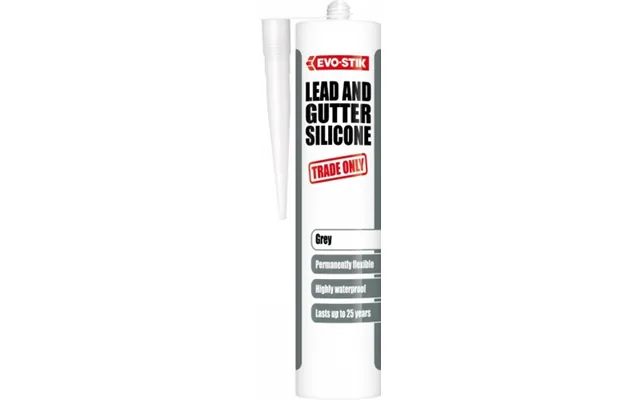
Look for cracked sealant, pulled nails, lifted edges, corrosion or splits in rubber boots. Small seal failures can be resealed with roof-grade silicone or polyurethane sealant. Corroded metal flashing should be removed and replaced; for isolated damage, you can patch with compatible metal and flashing tape. If flashing is loose, refasten with stainless nails and add sealant to keep water out.
How much should you budget? Prices vary by material and size, but getting a sense of ranges helps you negotiate and compare offers from suppliers.
Expect to pay per item or per length: pre-formed flashing pieces like pipe boots may cost a few dollars each, while 8 ft pre-formed metal sections often range from inexpensive to moderate depending on material. Rolls or coils for large jobs can cost more up front: aluminum coils and lead rolls are priced higher than galvanized steel. Sealants (around 10 fl. oz.) are commonly a few dollars to a couple of dozen dollars per tube depending on performance. Always compare per-foot prices and factor in waste and overlap when estimating quantities.
Compare materials side-by-side for durability and warranty rather than finding the cheapest item. Look at the thickness, finish and whether the flashing includes pre-punched nail holes. If you’re buying from online comparison tools, check product photos, spec sheets and user reviews to verify suitability for your roof pitch and local climate.
Flashing rarely works alone. A few extras make installations last longer and perform better.
Choose a high-quality roofing sealant rated for outdoor roof use, typically available in 10 fl. oz. cartridges. Flashing tape (1.5 to 4 inches wide) provides an extra barrier and is ideal for sealing laps. Use stainless or copper roofing nails of 1 to 1-1/4 inches so they bite into the sheathing and resist corrosion.
A robust underlayment extends roof life and reduces the load on flashings. Consider adding a drip edge and gutter apron to control water flow, and evaluate breathable membranes if your roof has low ventilation.
Local building codes may have specific requirements for flashing materials, particularly for heritage buildings or conservation areas. Also think about environmental factors — salt air, acid rain and freeze-thaw cycles all influence how long a material will last.
Some metals, like lead and copper, are recyclable. If you’re removing old lead flashing, handle it carefully and check local disposal rules because lead is a hazardous material in some jurisdictions. Many scrap yards accept copper and aluminum, which can offset the cost of replacement.
If your flashing sits in a complex junction, around a large chimney stack, or the roof has multiple intersecting planes, professional installation is usually worth the cost. Pros will ensure watertight laps, proper anchoring and code compliance — and save you from getting on a ladder in risky conditions.
For small repairs—like replacing a pipe boot or re-sealing a joint—you can often handle the job with basic tools. For full replacements, integrating new flashing with underlayment, or when working at steep pitches, a roofer will provide a better long-term outcome.
Before you buy, confirm the following: the flashing type matches the junction, the material suits the climate, you have enough overlap and waste allowance (usually 10–15 percent extra), you’ve chosen compatible fasteners and sealants, and you understand any local code requirements. A quick checklist saves trips back to the store — or long waits for materials if you’re ordering online.
Choosing the right roof flashings and fitting them properly is a classic small-investment, big-reward home improvement. The right material and a careful installation keep water out, preserve interior finishes and protect the structure for years. Whether you’re shopping for pre-formed pieces, rolls, or flashing tape, think durability, compatibility and ease of installation — and don’t skimp on the accessories that seal the deal.
Now that you’ve got the facts, measure your roof, compare materials and offers, and make a plan. With the right flashing, your roof will shrug off rain like a well-made coat.
| Roof Flashings | Price | |
|---|---|---|
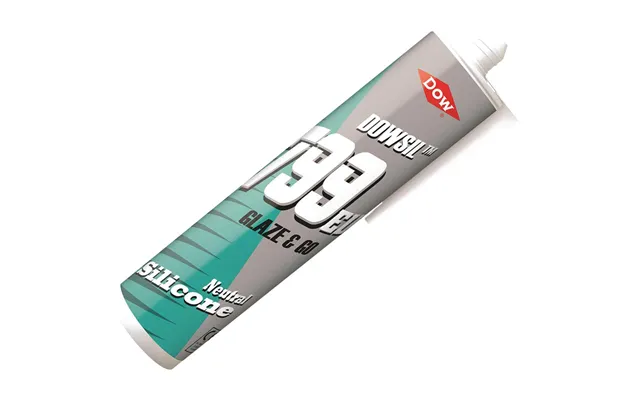
| Dowsil 4068751c05 310ml Clear Silicone Sealant | £ 9,45 | |
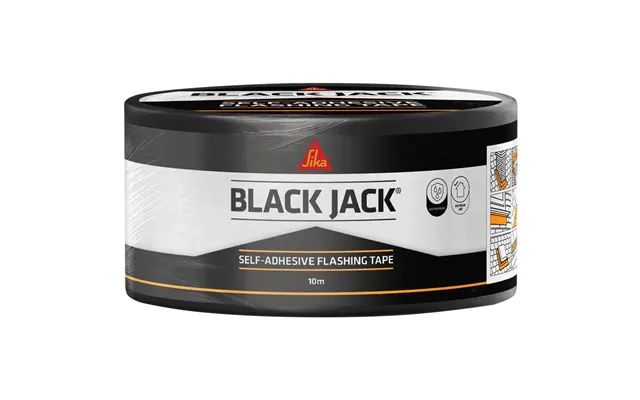
| Tuffite T0400005 Self Adhesive Flashing Tape 10m × 300mm | £ 18,41 | |
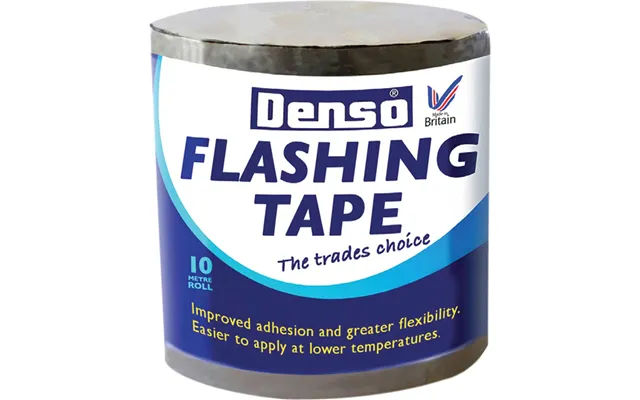
| Denso 8640044 Flashing Tape Grey 225mm X 10m | £ 28,20 | |
| Everbuild Sika Everbuild 486986 Bitumen & Flashing Primer 5 Litre | £ 40,75 | |
| Everbuild Sika 482962 Trade Flashing Tape 300mm X 10m | £ 58,92 |