All categories
Business & Offices
Electronics & Media
Fashion & Accessories
Groceries & Essentials
Health & Personal Care
Home & Living
Kids & Family
Sports & Outdoors
Search in ZoneOffer

Loading...
When people think about roofing they often picture tiles or shingles, but the "other" roofing supplies — the underlays, flashings, vents, fixings and sealants — are what actually make a roof weatherproof and long‑lasting. Think of them as the unseen stitches in a jacket: the outer fabric looks good, but without quality seams and zippers you’ll get cold and damp. Whether you’re tackling a repair, reroofing a pitched roof, or upgrading a flat roof, paying attention to these accessories can save you money and extend the life of your roof by years.
This article helps you compare the most useful roofing accessories and supplies available across retailers and comparison sites. You’ll get practical buying tips, measurement guidance in imperial units, installation basics, typical price ranges, and maintenance advice. If you prefer to skip the details, use the product headings to jump to what you need — from breathable membranes to ridge caps and specialist sealants.
Below are the staple categories most homeowners and tradespeople compare when shopping for roofing supplies. These aren’t decorative choices — they determine how your roof handles wind, rain, and temperature changes. Treat this as a checklist when you review online offers.
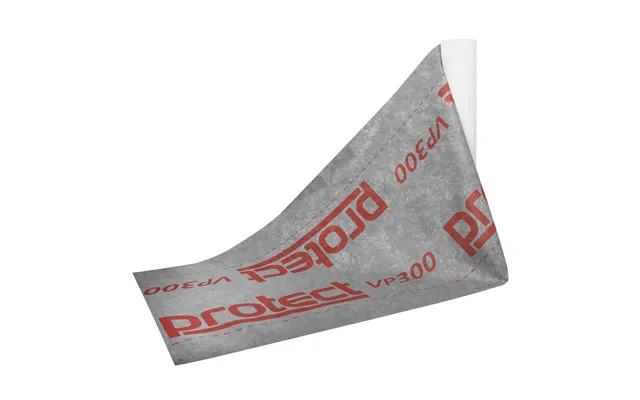
Underlay sits between the roof deck and your tiles or slates. Traditional bitumen felt comes in rolls and gives a good short‑term weather barrier, while breathable synthetic membranes let moisture escape from the loft and prevent condensation. For a typical pitched roof of 30 ft by 20 ft (600 sq ft), you’ll buy roughly 6 rolls of felt or enough membrane to cover about 6 squares (a roofing square equals 100 sq ft). Breathable membranes are often pricier per roll but deliver better long‑term performance in colder, poorly ventilated roofs.
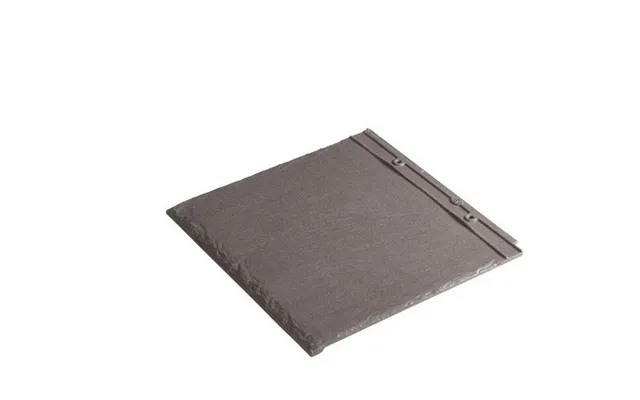
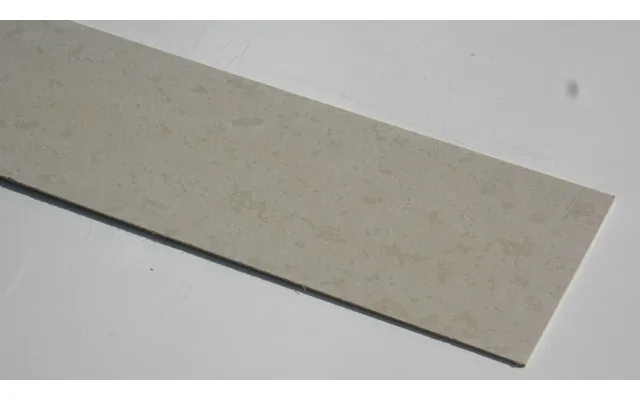
Flashings — at chimneys, valleys and roof-to-wall junctions — prevent leaks where two surfaces meet. Lead flashings are traditional, but lead‑free alternatives made from aluminium or coated steel offer easier handling and environmental benefits. Gutter brackets, outlet adaptors and hopper heads also fall into this category; choose brackets rated for heavy loads, especially if you live where ice and snow can build up on a roof.
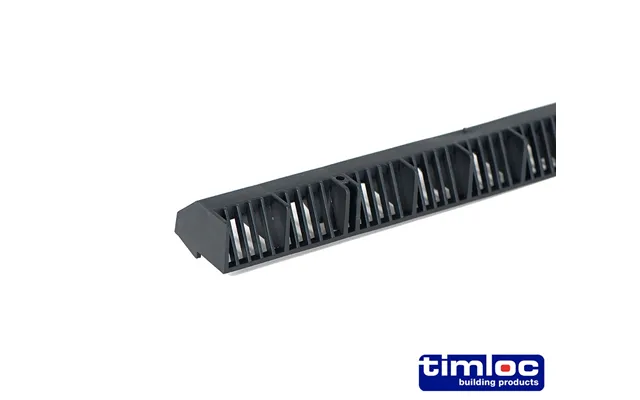
Proper ventilation reduces condensation and helps keep your loft cooler in summer. Ridge vents, eaves vents, and roof tile vents are typical solutions. For an attic space of 1,000 cubic feet, aim for at least a couple of square feet of total vent area split between inlet and outlet vents. Passive systems work well for most homes, but mechanical extraction might be needed for en suites or kitchens without external walls.
Ridge caps and hip systems seal the roof’s highest points. Modern interlocking ridge tiles and breathable ridge rolls allow ventilation along the ridge while protecting against rain ingress. If your roof has hips or a complex geometry, buy a hip system designed for your tile profile to ensure a neat fit and long‑term security against wind uplift.
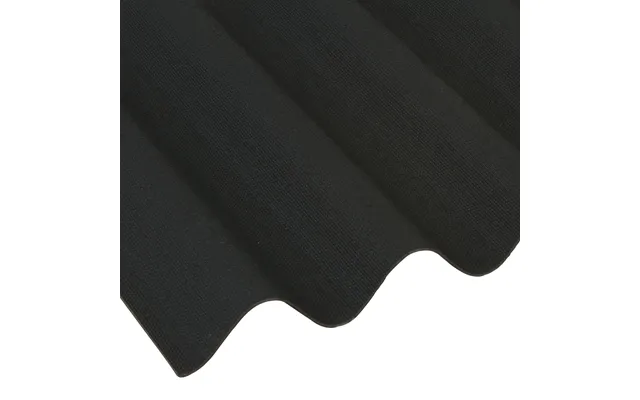
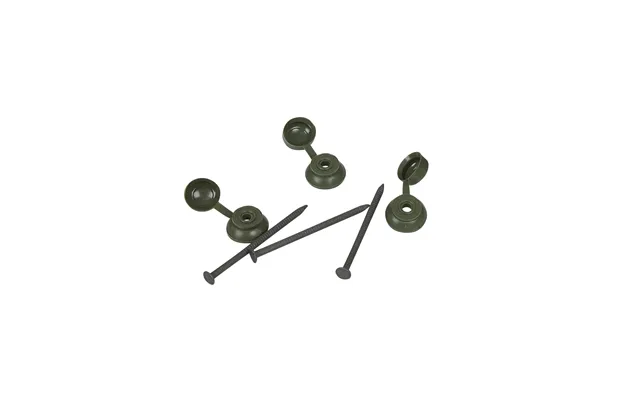
Using the wrong fixings is a common mistake that leads to loose tiles and leaks. Galvanised nails are fine for many roofs, but for coastal locations choose stainless steel nails and screws to resist salt corrosion. If you’re fitting metal roofing sheets, use neoprene‑sealed hex screws to prevent water ingress. Always follow manufacturer guidance: some clay tiles require clips rather than nails to avoid cracking.
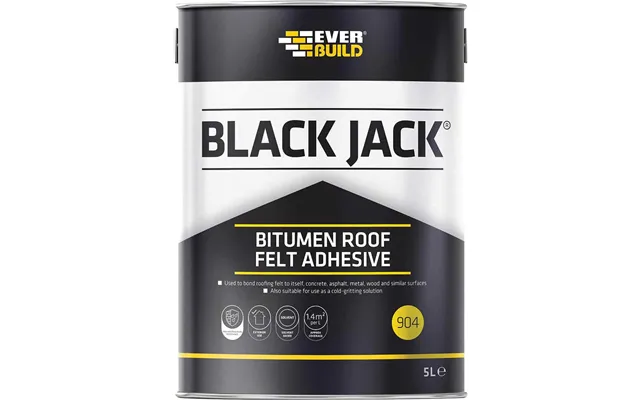
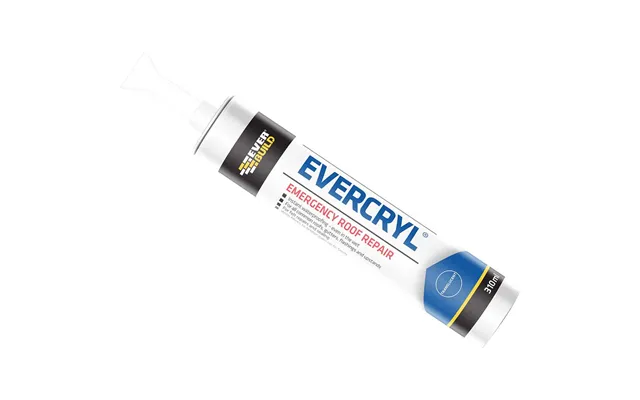
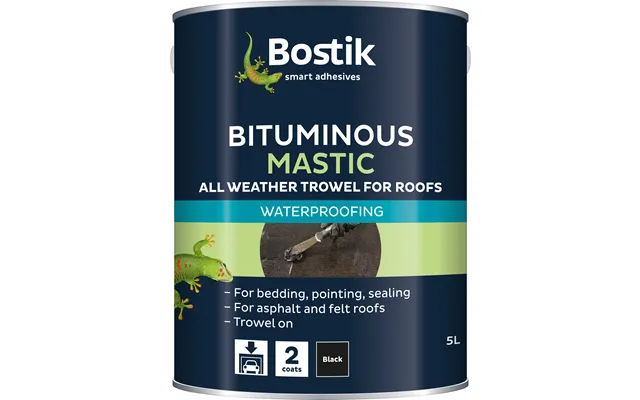
High‑quality roofing sealants are essential around flashings, vents, and skylights. Polyurethane and silicone sealants are popular; polyurethane gives stronger adhesion to porous surfaces, while silicone stays flexible and resists UV. For slate or tile repairs, use a specialist roofing adhesive that withstands freeze/thaw cycles without shrinking or cracking. A typical tube covers several feet of flashing; buy extra for cold weather where more sealant may be needed per joint.
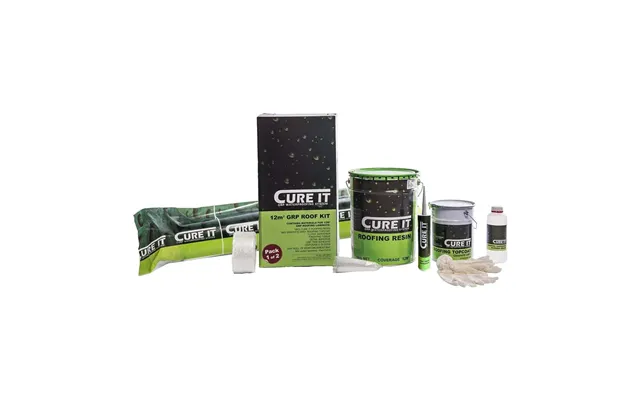
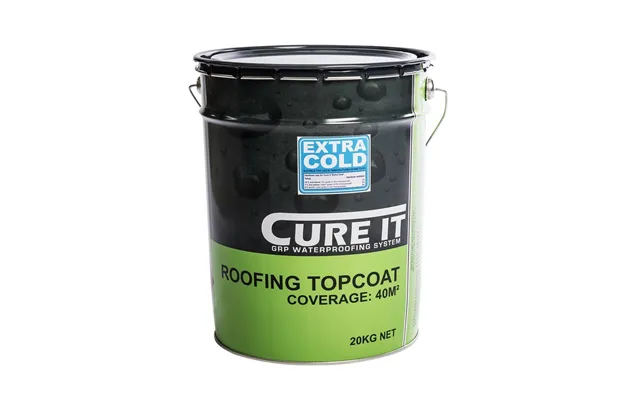
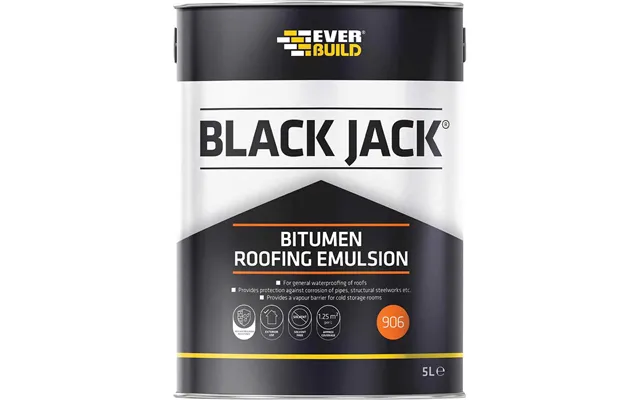
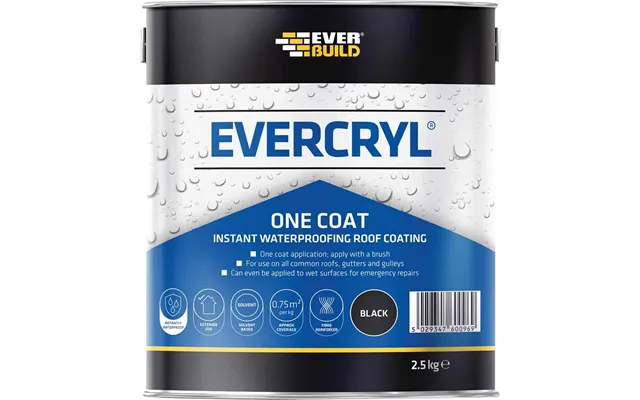
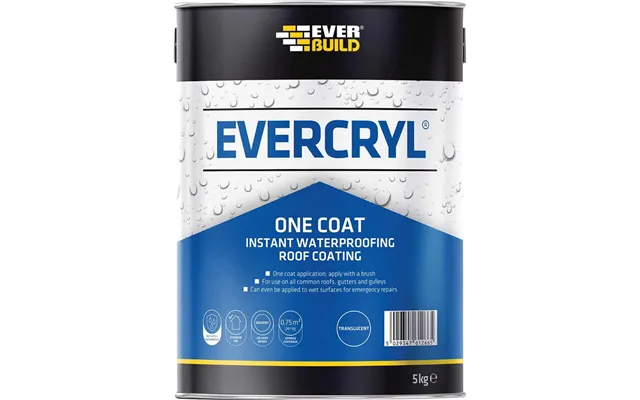
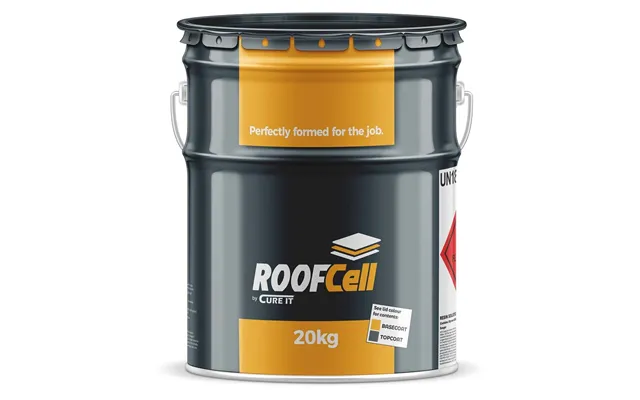
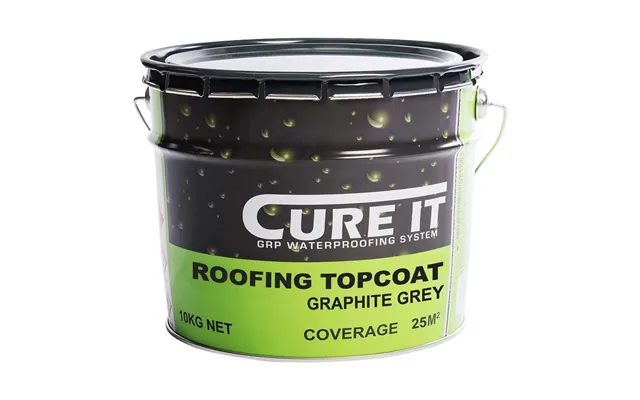
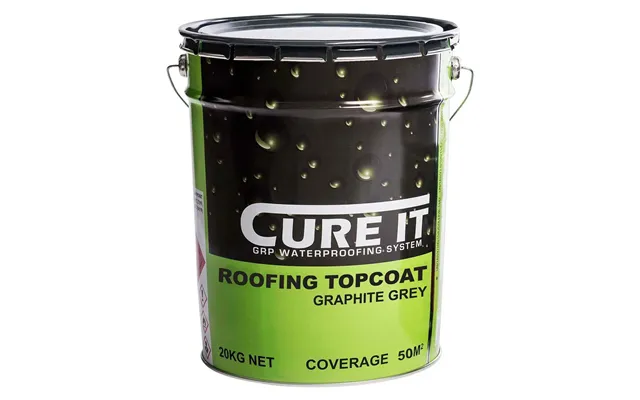
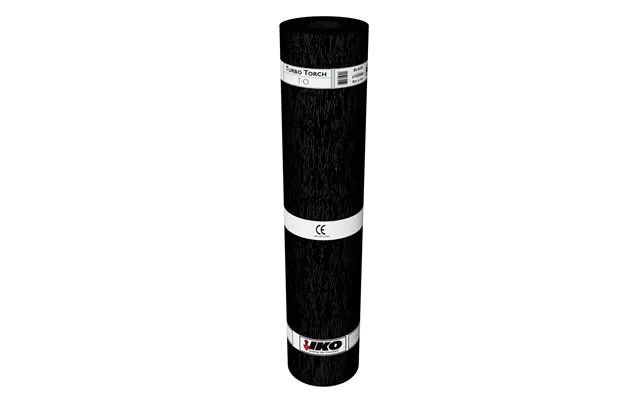
Flat roofs demand a different approach. EPDM rubber sheets, torch-on bitumen membranes, and liquid‑applied membranes each have pros and cons. EPDM is lightweight and easy to repair, torch-on gives a tough, long life if installed correctly, and liquid roofing is great for complex shapes and quick patch repairs. For a garage roof of 10 ft by 12 ft (120 sq ft), EPDM kits are often the simplest DIY option, while larger flat roofs usually benefit from professional installation.
Installing a roof window or skylight adds light but creates new points of potential leakage. Always buy a flashing kit specific to the brand and the pitch of your roof. Most skylight kits specify the minimum and maximum roof pitch in degrees and list the rough opening size in inches. Proper flashing and a quality curb will save you from future headaches and roof repairs.
Accurate measurements stop wasted materials and return trips. Start with the plan view: measure roof length and width in feet, multiply for square footage, and add 10–15% for overlaps and waste. For example, a simple gable roof 30 ft long and 20 ft wide gives a plane area of 600 sq ft; with waste add 660–690 sq ft. Roofing materials are often sold by the square (100 sq ft), so in this example you’d order about 7 squares. For pitched roofs, measure rafter length using rise and run in inches to account for slope; a table saw and a tape measure are your best friends here.
Prices vary with quality and region, but here are ballpark figures to plan your budget. Synthetic breathable membranes can cost from £30–£80 per roll depending on width, flashings and trims may run £10–£50 for common pieces, and good quality stainless fixings often cost more per box than basic galvanised ones. For a small reroofing project covering about 700 sq ft, expect accessory costs (underlay, flashings, vents, fixings) to range from a few hundred to over a thousand pounds, separate from tiles or shingles. Use comparison tools to spot deals, but check delivery size, packaging and return rules before buying.
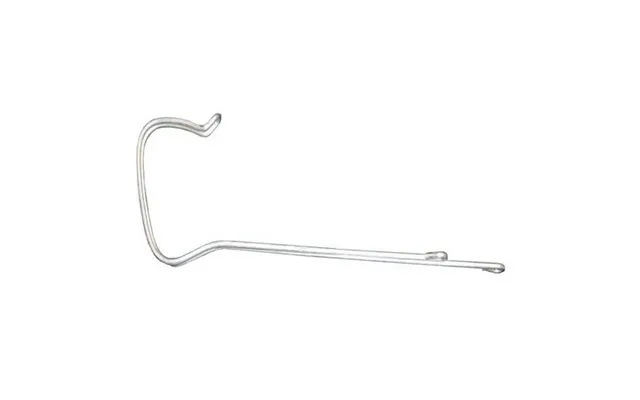
Pitched and flat roofs need different supplies. Pitched roofs favour breathable underlays, ridge ventilation, and tile or slate fixings. Flat roofs require continuous membranes and reliable drainage. Clay tiles pair well with stainless clips in coastal areas; concrete tiles suit robust underlays. If you have a slate roof, use slate hooks rather than nails where possible to preserve the tile and improve wind resistance. Match products to the roof system rather than buying the cheapest item in each category.
Even good materials can fail if installed poorly. Common errors include underestimating ventilation needs, using the wrong type of flashing for a detail, and under‑driving nails. Ensure the underlay is flat with no sags, overlap membranes in the direction of water flow, and secure edge trims tightly. When fixing tiles near valleys or chimneys, use soaker flashings and consider a secondary membrane beneath valleys to catch any stray water. If you climb onto the roof, always use suitable fall arrest and non‑slip footwear — safety is non‑negotiable.
Regular inspections save money. Check gutters and downpipes twice a year, look for slipped tiles after storms, and examine all flashings for cracks or corrosion. Replace sealant joints every few years before they fail. For roofs with moss growth, use a soft brush or a chemical treatment designed for roofs — avoid power washers which can lift granules and damage underlay. A little preventive maintenance, like clearing debris from valleys and trimming overhanging branches, can extend a roof’s life by a decade or more.
When comparing supplies across retailers or comparison sites, go beyond price. Check product specifications — material thickness in inches or mill designations, warranty periods in years, and suitability for roof pitch stated in degrees. Look for customer photos and reviews that show real installations, and verify which items are included in a kit. Beware of very low prices for items with minimal warranty; these can cost more in the long run if they need replacing sooner.
If your project involves complex flashing around chimneys, multiple roof planes, or working at height beyond a single‑storey, hire a qualified roofer. DIY is reasonable for small repairs, gutter work, or replacing a few tiles. Pros bring experience with tricky details like chimney flashing, valley linings, and correct adhesive selection. If you do DIY, practice on small sections, use correct PPE and measure twice — cutting once still applies to roofing.
Energy efficiency and sustainability are rising priorities. Upgrading to breathable membranes and adding loft insulation can cut heat loss and lower energy bills. Recycled or longer‑lasting materials like fibre cement slates or metal roofing can pay back initial cost with decades of life and often come with long warranties. Consider the embodied energy and recycling options of materials when choosing — a slightly higher upfront cost can deliver much lower lifecycle costs and fewer replacements.
Before clicking "buy," run through this checklist: measure your roof in feet and square footage, determine roof pitch, identify the correct flashing profiles, choose appropriate fixings for your location, account for waste, and read warranty fine print. Compare several offers and look for product datasheets with technical specs in imperial units if you prefer those measurements. If in doubt, ask a reputable roofer for a second opinion — a short consultation can avoid a costly mistake.
Roofing "other" supplies — underlays, flashings, vents, fixings and sealants — are the unsung heroes that keep your roof performing. Investing a bit more in the right materials and taking time to measure and plan pays back through fewer leaks, lower energy bills, and less frequent repairs. Compare products carefully, match items to your roof type, and don’t skimp on safety. Whether you’re a hands‑on homeowner or coordinating a tradesperson, understanding these components helps you make informed choices and protects one of your home’s most critical assets.

| £ 83,33 |