

Dummy Surveillance Cameras price list
Last updated Sunday, 18 Oct 2026





View 15 Offers
Loading...
Last updated Sunday, 18 Oct 2026
Dummy surveillance cameras are decoys that look like real CCTV units but don’t record. Why do they matter? Because most intruders don’t want attention. If it looks like a camera, feels like a camera, and blinks like a camera, it’s often enough to make opportunists move on. Think of them as realistic scarecrows for your home or business—only sleeker, quieter, and far easier to mount above a porch or shop entry.
Criminals gauge risk quickly. A visible “camera” suggests monitoring, evidence, and consequences. That single glance can be the tipping point that sends a prowler elsewhere. The trick is believability: a decoy with a convincing lens, a proper housing, and a tidy cable run says, “You’re on candid camera,” even when you’re not.
Cues like a realistic lens, tinted dome, faux IR LEDs, and a battery-powered flashing indicator help sell the illusion. Even the angle you choose—slightly downward, covering an entry—contributes to authenticity. Add a small, tidy cable routed toward a wall or soffit, and you’ve got the look that convinces at a glance.
When you browse price lists and popular offers on comparison platforms, you’ll see several common styles of dummy surveillance cameras. Each offers a different “feel,” matching the environments where real cameras often appear. Picking the right style for your space is half the battle in making deterrence believable.
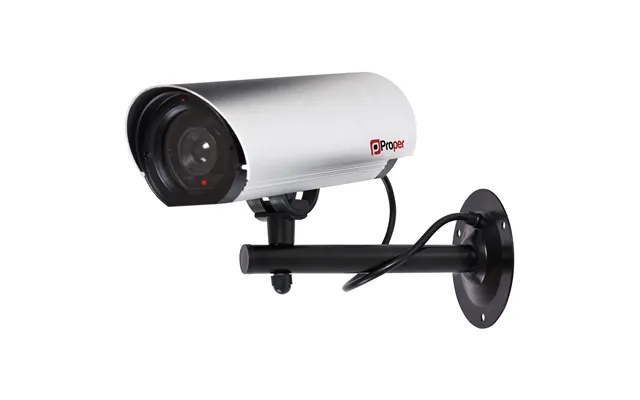
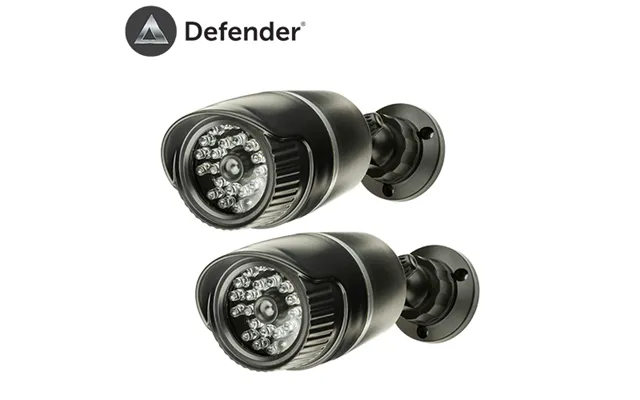
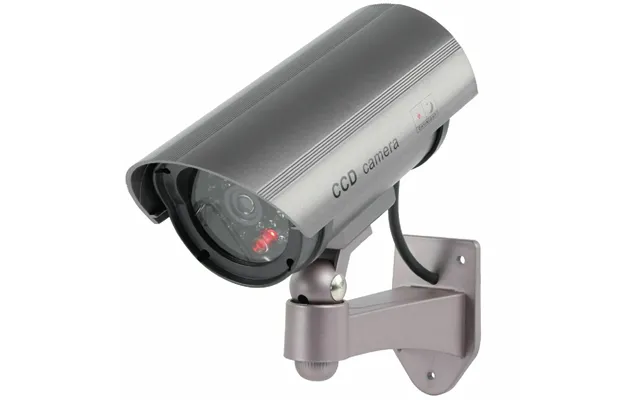
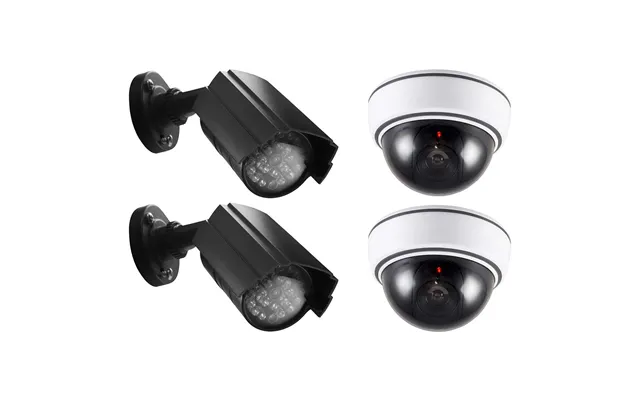
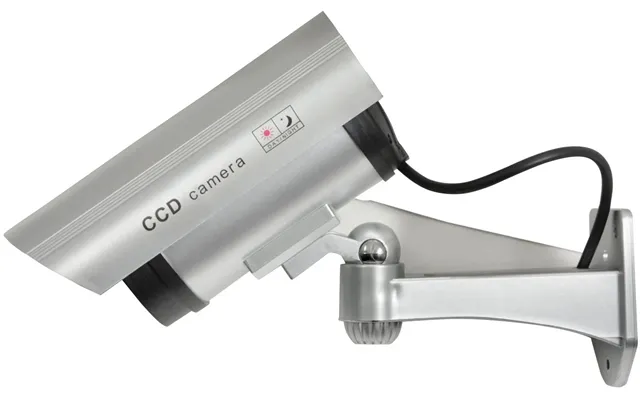
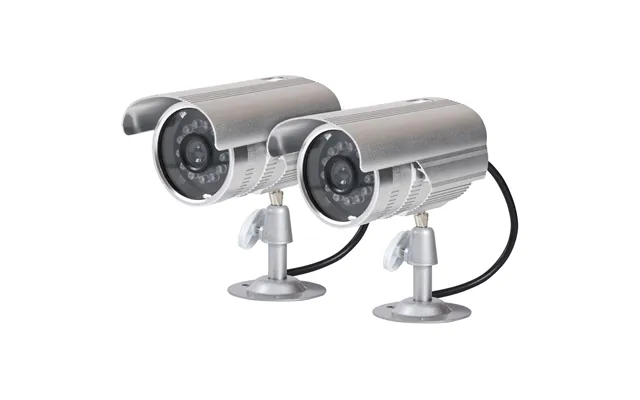
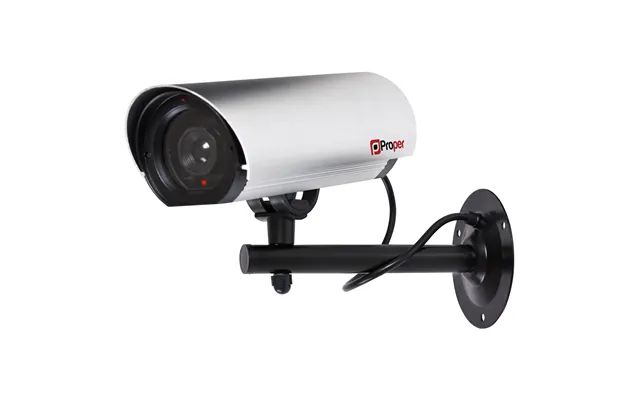
Bullet-style decoys are long, cylindrical “cameras” that look like classic outdoor CCTV units. They’re easy to spot from the street and visually shout “surveillance.” If you want a bold deterrent for a driveway or garage, a bullet dummy angled toward the approach can be a strong signal that someone’s watching.
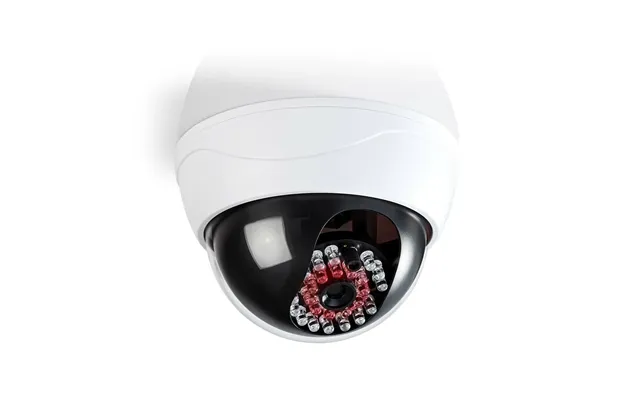
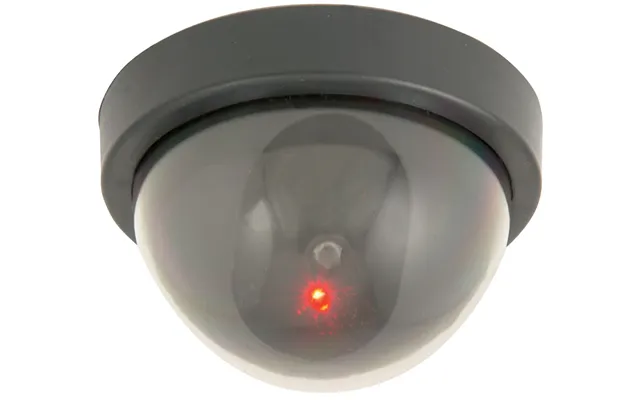
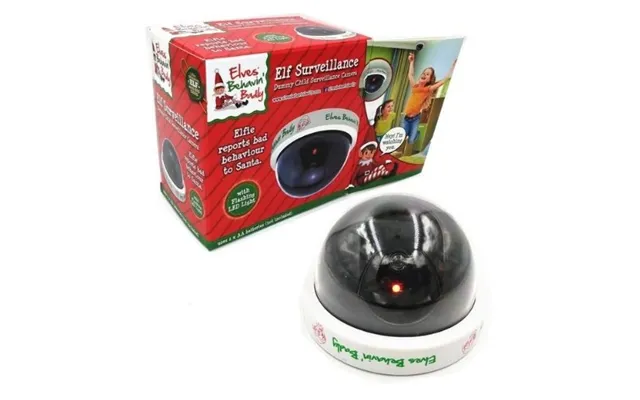
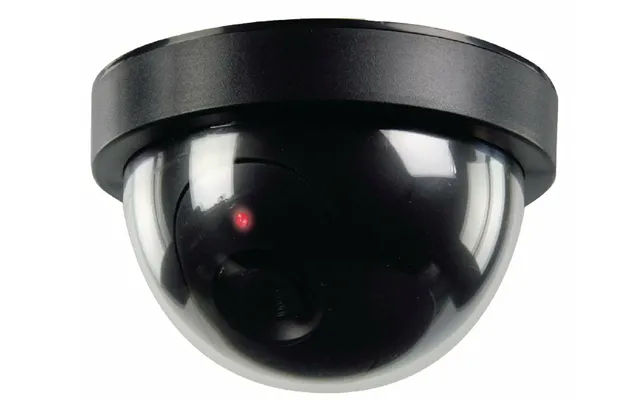
Dome-style decoys are compact, semi-spherical units often seen in retail stores and office buildings. They blend in with ceilings and soffits and can look especially convincing indoors. Because the dome obscures the lens, it’s hard to tell where it’s pointed—perfect for covering wide interiors like lobbies or shop floors.
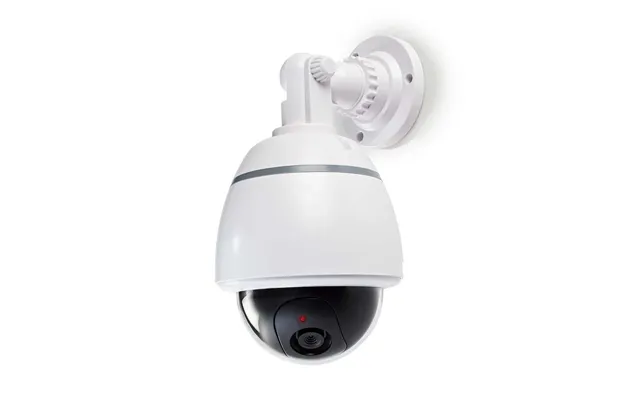
PTZ-style (pan-tilt-zoom look) decoys mimic big, high-end cameras often seen in parking lots and commercial exteriors. While they don’t actually move, the design suggests serious capability. If you want a “don’t even think about it” vibe for a business frontage, this style makes a strong statement without the cost.
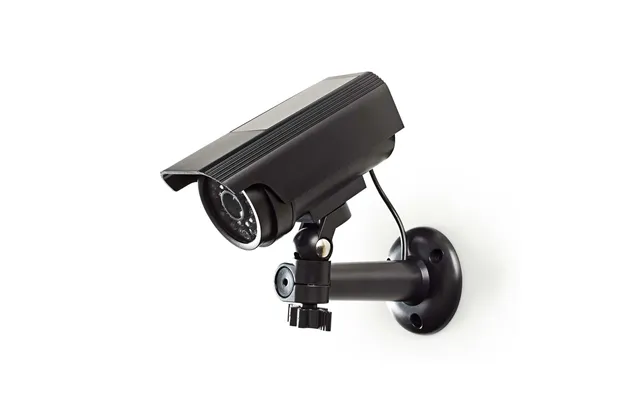
Some dummy cameras include a small solar panel to power a blinking light. The flashing LED can catch the eye at night and reinforce the “live system” impression. Just remember, subtlety helps—excessive flashing can look toy-like. Aim for a modest blink and a tidy install.
Not all dummy cameras are created equal. The whole point is realism, so materials, finish, and small details count. Before you add anything to cart on a comparison site, look closely at the images and specs and imagine how it will look from the curb or across a shop floor.
Metal-look housings, glass-look lenses, and subdued finishes usually read more authentic than shiny plastic. Subtle, generic branding can help too, as many real cameras show small labels. If a unit looks toy-like in photos, it probably won’t improve on the wall.
A slow, intermittent LED can hint at activity, while a faux motion swivel mount lets you angle the “camera” realistically. Avoid aggressive strobe patterns—real commercial systems don’t usually blink like Christmas lights. Understated features tend to look more professional.
If it’s going outdoors, pick a model designed to handle rain, wind, and cold. Sealed housings, snug seams, and UV-resistant plastics keep a decoy looking good through bad weather. Nothing ruins the illusion faster than a cracked, faded unit hanging by a loose screw above your front door.
Mounting brackets should allow vertical and horizontal adjustment so you can “aim” at doors, gates, and vehicles. You’ll also want clean cable routing options, even if the cable is just a short dummy run for show. Small touches like a snug base plate and hidden screws elevate the look.
Decoys and real cameras serve different missions. Dummies shout “go away” at a low price, while real systems capture evidence and alerts. Many households mix both—real coverage where it matters most, dummies for extra perimeter deterrence. That hybrid approach maximizes value without inviting blind spots.
Dummy cameras are typically a fraction of the price of real CCTV. You can outfit multiple entries with decoys for less than the cost of a single pro-grade camera. Real systems add wiring, storage, and power considerations, and smart doorbells require reliable Wi‑Fi and ongoing app management.
Dummies excel at discouraging opportunists, boosting perceived security, and covering low-risk areas. They don’t record, notify you, or provide evidence. If you need documentation for insurance or incidents, real cameras or doorbells should guard critical spots like front entries, safes, and high-value stock.
Placement makes or breaks the illusion. Your aim is to mirror where real cameras go, with convincing angles and clean cable paths. Think like a would-be intruder: what would you notice first? What makes you turn around? Put your decoys where those answers lead you.
A bullet or dome dummy above the front door at roughly 9–12 feet looks believable and visible from the street. Angle it slightly down toward the approach. If you already use a real video doorbell, a dummy at the opposite corner amplifies the “watched” feeling without adding complexity.
Mount a bullet-style dummy on the garage fascia, aiming toward vehicles and the driveway. At about 10–14 feet up, it’s visible to anyone pulling in or walking by. If you have a side door to the garage, consider a second dummy that covers that entry, just like a real multi-camera setup would.
Back entries are a favorite for intruders. A dome or bullet decoy above a side gate or patio door helps. Keep it under eaves when possible to shelter the unit, and angle it to “watch” the gate latch or sliding door handle. A short, discreet cable adds extra realism.
Inside a business, place dome-style decoys in corners or near the ceiling centerline to suggest wide coverage. For a shop, aim toward the register and entry. One or two well-placed domes can change customer behavior and deter casual shoplifting without drawing too much attention.
Dummy cameras work best as part of a bigger picture. Add complementary security cues and you elevate the whole system. The goal? Layers. When lights, signs, and visible locks add up, your property looks like a tough, time-consuming target that’s simply not worth the risk.
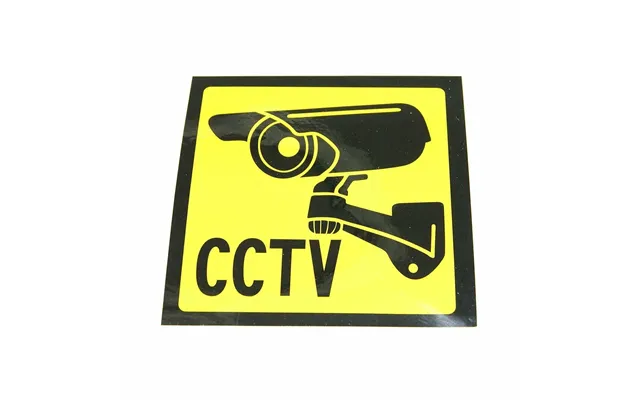
Warning signs and small window decals make dummies feel legit. They reinforce the idea of monitoring, and they’re inexpensive. Choose professional-looking designs with simple wording. Place signs near front gates and stickers near door handles where eyes naturally land.
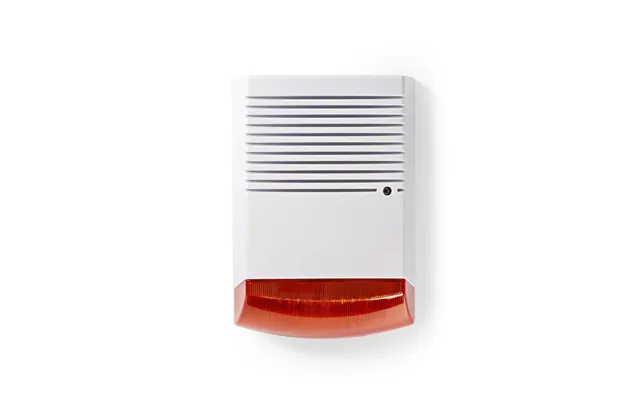
A convincing alarm box on an exterior wall turns heads. Some include a slow blink or reflective surface to catch light at night. Pairing a dummy alarm box with a visible camera decoy creates a “monitored premises” impression that sends risk-averse intruders packing.
Light is a powerful deterrent. Motion-activated floodlights snap on when someone approaches, making people feel exposed. Mount them near driveways, side yards, and rear entries. Even if your camera is a dummy, that sudden wash of light supports the “recording in progress” story.
A decoy won’t save a flimsy lock. Reinforce doors and windows, and use solid hasps on sheds and gates. Add smart timers to indoor lamps so lights follow a pattern at night. Real physical security plus a believable surveillance presence is a one-two punch.
Spend a few extra minutes on installation and your decoys will look like professional kit. Measure, level, and think through where cables would go if the camera were real. Clean lines tell a story of a cared-for, guarded property—exactly what casual intruders try to avoid.
Mount outdoor units between about 9 and 14 feet up. Too low looks odd and invites tampering; too high looks impractical. Angle toward doors, gates, or the center of a driveway. Indoors, domes near ceiling corners provide believable coverage of an entire room.
Brick, wood, and siding each need the right anchors and screws. Don’t skimp—loose or crooked mounts scream “fake.” If you’re installing under eaves, pick screws long enough to bite solid wood. Always pre-mark holes with a level so the housing sits straight and true.
Run a short length of black cable from the back of the “camera” into a soffit or junction box. It doesn’t need to go anywhere—just look like it does. Use clips to keep the cable tidy, and avoid wild loops or dangling ends that give the game away.
Every few months, wipe off dust and cobwebs, tighten screws, and replace batteries for any blinking LEDs. Real systems are maintained, and your decoys should look the part. If a unit fades or cracks from sun exposure, swap it before anyone notices.
Even with decoys, it pays to be thoughtful. While dummy cameras don’t capture footage, they still signal monitoring. Be considerate of neighbors and public spaces, and avoid pointing units directly at windows or private areas that aren’t yours.
Good practice is to keep your “coverage” focused on your property—doors, drives, and yards. If you also operate real cameras, appropriate signage helps set expectations. Dummies alone don’t require disclosure, but clear communication never hurts, especially in shared spaces.
Many households blend real cameras at key points with decoys elsewhere. That approach stretches budgets while keeping privacy in mind. Just remember: if an area is sensitive or high-value, rely on a real device for evidence. Use decoys to extend the perimeter and elevate perceived risk.
When you browse popular offers and price lists on comparison platforms like ZoneOffer, look beyond headline prices. Focus on materials, realism, and how convincingly the unit will present from 15–30 feet away. A cheap decoy that looks fake is no bargain at all.
Scan for housing material, weather resistance, adjustable brackets, and LED behavior. Product photos from multiple angles help you judge authenticity. If reviewers mention flimsy mounts, toy-like LEDs, or obvious seams, keep scrolling and compare alternatives.
Consider batteries for LEDs, replacement frequency under harsh sun, and time spent installing and maintaining. A slightly pricier decoy that lasts two or three seasons can cost less over time than a bargain that yellows or cracks after one winter.
Even decoys benefit from support. Check the warranty and the seller’s rating on the comparison page. Reliable vendors tend to use better plastics, cleaner molds, and sturdier brackets—the little things that make a big difference on your wall.
Still weighing it up? It helps to picture real-world setups. Below are common scenarios where dummy cameras pull their weight, especially when paired with lighting, signage, and wherever needed, one or two real devices.
Imagine a small house with a porch, driveway, and side gate. A smart doorbell covers the front door. A bullet-style dummy above the garage and a dome-style dummy by the side gate complete the picture. Add a motion floodlight on the driveway and a warning sticker by the lock. Low cost, high deterrence.
A boutique installs a real camera above the register and a dummy dome near the entry to “extend” coverage. Outside, a PTZ-look dummy faces the sidewalk and a sign sits near the door handle. After closing, motion lights snap on if anyone loiters. The message is clear: you’re visible and on the clock.
A landlord uses real cameras in shared entrances and a few dummy units along exterior walkways and garage alleys. Signs and neat cable runs tie everything together. Tenants feel safer, opportunists feel exposed, and the budget stays under control by not overbuying where evidence isn’t essential.
Dummy surveillance cameras aren’t magic, but they’re a smart, affordable nudge that often changes behavior. Combined with good lighting, solid locks, and a strategic real camera or two, they create a strong first line of deterrence. Browse comparison platforms to weigh popular offers, focus on realism, and install with care. Do that, and most would-be intruders will get the message before they ever test a door.