All categories
Business & Offices
Electronics & Media
Fashion & Accessories
Groceries & Essentials
Health & Personal Care
Home & Living
Kids & Family
Sports & Outdoors
Search in ZoneOffer

Loading...
Want a simple way to protect your home and feel safer the moment the sun goes down? Security lights are the quiet heroes of a well-protected property. They flood dark spots with bright, reliable light, deter opportunists, and make everyday life easier—think late-night parcel deliveries, taking the bins out, or guiding guests to your door. If you’ve been hunting for smart savings and trusted options in the UK, you’ll find that comparing deals across brands and features helps you get more brightness and better tech for your money.
A well-placed security light acts like a spotlight on suspicious activity. Most intruders prefer darkness and ambiguity; a sudden burst of light removes both. That means fewer blind spots, fewer nerves when you hear a noise outside, and more confidence when you’re away from home. It’s such a small upgrade with such a big psychological and practical payoff.
It’s not just about security. Good lighting cuts trips and slips, makes stairs and paths easier to navigate, and helps you spot that stray toy or garden tool before you step on it. Whether you’re unloading the car or letting the dog out, reliable lighting turns nighttime tasks into no-drama routines.
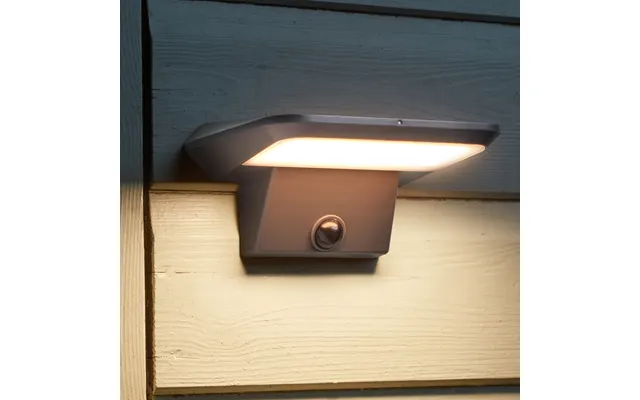
All security lights shine, but not all shine the same way. Choosing the right type depends on where you’re installing it, how you power it, and how much control you want. Here’s how the popular options stack up for UK homes and small businesses.
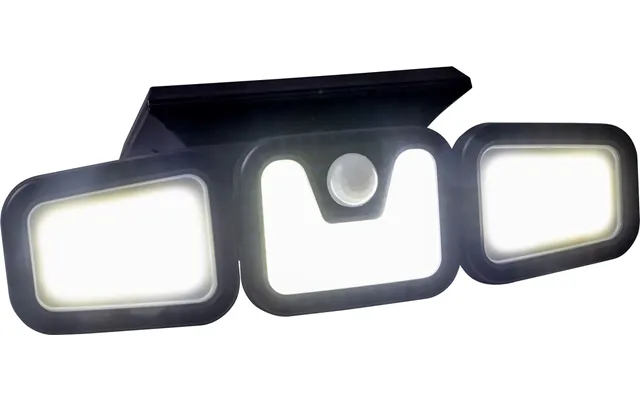
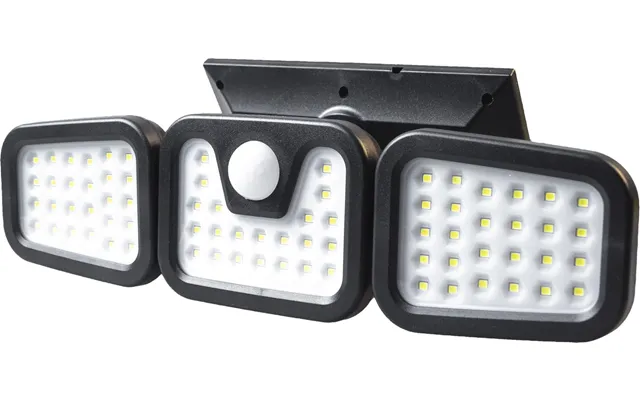
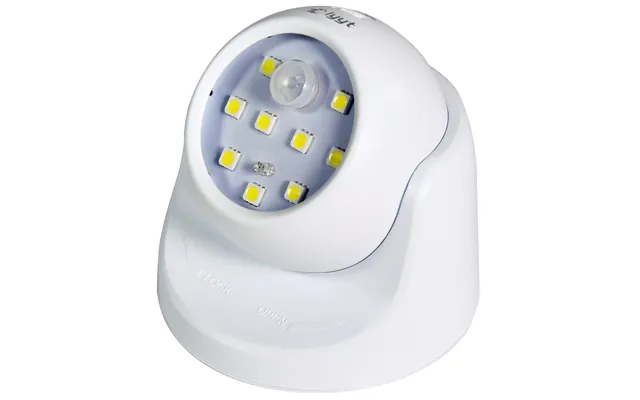
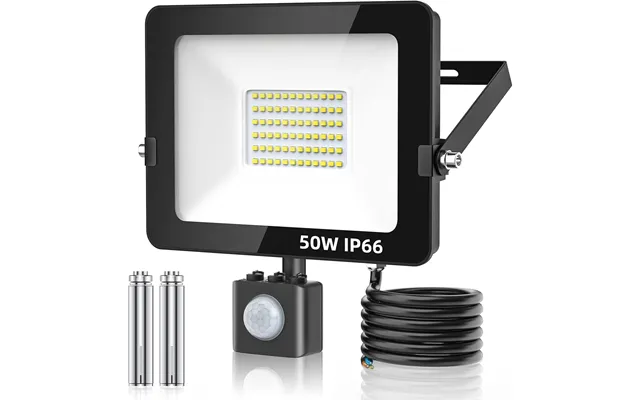
These are classic “someone’s in the garden” lights. A built-in sensor detects movement and triggers a powerful beam, ideal for driveways, garages, and backyards. They’re energy-friendly because they only come on when needed and can be tuned for sensitivity and on-time. For most homes, they’re the fastest route to a visible security upgrade.
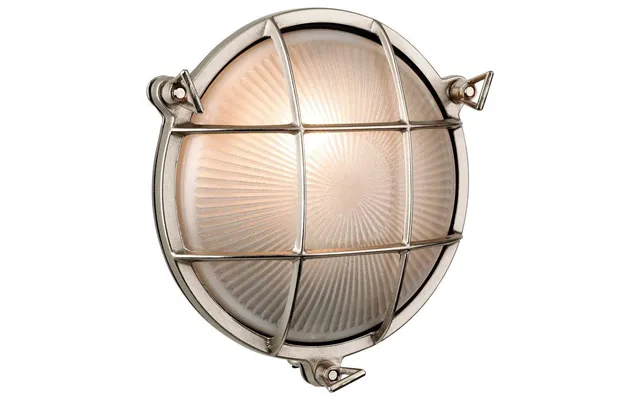
If you want a light that just works without thinking about it, dusk-to-dawn models turn on when it gets dark and switch off at first light. They’re popular at front doors and along paths, often with a softer glow than floodlights, and they keep entrances welcoming without constant fiddling.
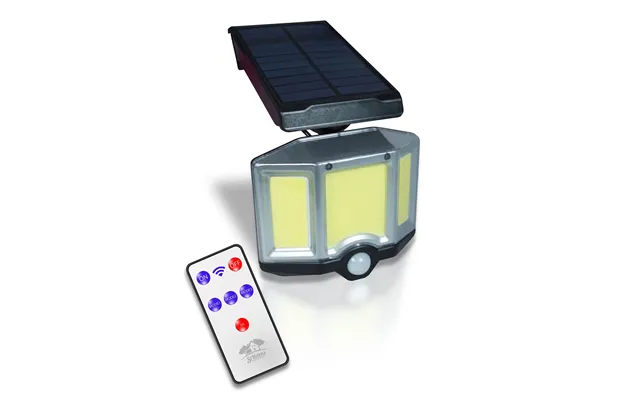
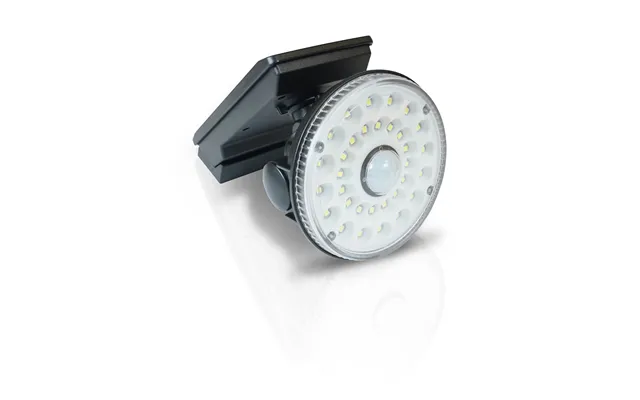
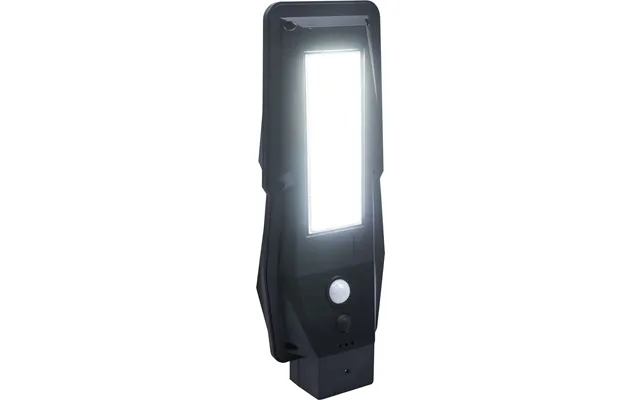
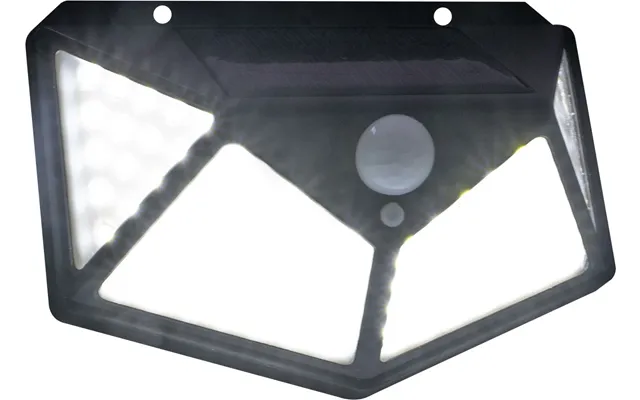
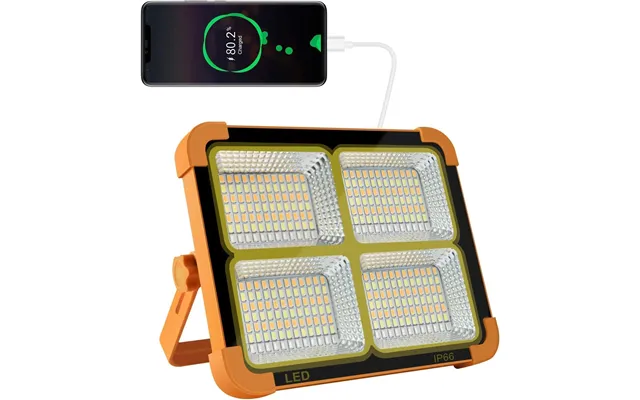
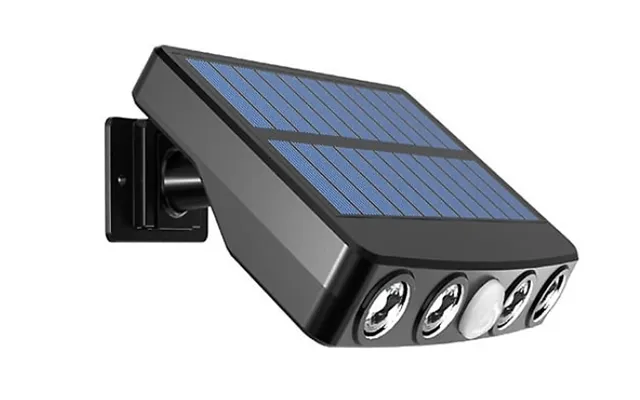
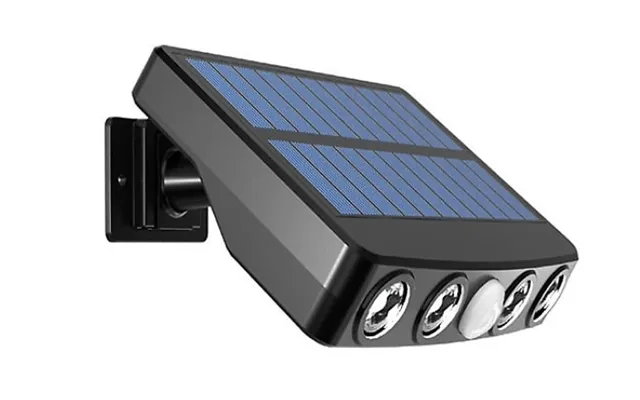
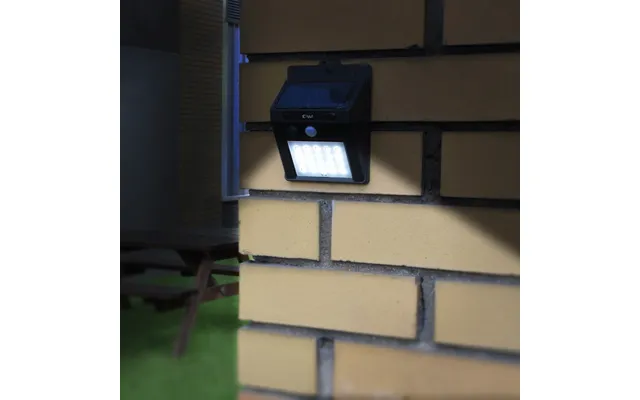
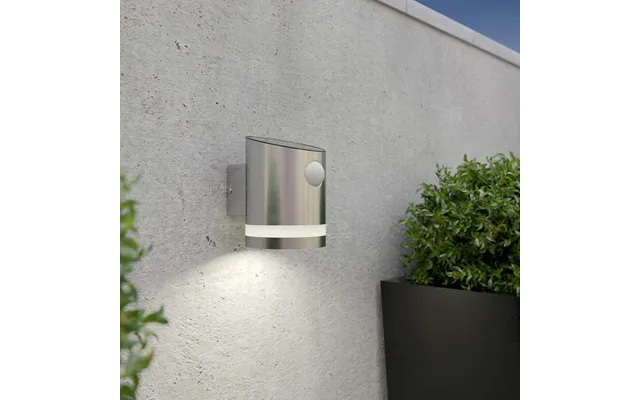
Zero wiring, zero running costs—what’s not to love? Solar security lights charge during daylight and illuminate at night, often with motion sensors to stretch battery life. They’re fantastic for sheds, fences, alleyways, and spots far from mains power. In the UK, look for efficient panels and larger batteries to handle shorter winter days.
For renters, outbuildings, or quick fixes, battery and plug-in spotlights are a gift. They mount fast, aim easily, and keep costs low. Just remember to check battery levels every few months and choose models with energy-saving motion modes to extend life between swaps.
Prefer app control, voice commands, and live alerts? Smart lights integrate with your phone and sometimes cameras, offering schedules, remote control, and automation. If you already use a voice assistant, adding smart lighting folds into your existing routine with minimal fuss.
Shopping for security lights can feel like alphabet soup—so many specs, so little time. Focus on the details that change your day-to-day experience, and you’ll avoid buyer’s remorse.
Brightness is often listed in lumens, which tells you how much light a fixture produces. For small porches, a modest output works. For driveways, garages, or larger yards, you’ll want a stronger beam with a wide spread. As a rule of thumb, broader coverage beats raw intensity if you’re trying to light an area of a few hundred square feet without creating harsh glare.
Look for sensors that can detect movement at least 20–40 feet away, with a wide angle to catch side-to-side motion. Adjustable heads help you fine‑tune exactly what gets picked up—aim the sensor toward paths of travel, not branches or busy streets, to cut false triggers.
Warm white looks inviting and is perfect near doors and patios. Daylight white appears brighter and more clinical, which is great for maximum visibility on driveways and side passages. If you’ve got close neighbors, a slightly warmer light feels friendlier after dark and reduces that “floodlit stadium” effect.
UK weather throws everything at your fittings, so check the IP rating. IP65 or higher is a good target for exposed installations, indicating strong resistance to dust and jets of rain. For very sheltered spots, a lower rating can work, but outdoor gear that’s built tough pays you back with fewer failures and fuss.
LEDs are the gold standard now: bright, efficient, and long-lived. If you’re replacing old halogens, you’ll be pleasantly surprised by the cool running temperatures and lower energy use. Solar and battery models stretch efficiency even further, especially when paired with motion-only activation and shorter on-times.
Security lights are a competitive category, which is fantastic for savings. Price comparison platforms help you line up features, ratings, and offers side by side, so you can see which models deliver genuine value. Because these tools surface discounts across multiple retailers, you can often snag quality lights for a lot less than list price—especially around big sale periods in the UK.
Watch for seasonal promotions, bank holiday sales, and end‑of‑season clearances. Outdoor and home security categories often see price drops in late autumn and early spring, and you can stretch your budget further by bundling multiple fixtures for full‑property coverage.
User reviews can be eye‑opening. Look for confirmations about build quality, sensor accuracy, and real‑world brightness. If multiple reviewers mention the same drawback—say, tricky mounting or overly sensitive sensors—factor that into your shortlist before you buy.
The right installation method depends on your skill level, property layout, and whether you want permanent fixtures or flexible setups. Whichever you choose, follow safe practices and consider professional help for mains wiring.
Hardwired lights are robust and consistent. Once installed, they’re largely hands‑off, and you’ll never worry about batteries or charging. The trade‑off is the complexity of routing cable, drilling, and sealing. If you’re placing lights 8–12 feet high under eaves or on brickwork, plan your run carefully to keep things neat and weather‑tight.
Solar and battery lights mount fast and shine in places where wiring is awkward—fences, sheds, or posts. Keep solar panels clear of shade and tilt them to catch as much daylight as possible. For battery units, pick models with sips‑not‑gulps power modes, so you’re not up a ladder every few weeks.
For motion detection, 8–10 feet is a sweet spot. Too low and you’ll get constant triggers from pets; too high and you might miss people close to the wall. Angle the light downward and toward the area you want to cover, not across neighboring windows or roads. If a single unit struggles to cover a wide area cleanly, use two lower‑powered lights instead of one blaster.
Smart security lights add convenience and control, letting you check, schedule, and adjust from anywhere. If you already use smart speakers or home hubs, adding compatible lights can be as simple as pairing and naming zones.
Turn lights on with a tap or by asking your assistant, adjust brightness, and set schedules for evenings or trips away. Some systems allow different scenes—soft entrance lighting for guests or full‑power security mode when you’re out late.
Geofencing switches lights based on your phone’s location, so arriving home after dark feels seamless. You can also automate lights to pulse or flash when a camera detects motion, amplifying deterrence without adding complexity.
Stick with reputable brands, keep firmware updated, and use strong passwords. If you prefer local‑only setups, look for models that work without internet after initial configuration, relying on direct connections or local hubs.
Good lighting is about strategy, not just strength. Think like a visitor—and like a trespasser. Where would you walk? Where would you hide? Let that guide your layout.
Place a motion floodlight 8–10 feet high to cover cars and the front approach, and add a softer dusk‑to‑dawn light near the door for a welcoming glow. If your driveway is long, consider a second light mid‑way so the beam doesn’t throw harsh shadows.
These are classic blind spots. Mount lights at each end of a passage to avoid dark pockets, and angle sensors to watch the path, not swaying trees. In backyards, aim lights to cover doors and windows without lighting up a neighbor’s bedroom—shielded fixtures help here.
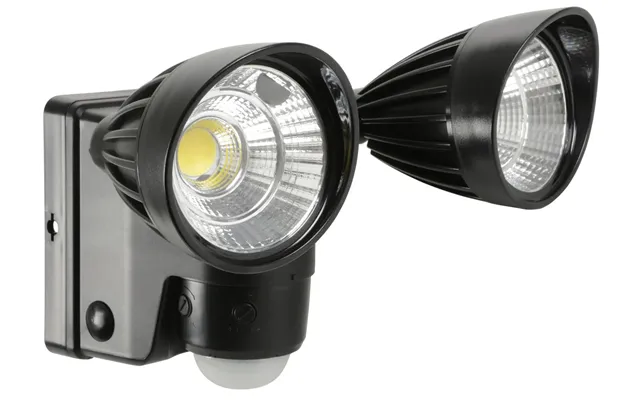
Sheds and detached garages benefit from solar lights because they avoid trenching cable. For corners, a dual‑head motion light lets you steer beams in two directions, reducing the number of fixtures you need to get full coverage.
Not every home needs the same setup. Match your choice to the job, and you’ll spend smarter and get better results.
Grab a reliable motion sensor LED floodlight for the driveway and a compact dusk‑to‑dawn wall light for the porch. This combo covers safety, security, and day‑to‑day convenience without overbuying.
Pick a high‑output floodlight with a broad beam and a sensitive sensor, then add a second unit to eliminate shadows if your area runs wider than a few dozen feet. If glare is a worry, choose models with diffusers or adjustable brightness.
Opt for warm‑tone fixtures with shields that direct light down and in. A pair of mid‑output lights placed strategically can feel natural and courteous while still discouraging nosy visitors.
Go solar with a generous battery and motion‑only activation. If you visit at set times, add a manual override switch so you can keep the light on while you’re working, then let it return to motion mode automatically.
Set a reminder a couple of times a year to keep everything in top shape. A few minutes with a cloth and a quick test can add years to your lights’ service life.
Wipe lenses and panels to remove grime and spiderwebs, then test motion triggers after dusk. Tighten any loose brackets and reseal cable entries where needed, especially after storms.
If your light triggers too often, reduce sensitivity and tilt the sensor slightly downward. If it misses people, increase sensitivity or adjust the angle to catch cross‑movement. For lights that stay on, shorten the timer and check for reflective surfaces that may be confusing the sensor.
Rechargeable batteries eventually fade. If you notice reduced run time, swap in fresh, high‑quality replacements. Keep the panel clear of shade and debris, and if possible, tilt it more steeply for winter sun.
Bright is good; considerate is better. Aim lights so they illuminate your property rather than a neighbor’s windows or passing drivers. If you’re in a conservation area or have listed‑building constraints, choose compact fixtures and neutral designs that blend with the architecture. Where possible, use shields or hoods to control spill light and keep the beam purposeful.
Huge beams can feel overwhelming in quiet streets. Using two moderate fixtures instead of one ultra‑bright unit spreads illumination evenly and reduces glare, while still giving you excellent visibility and deterrence.
Dial down sensitivity late at night so the cat or a drifting branch doesn’t fire up a mini‑sun at 3 a.m. Many lights let you set on‑time to under a minute, which maintains deterrence without wasting energy or disturbing sleep.
Think layers. Start with a reliable front entry light, add motion floods for driveways and side paths, then fill remaining gaps with smaller units. If you use cameras, pair lights so the image is clear when motion is detected. Finally, test the route you take from car to door at night—if you can do it comfortably hands‑free, you’ve got it right.
Divide your property into zones—front, side, rear—and assign at least one light to each. Where security is crucial, add a second light or camera‑triggered routine so one failure doesn’t leave a blind spot. Redundancy is your safety net.
Even if you start simple, choose fixtures that play nicely with additions, whether that’s more lights, a smart hub, or cameras. A modular approach lets you scale as your needs change without ripping everything out and starting over.
Spending smarter beats spending more. LEDs last for years, and motion‑only modes cut energy use to a sliver. When comparing, weigh build quality, warranties, and real user feedback alongside price. The cheapest option that fails in a year is no bargain; a solid mid‑range light on a good deal is often the sweet spot.
Use shorter on‑times for motion events, pick the right brightness for each area, and position fixtures to avoid wasted spill light. A little planning turns a good deal into a great long‑term investment.
Security lights are one of the highest‑impact, lowest‑effort upgrades you can make. Whether you lean toward simple motion floods, hands‑off dusk‑to‑dawn wall lights, or fully smart setups, the right combination makes your home feel safer, friendlier, and easier to navigate at night. Compare features, check real‑world feedback, and pounce on a strong offer when you see it. With a balanced plan and a few smart touches, you’ll light the way home beautifully—and keep trouble in the shadows where it belongs.
| Security Lights | Price | |
|---|---|---|
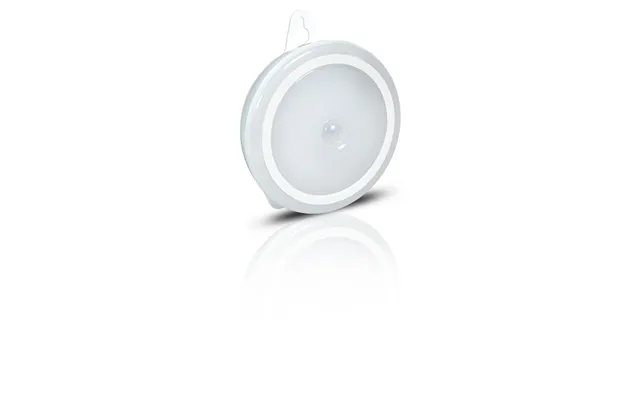
| Battery Powered Light With Motion Sensor And Magnetic Mount | £ 7,52 | |
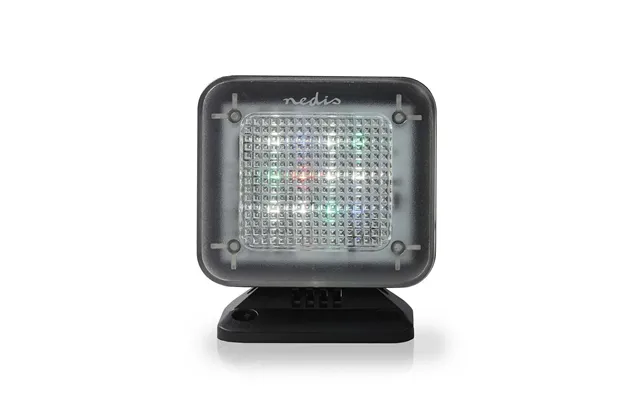
| Defender Plug In Simulated Tv With Socket | £ 16,95 | |
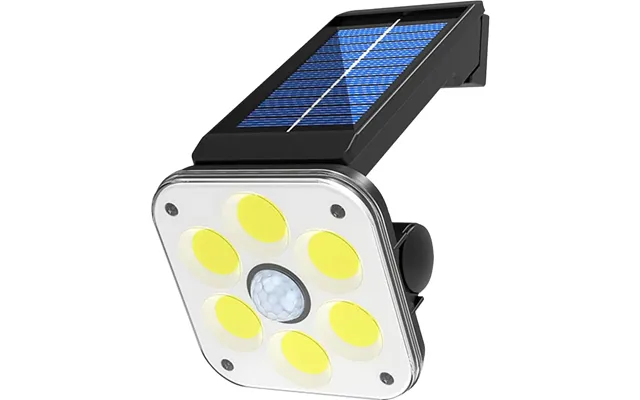
| Solar-powered Security Light | £ 17,99 | |
| Solar Powered Pir Motion Sensor Security Light Outdoor 56 Led Split Design | £ 27,92 | |
| Solar Security Light | £ 29,99 | |
| Defender Max Ultra Solar Security Light | £ 39,95 | |
| Eglo Faedo 3 Black Motion Sensor Led Security Light 10w Ip44 | £ 84,- | |
| Eglo Faedo 3 Black Motion Sensor Led Security Light 21w Ip44 | £ 97,- |