

Security Monitors & Recorders price list
Last updated Monday, 19 Oct 2026





View 28 Offers






Loading...
Last updated Monday, 19 Oct 2026
Looking for the best deals on Security Monitors & Recorders without getting lost in jargon? You’re in the right place. This guide walks you through stand-out options like Dahua’s powerful WizSense DVRs and NVRs, the handy ESP kits for quick installs, and that crisp Dahua 49" UHD LED monitor that makes footage review a breeze. We’ll compare core features such as channels, PoE, storage, and AI capabilities in everyday language, so you can quickly figure out what fits your home, shop, office, or warehouse. And because this is a comparison-focused overview, it helps you weigh choices across retailers and offers in the UK—so you can match your needs, not just chase specs.
Security systems have evolved fast. What used to be grainy, slow, and hard to review is now crystal-clear, smart, and surprisingly easy to manage from your phone. Whether you’re protecting a family home, a small storefront, or a multi-building site, the heart of your surveillance is your recorder and monitor. A solid NVR or DVR ensures reliable recording, easy search, remote viewing, and scalable storage, while a proper security-grade display helps catch details you’d miss on a regular TV. Think of your recorder as the brain and your monitor as the eyes—get both right, and you’ll actually use your system with confidence.
DVRs (Digital Video Recorders) pair best with coaxial cameras and are ideal when you’re upgrading older cabling. NVRs (Network Video Recorders) work with IP cameras over network cables and often include PoE ports that power cameras directly. If you have existing analog lines you don’t want to replace, a DVR—especially a “penta-brid” model that supports multiple signal types—makes perfect sense. Starting fresh or planning higher resolutions and smarter analytics? An NVR is usually the more flexible, future-ready route.
When comparing recorders, start with channels (how many cameras you can connect), resolution (clarity and zoom detail), and storage (how long you can keep recordings). In plain terms: more channels for growth, higher resolution for sharp faces and plates, and larger storage for longer retention. Add PoE to cut cable clutter and built-in AI to reduce false alerts. The goal? Capture what matters, keep it long enough, and find it fast.
For many users, the Dahua NVR 5216 Series 16 Channel PoE with 4TB strikes a sweet balance between capacity and simplicity. Sixteen channels give you room to grow, while PoE ports make camera installation plug-and-play—no separate power bricks or extra cable runs. That 4TB drive offers a generous starting point for typical HD or Full HD recording, especially if you enable efficient video compression.
This is a practical fit for larger homes, corner shops with multiple aisles, or small offices with several entrances and stock rooms. If you’re planning around a dozen cameras now and might add more later, 16 channels help you plan ahead. Want app access and remote viewing while you’re away? This class of NVR usually handles that neatly with well-supported mobile apps.
Use Cat6 cables for clean power and video over longer runs, and keep cable routes tidy to avoid interference. Start with balanced recording settings—say, Full HD or 4MP on priority cameras and slightly lower resolution on secondary areas. Smart motion detection helps you save storage and skim-watch only the action. The result? A clearer, calmer security experience without the endless false alarms.
Upgrading an older coax system but want modern analytics? Dahua’s 32-channel WizSense DVRs stand out. The product names alone tell you they’re flexible: “Penta-brid” means they handle multiple formats (like CVI/TVI/AHD/CVBS/IP), and “WizSense” indicates advanced detection tools aimed at reducing noise and highlighting real events. The 32-channel range makes sense for larger properties and organizations that want lots of coverage without ripping out existing cables.
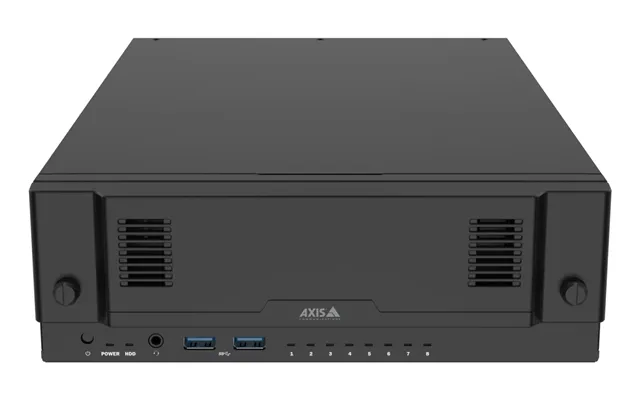
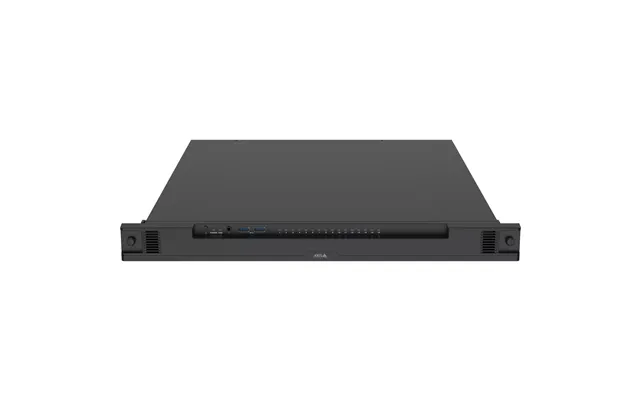
The Dahua 32 Channels Penta-brid 5M-N 1080p 2U 8HDDs WizSense DVR is built for growth. Support for up to eight hard drives means you can go big on retention—great for sites with compliance needs or multiple shifts where incidents might be discovered days later. The 2U chassis is rack-friendly, and the 5M-N/1080p recording modes offer a practical balance between detail and storage footprint.
Prefer a slightly smaller footprint? The Dahua 32 Channels Penta-brid 4K-N 5MP 1.5U 4HDDs WizSense DVR keeps capacity versatile while trimming size and weight. Four drive bays and high-resolution support make it ideal for offices and retail floors that want crisp footage without allocating a full rack or closet just for surveillance gear. In short: sleek, powerful, and easier to tuck away.
Going all-in on IP cameras? Dahua’s 32-channel NVR lineup with PoE streamlines installation and expands your future options. You get centralized power, cleaner wiring, and easier scaling—especially handy when you’re adding cameras in phases. Plus, IP systems typically offer better smart features, such as detailed motion rules and modern AI filters.
The Dahua 32 Channels 1U 16PoE 2HDD WizSense NVR with a 4TB drive gives you a built-in PoE switch for up to sixteen cameras right out of the box. That’s a big boost for installers and DIY users who want fewer moving parts. The two drive bays let you expand storage later or mirror for redundancy. It’s a robust, tidy backbone for schools, clinics, and growing businesses.
If you’re looking to maximize retention and scale, the Dahua 32 Channels 2U 8HDD WizSense NVR with 12TB on board is the heavyweight choice. Eight drive bays mean long-term storage, more camera channels running at higher bitrates, or both. From warehouse perimeters to busy forecourts, this model is built to keep pace as your system expands across multiple entrances, vehicle gates, and interior zones.
On a tighter budget or want to pick your own drive brand and size? The Dahua NVR 16 Channel PoE—no HDD version—is a smart way to save up front. You still get PoE convenience and IP flexibility, and you can add storage tailored to your retention goals. For homeowners or small offices stepping into surveillance for the first time, this keeps costs predictable while preserving quality.
Start small with a single drive, then upgrade later if you need more days of footage. That’s the beauty of modular storage. Pair it with a few 4MP or 5MP cameras in key locations—front door, driveway, back office—and you’ll have clear, reliable coverage without overspending.
A recorder is only as useful as the screen you review it on. The Dahua 49" UHD LED Monitor offers the kind of resolution and pixel density that makes real differences in real time. Fine details—license plates at a distance, small product labels, subtle handoffs—pop into view. When you’re scanning event markers or flipping through multi-camera grids, that extra clarity speeds up every task.
Security monitors are tuned for 24/7 use and multi-input layouts. They handle long sessions, resist image retention better, and often expose more precise color and contrast for surveillance scenes. It’s the difference between “I think I see something” and “I know exactly what I’m seeing.” If you’re serious about rapid reviews, a dedicated UHD monitor feels like upgrading from binoculars to a telescope.
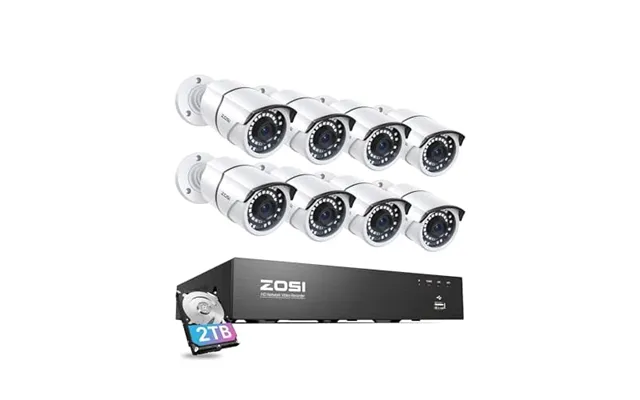
Need to get cameras up and recording quickly? ESP’s turnkey kits are a favorite for simple installs. You’ll find options like the ESP 4ch HD 500GB 4 Grey Dome Camera Kit for compact coverage and the ESP 8 Channel 1080p Full HD 4TB DVR for bigger jobs. These kits often bundle cameras, a recorder, and starter storage to hit the ground running with minimal fuss.
Perfect for small sites, this set gives you four dome cameras for basic entrances and interior zones plus a DVR and 500GB of storage. It’s a straightforward way to cover the essentials—front door, rear access, sales floor, and stock area—without wading through a thousand model numbers. As your needs grow, you can look at higher-capacity models or expand to more channels.
For small businesses, eight channels and a 4TB drive is a sweet spot. You get Full HD clarity across more angles, better coverage of parking areas, and longer retention. It’s also a cleaner upgrade path if you start with four cameras and add more as your operation evolves. In short: enough headroom to scale without jumping to complex enterprise gear.
The Dahua NVR 4100 Series 8 Channel PoE 4TB offers a friendly way into IP surveillance. Eight channels cover typical home and small office layouts well, and built-in PoE reduces cost and complexity. Paired with a handful of 4MP or 5MP cameras, you’ll get sharp evidence, smoother searching, and reliable app access—minus the learning curve.
Think home perimeter plus interior entry points, or a boutique shop with a couple of aisles and a checkout area. This model hits that sweet “just enough” zone—enough channels, enough storage, enough features—without feeling like overkill. It’s also an excellent secondary recorder for outbuildings or annexes.
Not ready to switch to IP? The Dahua 8/16 Channel Penta-brid 1080p Compact 1U DVR keeps your coax cameras in service while supporting a mix of standards. This is ideal for cost-sensitive upgrades, letting you improve recording quality and modernize features while keeping the installation familiar. It’s lean, practical, and good at what it does.
Replacing a building full of cabling is no small job. With a compact penta-brid DVR, you keep legacy lines, get better recording efficiency, and often gain access to smarter detection tools. It’s like putting a new engine in a well-kept classic—more performance, same trusted frame.
Overwhelmed by options? Use this quick decision path. If you have old coax lines you’d rather keep, lean toward a penta-brid DVR like the Dahua 32-channel WizSense series or the compact 8/16-channel models. If you’re starting fresh or want higher-resolution cameras and cleaner cabling, go with an NVR—consider the 16-channel PoE with 4TB or the 32-channel PoE models with room for more drives.
Most homes do well with 8 to 16 channels. Prioritize PoE for easy installs, and place cameras on doors, driveway, backyard, and main hallways. An 8-channel NVR with 4TB is a great baseline, while a 16-channel model prepares you for future additions like garage or garden coverage.
Shops and offices typically need 8 to 16 channels, with higher retention for liability reasons. Consider a 16-channel PoE NVR with 4TB or more, or an 8-channel DVR/NVR paired with a UHD monitor to speed up reviews. Focus on entrances, tills, stock rooms, and parking areas.
For larger sites—warehouses, schools, multi-entrance offices—a 32-channel NVR or penta-brid DVR with multiple drive bays is the safer bet. The 2U 8-HDD NVR with 12TB gets you serious retention plus room to grow. Pair with the Dahua 49" UHD monitor so operators can spot details without squinting.
Storage is where planning pays off. The more cameras you have, and the higher the resolution and frame rate, the faster storage fills up. Smart compression helps, but it’s worth estimating your needs: how many days do you want to retain, and at what quality? If compliance or investigations matter, err on the side of more drive bays and higher capacity—think multi-bay 2U or 8-bay recorders for peace of mind.
A rough rule: prioritize higher bitrates on critical views (entrances, cash handling areas) and lower bitrates or motion-based recording on less critical angles. If your recorder supports efficient codecs and event-based recording, you can stretch 4TB surprisingly far for small systems. For 32-channel setups capturing high-detail footage, consider 12TB and multiple drives to avoid painful trade-offs.
Modern recorders aren’t just digital tape decks—they’re smart. WizSense-class devices and many current NVRs offer human/vehicle detection, line crossing, intrusion zones, face snapshots, and advanced motion filters. These tools cut false alerts (rustling trees, headlights, reflections) and highlight what matters. If you’ve ever scrapped a search because there was just too much to look at, analytics are your new best friend.
AI-driven alerts can ping your phone when a person enters a restricted area after hours or when a vehicle stops in a loading zone too long. Combine that with motion filters, and you’ll spend less time on false positives. Make sure your recorder supports a stable mobile app and sensible user permissions so staff can access what they need without exposing sensitive settings.
Good gear deserves a good install. For PoE NVRs, use quality Cat6 cables, avoid sharp bends, and label each line. Keep your recorder in a ventilated, secure location—ideally in a lockable cabinet. If you’re using multiple drives, enable health checks and SMART monitoring. For remote access, set strong passwords and keep firmware current. A little discipline here prevents most headaches later.
Plan camera angles before you drill. Mount outdoor cameras high enough to deter tampering but low enough to capture faces—around head-to-chest height in the frame is ideal. Indoors, cover chokepoints like hallways and entrances. For monitors, the 49" UHD option shines in control rooms or back offices where multi-camera grids stay open. It’s like switching from a cramped clipboard to a wide drafting table—everything just fits.
Choosing Security Monitors & Recorders doesn’t have to be overwhelming. Start with your wiring reality (coax vs network), decide how many channels you’ll need, pick your storage strategy, and match it with a crisp monitor that won’t slow you down. For mixed or legacy setups, Dahua’s 32-channel penta-brid WizSense DVRs offer flexible upgrades. For clean, modern builds, Dahua’s PoE NVRs—from 8-channel starters to 32-channel, multi-bay powerhouses—deliver room to grow. If you want fast deployment, ESP’s 4-channel kit and 8-channel Full HD DVR bring plug-and-play simplicity. Pair any of these with the Dahua 49" UHD monitor, and you’ll review footage faster, spot more details, and feel more secure—day after day.