All categories
Business & Offices
Electronics & Media
Fashion & Accessories
Groceries & Essentials
Health & Personal Care
Home & Living
Kids & Family
Sports & Outdoors
Search in ZoneOffer

Loading...
Want your home to look polished and lush, but don’t have the time (or patience) to keep plants alive? Artificial flora has come a long way, and the newest designs look convincingly real from just a few feet away. Whether you’re after a towering faux fiddle-leaf fig for the living room or a delicate set of silk peonies for your dining table, today’s options can elevate any space in minutes. Even better, you can compare offers across multiple retailers and find standout value without hopping from site to site.

In this guide, we’ll explore the most popular types of artificial plants and flowers, how to choose the right materials, smart sizing tips, room-by-room styling advice, care tricks, seasonal décor ideas, and savvy ways to compare prices. If you’re ready to turn a bland corner into your favorite corner, let’s dig in.
Artificial flora includes faux plants, silk flowers, artificial trees, stems, garlands, wreaths, and arrangements crafted from materials like silk, polyester, latex, or polyethylene. Some options are potted, others come as stems for custom arrangements, and many arrive pre-styled in decorative planters. The best models pair realistic foliage with smart design touches—think textured bark, adjustable branches, and lifelike coloration.
Think zero watering, no fallen leaves, and year-round color. Artificial plants handle dim corners and temperature swings without drama. They’re also ideal for busy households, rental homes, guest rooms, and office nooks where consistent care isn’t realistic. If you have allergies, faux flowers give you the look of lilies or peonies without the sneezes. And if you’re budget-conscious, the right artificial plant delivers years of style with minimal maintenance costs.
From statement trees to tiny succulents, matching the plant type to the job is half the battle. Here’s how to get it right and make each room feel designed—fast.
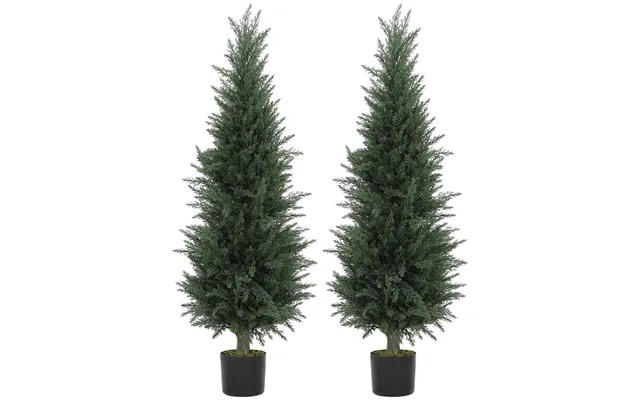
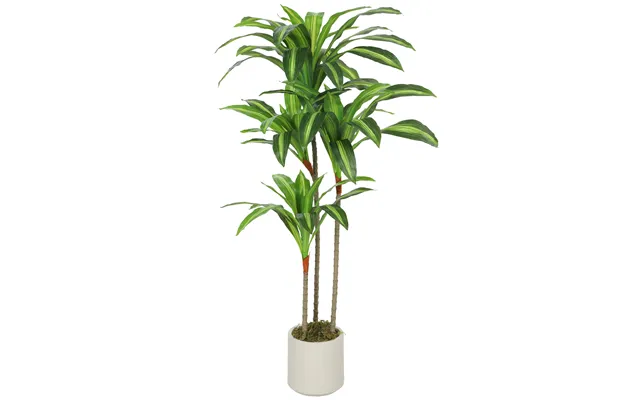
If you love a dramatic focal point, a faux tree is your go-to. Popular picks include olive trees with silvery-green leaves, ficus for dense greenery, and fiddle-leaf figs with bold, sculptural foliage. Heights usually range from 4 ft to 8 ft, perfect for filling a neglected corner or flanking a sofa. Look for models with realistic bark, wired branches for shaping, and a stable base that won’t wobble when someone brushes past.
Choosing the right size matters. Taller trees (7 ft to 8 ft) add vertical drama to rooms with higher ceilings, while 5 ft to 6 ft works well in standard living rooms or bedrooms. If your entryway feels flat, a slim faux bamboo or olive tree by the console table adds instant presence without blocking sightlines.
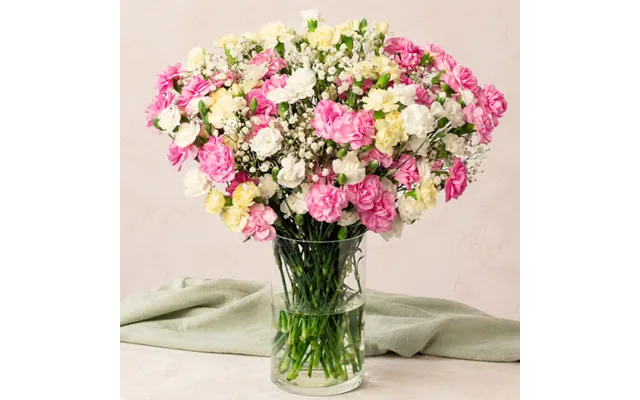
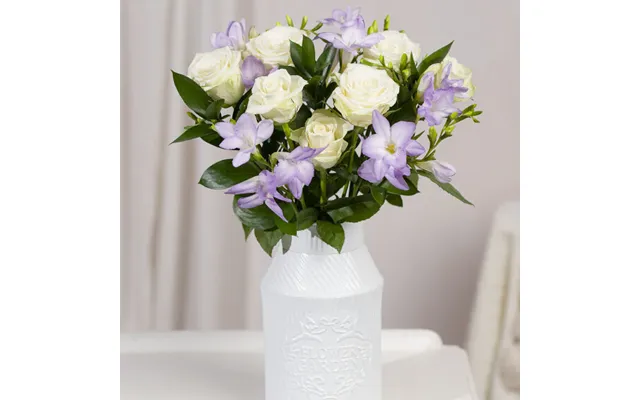
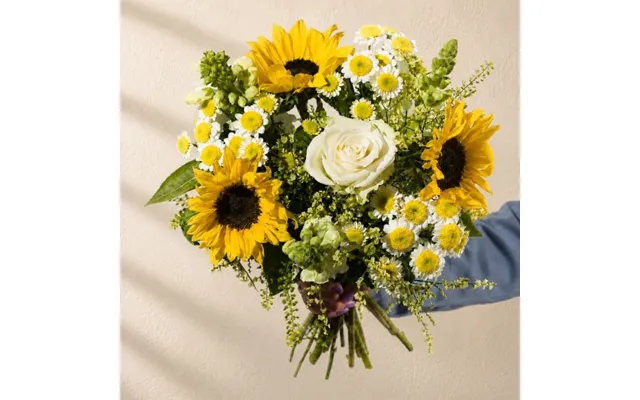
Want easy elegance? Silk roses, peonies, and ranunculus add soft texture and color with zero upkeep. Orchids remain a favorite for kitchens and bathrooms—clean lines, spa vibes. For dining tables, try a low arrangement that doesn’t block conversation. If you like to refresh your look each season, keep a set of stems at the ready and rotate: hydrangeas for spring, sunflowers for late summer, and white roses for a year-round classic.
To keep things convincing, vary bloom stages. A mix of buds and open flowers reads more natural than a uniform bouquet. And don’t forget the vase: a simple glass cylinder with faux water resin looks crisp and modern, while a stone-style vase suits rustic and farmhouse interiors.

From faux aloe to tiny echeveria, succulents shine on desks, bookshelves, and windowsills. Their compact footprint helps corral clutter visually, and the sculptural shapes play well with modern décor. If your shelves feel busy, a trio of mini faux succulents in matching pots brings calm and cohesion.
For a realistic finish, choose pieces with matte leaves and subtle color variation—overly glossy succulents can give the game away. Nestle them on stacks of books, pop them in a tray, or line them across a mantel for a tidy, edited look.
Hanging ferns, pothos, and ivy add movement and soften hard edges. They’re ideal for high shelves, bathroom corners, and above kitchen cabinets. Trailing garlands can also disguise cable clutter on media units or add a lush layer to floating shelves. If your space lacks natural light, faux trailing greens keep the vibe fresh without the risk of discoloration or droop.
Choose vines with multiple leaf sizes and slightly uneven spacing to mimic nature. And if you’re dressing a balcony or patio, go for UV-treated options to protect against fading in bright sun.
The “is it real?” test comes down to materials, color, and shape. Understanding the basics helps you avoid cheap-looking finishes and pick pieces that pass close inspection.
Silk flowers typically deliver the softest, most delicate petals—perfect for bouquets and centerpieces. Polyester is durable and cost-effective, often used for everyday greenery and larger leaves. Latex and “real-touch” formulations add a subtle tackiness that mimics natural foliage, especially for thick-leaf plants like rubber trees. For trunks and stems, polyethylene (PE) can be molded with bark-like textures, while painted wire frames allow branches to bend naturally.
A good rule of thumb: choose silk for blossoms, polyester or latex for foliage, and molded PE for trunks and stems. Mixing materials in a single piece often yields the most realistic result.
If you’re decorating balconies, porches, or garden seating areas, look for UV-resistant artificial plants to reduce fading. Outdoor-rated foliage also tends to be sturdier, with tighter bonds between leaves and stems to withstand wind. For planters, choose heavier bases or add stones for ballast so your display doesn’t topple in a gust.
Scale can make or break your design. A tiny plant on a large console looks like an afterthought, while an oversized tree can overwhelm a snug corner. So how do you nail it?
For standard rooms, trees around 5 ft to 6 ft feel substantial without crowding. If your ceilings are higher, step up to 7 ft or 8 ft to fill vertical space. As for pots, a container that’s roughly one-third the plant’s total height tends to look balanced—so a 6 ft tree often pairs well with a pot about 24 in tall. For tabletops, keep arrangements below 12 in so sightlines stay open across the room.
Placement matters too. Flank a TV unit with two slim 5 ft plants for symmetry, or anchor an empty corner with one lush 6 ft piece. On shelves, use a staggered approach: taller stems on the ends, shorter succulents toward the center for a soft curve that pleases the eye.
Ready to tailor your artificial flora to each space? Here’s how to build cohesion room by room without overthinking it.
A statement tree near a window or next to the sofa instantly elevates your living room. Pair it with a few medium greens on side tables and a low floral arrangement on the coffee table. In the entryway, a tall, slim olive tree by the console says “welcome” while a small bouquet in a ceramic vase adds polish without cluttering the surface where you drop keys and mail.
If you have a neutral palette, try subtle color in your faux flowers—dusty pinks, soft peaches, or creamy whites. Prefer bold? Go with saturated peonies or ranunculus and echo the hue in a throw pillow for a pulled-together feel.
In the kitchen, keep it simple. A faux herb trio looks charming on a windowsill, while a trailing pothos on top of cabinets softens straight lines. For dining tables, a low centerpiece about 8 in to 10 in tall keeps conversations easy. If you entertain often, swap stems seasonally—spring blossoms, summer hydrangeas, autumn eucalyptus, winter whites.
Try a runner down the center of the table and nestle a couple of mini succulents along it for texture. Or, cluster three small arrangements of varying heights to create a dynamic focal point without going tall.
Bedrooms love gentle greens—think a 5 ft ficus in a woven basket or soft eucalyptus stems on the dresser. On nightstands, a tiny arrangement under 8 in adds interest without competing with lamps. In bathrooms, orchids shine on vanities, and trailing greens can soften shelves and shower niches (as long as they’re placed where moisture won’t damage any non-waterproof components).
Stick to serene colors: whites, creams, pale greens. The goal is spa-like calm, not visual overload.
Your workspace benefits from greenery that feels structured, not messy. Try a tidy rubber plant or a compact snake plant near the desk. On shelves behind you (hello, video calls), add a mix of books, framed prints, and small plants to create depth without clutter. If your office is tight, a 4 ft to 5 ft slim tree beside a cabinet draws the eye up and makes the room feel bigger.
Artificial plants are low maintenance, not no maintenance. A bit of routine care keeps them looking crisp and convincing for years.
Dust lightly every week or two with a microfiber cloth or a soft brush. For a deeper clean, a quick pass with canned air works wonders on intricate leaves. If the material allows, wipe gently with a damp cloth and a drop of mild soap, then blot dry. Avoid soaking, especially around glued joints.
When storing seasonal pieces like wreaths and garlands, keep them in a sturdy box with tissue to protect petals. Label the box so you can rotate décor quickly when the next season rolls around. And keep everything away from direct heat sources to prevent warping.
Seasonal artificial flora adds a festive lift without the perishability of fresh arrangements. Wreaths on doors, garlands on mantels, and centerpieces on buffets can be reused year after year—just refresh the styling with ribbon, candles, or small ornaments to keep it feeling new.
For spring, think cherry blossoms and tulips in soft pastels. Summer calls for lush greenery with hints of citrus hues. Autumn loves eucalyptus, faux pampas, and warm-toned blooms. Winter looks chic with evergreen garlands, white roses, and metallic accents. Keep a small bin of seasonal add-ons—bows, pinecones, berry picks—so you can tweak your core arrangements with minimal effort.
Prices vary widely based on materials, size, and realism. The smartest approach is to compare offers across multiple retailers and check user photos to gauge quality. Look closely at leaf texture, stem color, and branching—these details separate premium pieces from budget buys. A great hack? Spend more on one or two focal trees, then fill in with mid-range greenery and budget-friendly succulents for shelves and side tables.
Comparison platforms like ZoneOffer aggregate deals and discounts from many sellers, making it easier to spot value quickly. You can scan pricing, styles, heights, and features—such as “UV-resistant” or “real-touch”—without opening a dozen tabs. Use filters to narrow by plant type, size, and price range, then jump to the retailer that offers the best match for your home and budget.
Fresh flowers are lovely, but they can trigger allergies and require frequent replacement. Artificial flora offers long-term use, fewer allergens, and predictable upkeep. If sustainability is a priority, choose durable pieces that won’t need replacing every year and refresh them with new stems or updated planters when your style shifts.
Latex and “real-touch” leaves often outlast bargain polyester while looking more convincing. For florals, silk’s soft finish remains a top pick. And remember, a classic planter can outlive trendy options—think ceramic, stone-look, or simple matte finishes that match multiple rooms and seasons.
Even high-quality artificial plants can look off if they’re styled poorly. Avoid these pitfalls to keep things chic and believable.
Resist the urge to cluster too many pieces in one spot. Give your plants breathing room so each has presence. Mix leaf sizes and shapes for a natural vibe—pair broad-leaf plants with finer, trailing greens. Replace lightweight nursery pots with sturdy planters and add stones on top to hide bases and stabilize tall trees. And don’t forget to bend wired branches slightly; a touch of asymmetry looks more organic.
Planters and finishing touches can elevate even mid-range faux plants into designer-level décor. Think of them as the outfit that completes the look.
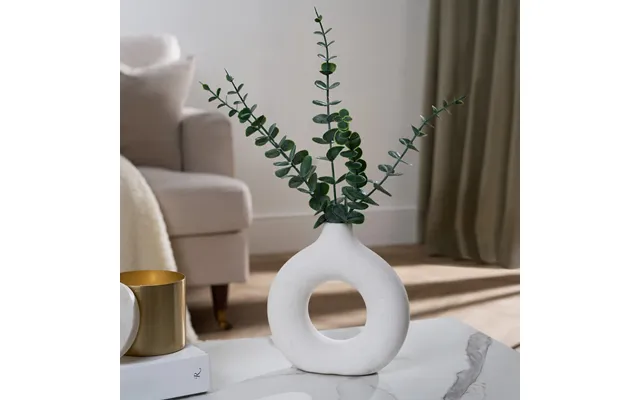
Use floral foam inside deeper planters to set stems at the right height and keep them secure. Top with river stones or preserved moss for a realistic finish. In dim corners, add battery-powered fairy lights to garlands or around a large planter for a subtle glow. If you favor minimalism, choose matte black or white planters; for warmth, go with woven baskets or textured ceramics.
Still deciding? Here are reliable directions based on where and how you’ll use your artificial flora, so you can zero in on the right features before you compare offers.
A 6 ft olive or fiddle-leaf fig brings sculptural impact without dominating the room. Look for realistic bark, adjustable branches, and a pot at least 12 in in diameter for stability. Place it beside an accent chair and mirror for a layered, designer look.
Trailing pothos or ivy, plus a small fern, create a pleasing cascade. Choose pieces with mixed leaf sizes and a slightly matte finish, and tuck the base into a woven basket to hide the pot for a natural, “collected” feel.
Low centerpieces under 10 in keep sightlines open. Silk peonies or hydrangeas in a stone-look vase strike the right balance between softness and structure. For modern spaces, a simple orchid in a sleek planter is timeless.
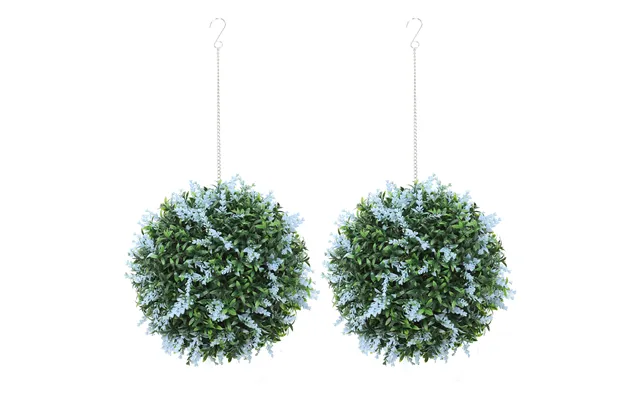
UV-resistant ferns and boxwood hold up well outdoors. Anchor planters with stones so they won’t tip, and mix in lanterns or string lights for evening ambiance. A pair of matching planters flanking the door instantly lifts curb appeal.
Great design feels intentional. A few simple guidelines tie everything together so your greenery looks curated, not random.
Pick two or three planter finishes and repeat them across rooms—say, white ceramic, black metal, and natural basket. Echo a signature color from your florals in throw pillows or artwork. That subtle repetition creates rhythm and makes your space feel planned and polished.
Mix tall trees with mid-height table plants and low arrangements, and leave empty areas so the eye can rest. If a corner feels heavy, swap a dense tree for a slimmer silhouette or raise a smaller plant on a stand so it doesn’t get lost.
If a piece looks a bit flat out of the box, don’t panic. A few tweaks can elevate it dramatically.
Gently bend wired stems to break up straight lines, fan leaves to create depth, and rotate the plant so the most realistic side faces the room. Layer in a second plant of a different texture nearby for contrast. Finally, re-pot into a better planter and top with stones or moss—this simple step is often the difference between “cheap” and “chic.”
Artificial flora makes it easy to style your home beautifully with zero stress. From lifelike trees that anchor a room to delicate blooms that warm a tabletop, today’s faux options deliver maximum impact with minimal upkeep. Focus on quality materials, right-size your selections, and use planters and finishing touches to elevate the look. Compare offers across retailers to spot the best value, then shape, place, and enjoy. The result? A fresher, calmer, more inviting home—no watering can required.
| Artificial Flora | Price | |
|---|---|---|
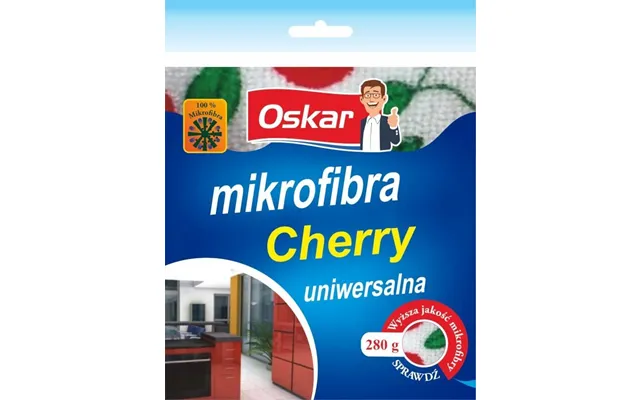
| Oskar - Universal Thorn Cherry 34x34cm | £ 2,20 | |
| Promotional Pine Tree Set Beige Branded With Your Logo | £ 3,08 | |
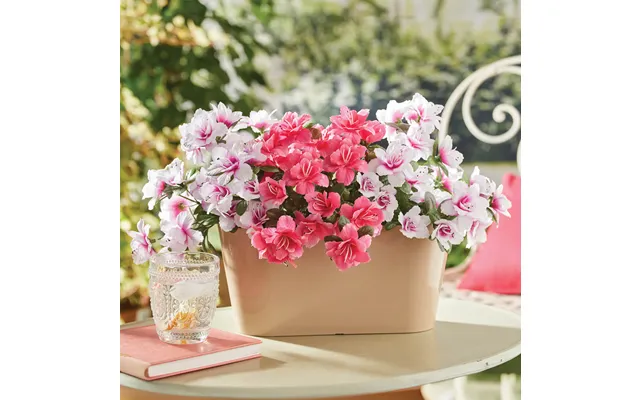
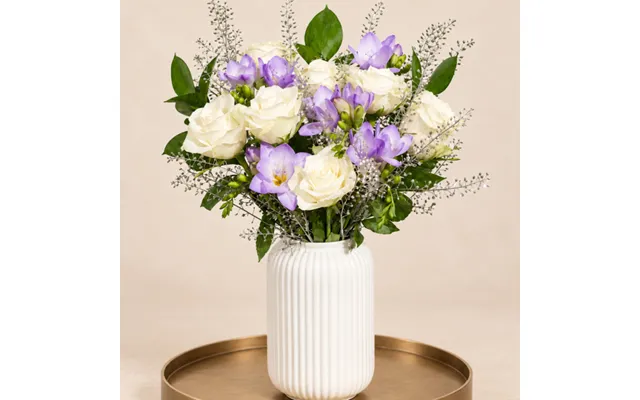
| Lily Of The Valley Bouquet | £ 9,99 | |
| Eternal Rose | £ 19,99 |