

Squirrel Feeders price list
Last updated Monday, 19 Oct 2026




View 9 Offers


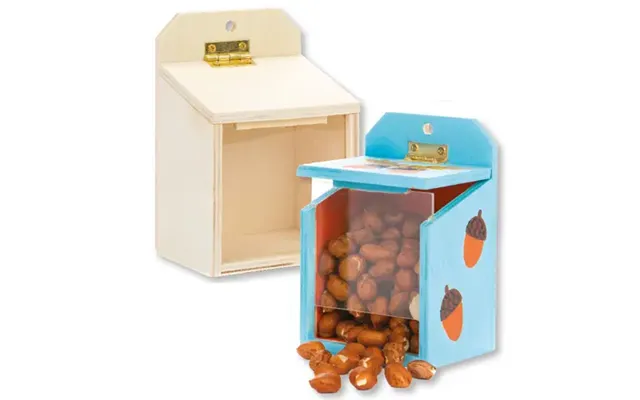
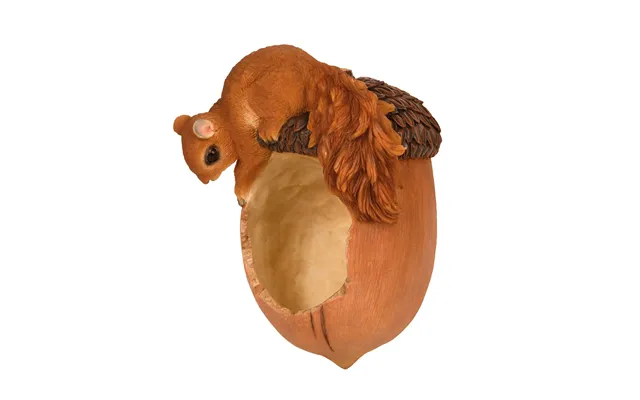
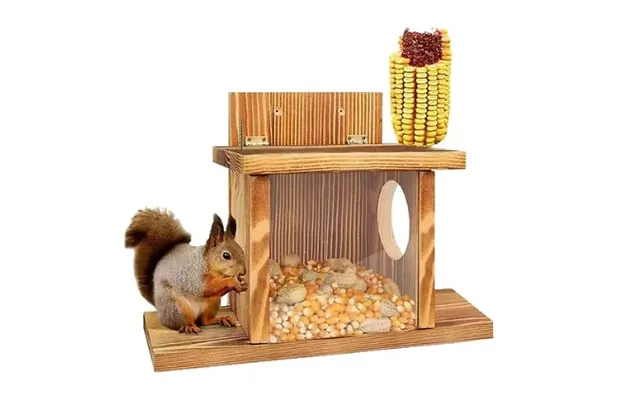
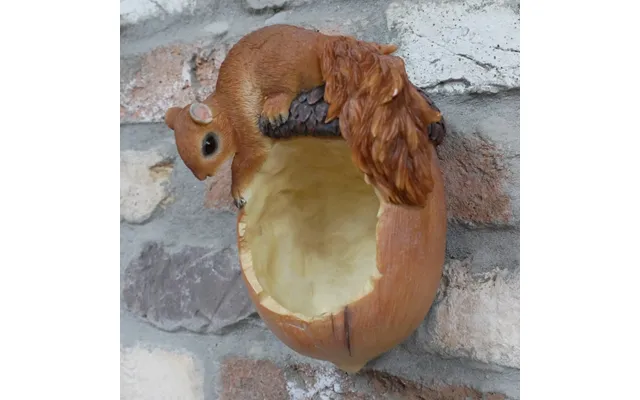
Loading...
Last updated Monday, 19 Oct 2026
Have squirrels turned your bird-feeding routine into a daily wrestling match? You’re not alone. Squirrels are clever, nimble, and incredibly persistent when there’s tasty food within paw’s reach. A dedicated squirrel feeder gives these charismatic critters their own dining spot while protecting your bird feeders and conserving bird seed. Think of it as offering a detour around rush-hour traffic—everyone gets where they want to go with less chaos.
At first glance, a squirrel feeder might look like a bird feeder with a different menu, but the design priorities are quite distinct. Squirrel feeders are usually built tougher, often made from heavy-duty metal or reinforced wood to stand up to gnawing and twisting. They’re larger, able to hold whole nuts and bulky treats, and are often hung or mounted in ways that keep them out of easy reach of household pets. In short, they’re made to satisfy a creature that can open jars and test the limits of your patience.
Tube and hopper-style squirrel feeders look familiar to bird enthusiasts but are scaled up. These feeders often have thicker walls and reinforced ports to prevent chewing. A hopper feeder holds a large quantity—sometimes several pounds—so you’re refilling less often. Tube feeders with wider openings are great for corn, seeds, and shelled peanuts, giving squirrels a comfortable perch and an easy feed.
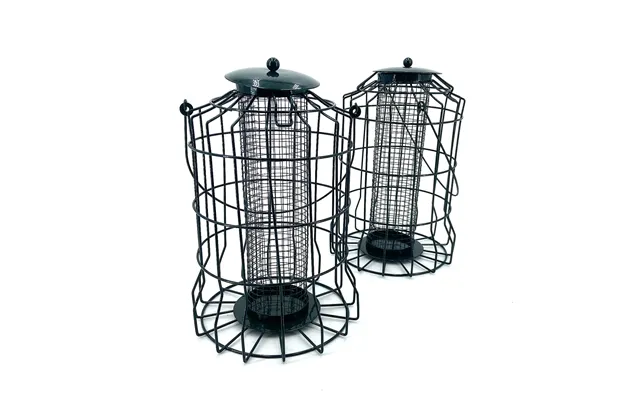
Caged peanut feeders are a classic: a wire cage surrounds a central feeder column, allowing squirrels to pull peanuts through the gaps while excluding larger birds. They’re excellent for whole peanuts or nut clusters and are typically lightweight yet durable. If you like watching squirrels get involved with their food, this style is highly entertaining.
Platform feeders are simple flat trays—easy for squirrels to balance on and perfect for a picnic-style spread of corn, chopped nuts, and fruit. Because they offer no protection from rain, these work best under partial cover or for short-term feeding sessions. They’re also useful if you want to feed multiple animals at once—squirrels, jays, and ground-feeding birds can all share the space.
Technology meets backyard wildlife with weight-activated feeders that close access when a heavy visitor climbs on. These are designed mainly to keep out larger mammals and sometimes larger squirrels, too. While primarily marketed to deter raccoons and large rodents, some models adjust sensitivity to accommodate smaller squirrels and selectively feed birds. They’re ideal if you want automation: set it, and the feeder reacts to who shows up.
Hanging feeders and pole-mounted models are often paired with baffles—cone- or dome-shaped barriers that prevent squirrels from climbing up or jumping down. When combined with a heavy-duty feeder, these setups can make it very difficult for acrobatic squirrels to gain access. Mount them on metal poles and position the baffle at least 4 feet away from any launch points like trees or fences to keep squirrels honest.
When you invest in a squirrel feeder, you’re investing in time and patience. The best feeders use rust-resistant metals, powder-coated steel, heavy-gauge wire, or rot-resistant hardwoods like cedar. Avoid cheap plastics—squirrels chew plastic in no time. Look for powder coatings and welded seams; they make a real difference over seasons. For marine or coastal gardens, stainless steel is a smart choice to resist salt air corroding the hardware.
Choosing the right feeder isn’t just about style—it’s about features that match your goals. Here are the must-haves:
- Secure fastenings and tamper-proof lids to stop opportunistic mammals.
- Easy-to-disassemble parts for periodic cleaning—mold and rancid oils are a no-go.
- Large capacity if you don’t want daily refills (look for feeders that hold several pounds).
- Weather protection: roofs or covers to keep food dry.
- Mounting options: hanging kits, pole brackets, or stable deck mounts.
Wondering what to put in a squirrel feeder? Squirrels are omnivores with hearty appetites for fats and proteins. Best choices include unsalted peanuts (in shell or shelled), mixed nuts, corn kernels, sunflower seeds, and specially formulated squirrel mixes. Keep portions moderate—too much fatty food can lead to obesity in wild populations. Avoid bread, salted snacks, and processed human food; they lack nutrients and can cause health problems.
Placement matters. Mount your feeder at least 5 to 8 feet away from launching points like trees, fences, or roofs. If you’re hanging the feeder, make the attachment line long and slippery—squirrels find it tough to traverse thin, swinging cables. For pole-mounted feeders, use metal poles and ensure there’s a baffle at least 3 feet beneath the feeder or 2 feet above it, depending on baffle design. Also consider sightlines: place the feeder where you can watch from a window but out of reach of neighborhood predators.
Your garden can host both birds and squirrels without constant conflict. Use dedicated bird feeders with smaller ports or weight-triggered mechanisms alongside a robust squirrel feeder stocked with nuts. This strategy reduces competition and gives each species a designated dining space. Think of it as setting up separate buffet stations at a garden party—everyone gets what they need without elbowing each other.
Even with a squirrel feeder, determined squirrels may check the bird feeders out of curiosity. Protect bird feeders with these tactics:
- Install squirrel baffles above or below feeders.
- Use cages around bird feeders that allow birds but not squirrels.
- Use heavier, metal feeders mounted on smooth poles—squirrels can’t gain purchase on slick surfaces.
- Place feeders 8 to 10 feet away from trees and structures to reduce launch options.
Regular maintenance prevents disease and spoilage. Empty and clean feeders every two weeks, and more often in wet weather. Disassemble parts, scrub with a mild soap solution, rinse thoroughly, and dry before refilling. Replace molding or chewed parts immediately. For wooden feeders, treat annual wear with food-safe finishes to repel moisture and extend life.
If you’re testing the waters, a budget-friendly caged peanut feeder or a simple platform is a great introduction. They’re affordable and reveal whether you enjoy squirrel-watching. If squirrels are regulars and you want longevity, invest in premium feeders—stainless steel, heavy-gauge wire, and secure baffles. The higher upfront cost pays off in seasons saved from replacement and frustration.
Feeding wildlife is rewarding, but it comes with responsibility. Avoid creating dependency by limiting feeding to a few months out of the year, or offer food in measured quantities so local foraging continues. Buy sustainably sourced nuts and avoid foods treated with pesticides. If you notice aggressive or unhealthy squirrel behavior, reduce feeding frequency to encourage natural habits and balanced diets.
A few accessories can make a big difference: sturdy pole kits, predator baffles, hanging chains that swivel to deter grip, and weather covers to keep feed dry. A quick-release mount is helpful if you need to move the feeder when maintenance or heavy storms roll through. For folks who love tech, some automated feeders dispense food on a timer so you maintain consistent portions and schedules.
In winter, squirrels burn more calories and appreciate high-fat foods like nuts and suet. Keep feeders stocked but monitor portions to avoid leftover mold in wet conditions. In summer, switch to drier offerings and check feeders for insect infestations or spoiled food. Also, position feeders in shaded spots to prevent seed from overheating and going rancid.
Watching squirrels at a feeder is like watching a small, furry circus—acrobatics, strategy, and social dynamics all in action. Expect to see stash behaviors (carrying food to hide it), dominance tussles between males and females, and intricate ways they manipulate food with their paws. If you’re patient, you’ll learn individual personalities—one might always be the bold leader while others are more skittish.
When comparing designs, consider your garden’s layout and wildlife mix. Caged peanut feeders are great for attracting squirrels without inviting pigeons; platform feeders maximize visibility but need regular cleaning; weight-activated feeders reduce unwanted species but sometimes exclude heavier squirrel breeds unintentionally. Match the product to your ecosystem and viewing preferences rather than buying the flashiest option.
Before you click buy, run through this checklist: durable materials, capacity, weather protection, cleaning accessibility, mounting options, and whether the feeder meets your ethical feeding goals. If you plan to buy online, compare prices across comparison sites to find the best value and read recent user reviews for real-world performance insights.
With the right feeder and a little planning, you can enjoy watching squirrels thrive while protecting your bird seed investment. It’s about balance: a happy backyard means clever design, smart placement, and food that fits the visitor. Ready to pick your feeder? Think about how you like to watch wildlife, how much maintenance you’ll do, and how long you want your feeder to last—then let the backyard show begin.
Conclusion: Squirrel feeders are a practical and enjoyable way to manage wildlife feeding in your garden. By choosing the right style, installing it properly, and maintaining it regularly, you’ll create a healthier environment for both squirrels and birds. It’s a small change that makes a big difference in backyard harmony.