

Butterfly Houses price list
Last updated Monday, 19 Oct 2026
| Butterfly Houses | Price |
|---|---|
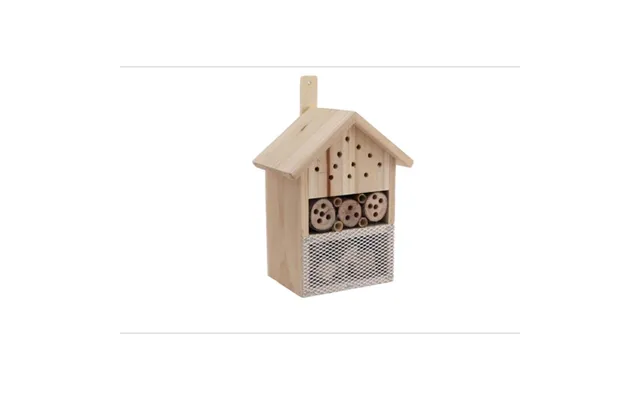
| Wooden Insect House | £5.85 |
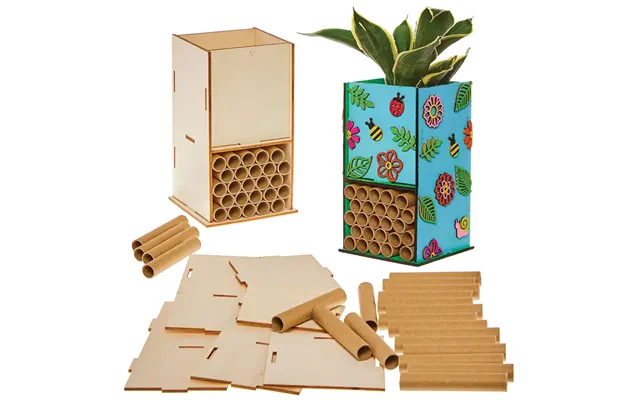
| Wooden Bug Hotel & Flowerpot Kits Pack Of 2 | £6.95 |
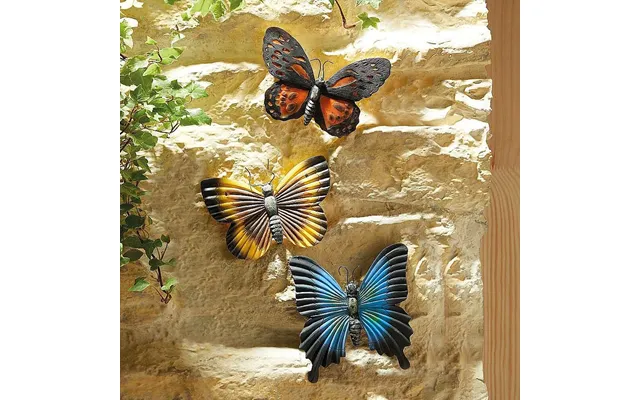
| Set Of 3 Glow-in-the-dark Butterflies | £14.99 |



Loading...
Last updated Monday, 19 Oct 2026
| Butterfly Houses | Price |
|---|---|
| Wooden Insect House | £5.85 |
| Wooden Bug Hotel & Flowerpot Kits Pack Of 2 | £6.95 |
| Set Of 3 Glow-in-the-dark Butterflies | £14.99 |
Have you ever wanted to sit in your garden and watch butterflies flit between flowers like tiny living confetti? A butterfly house gives them a safe place to rest, warm up, or shelter from bad weather — and it gives you a front-row seat to one of nature’s gentlest displays. Unlike bird boxes, butterfly houses are designed specifically for delicate insects and help support local pollinator populations, especially in urban gardens and small yards.
A butterfly house is a small shelter, usually made of wood, resin, or recycled plastic, with narrow slits or compartments that butterflies can squeeze into. These structures mimic natural refuges like tree bark and hollow stems and provide protection from wind, rain, and predators. They’re not tricky devices — think of them as tiny cottages for butterflies, built for privacy and safety.
Wooden butterfly houses are the classic choice. Cedar and redwood are popular because they resist rot and can last several seasons without heavy maintenance. Wood breathes, so these houses generally provide better temperature regulation than solid plastic models. Most wooden designs measure about 10 to 15 inches tall with slits 1/4 to 1/2 inch wide — ideal dimensions for local species.
If durability and no-fuss cleaning are priorities, resin or recycled plastic butterfly houses are worth a look. They’re waterproof and won’t split when temperatures fluctuate. Some models mimic wood grain but weigh much less, making them easy to mount on a post or hang from a bracket. Expect weights in the 1 to 3 lb range for compact models.
Feeling handy? A simple DIY house can be made from a small wooden box with a slatted front, untreated wood, and a sloped roof to shed water. DIY projects let you customize dimensions — aim for a height of about 12 inches and 3 to 5 narrow vertical slots. Building your own is also a great way to recycle materials and keep costs low.
Size matters — but not in the way you might think. Butterfly houses are small; larger isn’t necessarily better. Most good models are roughly 10 to 15 inches tall and 5 to 8 inches wide. The internal compartments should be narrow and deep enough for butterflies to tuck their wings. Avoid overly large cavities that encourage unwanted guests.
Proper airflow prevents mildew and keeps the interior from getting too damp. Look for ventilation slots and a slightly overhung roof that sheds rain. A few tiny drainage holes in the floor help when heavy storms roll through. Good ventilation helps keep temperatures from spiking on hot afternoons.
Butterfly houses can be wall-mounted, hung from a bracket, or attached to a post. Check what mounting hardware is included. A house mounted about 5 to 7 ft above the ground, angled southeast, gives butterflies morning sun while offering afternoon shade — a combination they love. Lightweight models are easiest to reposition, while heavier options stay put in windy spots.
Choose untreated wood or UV-stable plastic. Paint or varnish the exterior with non-toxic, water-based sealant to extend life, but avoid painting the inner cavity — butterflies prefer raw surfaces. Natural finishes blend with garden settings and attract more visitors than glossy, brightly colored houses.
Think like a butterfly: warmth, shelter, and food. Place the house where it receives morning sun but is shielded from strong winds and harsh afternoon heat. A position 5 to 7 ft above ground near nectar-rich flower beds will maximize visits. Avoid placing it near constant foot traffic or noisy equipment that scares pollinators away.
No yard? No problem. Compact butterfly houses hang easily from railings or balcony walls. Put them near potted nectar plants like lavender or verbena, and consider railing-mounted planters to create a tiny butterfly corridor. Even a sunny window box can make your balcony a butterfly magnet.
In community gardens or larger green spaces, cluster several butterfly houses at varying heights and orientations. Diversity in placement mimics natural landscapes and supports a wider range of species. Pair houses with native plantings to create a full butterfly habitat rather than a single focal point.
Flowers are primary, but nectar feeders can supplement natural sources, especially in late summer. Look for shallow, saucer-style feeders with bright colors and replace nectar frequently to prevent fermentation. A simple feeder placed 2 to 3 ft from the house gives butterflies an easy landing zone.
Plant kits tailored to attracting butterflies usually include seeds for buddleia (butterfly bush), lavender, and verbena — all great choices. A kit that covers about 10 to 20 sq ft can establish a vibrant nectar patch within a single season. Aim for continuous blooms from spring through fall.
Butterflies aren’t the only pollinators you want around. An insect hotel or a mason bee house complements a butterfly house by encouraging solitary bees and beneficial insects that improve pollination and garden health. Position these structures a few feet apart to create a thriving insect neighborhood.
Plant selection wins half the battle. Popular nectar plants include buddleia, lavender, verbena, and flowering sedums. Host plants for caterpillars — like nettles for the peacock or thistles for painted ladies — are equally important. Plant in groups of the same species to make your flowers more visible to butterflies flying in at 1 to 2 ft above the blooms.
Butterfly activity follows the seasons. In cooler months when daytime temperatures hover below 50°F, butterflies are rare. Once daytime highs climb into the 60s and 70s°F, expect more action. Plant early-blooming varieties for spring arrivals and continuous bloomers for late summer and early fall. A steady food supply keeps them returning to your garden all season long.
Mount your butterfly house about 5 to 7 ft above the ground, facing southeast for morning sun and afternoon shade. If you’re in a particularly exposed spot, a south-facing orientation behind a windbreak can still work. Securely attach the house with a sturdy bracket or post anchor so it won’t wiggle in the wind.
Unlike bird boxes, butterfly houses need minimal cleaning. Remove debris once a year in late winter or early spring to reduce parasites and mold. If you live in an area where winter lows dip below 32°F often, leave the house up — butterflies may use it during milder winter days — but check for water damage and reseal the exterior each spring.
Reapply a water-based, non-toxic sealant every 1 to 2 years to prevent rot and extend the house’s life. Replace broken mounting hardware immediately and tighten screws if the house shifts. For wooden models, a thin layer of linseed oil on the exterior offers added protection without trapping moisture inside.
Start with the size of your outdoor space and the species you want to attract. If you have limited space, choose a compact, lightweight house and pair it with a balcony planter filled with nectar plants. For wildlife gardens, go for larger, durable models and include multiple houses. Budget-conscious buyers can build a simple DIY house for under $20, while premium cedar or resin models typically range higher but offer longer lifespans and warranty options.
In many gardens you’ll see the Red Admiral, Peacock, Small Tortoiseshell, Painted Lady, and Common Blue. Each has different tastes: peacocks and admirals enjoy sunny perches, while blues often flit lower near grasses. Understanding local species helps you choose the right host plants and shelter orientation.
Want to avoid disappointment? Don’t place the house in a shaded, damp corner — butterflies prefer warmth. Avoid painting the interior or filling the house with nesting materials; butterflies like empty, dry cavities. And don’t expect overnight results. It may take a season for butterflies to discover new structures and plantings, so patience pays off.
Choosing sustainably sourced wood, recycled materials, and native plants supports broader conservation goals. A well-placed butterfly house paired with native plantings helps local populations and contributes to urban biodiversity. If you participate in local conservation or citizen science projects, your butterfly house can help track seasonal patterns and species presence.
Before you buy, compare features like material, dimensions, warranty, and mounting type. Comparison sites (like the one this article is drawn from) aggregate product listings and deals to help you find the best fit for your garden without visiting every retailer. Look for models with clear dimension specs and customer photos to see how they perform in real gardens.
Whether you’re a seasoned gardener or just starting out, adding a butterfly house is a simple, rewarding way to invite more life into your outdoor space. With the right placement, a few nectar plants, and a little patience, you’ll be sipping your morning coffee while colorful wings dance nearby.
Conclusion: A butterfly house is a small investment that yields big rewards — more pollinators, more blooms, and more peace in your garden. Choose a design that fits your space, support it with nectar-rich plantings, and enjoy the slow, colorful ballet of nature right outside your door.