

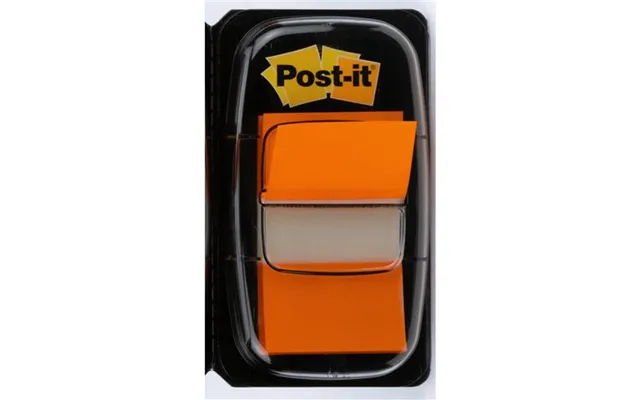
Mailbox Flags price list
Last updated Monday, 19 Oct 2026
| Mailbox Flags | Price |
|---|---|
| Post-it Index Flags Medium Orange 25.4 Mm X 43.2 Mm 50 Flags Dispenser 1 Dispenser Pack | £76.67 |




Loading...
Last updated Monday, 19 Oct 2026
| Mailbox Flags | Price |
|---|---|
| Post-it Index Flags Medium Orange 25.4 Mm X 43.2 Mm 50 Flags Dispenser 1 Dispenser Pack | £76.67 |
You might think a tiny flag on the side of a mailbox is insignificant, but it’s the unsung hero of everyday mail routines. Whether you live in a rural area where the mail carrier needs a visual cue, or you simply want a neat way to mark outgoing mail, the mailbox flag is both practical and symbolic. It tells the postman, the courier, and your neighbors that something needs attention—and it does this without apps, batteries, or complicated tech.
Mailbox flags come in several styles, and picking the right one can make installation and daily use a breeze. The main types you’ll see are fixed hinge flags, spring-loaded flags, magnetic flags, and replacement flags designed to snap onto specific mailbox models. Each type has pros and cons depending on your mailbox material and how often you use the flag.
Fixed hinge flags are the classic design: a metal or plastic flag attached with a pin or rivet so it swings up and down. They’re inexpensive and simple. If your mailbox is metal, these are usually easy to mount with rivets or screws. Expect typical flag lengths between 4 and 7 inches to make them visible from the road.
Spring-loaded flags use a small tension mechanism that snaps the flag back into position. This prevents the flag from flapping in the wind or being left up by accident. They’re ideal if you live on a busy road or in a windy area, and they tend to be a bit sturdier than basic hinge models.
If drilling or screwing into your mailbox isn’t an option—say you have a decorative or painted mailbox—magnetic flags are a great solution. They adhere to metal surfaces and can be moved or removed without tools. Look for magnets rated to hold in gusty conditions and pick a flag with a strong, weatherproof adhesive magnet for reliable performance.
Universal replacement flags are designed to work across a range of mailbox brands and models. They usually include multiple mounting options (screws, rivets, and adhesives) and sometimes an extra bracket to fit over different edge thicknesses. These are handy if you’re replacing a broken flag and aren’t sure of the original specs.
Material choice affects longevity, look, and how well the flag stands up to the elements. The most common materials are plastic, aluminum, stainless steel, and composites like ABS. Each has trade-offs in price and durability.
Plastic flags are lightweight and often the most affordable. UV-stabilized plastics resist fading, but cheap plastics can become brittle in very cold conditions. If you choose plastic, look for UV-treated materials and reinforced attachment points.
Aluminum and stainless steel flags are tougher and tend to last longer, especially in coastal areas where salt spray can corrode lesser metals. Stainless steel offers the best rust resistance, while aluminum is lighter and resists dents. Expect these flags to have a sleeker, more modern appearance and to last several years longer than basic plastics.
Composite materials, like reinforced polymers or fiberglass-reinforced plastics, give you a sweet spot between weight and durability. They’re typically more impact-resistant than plain plastic and don’t corrode like metal. These are great if you want longevity without adding weight to your mailbox door.
When choosing a flag, visibility from the street is key. Flags typically range from 4 inches to 8 inches long, with 6 inches often being the sweet spot—large enough to be seen from a foot or two away, yet small enough not to overpower the mailbox’s style.
Most flags mount within 2 to 4 inches from the mailbox door’s outer edge so the flag can clear the mailbox lip when raised. If your mailbox door is unusually thick, measure the thickness in inches and pick a flag kit that includes spacers or brackets to maintain proper clearance.
Choose flags with bright colors—traditional red is the most common—or ones with reflective strips if you need night visibility. A 6-inch flag with reflective trim makes it easier for a carrier to spot in low-light conditions and can reduce missed pickups.
Installing a mailbox flag is usually a quick DIY job. The required tools are basic: a drill or rivet tool, screwdriver, tape measure, and possibly a small file to smooth any rough edges. Magnetic flags may only require a clean surface and a firm press.
First, close the mailbox door and mark a point 2 to 4 inches from the outer edge as your pivot location. Drill pilot holes if using screws or position the rivet. Attach the flag bracket, ensure the flag clears the mailbox edge, and test the up/down motion several times. Tighten fasteners but don’t over-torque—flags need a little movement in the hinge. If you’re using adhesive or magnetic attachments, clean the metal surface with isopropyl alcohol and let dry before attaching.
If you rent or don’t want holes in the mailbox, opt for magnetic flags or strong double-sided outdoor tape designed for exterior use. You can also use clamp-style brackets that grip the mailbox edge without permanent hardware. These solutions let you change styles or remove the flag seasonally.
Flags spend their life outside, so a little maintenance keeps them working and looking good. Check fasteners once a season, especially after severe weather, and touch up paint on metal flags to prevent rust. For plastic flags, inspect for cracks or brittleness and replace before a small failure becomes a total loss.
Applying a clear outdoor-grade sealant to a painted metal flag can help prevent chipping and rust. For plastic flags, a UV protectant spray restores some color longevity. Stainless steel often needs only a simple soap-and-water clean to remove grime and salt residue.
Mailbox flags have come a long way from plain red rectangles. You can now buy flags with decorative cutouts, custom colors, or themed designs—everything from rustic farmhouse looks to sleek, modern finishes. Decorative flags can be an easy way to personalize curb appeal without committing to a full mailbox replacement.
If you want to match your home’s aesthetic, look for custom-printed flags that allow house numbers, initials, or small graphics. Make sure the custom flag still meets visibility needs: a highly ornate design should still show a clear, contrasting color for quick identification.
If you enjoy blending classic and modern, smart mailbox accessories can add convenience. LED-illuminated flags light up when the flag is raised, making them perfect for evening pickups. Magnetic sensors paired with simple wireless transmitters can send an alert to your phone when your mailbox door opens.
LED flags usually run on small replaceable batteries or integrated rechargeable cells. Look for low-power LEDs with long battery life—some units offer months of runtime from a single coin cell. Sensors with long battery life (6 months to a year) operate in low-power sleep modes and only transmit when activated.
Before buying, check the compatibility of the flag with your mailbox type: curbside, wall-mounted, rural delivery, or cluster boxes. Read product listings for mounting hardware included, and pick a kit that matches the mailbox thickness in inches. Also, consider whether you prefer a permanent rivet or removable screw-on installation.
Comparison sites can help you quickly see which flags offer the best balance of price, materials, and reviews. Look for listings that show multiple mounting options, detailed dimensions in inches, and clear photos of the mounting hardware. Filter reviews by people who have mailboxes similar to yours—this provides the most useful insights.
Your mailbox flag choice can reflect environmental choices. Opting for stainless steel or composite flags can reduce replacements and waste over time. If you live in a historical district or a neighborhood with covenants, check whether decorative flags are allowed. Some associations require flags to be a certain color or limit custom graphics, so measure in inches and check guidelines before customizing.
In areas with heavy wind or snow, spring-loaded or locked-position flags can reduce damage. If you get a lot of rain or salt spray from being near the coast, choose rust-resistant materials like stainless steel and rinse with fresh water occasionally to minimize corrosion. In freezing climates, avoid brittle plastics that might crack when exposed to cold temperatures below 32°F.
Basic plastic flags are often under ten dollars and serve well for low-traffic uses. Mid-range aluminum or composite flags fall in the $15–$30 range and give you better longevity. Premium stainless steel or custom-painted flags can range higher, but they come with improved aesthetics and longer service life. Think of this purchase like buying shoes: the cheapest pair will get you there, but a well-made pair can last years and feel better in daily use.
Don’t mount a flag too close to the door edge—if it rubs, it will wear quickly. Avoid gluing a flag on without testing the position first. Also, don’t assume all flags fit all mailboxes; check the thickness and possible obstructions like decorative trim or locks. Finally, if you want night visibility, skip plain non-reflective plastics in favor of reflective or illuminated options.
Choosing the right mailbox flag is a small project with a big payoff in convenience and curb appeal. Whether you want a no-fuss magnetic flag, a heavy-duty stainless steel replacement, or a smart sensor that alerts your phone, there’s a solution for every mailbox and budget. Measure your mailbox in inches, pick the right material for your climate, and choose a mounting style that fits your needs—then enjoy the little bit of order and communication a good mailbox flag provides.
Conclusion: The right mailbox flag is more than a hook or a rectangle of plastic—it’s a tiny signal that keeps your mail flowing smoothly. With the right material, size, and mounting method, your flag can last for years and match your home’s style. Take a few minutes to measure in inches, consider visibility from the road, and pick a design that balances durability and looks. Happy flag hunting!