
Stained Glass Panels price list
Last updated Monday, 28 Sept 2026
| Stained Glass Panels | Price |
|---|---|
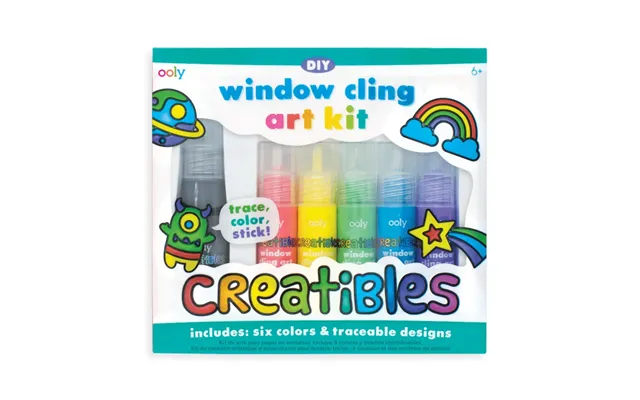
| Stained Glass Creative Set | £24.90 |



View 5 Offers
Loading...
Last updated Monday, 28 Sept 2026
| Stained Glass Panels | Price |
|---|---|
| Stained Glass Creative Set | £24.90 |
If you love the idea of turning sunlight into color and pattern, stained glass panels are one of the most magical ways to do it. They transform ordinary windows, doors, and cabinets into focal points, adding personality and warmth to a room. Whether you're drawn to Victorian florals, modern geometric patterns, or rustic Tiffany-style pieces, stained glass panels offer a blend of art, craft, and function that few other home accents can match.
Stained glass panels are sheets or assembled sections of colored glass designed to be installed in windows, doors, or frames. Unlike full stained glass windows that are often permanent features, panels can be removable, hinged, or framed to fit standard openings. They can be handcrafted from individual pieces of colored glass joined by lead came or copper foil, or they can be printed, laminated, or fused pieces made for easier installation. Think of them as wearable art for your home’s light sources.
Not all stained glass is made the same. Picking the right type depends on your look, budget, and installation needs. Below are the most common varieties you’ll encounter when comparing products.
Lead came panels are classic: individual pieces of glass are fitted into H-shaped lead channels and soldered at the joints. These panels often have a traditional, artisan feel and work well for large installations like transoms and sidelights. They’re durable and can be repaired, but tend to be heavier and require sturdy framing to support the weight.
Copper foil, popularized by Tiffany, wraps the edges of each glass piece in thin copper and then solders them together, allowing for more intricate lines and delicate details. These panels often show softer contours and are ideal for floral or nature-inspired designs. They’re slightly lighter than lead came and can handle curved lines with elegance.
Painted or kiln-fused panels use enamels or fused glass techniques to create images and gradients on larger single pieces of glass. Because they’re often created from one sheet, they can offer a seamless look without the visible lead lines. These are great when you want detailed art but not the heavy framework of traditional stained glass.
If you want a decorative effect without a long lead time or the artisan price tag, prefabricated or digitally printed stained glass panels are an option. They mimic the look of true stained glass with printed colors and simulated leading on laminated glass or acrylic. These are lighter and often easier for renters or DIYers to install.
For a low-commitment splash of color, hanging sun catchers and small cabinet/window inserts are an excellent choice. They’re ideal for renters or as accents in a garden room or conservatory, catching light and casting jewel-like reflections across a space.
One of the most common mistakes people make is buying stained glass without checking exact dimensions. Measure your opening in inches—width and height—and leave a small tolerance for ease of installation. For example, a 24 in by 36 in opening might take a 23 3/4 in by 35 3/4 in panel if it slots into a frame, or a full 24 in by 36 in panel if it will be mounted directly.
Glass thickness typically ranges from about 1/8 in for decorative panels to 1/4 in or more for heavy leaded pieces. Thicker glass is sturdier but heavier, and a 2 ft by 3 ft leaded panel can weigh several dozen pounds, so account for frame strength and mounting hardware. If you’re replacing an existing window, measure the depth of the sash to ensure the panel will sit flush.
Stained glass styles range from ornate to minimalist. Traditional styles include florals, heraldic motifs, and Victorian patterns that pair well with classic interiors. Contemporary designs lean on geometry, bold color blocks, or monochrome textures for a more minimalist effect. Rustic or cottage styles favor amber tones and nature motifs, while arts-and-crafts pieces highlight handcrafted imperfections. What’s trending now? Streamlined panels with clear textured glass accents that let light through while offering privacy.
Deciding between doing it yourself and hiring a pro depends on the panel type and your comfort level. Lightweight printed or acrylic panels are very DIY-friendly; they can be fitted into an existing frame, hung with suction cups, or mounted with simple clips. Traditional lead came and copper foil panels, especially large ones, often require professional installation for structural stability and weatherproofing.
If you’re taking the DIY route, prep your opening carefully. Use a level, measure twice, and consider a rubber gasket or glazing tape to protect the glass edges. For interior inserts, magnetic frames or removable brackets work well and let you take the panel down seasonally. For exterior installations like doors, ensure you have a weatherproof frame and consider double-glazing for insulation.
Hire a pro if your panel is heavy, if the opening is an exterior door or a high window, or if the installation involves lead came that requires soldering and sealing. Professionals can also advise on reinforcement, insulation, and whether a protective exterior pane is needed to shield delicate glass from the elements.
Stained glass is surprisingly low-maintenance if you follow a few simple rules. Dust gently with a soft cloth or a feather duster. For deeper cleaning, use a mild, non-ammonia glass cleaner diluted with water and apply with a soft sponge. Avoid abrasive scouring pads and acids that can damage solder lines or painted surfaces.
Inspect solder joints and lead came periodically for cracks or separation, especially on exterior panels exposed to weather. Small cracks in glass can sometimes be stabilized with epoxy, but larger damage usually requires a glass restorer or a replacement panel. For leaded panels, consider re-soldering weak joints and applying a lead cement to strengthen and weatherproof the came.
Stained glass affects how a room feels by filtering light into colored hues and softening direct sun. It can provide privacy while still letting daylight in—ideal for bathrooms, entryways, and street-facing windows. In terms of energy, single-pane stained glass won’t insulate as well as double-glazed windows. If energy efficiency matters, look for panels that can be glazed into insulated frames or consider installing a clear protective exterior pane to create an insulated air space.
Think beyond the panel itself. Quality frames, dedicated mounting hardware, and LED backlighting can dramatically change the effect. For cabinets, consider combining stained glass inserts with interior LEDs to showcase glasswork after dark. For doors and external windows, a protective exterior glass sheet or acrylic cover can preserve color and structural integrity while improving thermal performance.
When shopping, compare similar panels across suppliers using a checklist: glass type, construction method (lead came vs copper foil vs printed), exact dimensions, thickness, weight, warranty, and lead time. Read customer reviews and look at installation photos to make sure the product matches expectations. Comparison websites are useful for spotting deals and viewing multiple product specs side-by-side so you can weigh artistic quality against cost.
Price varies widely based on size, materials, and whether the panel is handcrafted. Small sun catchers or printed inserts can start as low as £20 to £50, while custom handcrafted leaded panels for doors or large transoms can run into several hundred or even thousands of pounds. Factors that push prices up include hand-cut glass, intricate designs, rare glass types, and custom sizing. If you’re on a budget, look for printed or acrylic alternatives or shop prefabricated panels that mimic the artisan look.
If sustainability matters to you, consider reclaimed glass panels or pieces crafted with recycled glass. Many artisans use offcuts and recycled materials, lowering environmental impact and creating unique colorways. Also, choose local makers when possible to cut down on shipping, and consider whether an exterior protective pane can improve thermal efficiency and extend the life of the panel.
Start with online galleries and comparison platforms to browse styles, prices, and maker portfolios. Look at interior design boards, social media feeds, and maker marketplaces to see real installations. Visiting local studios or heritage glass shops can also be eye-opening; you’ll get hands-on time with materials and a clearer idea of craftsmanship vs mass-produced options. Comparison sites help you filter by size, price, and construction method so you can zero in on panels that fit your exact needs.
Think about the architecture and color palette of your room. For period properties, choose patterns that echo existing leadwork or woodwork. In modern spaces, a single bold geometric panel can act like a piece of abstract art. Consider scale: a small panel will get lost in a large window, while a large piece might overwhelm a compact sash. Lighting is also key—natural light shows off glass best during the day, while strategic backlighting creates drama at night.
Stained glass panels are more than decorations—they’re functional art that controls light, adds privacy, and tells a visual story about your space. Whether you opt for a handcrafted leaded piece, a lightweight printed panel, or a sun catcher, the right choice balances aesthetics, budget, and installation needs. Measure carefully, compare offers, consider energy and framing solutions, and don’t be afraid to mix materials or choose eclectic designs. With the right panel, a single window can become the jewel of your home.