
Fireplace Screens price list
Last updated Friday, Sep 18, 2026




View 20 Offers
Loading...
Last updated Friday, Sep 18, 2026
A crackling fire is pure magic—until a rogue spark pops onto the rug. That’s where fireplace screens step in. They’re the simple, stylish way to keep embers, ash, and curious pets at bay while elevating the look of your hearth. Whether you prefer a minimalist glass panel, a classic wrought iron design, or a folding mesh screen with ornate scrollwork, the right screen blends safety and décor. Ready to compare options and find a deal that fits your home and budget? Let’s break it all down.
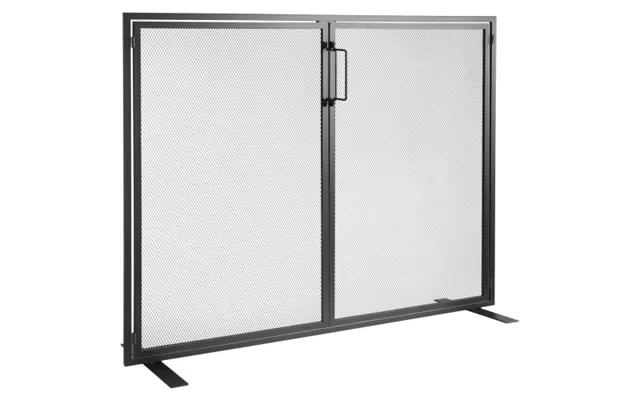
Flat guard screens sit flush against the fireplace opening, creating a sleek, tailored look that suits both modern and traditional rooms. Often made from steel or wrought iron with fine metal mesh, they’re sturdy and effective at stopping sparks. Look for a frame with a little weight so it stays put, especially on smooth hearths. If you want something that almost disappears visually while still doing its job, a flat guard is a strong choice.
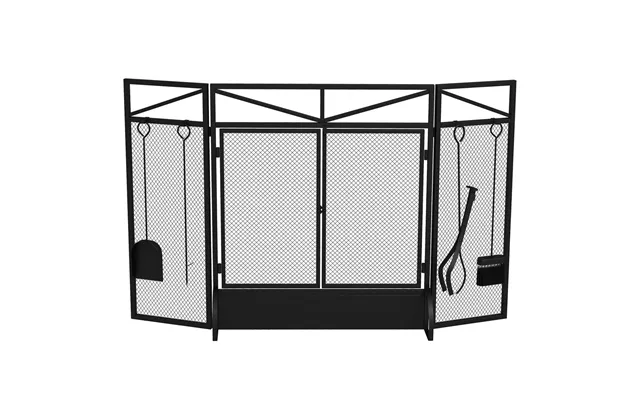
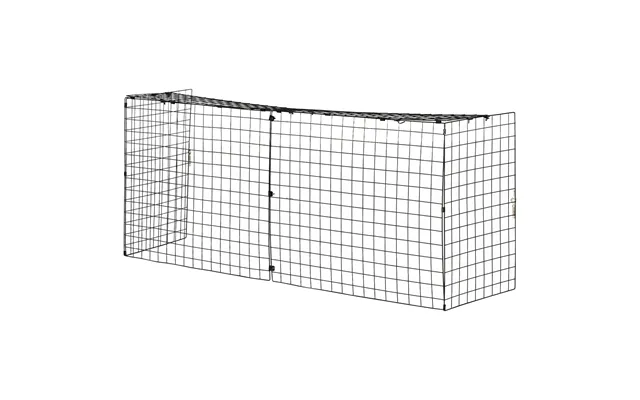
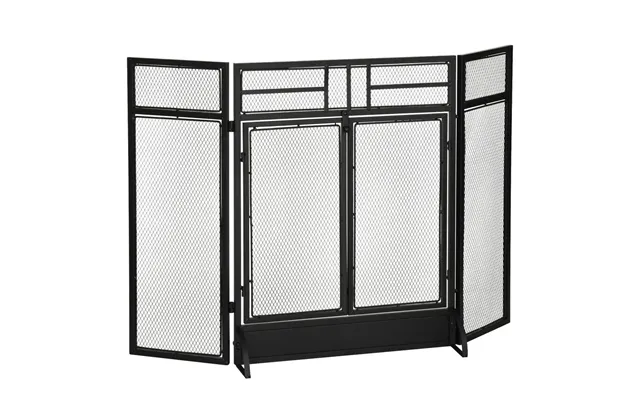
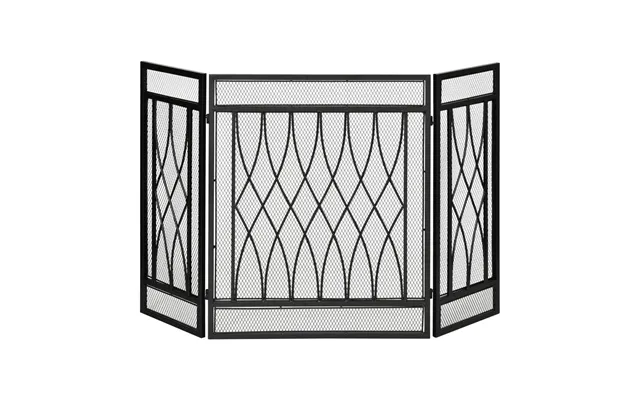
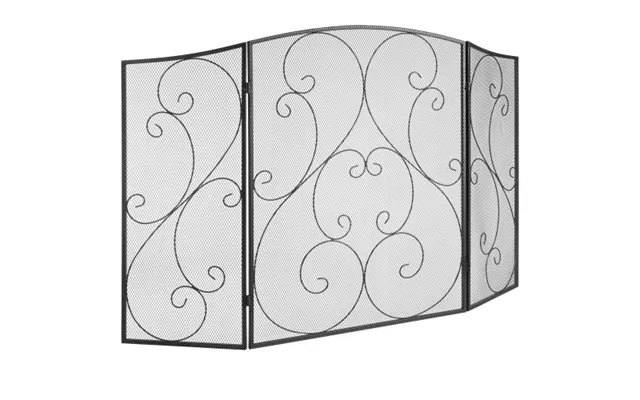
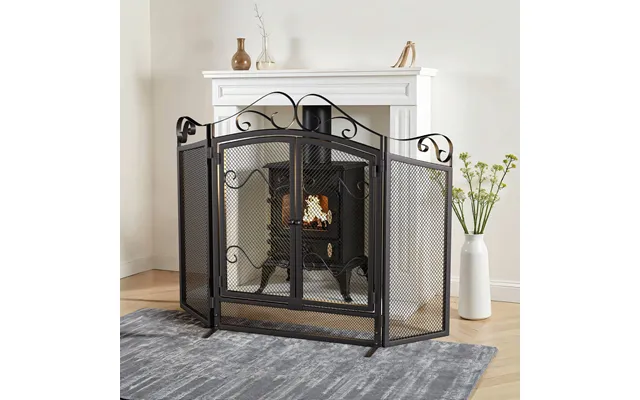
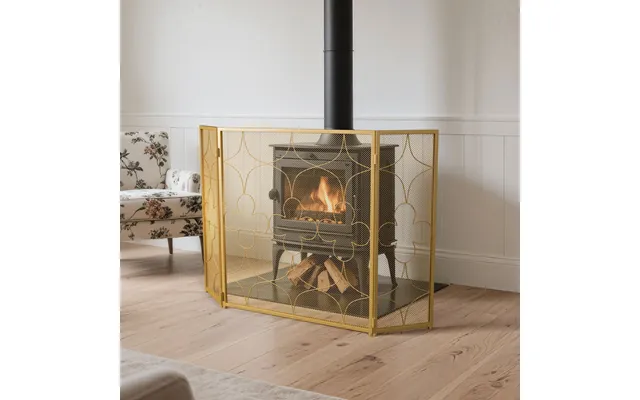
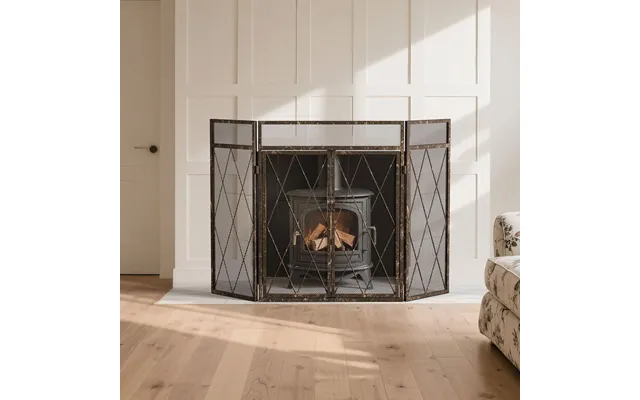
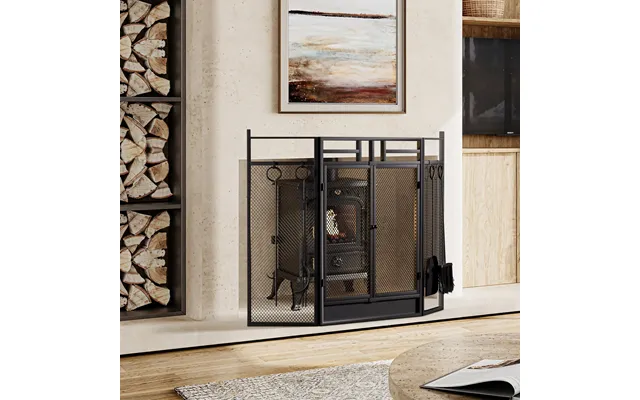
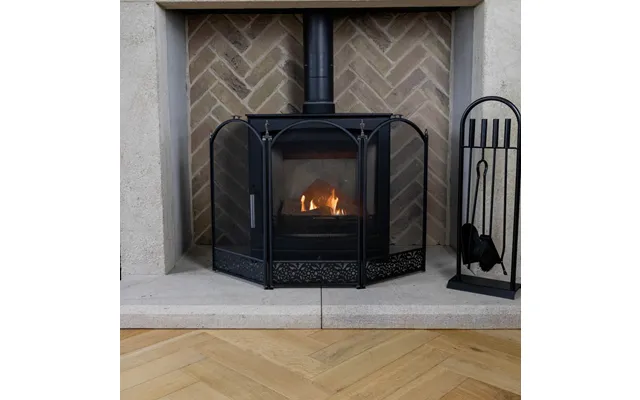
Folding screens are the versatile all-rounders. With hinged panels, you can angle them to cover wider openings or curve them to add depth in front of a shallow hearth. Three-panel designs are common; four-panel screens offer more flexibility and coverage. They’re handy if your fireplace surround is irregular or if you need to position the screen slightly forward for extra safety. Plus, they’re easy to move aside for tending the fire.
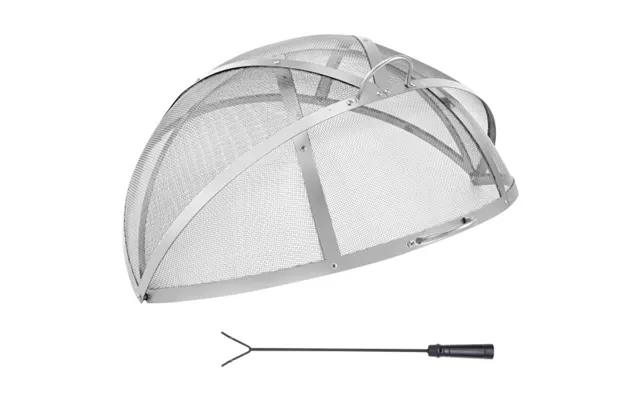
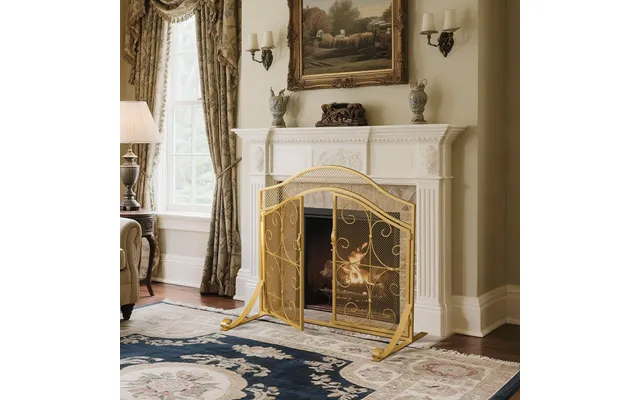
If you have kids or pets, consider a deep, domed spark guard or a tall free-standing fireguard. These typically feature a fine mesh and a rigid frame that encloses the area a bit more than standard screens. The deeper arc helps catch popping sparks and keeps curious paws away. Some models include small doors or handles for convenient access while maintaining a secure barrier.
Want a clean, contemporary look that showcases the flames? Tempered glass screens deliver. They block sparks while preserving sightlines, and the heft of glass lends a premium feel. Choose panels with minimal hardware for a gallery-like aesthetic, or pick frames with brushed or black finishes for a subtle accent. For an even tighter seal and improved efficiency, look at glass fireplace doors, which can help manage drafts when the fire is out.
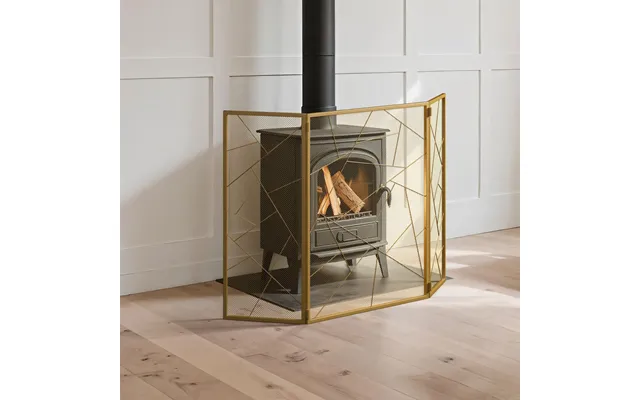
Wood stoves throw serious heat and can sit closer to foot traffic, so a dedicated stove screen or guard is smart. These screens are typically wider and deeper, allowing you to wrap a protective barrier around front and sides. Look for high-stability bases and high-heat finishes, and keep an eye on mesh density to ensure it catches snapping embers without stifling airflow.
Wrought iron and steel are the stalwarts of fireplace screens: strong, heat-tolerant, and beautifully adaptable to different styles. Wrought iron shines in traditional scrollwork and heritage designs, while powder-coated steel suits minimalist frames and geometric lines. Both materials handle daily use well, and a quality mesh insert resists warping under heat. When comparing options, check weld quality and the rigidity of the frame—these determine longevity.
Finish is your style signature. Polished brass brings vintage glow, aged bronze feels understated and cozy, and satin nickel leans modern. Many screens use steel cores with plated or painted finishes, blending durability with design flair. If you love a metallic look but worry about fingerprints, consider matte or brushed finishes for a softer sheen that’s easier to maintain.
The tighter the mesh, the better the spark protection—but too tight and you risk dimming the fire’s glow. A fine steel mesh strikes a good balance, letting light and heat through while catching ember snap. If you burn softwoods that tend to pop, prioritize tight mesh with reinforced edges. For families, pair dense mesh with a deeper frame for extra peace of mind.
Grab a tape measure and note three dimensions: the width of the opening, the height of the opening, and how far the hearth projects from the surround. Allow at least an extra 1 to 3 inches in width and height so the screen overlaps the opening. If you plan to angle a folding screen, ensure you have a few inches of hearth depth to set the feet securely.
Many flat guards range from about 30 to 39 inches wide and 29 to 33 inches tall, while folding screens can stretch wider—often covering 50 inches or more when opened. If your fireplace is tall, look for 35 to 40-inch-high models for fuller coverage. When in doubt, choose the next size up for better overlap, especially with lively fires that spark.
If your living space leans modern, go slim and clean: squared edges, narrow frames, and black or satin nickel finishes that vanish into the background. Tempered glass panels with subtle hardware are on-trend and keep focus on the flames. Pair with a low-profile tool set and a simple log holder for a cohesive look.
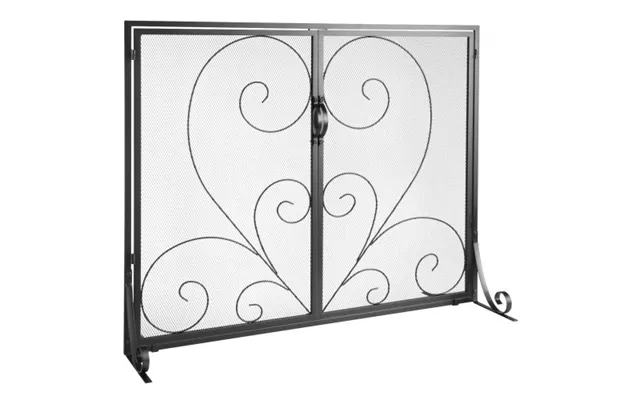
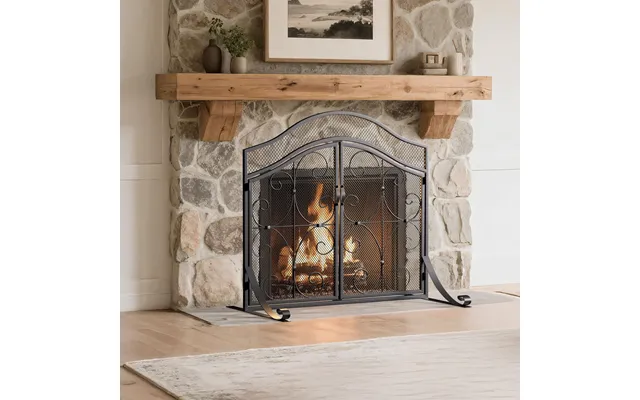
Love a classic British hearth vibe? Arched tops, twist details, and scrollwork in wrought iron deliver timeless charm. A warm bronze or antique brass finish complements stone or brick surrounds beautifully. Add a curved folding screen to echo the arch and soften the lines of the firebox.
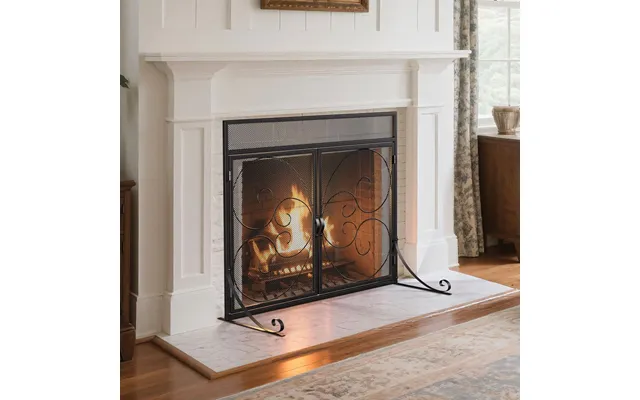
Screens with integrated doors are a smart hybrid: you get easy access for poking logs and adding kindling without shifting the entire screen. Look for magnet latches, sturdy hinges, and handles that stay cool to the touch. This style is practical if you tend your fire often and want a polished, built-in look.
Keep the screen at least a few inches from blazing logs to prevent scorching finishes or overheating glass. Tempered glass is designed to handle heat, but don’t lean tools against it or splash cold water on hot panels. Metal screens should sit steady on a flat hearth; if yours is uneven, consider a screen with adjustable feet for stability.
Got little explorers or wagging tails? Choose a heavier frame that’s tough to tip. For extra security, opt for a deep spark guard with a stable base. Avoid resting toys or baskets against the screen—surfaces can get hot. As a routine, teach kids a “no-go zone” about 2 to 3 feet from the fire and make it a habit for the whole household.
Gas fires often benefit from a simple flat screen for style and a small safety barrier, while electric fires rarely need spark control. If you’re using a screen purely for aesthetics in front of a gas or electric unit, focus on proportion, finish, and how the design complements your surround. Always keep vents unobstructed for proper operation.
Most screens are freestanding—no drilling required. They’re easy to position and great for renters. Glass doors or mounted screens usually require a more permanent fit and are best installed by someone comfortable with measuring and hardware. If you go mounted, confirm compatibility with your fireplace opening and surround material.
With solid flat guards, you’ll pull the screen forward slightly when adding logs. Folding screens make it even easier—swing one panel open and step in. If you choose a screen with doors, check that the latches close securely and that handles stay cool. Keep gloves and a poker within easy reach to minimize fidgeting while the fire’s hot.
Even the best screen isn’t a force field. A spark can sneak through when you’re tending the fire. A fire-resistant hearth rug in front of the screen adds a second line of defense and protects your flooring. Choose a rug that extends at least 18 to 24 inches from the opening for better coverage.
Cool the fireplace completely before cleaning. For mesh, a soft brush and vacuum nozzle remove ash nicely; follow with a damp cloth and mild soap for stubborn soot. Metal frames respond well to a non-abrasive cleaner. If your finish is painted or powder-coated, avoid harsh scouring pads to keep the surface smooth and chip-free.
Soot on glass happens. Use a fireplace-safe glass cleaner or a 50/50 vinegar and water mix, applied to a microfiber cloth rather than directly onto hot glass. Wipe gently to avoid streaks. For baked-on residue, a dedicated glass-ceramic cooktop scraper used lightly can help—always on cool glass to prevent damage.
In damp climates, light rust can creep in. Wipe frames dry after cleaning and consider a thin coat of clear, high-heat metal protectant. If you store the screen over summer, wrap it in a breathable fabric sleeve and keep it upright to prevent warping. Tighten any loose screws at the start of each season to keep hinges and doors working smoothly.
Entry-level screens often start in the £35 to £75 range, covering basic steel frames with simple mesh. You’ll get solid spark protection and clean lines—great for guest rooms, rentals, or a secondary fireplace. At this price, prioritize weld quality and balanced feet so you don’t trade safety for savings.
In the £80 to £180 bracket, you’ll see thicker frames, nicer finishes, sturdier hinges, and design variety—arched tops, scrollwork, and glass panels with better hardware. This is the sweet spot for most homes: durable, stylish, and feature-rich without the luxury markup.
High-end screens and glass doors can run £200 to £600 or more, especially for artisan wrought iron, custom sizes, and heavy tempered glass. Expect excellent fit and finish, unique designs, and long warranties. If your fireplace is the room’s focal point, this investment can transform the space while boosting safety.
A matching tool set—poker, tongs, shovel, and brush—keeps everything tidy and within reach. Look for weighted bases and comfortable handles. Pair with a log holder or basket that matches your screen’s finish. Keeping wood off the floor protects against dirt and keeps the hearth area clean.
Doors create a more permanent barrier and can help reduce drafts when the fire isn’t lit. Screens are more flexible, easier to move, and often more affordable. If you want a custom, built-in finish and better energy control, glass doors are appealing. If you love swapping styles or repositioning as needed, stick with a high-quality screen.
Consider an ash bucket with a lid and a metal shovel to manage cleanup safely. If your fire pops aggressively, adding a denser mesh screen or a deeper curved guard gives you an extra layer of spark control. A small ember mat under your tool set helps catch stray ash when you clean.
When you’re comparing options, weigh frame material, mesh density, finish quality, dimensions, weight, door hardware (if applicable), and stability features like adjustable feet. Don’t overlook practical details such as handle placement and the smoothness of hinges—these small touches impact daily use.
Real-world feedback matters. Reviews reveal how well finishes hold up, whether hinges stay aligned, and if the screen feels sturdy. Prioritize models with a clear warranty—one to three years is common for quality pieces. If you live near the coast or in damp areas, seek mention of rust resistance or powder-coated frames.
Fireplace gear often goes on sale late winter through early spring. You’ll also see pre-season deals in early autumn as homeowners prep for colder weather. Comparing prices across multiple retailers helps you snag the right style at the right price, especially on larger statement screens and glass-door sets.
Pick a slim, flat guard around 30 to 33 inches wide and 29 to 31 inches tall. A black steel frame with fine mesh keeps things airy without crowding the space. Add a small, matching tool set to stay clutter-free.
Go for a deep spark guard or a sturdy 3-panel screen with a weighted base. A screen with doors and magnetic closures makes tending the fire easy without moving the whole frame. Choose a darker, matte finish to hide smudges from curious noses.
Choose a tempered glass panel screen with minimal hardware. Keep proportions generous—aim slightly taller and wider than the opening for a gallery look. Pair with a sleek log holder and tuck tools behind the surround to keep lines clean.
If your screen slides, add discreet, heat-resistant rubber pads under the feet or choose a model with adjustable leveling feet. Angling a folding screen slightly can also create more friction and stability.
Up your cleaning routine during peak season. A quick vacuum pass each week followed by a wipe-down with a mild cleaner keeps mesh and frames fresh. For glass, use a dedicated fireplace glass cleaner and avoid paper towels that can leave lint.
If embers are still escaping, check fit first—does the screen fully overlap the opening? Move the screen closer (safely) and consider upgrading to a denser mesh or a deeper curved guard. Adding a fire-resistant rug in front provides an extra safety net.
Coordinate your screen with existing metal accents—curtain rods, light fixtures, or door hardware. Matching finishes create harmony; mixing matte black with warm brass can also work if you repeat each finish in at least two places in the room.
Add a stack of neatly cut logs, a simple vase, or a framed print above the mantel to make the fireplace a true focal point. Keep décor at least a couple of feet from the fire’s heat path and avoid placing anything flammable near the screen.
In winter, cozy textures and a darker screen feel snug. In warmer months, a glass screen and lighter accents brighten the space. If you like variety, choose a neutral screen and change the surrounding décor with the seasons—it’s the easiest way to refresh the room without replacing hardware.
A fireplace screen does more than keep sparks in check—it sets the tone for your entire living space. From flat guards and folding panels to tempered glass and family-friendly spark guards, there’s a perfect fit for every hearth and budget. Focus on the essentials—size, material, mesh density, and stability—then let style and finish seal the deal. Compare features, read real-world reviews, and time your purchase to catch the best prices. With the right screen in place, you’ll enjoy the glow, skip the worry, and give your fireplace the spotlight it deserves.