All categories
Business & Offices
Electronics & Media
Fashion & Accessories
Groceries & Essentials
Health & Personal Care
Home & Living
Kids & Family
Sports & Outdoors
Search in ZoneOffer

Loading...
Cabinet backplates, also called escutcheons or knob rosettes, are decorative plates that sit between a cabinet door or drawer front and the knob or handle. Think of them as tiny frames for your hardware — they can be as subtle as a 1-inch round disk or as bold as a 6-inch tall ornate plate. Beyond looks, backplates protect the finish around the hole from wear, oils, and scratches, extending the life of your cabinetry while adding a finishing touch that ties a room together.
Why should you care about a small plate behind a knob? Because details matter. Backplates can elevate an inexpensive knob into a design statement, hide imperfections around the mounting hole, and give vintage or minimalist hardware a balanced, intentional look. They also serve a practical purpose: when you open and close cabinets all day, the area around the knob gets smudged and chipped. A durable backplate takes the hit, keeping the visible surface pristine.
The material you choose influences both appearance and durability. Backplates come in metals like brass, stainless steel, and bronze, as well as in wood, ceramic, and even acrylic. Each material carries a different character and maintenance profile — pick one that complements your knobs and withstands how you use the room.
Brass and bronze offer warmth and age beautifully. Polished brass can be shiny and glamorous, while aged brass and oil-rubbed bronze give a lived-in, vintage charm. They’re ideal for traditional kitchens, period bathrooms, or anywhere you want a rich, tactile finish. Expect a patina over time that many designers prize.
For a modern, sleek look, stainless steel or satin nickel is an excellent pick. These finishes resist corrosion and fingerprints if you choose brushed variants. They pair well with contemporary pulls and chrome faucets, and they’re often a top choice for utility-heavy rooms like mudrooms or kitchen prep areas.
Wood backplates can match cabinetry for a seamless, built-in look, or contrast for a rustic appeal. Ceramic and glass backplates are more decorative and work well in bathrooms or furniture pieces where moisture and heavy use are less of an issue. There are also composite materials and powder-coated metals that give you color options without sacrificing durability.
Backplates are tiny stylistic powerhouses. A slim 1/2-inch round backplate with a modern knob creates a streamlined, Scandinavian vibe. A scalloped 4-inch tall backplate behind a porcelain knob reads Victorian or cottage. If your home is an eclectic mix, you can even mix styles — try modern pulls with vintage-inspired backplates for a curated look. Always consider scale: a large, ornate backplate can overwhelm small, narrow cabinet doors, while a tiny rosette looks lost on wide shaker-style doors.
Before you buy, measure. For knobs, backplates typically range from about 1/2 inch up to 6 inches in diameter or height. For pulls, they can be rectangular plates that range from 1 inch by 4 inches to wider plates that span 8 inches or more. Measure the distance from the door edge to the center of the existing hole in inches, and ensure any new backplate and hardware won’t interfere with adjacent doors or drawers. If you’re replacing hardware, map the current hole spacing and check that new backplates cover any wear marks or extra holes.
Drawer pulls often use center-to-center hole spacing like 3 inches, 3-3/4 inches, 5 inches, or 6 inches. When swapping hardware, keep those measurements in inches handy to avoid extra drilling. For knobs over drawers or doors, ensure the backplate diameter is large enough to cover the original hole or imperfect paint around it.
Installing backplates is a weekend-friendly upgrade. You don’t need to be an expert — a drill, a screwdriver, and a little patience will do. Below is a clear sequence so you can add backplates with confidence and keep the rest of your cabinetry pristine.
Gather a tape measure (in inches), a pencil, a drill with small bits, a screwdriver, and possibly wood filler if you need to repair old holes. Soft felt pads or painters’ tape can protect finishes while you work. If your new hardware comes with longer screws, keep the old screws as backups in case the new ones are too long for the door thickness.
1) Remove the existing hardware carefully, keeping screws and parts together. 2) Clean the area and, if necessary, fill any old holes you don’t want visible. 3) Align the backplate so the hole(s) match the door’s mounting point in inches from the edge. 4) Place the knob or pull through the backplate and fasten from the inside with the supplied screws. 5) Check alignment and tighten, but don’t overtighten or you risk stripping. Finish by wiping fingerprints and checking the door operation.
Avoid using screws that are too long — they can puncture the interior or scratch adjacent surfaces. Don’t overtighten metal backplates on soft wood, or you may crack the finish. And before drilling new holes, double-check measurements; a misplaced hole can be obvious and costly to repair.
Coordinating hardware is about balance. If you have a bold, ornate backplate, choose a knob that’s proportionate. For minimalist kitchens, slim backplates and linear pulls create a clean line. It’s often wise to match metal families — pair brass backplates with brass knobs rather than clashing metals — unless you’re intentionally creating contrast. Also, consider the finish sheen: matte with matte, polished with polished, or mix polished knobs with brushed plates for a layered look.
Use backplates when you want to cover up wear and tear or when the knob needs visual grounding on a large door. They’re great for children’s rooms where hands leave marks, vintage builds where multiple hardware holes exist, or rental flips where a quick cosmetic uplift can boost appeal. Backplates are also a smart move when the cabinet paint is soft or prone to chipping around frequently used knobs.
Kitchen: Choose sturdy metal backplates in satin or brushed finishes that can take daily use and frequent cleaning. Bathroom: Ceramic or polished brass backplates pair beautifully with classic vanities; opt for corrosion-resistant metals. Bedroom: Consider decorative, period-appropriate backplates to give a dresser or wardrobe a boutique touch. Entryway and Mudroom: Durable finishes like stainless steel or powder-coated plates stand up to heavy use and outdoor grime.
Prices for backplates vary widely. Simple rosettes can cost just a few dollars each, while hand-crafted or antique backplates might run tens or even hundreds. If you’re upgrading a whole kitchen, calculate per-door costs in inches and scale accordingly; a single premium backplate may be worth the extra for focal pieces like a pantry door. Compare options across multiple retailers and specialty hardware suppliers to find the best match between price and quality.
Buying a coordinating hardware set is convenient — you’ll get uniform finishes and matching design language. But mixing and matching can create a curated, custom feel. If you mix, keep two unifying elements like finish and scale consistent. For instance, a bathroom could have matching tap finishes and backplates while drawer pulls vary slightly in shape but maintain the same nickel tone.
Keep backplates looking fresh by wiping them with a soft cloth and a mild cleaner. Avoid abrasive pads on plated finishes — they remove protective layers. For brass that develops a patina you don’t want, a gentle metal polish restores shine; for fixed patina, leave it be — it’s part of the character. Wood backplates benefit from occasional oiling or wax, measured in inches applied to the surface with a soft cloth.
If sustainability matters to you, look for reclaimed metal or salvaged antique backplates. Some manufacturers use recycled brass or offer powder-coated metals that reduce volatile organic compounds (VOCs). Buying durable, high-quality backplates also reduces waste — a heavy-duty metal plate will likely outlast cheaper versions and reduce replacement frequency.
Want something unique? Custom backplates let you match trim details, reproduce historical shapes, or add monograms. Specialty backplates with integrated backlighting or keyed locks exist for furniture and cabinetry that requires extra function. Custom work often requires longer lead times and careful measurement in inches, but the result can be a distinctive focal point.
If your new backplate doesn’t align with existing holes, don’t panic. Options include using larger backplates to conceal old holes, filling and repainting old holes before installing the new hardware, or drilling new holes if you’re comfortable doing so. Always check door thickness and screw length — screws that are too long can protrude inside a cabinet and cause problems.
Current trends lean toward mixed metals, aged finishes, and statement hardware. Backplates with geometric cuts or asymmetrical shapes are attracting attention in modern kitchens, while farmhouse and vintage looks keep scalloped and rosette styles popular. If you prefer timeless looks, lean toward classic shapes in muted finishes like satin nickel or antique brass.
Small changes can dramatically shift a room’s vibe. If you’re uncertain, start with a single focal piece — the pantry or appliance cabinet — and test a backplate there. Seeing it in situ helps you decide whether to roll the look out across the cabinetry. Keep a sample on hand; physical texture and sheen often look different in person than online photos suggest.
Cabinet backplates are a low-cost, high-impact way to refresh cabinetry. Whether you’re renovating a kitchen, updating a bathroom, or giving furniture a facelift, the right backplates do the heavy lifting when it comes to style and protection. With the right measurements in inches, the right finish, and a little patience during installation, you can transform ordinary hardware into a polished, cohesive design detail.
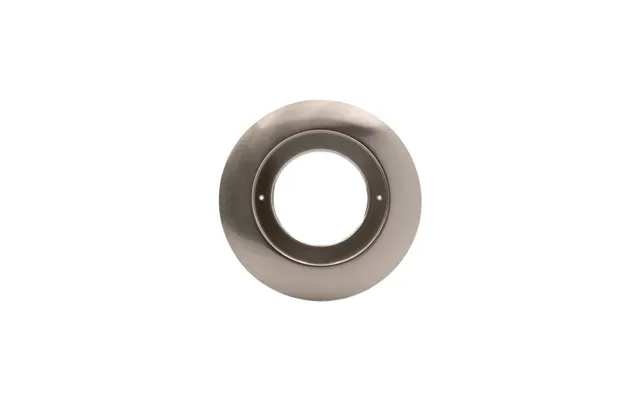
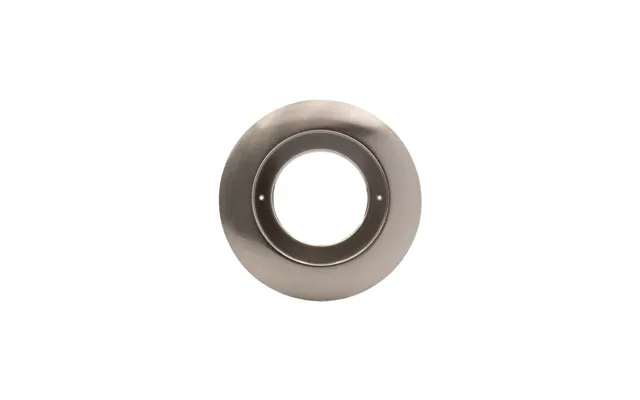
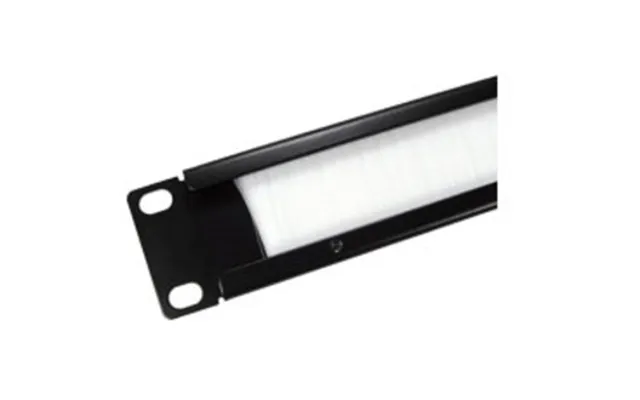
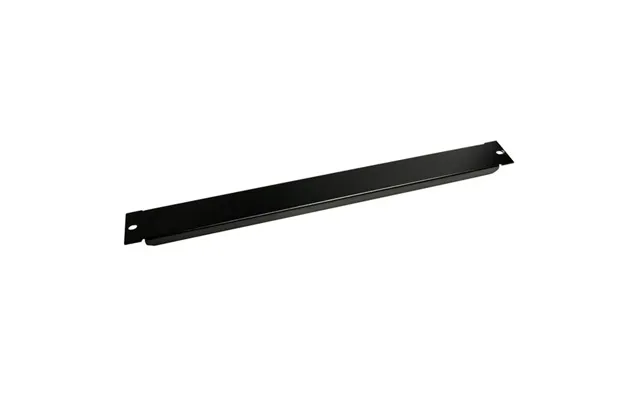
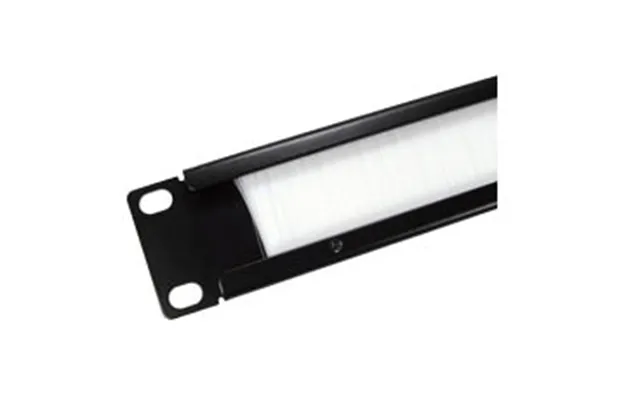
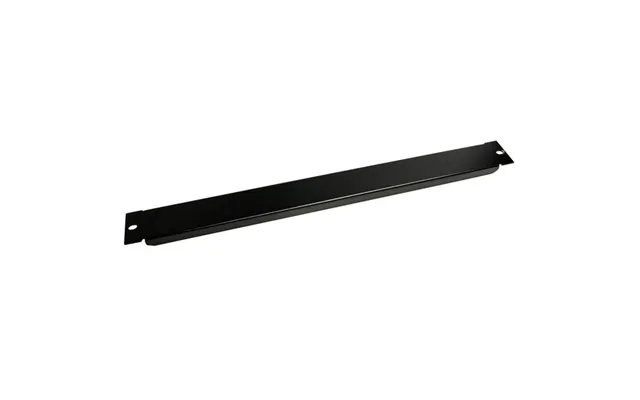
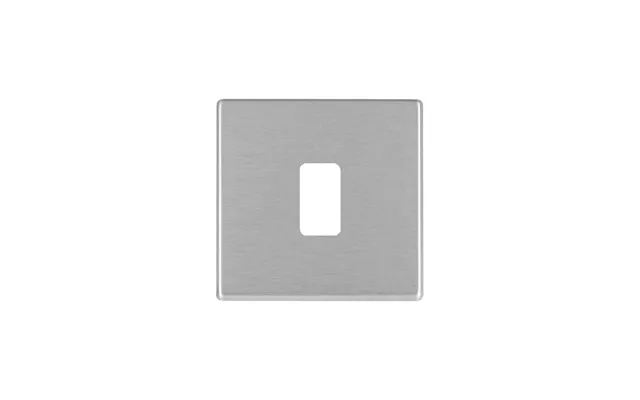
| Cabinet Backplates | Price | |
|---|---|---|
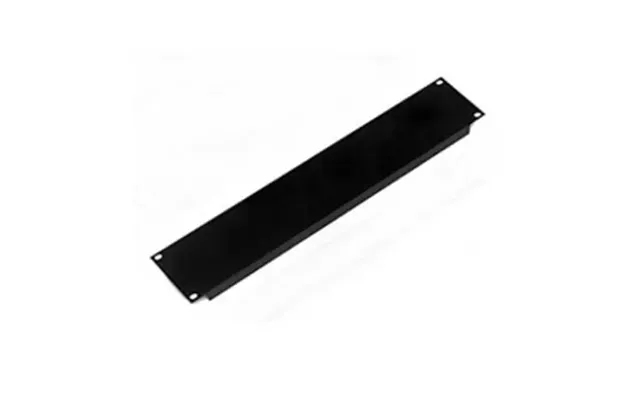
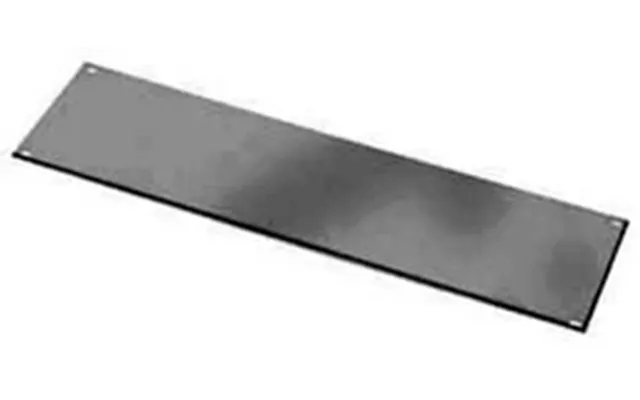
| Penn Elcom R1268 2uk Rack Accessory Blank Panel | £ 9,71 | |
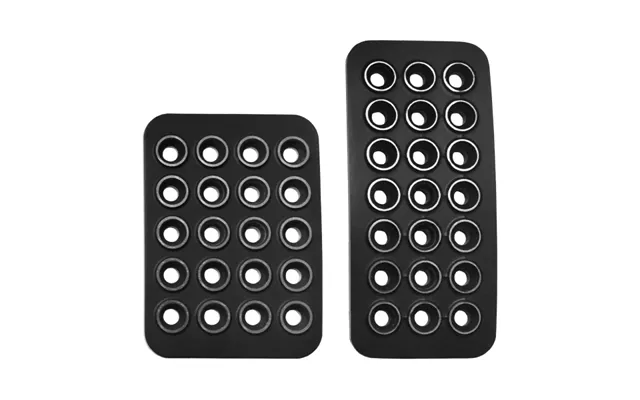
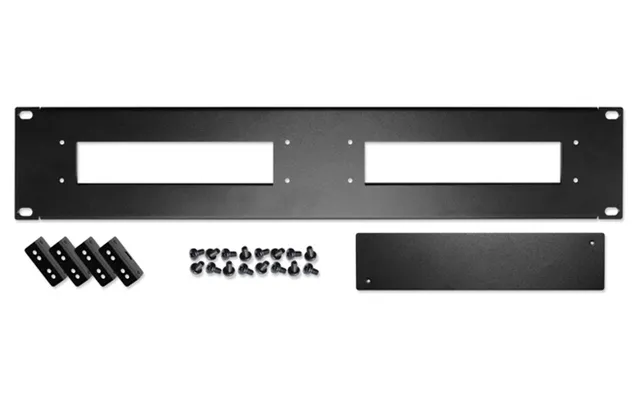
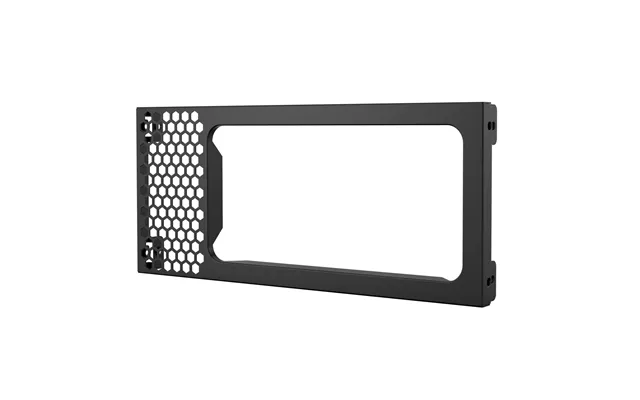
| Asetek Invicta | £ 43,49 | |
| Asetek Invicta | £ 43,49 | |
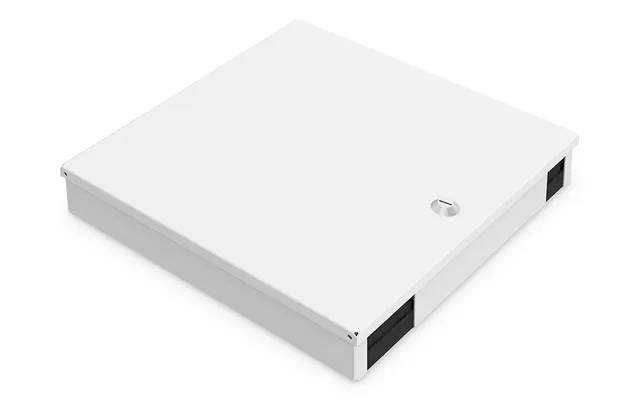
| Digitus Fiber Optic Unibox For Wall Mounting. Medium | £ 49,69 | |
| Digitus Fiber Optic Unibox For Wall Mounting. Medium | £ 49,69 | |
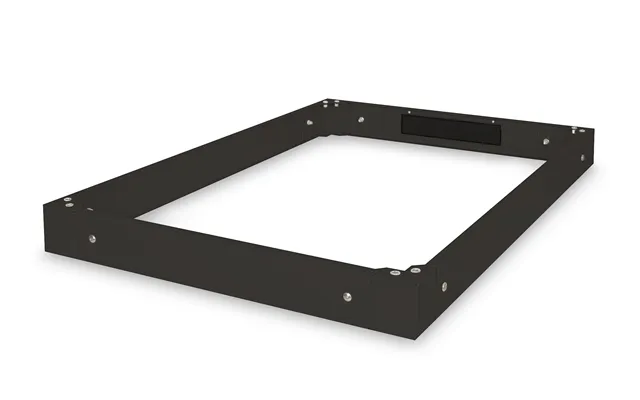
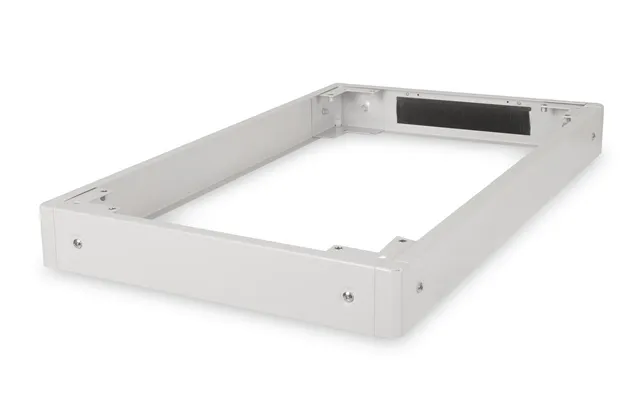
| Digitus Base For Unique Network & Dynamic Basic Cabinets - 600x100 | £ 149,- | |
| Digitus Base For Unique Network & Dynamic Basic Cabinets - 600x100 | £ 149,- |