All categories
Business & Offices
Electronics & Media
Fashion & Accessories
Groceries & Essentials
Health & Personal Care
Home & Living
Kids & Family
Sports & Outdoors
Search in ZoneOffer
Loading...
If you’ve ever wrestled with a cupboard door that won’t stay shut, or been annoyed by a cabinet that slams like a car door, you know how much a small piece of hardware can affect your daily life. Cabinet catches are those unsung heroes that keep doors closed, soften slams, and give your kitchen, bathroom, or workshop a polished finish. Think of them as the seatbelts of your cabinetry—small, often invisible, but essential for safety and smooth operation.
At its core, a cabinet catch is any device that helps a door or drawer stay closed, latch securely, or open smoothly on command. They range from simple magnets to sophisticated soft-close mechanisms. Whether you’re fixing a rattling pantry door or upgrading a high-end kitchen, choosing the right catch can make your cabinets feel brand new without replacing the whole unit.
There’s a surprising amount of variety in cabinet catches. Each type brings a unique mix of convenience, strength, and style. Below are the most commonly used options you’ll encounter when shopping or comparing offers.
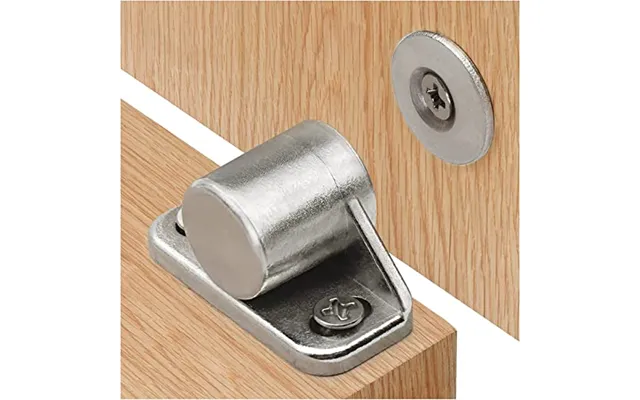
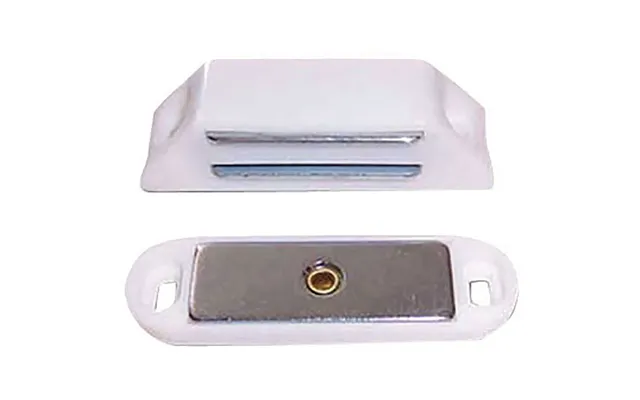
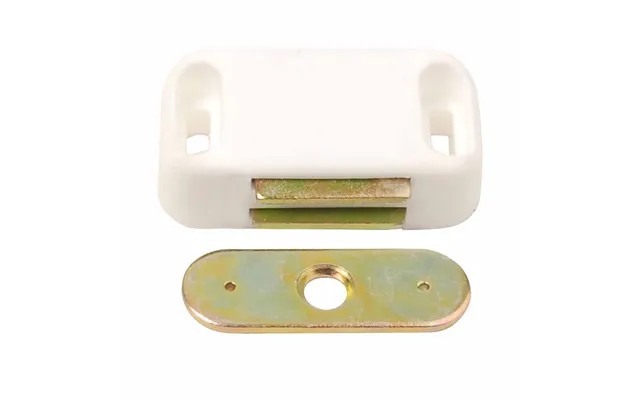
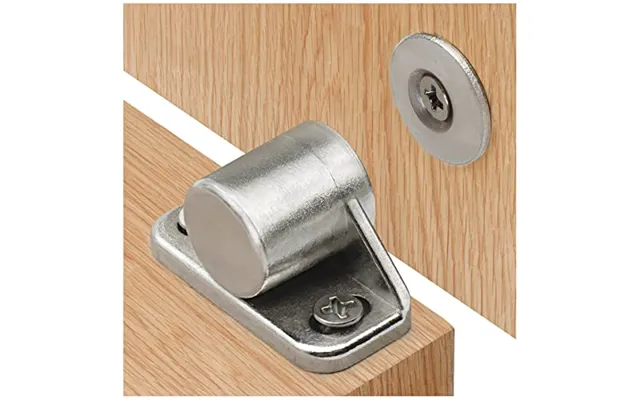
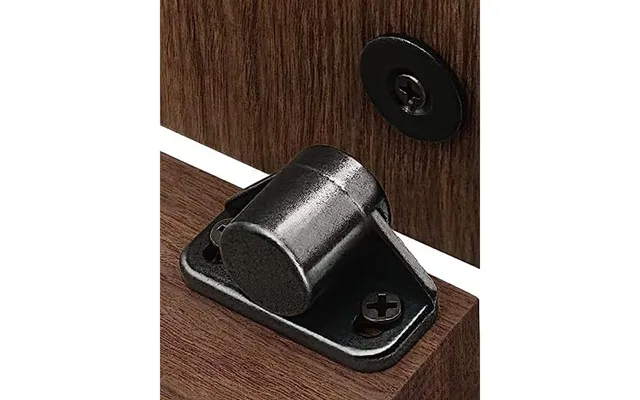
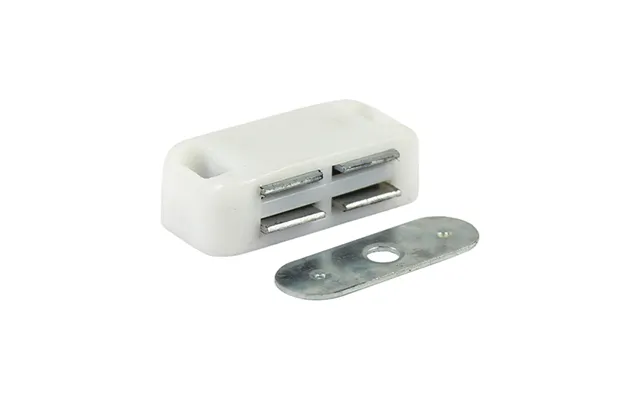
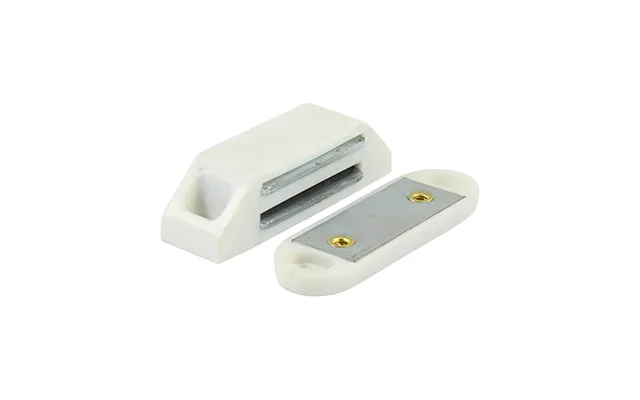
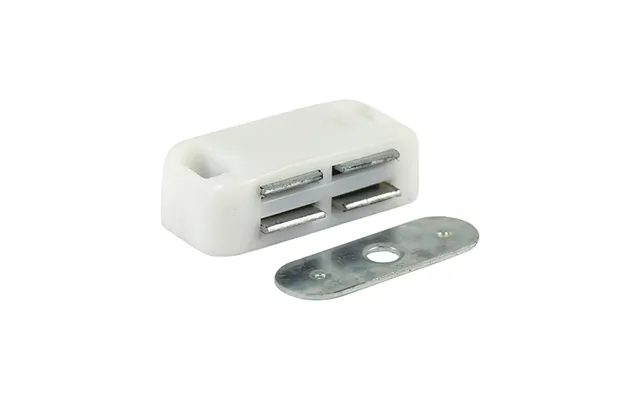
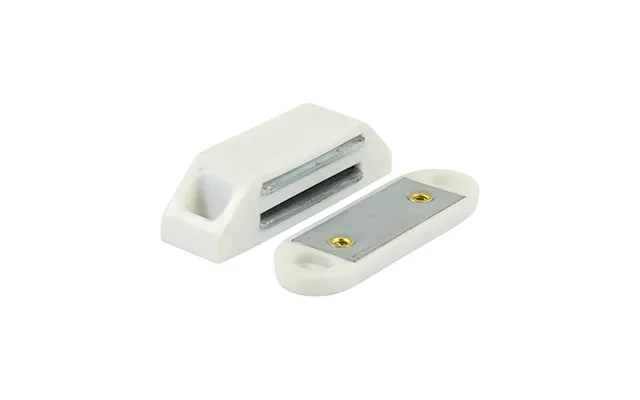
Magnetic catches are the workhorses of the cabinet world. They use a magnet and a metal plate to keep doors shut and are easy to install. You’ll find them in kitchens, bathrooms, and utility rooms because they provide a firm hold without complicated moving parts. If you want reliability with straightforward installation, magnets are often your best bet.
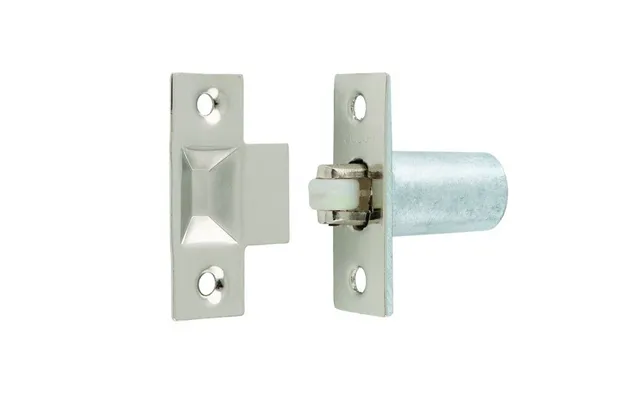
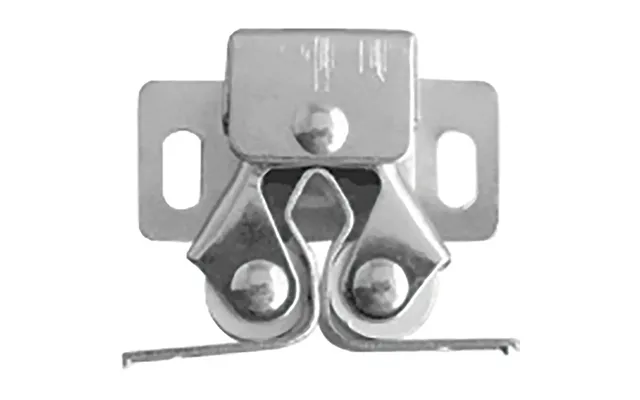
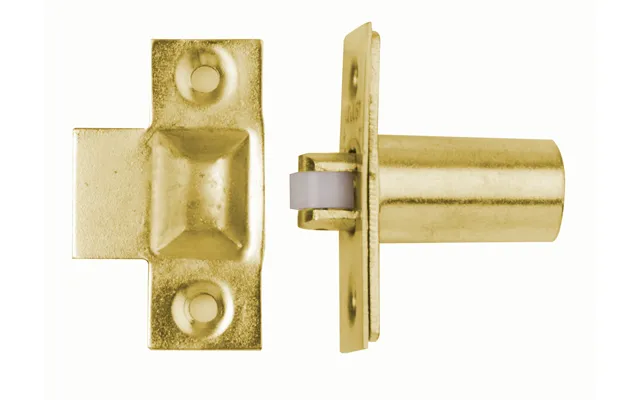
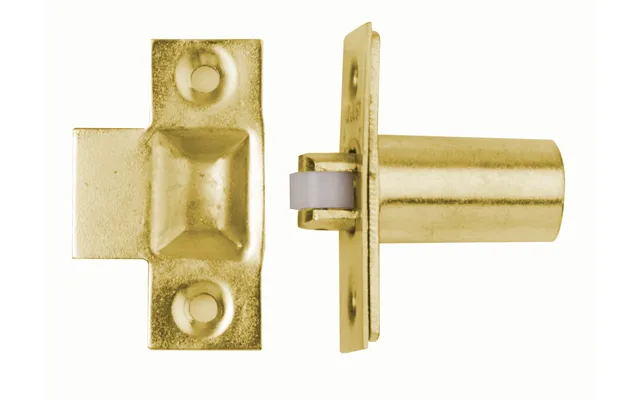
Roller catches use a spring-loaded roller that snaps into a strike plate. They’re great for lightweight doors and offer a tactile “click” when the door closes. Think of them like a gentle handshake—the door is guided and held, but it’s not meant for heavy-duty use. Roller catches are also adjustable, so you can fine-tune the force needed to open a door.
Ball catches are compact and hidden inside the top edge of a door, which makes them ideal for frameless cabinet doors or double doors. A spring-loaded ball sits in a socket on the cabinet frame and offers a smooth latching action. They’re a tidy solution when you want minimal visible hardware.
For a modern, handle-free aesthetic, push-to-open catches are a favorite. Press the door and it pops open a fraction of an inch so you can pull it the rest of the way. These are perfect for sleek kitchen fronts or child-safe cabinets. There’s a satisfying minimalism to them—no handles, no fuss.
Soft-close mechanisms prevent slamming by slowing the door as it reaches the closed position. Usually integrated into hinges or drawer slides, soft-close is a premium upgrade that adds a smooth, high-end feel to any cabinet. It’s like replacing a cheap car door with one that shuts with a dignified whisper.
Choosing the right catch is about balancing function, form, and budget. Start by asking a few simple questions: How heavy is the door? Will the catch be visible? Do you want handles or a handle-free look? The answers will guide whether you pick a magnet, a ball catch, or a soft-close hinge.
Heavy solid-wood doors need stronger catches—look for products rated to hold a certain weight or force, often listed in pounds. Lighter materials like MDF or laminate may work fine with roller or magnetic catches. Always check the manufacturer’s specs and, when in doubt, over-engineer slightly to avoid sagging and misalignment over time.
In a busy kitchen where cabinet doors are opened dozens of times a day, durability matters. Soft-close hinges and robust magnetic catches withstand frequent use better than delicate ball catches. For rarely used cabinets, a simple roller or ball catch might be perfectly adequate and more budget-friendly.
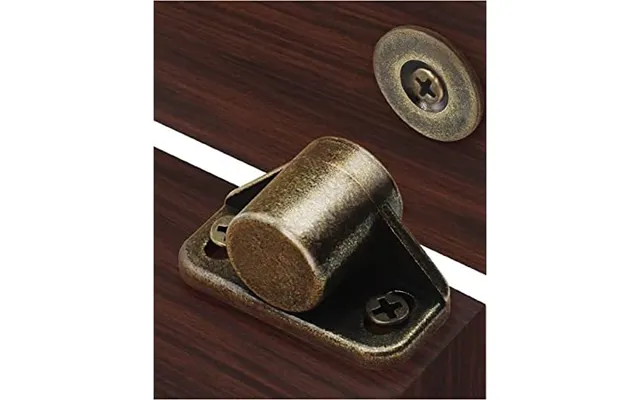
If you’re going for a clean, contemporary look, concealed catches like ball catches or push-to-open mechanisms keep lines uninterrupted. For rustic or industrial styles, visible hardware—think decorative catches and labeled pulls—can add character. Match the finish of any visible catches to your pulls and hinges for a cohesive result.
Installing most cabinet catches is a weekend DIY job if you have a few basic tools. A drill, screwdriver, tape measure, pencil, and possibly a chisel will cover most installations. If you’re installing soft-close hinges or concealed catches, a template or jig can speed things up and improve accuracy.
Before you begin, gather: a power drill with 1/8" to 1/4" drill bits, a Phillips screwdriver, a measuring tape, a center punch, wood screws (usually provided), and masking tape. A level and a square help ensure doors align correctly. If you prefer, use painter’s tape to prevent finish damage while marking holes.
Mark the position on the cabinet frame and the inside of the door. Pre-drill pilot holes about 1/8" smaller than the screw diameter to prevent splitting. Screw the magnet plate to the inside of the cabinet and the metal striker to the door, then test and adjust for a flush and secure fit. It typically takes 15–30 minutes per door.
These catches are often adjustable—turning a screw or moving the strike plate changes how tightly the door closes. Start with a light setting and increase tension until the door stays shut reliably without requiring excessive force to open. Small adjustments can make a big difference in everyday use.
Cabinet catches are low-maintenance, but they do wear. A quick tune-up every year can save you headaches later. Tighten loose screws, clean magnetic surfaces, and check alignment so doors don’t scrape or drag. If a catch fails, replacing it is usually quicker and cheaper than attempting a repair.
If a door won’t stay shut, check whether the strike plate has shifted or the screws have loosened. For doors that slam, install or service a soft-close hinge. Sticky doors may just need lubrication on hinges or a new magnetic catch. Always inspect for worn screws or stripped holes and replace them if needed.
When comparing cabinet catches—especially across different retailers—you’ll want to filter for a few key features: adjustability, holding force (often shown in pounds), concealed versus surface-mounted, corrosion resistance for bathrooms, and easy installation. These features help match the catch to the cabinet’s use and environment.
Holding force is commonly given in pounds. For lightweight doors 1–5 lbs of holding strength may suffice; heavier cabinet doors or exterior gates may need 10 lbs or more. Also, look for materials like stainless steel or nickel-plated finishes, especially in moisture-prone areas to prevent rust and maintain smooth action.
Concealed catches hide inside the cabinet for a clean look, while surface-mounted catches are visible and often easier to install. Concealed options are best for modern, minimalist designs, but surface-mounted catches can be a practical choice for workshops or utility rooms where ease of access matters more than aesthetics.
You don’t always need the most expensive hardware to get great performance. Basic magnetic and roller catches are affordable and reliable, while premium soft-close systems and high-end concealed mechanisms deliver refinement and longevity. Think of it as choosing between a dependable commuter bike and a smooth-touring road bike—both will get you where you want to go, but one offers extra polish and comfort.
Cheaper catches are great for short-term fixes or low-use cabinets, but frequent-use areas benefit from spending a bit more on robust hardware. A premium hinge or soft-close system can extend the life of your cabinet doors and reduce the need for adjustments later, making it a smart long-term investment.
If sustainability matters to you, look for catches made from recycled metals or those with finishes that avoid toxic coatings. For homes with children, choose catches that prevent doors from slamming shut and pinch-proof hinges that reduce the risk of little fingers getting trapped.
Comparison platforms and review sites can be your best friend when hunting for the right catch. They aggregate products, show current offers, and let you compare specs like holding force and material. Local hardware stores are also useful for hands-on comparison—sometimes touching the hardware seals the decision when online photos don’t tell the whole story.
Measure twice, buy once. Check door thickness and frame dimensions, note hinge type and mounting options, and buy spare catches if you’re updating multiple doors. Also, keep a small parts kit with extra screws and strike plates; it saves time when you’re mid-project and discover a missing component.
Upgrading or replacing cabinet catches is one of those small home improvements that delivers big returns. It enhances functionality, increases safety, and elevates the overall feel of your space. Whether you choose a simple magnetic catch, a sleek push-to-open latch, or a high-end soft-close system, the right hardware will make your cabinets more pleasant to use every single day. Take your time to measure, compare features like holding force in pounds, and consider both budget and long-term durability when deciding.