
Gas Hoses price list
Last updated Friday, 18 Sept 2026
| Gas Hoses | Price |
|---|---|
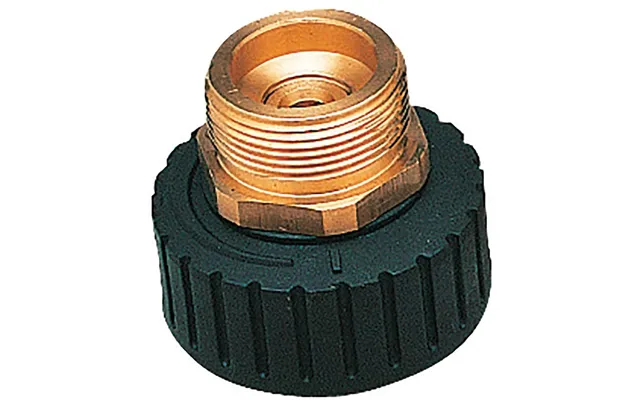
| Adaptor To Fit Multigas 300 European Taymar Cylinder | £30.24 |
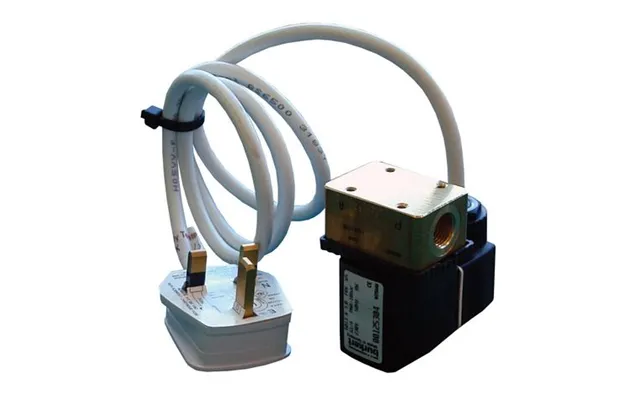
| Co2 Solenoid - Co2 Kit Solenoid Only | £84.99 |
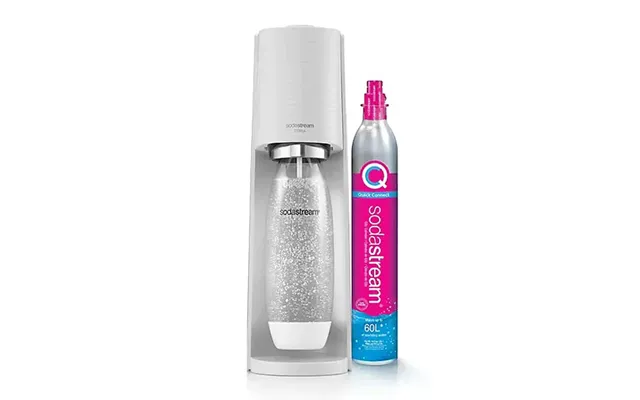
| Sodastream Terra Starter Kit - White | £129.85 |





View 4 Offers
Loading...
Last updated Friday, 18 Sept 2026
| Gas Hoses | Price |
|---|---|
| Adaptor To Fit Multigas 300 European Taymar Cylinder | £30.24 |
| Co2 Solenoid - Co2 Kit Solenoid Only | £84.99 |
| Sodastream Terra Starter Kit - White | £129.85 |
If you’ve ever fired up a barbecue, powered a patio heater, or run a camping stove, you’ve already relied on a humble hero: the gas hose. It carries propane or natural gas from a source to your appliance, and while it might look simple, the right hose makes all the difference in safety, performance, and longevity. The good news? With smart comparison of deals and a quick understanding of types, sizes, and fittings, you can pick a gas hose that fits your setup like a glove and avoid headaches down the road.
Not all gas hoses are created equal. Some are built for propane cylinders on grills; others are designed for low-pressure natural gas lines feeding patio heaters or outdoor kitchens. Understanding what you’re connecting—and how—helps you find the right style, material, and fitting without guesswork.
Propane (LPG) and natural gas are cousins, not twins. Propane cylinder systems typically run at low pressure after a regulator reduces the tank pressure to about 11 inches water column (roughly 0.4 psi). Natural gas for domestic outdoor appliances often sits around 7 inches water column (about 0.25 psi). Most hoses are rated well above those pressures, but the fittings and regulators differ. If you’re connecting to a propane bottle, look for hoses compatible with propane regulators and common sizes like 3/8 inch or 1/2 inch connections. For plumbed natural gas lines, verify your hose is approved for natural gas and matches the appliance’s inlet—often a 3/8 inch flare or quick-connect setup.
Rubber hoses are flexible, affordable, and common for grills, camping stoves, and portable heaters. They’re easy to route and simple to replace. Stainless-steel braided hoses add a protective mesh around the inner tubing that resists abrasion, kinks, and UV exposure. If your hose runs through a busy area or rubs against edges or brickwork, a braided model brings extra durability and peace of mind. Think of it like the difference between a basic garden hose and a heavy-duty one that won’t scuff or snag when dragged across the patio.
Quick-connect hoses are the plug-and-play champs of the gas world. They let you snap appliances on and off without tools—perfect for modular outdoor kitchens or when you switch between a BBQ and a patio heater on the same line. Threaded connections (like 3/8 inch flare or 1/2 inch NPT) require wrenches but offer a sturdy, time-tested seal. If you plan to connect and disconnect frequently, go quick-connect. If you’re setting and forgetting, threaded might be the simpler, more traditional path.
Choosing a gas hose isn’t just about material and fittings. Length and internal diameter impact performance and safety, especially for higher-BTU appliances or longer runs. A bit of planning here prevents underpowered burners and pressure drop.
Shorter is usually better for maintaining steady pressure, but you also need practical reach. For portable grills, a 3 ft to 6 ft hose keeps the regulator and bottle at a safe distance while avoiding a snarl of tubing. Patio heaters and fire pits often use 10 ft to 12 ft to position the gas source neatly. For built-out spaces or RV/camping setups, 15 ft to 25 ft can make sense—just check the appliance’s BTU draw and the hose’s capacity. If you catch yourself stretching the hose like a bungee cord, it’s too short; size up to keep stress off fittings and avoid trip hazards.
Most common outdoor appliances run happily on 3/8 inch hoses. Higher-output burners, multi-burner grills, or long runs may benefit from 1/2 inch to reduce pressure drop and keep flame performance consistent. If your grill sputters when all burners are on high, it might be underfed. Think of diameter like the width of a road: a wider lane handles more traffic without backups. Check the appliance’s BTU rating and manufacturer guidance, then match the hose size to the flow needed. When in doubt, a qualified professional can confirm your sizing, particularly for permanent lines.
Safety should be your North Star with anything gas-related. Look for hoses and accessories that are clearly marked for gas use, show pressure ratings in psi or inches of water column, and include approval marks or compliance statements relevant to the UK market. For any fixed or plumbed installation, only a competent, legally authorized professional should carry out the work. If you see cracks, stiffness, or sun damage on an older hose, replace it—rubber doesn’t last forever outdoors. Always position cylinders upright, keep hoses away from hot surfaces, and avoid sharp bends that pinch the line.
A hose rarely works alone. Regulators tame pressure, adapters bridge fitting types, and shut-off valves add a quick safety stop. Planning your setup with the right accessories keeps your system neat, efficient, and safe.
Most domestic appliances need a low-pressure regulator—commonly about 11 inches water column for propane or around 7 inches water column for natural gas systems. Some specialty burners (like certain wok stations or turkey fryers) may use higher-pressure propane regulators, but only if the appliance is designed for it. Check BTU capacity on the regulator; it should meet or exceed your appliance’s demand. A regulator that’s undersized is like trying to breathe through a straw while sprinting—starved for flow, it just won’t perform.
You’ll encounter 3/8 inch flare, 1/2 inch NPT, quick-connect couplers, and propane cylinder connections. Flare fittings seal on the metal flare itself—do not use thread tape on those. For NPT pipe threads, apply gas-rated yellow PTFE tape or suitable pipe dope, but only on the threads. Quick-connect sets include a socket and a plug; match brands and sizes for a secure latch that shuts off automatically when disconnected. If you’re adapting between propane and appliance threads, use purpose-made adapters, never a makeshift workaround.
Before you even grab a wrench, walk through the route in your head. Avoid tight turns, hot exhaust paths, and pinch points. Keep hoses visible and accessible, not buried or run under door thresholds. Hand-tighten first to ensure threads start cleanly; then snug with wrenches without over-torquing. After connecting, secure the hose with clips where it might rub. If anything feels forced, stop and reassess—gas connections should go together smoothly when sized and aligned correctly.
Once connected, test for leaks with a soapy water solution brushed over each joint. Open the gas slowly and watch for steady bubbles—a sign of a leak. Never test with a flame. If you find a leak, shut off gas immediately and re-make the joint or consult a professional. Periodically inspect hoses for cracks, flattening, or brittleness, especially after winter storage. Cover or coil hoses neatly when not in use, and keep them off hot surfaces. A quick visual check before each use takes seconds and could save you from a scary surprise.
Whether you’re flipping burgers, warming a patio, or brewing coffee in the wild, the right gas hose brings convenience and safety together. Here are common scenarios and what typically works well in each.
For propane grills, a 3 ft to 6 ft rubber hose with a propane regulator is the classic choice. If you’re integrating a built-in grill to a natural gas line, quick-connect hoses simplify seasonal removal or service. Multi-burner grills with sear stations and rotisserie burners may benefit from 1/2 inch hoses to keep flame strength consistent. When building an outdoor kitchen, consider a quick-connect manifold that allows you to swap appliances without tools—just remember to size hoses to each device’s BTU demand.
Patio heaters often sit a few feet from the gas source, so 10 ft to 12 ft hoses are common for neat placement. Choose braided hoses if the line passes near chair legs or along rough stone where abrasion is likely. For fire pits, route hoses out of direct heat and protect them in high-traffic areas. If you want a tidy, seasonal-friendly setup, quick-connects let you store the hose and appliance separately without fuss.
Camping setups love flexibility. Short propane hoses that link a bottle to a dual-burner stove are easy to coil, while 10 ft options add reach for wind shelter or table placement. Always keep cylinders upright and outside enclosed spaces, and use approved regulators suited to your stove. For RV or caravan appliances, consult manufacturer guidance on hose size and connection type—quick-connects can speed up changeovers when you’re on the move.
Value isn’t just about the lowest price—it’s about the right spec and solid build. Budget rubber hoses can be excellent for light, occasional use when kept out of harm’s way. Pay more and you’ll often get stainless-steel braiding, reinforced liners, and premium fittings that stand up to abrasion, sunlight, and frequent handling. If your hose lives outdoors full-time or you connect/disconnect often, those upgrades can pay for themselves in longevity and peace of mind. Whichever you choose, aim for clearly labeled ratings and a reputable brand with a track record in gas hardware.
Comparing gas hose deals in the UK is the fastest way to spot savings on like-for-like products, from standard 3/8 inch propane hoses to braided quick-connect kits. On a trusted comparison site, you can filter by length (say 3 ft, 6 ft, 10 ft, 12 ft, or 25 ft), material (rubber or stainless braided), connection type (quick-connect, 3/8 inch flare, 1/2 inch NPT), and intended fuel (propane or natural gas). You’ll quickly see popular offers, bundles that include regulators or adapters, and price lists that help you match features to your budget. Rather than jumping at the cheapest listing, compare rating labels, pressure specs in psi or inches of water column, and brand reputation. Spending a touch more for a hose with a higher abrasion rating or a better fitting can be worth it if it prevents leaks and replacements later.
Spot any of these? Time to replace. Cracks or checking in the rubber, a stiff or brittle feel, kinks that don’t relax, scorch marks, damaged braiding, or fittings that don’t thread smoothly. If your flame flickers under normal use and you’ve ruled out regulator and fuel issues, the hose might be collapsing internally. Don’t try to patch a gas hose—replace it outright with a rated, approved model that matches your appliance and fuel.
Weak flame on high? Start simple. Is the cylinder valve fully open? Is the regulator rated correctly? Are you stretching a too-long run through a skinny 3/8 inch hose feeding multiple burners? If so, step up to a 1/2 inch hose where appropriate. Check for blockages in spider screens and burner ports. If the flame is lazy and yellow rather than crisp and blue, shut down and inspect for leaks or debris. When issues persist, have a qualified technician look over the setup—gas is not the place to wing it.
A well-sized hose and regulator combo burns cleaner by maintaining proper air-fuel mix. Keep hoses short-but-sensible, purge air when you reconnect, and shield hoses from direct sun to extend life. Cooking with lids down on grills and using windbreaks around camping stoves reduces fuel waste. Maintenance isn’t just safety—it’s efficiency that saves you time and money every weekend of the season.
Gas hoses may be small, but they’re the lifeline of your outdoor gear. Choose a hose matched to your fuel, fittings, length, and BTU needs; add the right regulator and adapters; and install with care. Compare popular offers and price lists to get more value from trusted brands and durable materials, and don’t ignore safety basics like leak testing and routine checks. Do that, and you’ll enjoy steadier flames, smoother setups, and more memorable evenings around the grill or fire pit—without overspending or second-guessing your gear.