All categories
Business & Offices
Electronics & Media
Fashion & Accessories
Groceries & Essentials
Health & Personal Care
Home & Living
Kids & Family
Sports & Outdoors
Search in ZoneOffer

Loading...
Utility buckles are the unsung heroes of everyday gear — the small hardware that keeps backpacks closed, pet collars secure, cargo strapped, and outdoor equipment functioning. Think of them as the hinge on a door: tiny, but when they fail everything else becomes a problem. Whether you need a quick-release buckle for a daypack or a heavy-duty cam buckle for lashing cargo, choosing the right style and material makes the difference between a reliable fix and a frustrating failure.
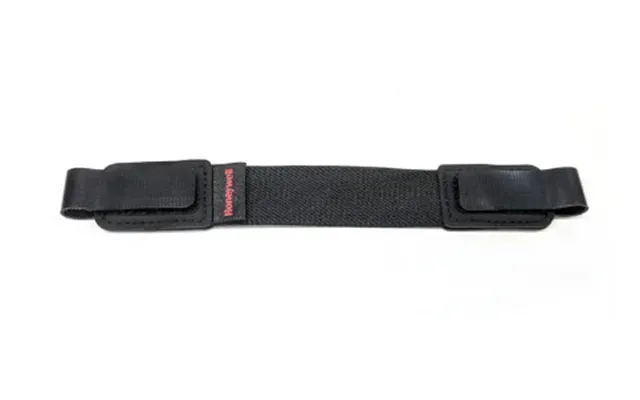
Side-release buckles are probably the type you already own on a backpack or waist strap. They snap together and release when you press the sides, which makes them ideal for fast, one-handed operation. Sizes commonly match strap widths like 1", 1.25", and 1.5", and they come in both plastic and metal. If you're after convenience for everyday use — think school bags, camera straps, or life-jacket adjustments — side-release buckles are tough to beat.
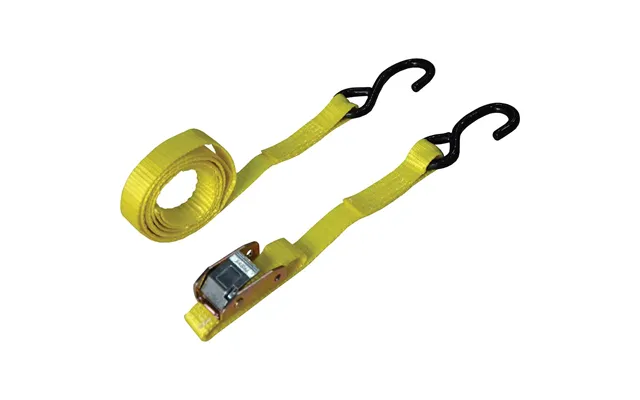
Cam buckles use a spring-loaded cam to grip the strap and prevent slippage. Unlike ratchet straps, cam buckles let you quickly tension a strap by hand and lock it in place. They're commonly found in cargo straps, luggage belts, and lightweight tie-downs. Expect working load limits in the range of a few hundred pounds for small cam buckles, with larger models rated for 1,000 pounds or more depending on construction.
Metal buckles include D-rings, ladder locks, and adjustable tri-glides. D-rings are simple and robust for connecting straps or creating anchoring points, while ladder locks give you reliable, gradual adjustment for shoulder straps and harnesses. When you need rugged longevity, stainless steel or brass D-rings and ladder locks perform better than plastic alternatives in the long run, especially in rough or outdoor environments.
Snap buckles are small, round closures often used on garments or light gear, while cord locks secure drawstrings and elastic cords. They’re not built for heavy loads, but for small everyday tasks they’re indispensable: think hood toggles, sleeping bag openings, and shoe closures. Cord locks typically match cord diameters like 1/8" or 3/16" and come in single- or double-hole designs to suit your needs.
Plastic buckles, often made from acetal or reinforced nylon, are lightweight, corrosion-resistant, and cost-effective. They’re great for backpacks, belts, and many outdoor accessories where weight matters. Acetal tends to offer smoother operation and better dimensional stability over temperature changes, while reinforced nylon can handle occasional impacts. Just keep in mind that thin plastic buckles may crack if subjected to repeated high loads or freezing temperatures.
Metal buckles deliver superior strength and wear resistance. Stainless steel is a go-to for marine and outdoor use because it resists rust and can handle repeated wet-dry cycles. Brass provides excellent corrosion resistance and a classic look, while anodised aluminum offers a balance of light weight and strength. If your project calls for a buckle to handle hundreds or thousands of pounds, metal is often the safer choice.
Matching the buckle to your webbing is crucial. Buckles are labeled by the strap width they accept — 1", 1.5", or 2" are common sizes. A 1" buckle on 1" webbing provides a neat, secure fit; using a 1.5" buckle with 1" webbing can lead to slippage and unstable connections. When in doubt, measure the webbing width in inches and choose a buckle that matches that value exactly for best performance.
Not all buckles are built to carry the same force. Two important metrics are working load limit (WLL) and break strength. WLL is the recommended maximum continuous load in pounds; it’s often set at one-third or one-fifth of the break strength for safety. For example, a buckle assembly with a break strength of 3,000 pounds might have a WLL of 600 to 1,000 pounds. For pet gear or daily backpacks you’ll be fine with lower WLL numbers, but for cargo or industrial straps pick hardware rated well above the expected load.
For backpacks and outdoor packs, quick-release side buckles and ladder locks are standard. They let you adjust fit on the fly and secure load-bearing straps. If you hike or travel often, choose buckles rated for heavy use—look for 1" to 1.5" widths with sturdy plastic or metal components. For hip belts and load-bearing straps, metal or reinforced plastic buckles work best.
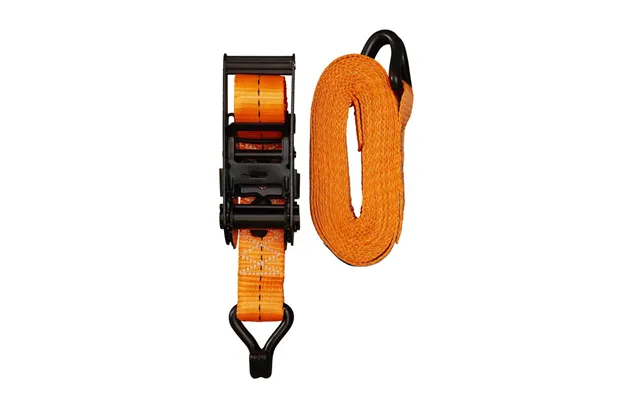
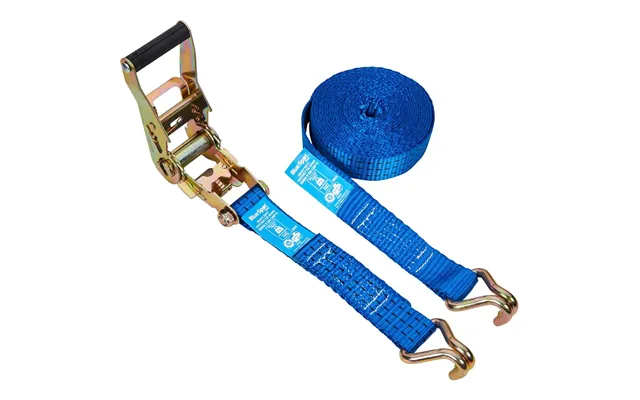
Cam buckles and ratchet-style buckles are the champions of cargo security. Cam buckles are faster for lighter loads; ratchet buckles give higher tension for heavier cargo. Look for cam buckles paired with 1" to 2" webbing depending on the weight, and choose corrosion-resistant finishes if you use them near water. For towing or tying down equipment that could exceed 1,000 pounds in force, always opt for rated hardware designed for the task.
Pet collars, harnesses, and safety equipment often use a mix of side-release buckles, D-rings, and tri-glides. For active dogs or working animals, metal D-rings and heavy-duty plastic buckles are common. In industrial settings, certified buckles and connectors with known WLLs are essential; never substitute casual-use buckles where safety certifications are required.
Replacing a broken buckle can be quick if you have the right tools. First, measure the strap width in inches and take note of the strap thickness. Some buckles slide on while others require sewing or melting the strap end to prevent slippage. If the strap end is frayed, trim it straight and apply a light flame to melt synthetic webbing — this prevents fraying in most nylon or polypropylene webbing. For sewn-in buckles, keep the stitching pattern consistent and reinforced with a box stitch for strength.
When attaching metal components, use rivets, grommets, or heavy-duty stitching depending on the load. Webbing threaded through a ladder lock should pass twice when possible to increase friction. When using cam buckles, make sure the strap seats cleanly in the cam and that any bypass loop is kept to a minimum. If you need extra security, add a safety tie or backup knot to protect against accidental slippage.
Regular maintenance extends buckle life. Rinse metal buckles with fresh water after salt-water exposure and dry thoroughly to prevent surface corrosion. Plastic buckles can accumulate sand and grit; a quick scrub with mild soap and water will keep the release mechanism functioning smoothly. For moving metal parts, a drop of light oil or silicone spray helps prevent sticking, but avoid heavy greases that collect dirt.
Replace a buckle if you see cracks, bent metal, or if it no longer locks securely. Even if it looks fine, replace buckles that have been overloaded — metal can fatigue and plastic can develop micro-fractures that aren’t obvious. For critical uses like harnesses, safety gear, or load-bearing cargo straps, retire buckles after any significant impact or once they show signs of wear.
If you want functionality without breaking the bank, look for acetal plastic side-release buckles in common sizes like 1" and 1.5". These typically cost a few dollars apiece in small quantities and offer dependable daily performance. For cord locks and snap buckles, multi-packs present good value for projects and repairs around the house.
For demanding jobs, seek out stainless steel cam buckles, brass D-rings, and anodised aluminum tri-glides. These cost more up front but pay dividends with longer life and higher load capacity. Heavy-duty cam buckles paired with 2" webbing and rated for several thousand pounds are the right choice for securing heavy equipment or outdoor power gear.
When shopping, use comparison sites to filter by strap width, material, and load rating. Look beyond price and check the working load limit and any corrosion-resistant finish. Reviews and images from other buyers reveal real-world performance — do the buckles maintain their release function after heavy use? Also check quantities: a bulk pack of 50 buckles may have a lower unit price but could vary in quality compared to a smaller set from a premium brand.
Don’t guess the size — measure your strap in inches and choose a matching buckle. Avoid substituting a decorative or lightweight buckle in a load-bearing application. If you plan to expose hardware to rain, salt, or extended sun, pick corrosion-resistant metals or UV-stable plastics. Finally, keep spare buckles in your kit; a quick field repair with a spare 1" side-release buckle can save a hike or a trip.
Eco-conscious buyers can find buckles made from recycled plastics or sustainably sourced metals. Specialty buckles include low-profile options for aesthetic builds, magnetic quick-release buckles for one-handed operation, and locking buckles with safety catches for high-risk applications. If you need something unusual, many suppliers offer custom finishes, engraved markings, or reinforced designs for extreme environments.
Utility buckles are small but critical components of gear, transport, and safety systems. Match the buckle type to the application: side-release for convenience, cam for quick tension, metal hardware for heavy loads or harsh conditions. Measure straps in inches, check load ratings in pounds, and choose materials that fit your environment. With the right buckle you get reliability, safety, and peace of mind — and in many cases a small upgrade creates a big improvement in how your gear performs.
Ready to swap a tired buckle or upgrade your gear? Start by measuring your webbing in inches, list the expected load in pounds, and choose the material and style that match the task. That simple checklist will steer you to the right fastener every time.
Conclusion: Utility buckles may be tiny, but they're essential. With the right knowledge about types, materials, and load ratings, you can pick fasteners that last longer, work better, and keep you safe whether you're hiking, hauling, or handling everyday gear.

| £ 458,96 |