
Pneumatic Hoses price list
Last updated Thursday, Sep 17, 2026





View 12 Offers
Loading...
Last updated Thursday, Sep 17, 2026
Grab an air tool, squeeze the trigger, and what happens next depends on one unsung hero: your pneumatic hose. It’s the artery of any compressor setup, feeding nailers, impact wrenches, blow guns, and paint sprayers with consistent air. Looking to upgrade or catch a great offer in the UK? Smart choice. The right hose boosts tool performance, saves you time, and lasts longer, so you spend more time working and less time wrestling kinks, leaks, or pressure drops.
A pneumatic hose is a flexible tube designed to carry compressed air from your compressor to your tools. Simple idea, big impact. It needs to be strong enough to handle pressure, flexible enough to move with you, and resilient enough to survive scuffs, scrapes, and the odd drop of oil. Not all hoses are built the same, though. Material, inner diameter, length, fittings, and reel options all play a role in how it behaves in your workshop or on-site.
Choosing a hose is a bit like picking the right tyres for your vehicle—different compounds for different conditions. There’s no single “best” hose, but there is a best hose for the way you work. Here’s how the most popular options stack up and where each one shines.
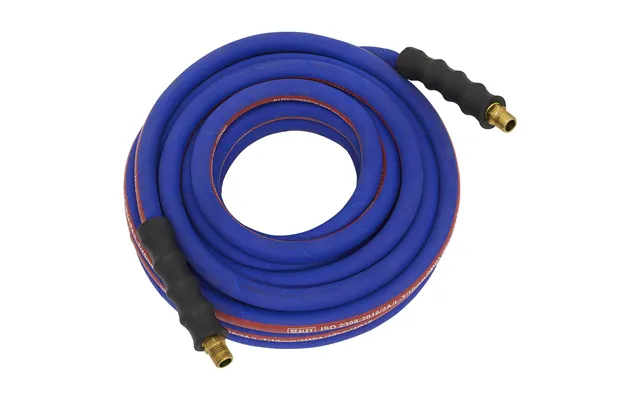
Rubber is the old faithful. It stays pliable, resists abrasion well, and usually behaves nicely in cold weather. If you’re in and out of the garage year-round, rubber is a dependable choice. It’s a tad heavier than other materials, which can be a workout over long runs, but that weight also helps it stay put underfoot. For mechanics, general DIYers, and construction crews, rubber often hits the sweet spot of durability and performance.
Think of hybrid polymer as the “best of both worlds” blend—lighter than rubber, more flexible than PVC, and usually very kink-resistant. It lays flat, it coils well, and it’s easy to drag around a site without feeling like you’re towing a garden snake. If you switch between indoor trim work and outdoor projects, hybrids offer a friendly, all-round experience that keeps frustration low and productivity high.
Need lightweight and tough? Polyurethane is your lean, mean option. It’s highly abrasion-resistant, making it great for busy workshops where hoses rub against edges, concrete, or metal. PU can have a bit of “memory,” so it may try to coil back, but many modern PU hoses behave nicely and stay flexible. If you move constantly or use hose reels, PU’s low weight is a game-changer.
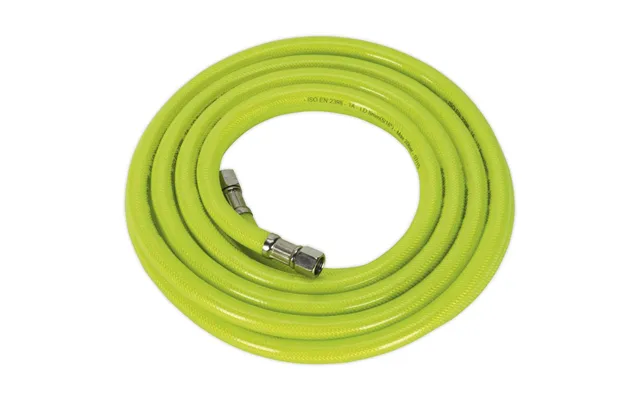
PVC is budget-friendly and widely available. It’s a solid pick for occasional users or backup hoses. The trade-off? It can stiffen in colder temperatures and may be more prone to kinking compared to hybrid or rubber options. If you primarily work in warmer conditions and want to keep costs down, PVC can still deliver, especially for inflating tyres, blowing off benches, or powering light-duty tools.
Short on space or hate tripping hazards? Coiled hoses spring back neatly and keep your work area tidy. They’re often polyurethane or nylon and shine at benches or in mobile setups where you need quick reach without a long snake of hose on the floor. Just note they typically come in shorter, manageable lengths and work best for light-to-medium-duty tasks.
Size matters—especially for airflow. Inner diameter (ID) dictates how much air your tool gets. Common sizes are 1/4", 3/8", and 1/2". Running brad nailers or staplers? A 1/4" hose is usually fine. Spinning impact wrenches or sanders that gulp air? Step up to 3/8" for less pressure drop. Length is the second lever: longer hoses mean more resistance. If you need 100 ft, consider a larger ID or place your compressor closer and run a shorter hose for maximum punch.
Hoses are rated for maximum working pressure—often 200 to 300 PSI—and a burst pressure several times higher. Always choose a hose rated above your compressor’s output and the demands of your tools. Extreme temps matter too: many hoses list operating ranges like -40°F to 150°F. Cold can stiffen some materials; heat can soften others. Treat the rating like a seatbelt—you hope you never need the margin, but you’ll be glad it’s there.
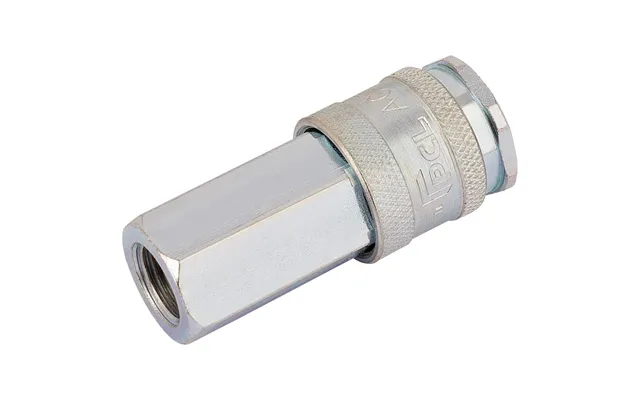
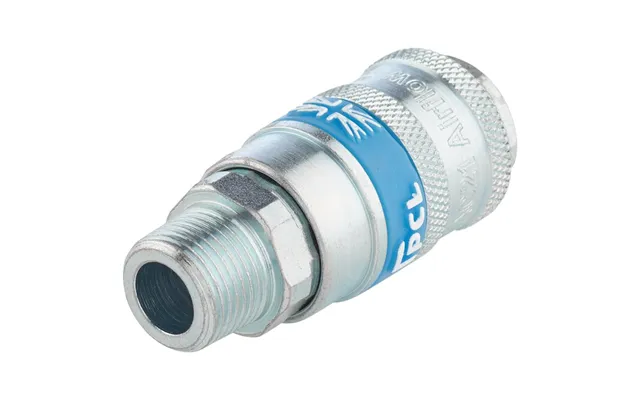
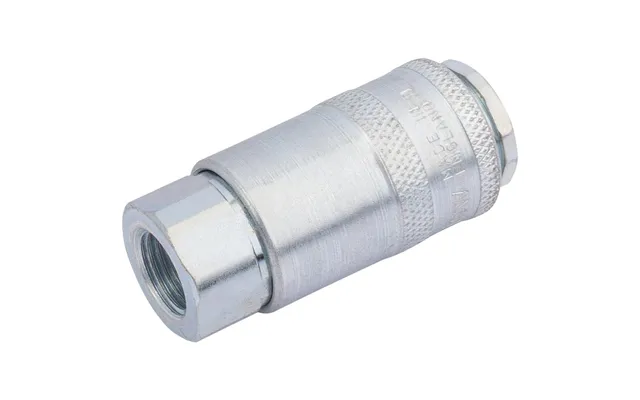
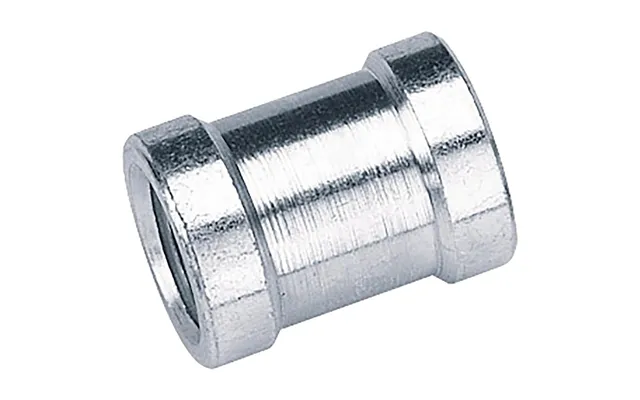
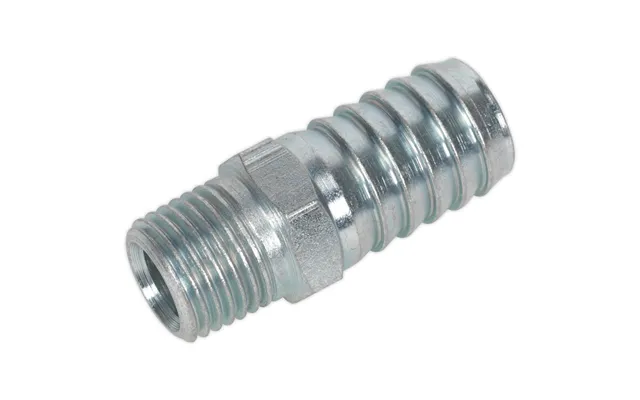
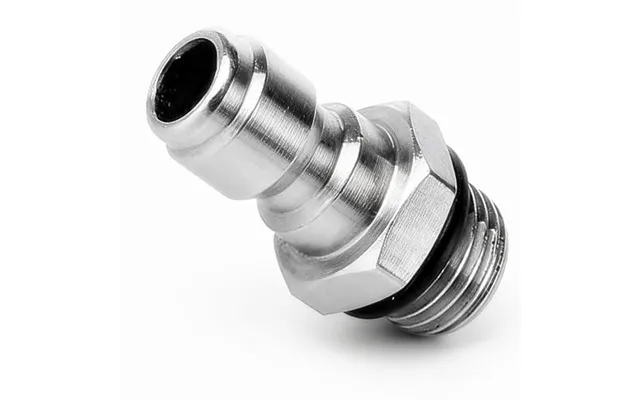
The best hose in the world won’t help if your fittings leak. In the UK, most air tools and hoses use 1/4" NPT threads on ends, paired with quick-connect couplers and plugs. Look for high-flow couplers if you’re feeding air-hungry tools; they reduce bottlenecks. Sealing tape (PTFE) on threaded joints helps prevent leaks, but don’t overdo it. And keep fittings clean—dust and grit chew up seals and destroy airflow efficiency.
Hose reels are the tidy friend every workshop needs. Manual or retractable, wall-mounted or portable, reels protect your hose from kinks and abrasion, saving you money over time. If you’re installing a reel, consider a swivel mount so you can pull the hose from any angle without stress. No reel? Coil in loose, wide loops and hang it off the floor. Sharp bends near the ends are the fastest way to kill a good hose.
Marketing claims are one thing; everyday performance is another. Focus on flexibility, kink resistance, abrasion resistance, and how the hose behaves in your actual conditions. If you work outdoors in winter, the “cold crack” resistance might trump everything else. If you’re on concrete all day, abrasion resistance takes the crown. Let your environment choose your hose, not the other way around.
Cold mornings can turn some hoses into rigid pipes. Rubber and many hybrids tend to stay flexible at low temps like 0°F to 20°F, while PVC may stiffen. On the hot side, ensure the hose’s upper range (often 120°F to 150°F) covers your use case. Hot compressor rooms and direct sun can push temperatures up fast. If you fight your hose, you’ll fatigue quicker—and that’s a safety issue too.
Kinks choke airflow and frustrate your rhythm. Hybrids and rubber often lay flat and resist kinks well, while premium PU hoses shrug off surface scuffs that would scar others. If your hose crosses door thresholds, concrete, or metal edges, abrasion resistance is not optional. A hose with a thick outer jacket or added protective sleeves in high-wear areas can extend service life significantly.
Air systems can carry traces of oil, and workshops aren’t sterile. Rubber resists oil exposure well, PU also performs strongly, and PVC can be more sensitive. If you use pneumatic tools with lubricators or work around solvents, choose materials rated for oil and chemical resistance to avoid softening, cracking, or swelling that leads to leaks.
Picture your most common jobs and choose your hose like a pro would. Light finish work doesn’t need the same airflow a big impact gun demands. Short indoor runs feel different from long exterior lines. Mapping hose type, diameter, and length to your real tasks is the fastest way to transform how your tools feel in hand.
Impact wrenches, ratchets, and tyre inflators need steady air. Go 3/8" on longer runs, or keep the 1/4" hose short if you insist on light weight. Rubber and PU are great here—PU for abrasion resistance around concrete floors, rubber for consistent flexibility. A good reel near your compressor keeps the floor clear, and high-flow couplers help heavy hitters breathe easier.
Brad nailers, pin nailers, and staplers sip air, so a 1/4" hose is usually perfect—especially in a hybrid polymer that lays flat and won’t fight you around delicate work. Keep the hose light, short (25 to 50 ft), and tangle-free. You’ll move faster, protect finished surfaces, and avoid marring trim with a heavy line dragging across the work.
Roofing nailers and framers may run continuous cycles, so airflow matters more. A 3/8" hose reduces pressure drop on longer runs and helps tools cycle crisply. Durability is key: rubber or rugged hybrid hoses resist abrasion against shingles and timber. Use whip hoses (short, flexible end sections) to reduce strain at the tool and improve ergonomics.
With HVLP sprayers and airbrush work, consistency is king. Smooth airflow and clean connections matter. A high-quality hybrid or PU hose with clean, tight fittings reduces pulsation. Keep hoses as short as practical—50 ft beats 100 ft when you want steady pressure. And always purge moisture from your lines before paint touches any surface.
Great offers pop up all the time, but how do you separate bargains from headaches? First, scan the material, diameter, and pressure rating before glancing at price. Compare like-for-like: a 3/8" hybrid at 50 ft is a different animal from a 1/4" PVC at 25 ft. Look for bundles with couplers, reels, or repair ends. When a price list shows “too good to be true,” check the temperature range and warranty—you’ll quickly spot the pretenders.
A little care turns a good hose into a long-term partner. Treat it like you would a favourite corded tool: protect it, clean it, and fix minor issues before they become major. Small steps—like draining your compressor tank daily to keep moisture out—pay back in reliability and fewer clogs at the worst possible moment.
Notice your compressor cycling more often? Suspect a leak. Mix a little dish soap with water and brush it onto fittings and suspect spots—bubbles mean air loss. Replace worn couplers and cut back damaged ends, then reinstall with fresh fittings. A clean, tight air system saves energy, maintains power, and reduces heat build-up in your compressor.
Dust and grit grind away at outer jackets and fittings. Wipe hoses periodically with a damp cloth, especially after outdoor use. Store off the floor, away from sharp edges and direct sun. Coil in large loops—no tight bends—and use strain relief springs or whip hoses near the tool end. If you use a reel, don’t crank the hose in under pressure; bleed air first to reduce stress.
Cracks, bulges, dry rot, frequent leaks at new cuts—these are red flags. If a hose starts to kink where it never did before or you see exposed reinforcement, it’s time to retire it. Tools running weak despite good compressor pressure? You may be losing air in the line. Replace early; it’s cheaper than downtime or a burst at full pressure.
There’s nothing green about throwing out a cheap hose every few months. Durable materials reduce waste and save money. If you’re on a tight budget, consider a shorter high-quality hose and add a reel later. For heavy use, prioritise abrasion resistance and replaceable ends—repairing a good hose beats binning a bad one. Smart buying is both eco-friendly and wallet-friendly.
When you’re ready to buy, use a trusted comparison site to stack brands, specs, and deals side by side. ZoneOffer is a comparison platform, not a store, that highlights current discounts on pneumatic hoses and accessories across the UK. Filtering by material, diameter, length, and pressure rating makes quick work of the short list. You’ll see who’s offering genuine value and who’s just shouting the loudest.
Pick the right hose and everything clicks—tools feel stronger, work flows smoother, and you spend less time fighting tangles and leaks. Choose material based on your conditions, match diameter to your tools, and keep length as short as practical. Invest in solid fittings and a tidy storage plan. Do that, and those “Popular Offers” you’re eyeing become long-term wins, not short-lived bargains.