All categories
Business & Offices
Electronics & Media
Fashion & Accessories
Groceries & Essentials
Health & Personal Care
Home & Living
Kids & Family
Sports & Outdoors
Search in ZoneOffer

Loading...
Ever browse a pump category and stumble on a catch‑all called “Other”? That’s this one. “Hardware Pumps – Other” is the bucket for pumps that don’t neatly fit into the usual boxes like sump, well, or irrigation. Think compact utility transfer pumps, manual hand and barrel pumps, condensate pumps for HVAC, bilge and diaphragm pumps, compact booster pumps, and even fountain and pond pumps for garden features. If your project is slightly quirky or niche, odds are the solution lives here.
Why does this category matter? Because these are the problem‑solvers. When you need to move a few gallons in a pinch, pull water from a barrel without electricity, boost pressure for a hose reel, or quietly keep a water feature humming, “Other” pumps shine. They’re versatile, affordable, and often portable. If you like getting jobs done without fuss, this is your playground.
Utility transfer pumps are your go‑to for quick water moves—emptying a hot tub, draining a kiddie pool, or shifting water from one barrel to another. Many compact models deliver steady flow rates in gallons per minute (GPM) and can lift water dozens of feet straight up when needed. Look for sturdy housings, easy‑prime designs, and standard 3/4‑inch garden hose threads so you can hook up without hunting for odd fittings. If you want a portable workhorse you can grab, plug in, and finish the job before your tea cools, start here.
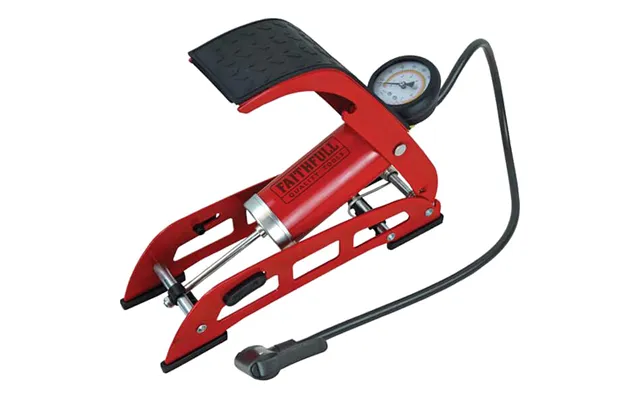
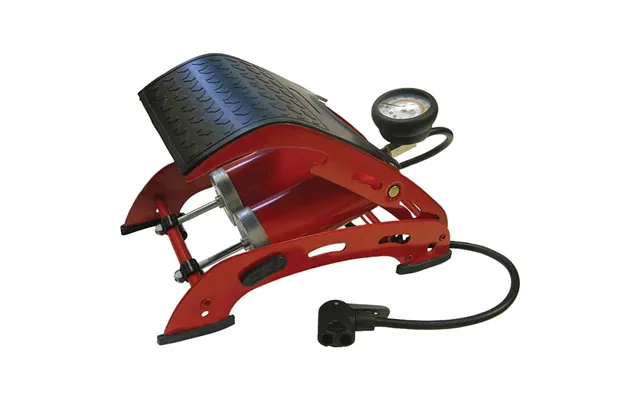
No power? No problem. Hand and barrel pumps give you manual control for transferring water, light oils, or non‑corrosive fluids out of drums and barrels. These are perfect for off‑grid setups, sheds, and garages where you want reliability without cords or batteries. Choose lever or rotary styles, and make sure the dip tube length suits your drum depth. Bonus: they’re quiet, safe, and surprisingly fast when you find your rhythm.
Diaphragm pumps are tough cookies. They can handle water with small debris, certain chemicals, or air pockets without losing prime. Bilge pumps—popular in boats—are great for clearing standing water in tight spots. Many run off 12V systems, making them handy for vehicles, RVs, and remote applications. If you’re battling water where a typical impeller pump might choke, a diaphragm or bilge pump can be a lifesaver.
Want stronger spray at the hose head or consistent pressure for a small sprinkler setup? Compact booster and jet‑assisted pumps step in. They can raise PSI to keep your shower or hose from dribbling and maintain steady pressure when you’re feeding accessories or tools. Look for pumps listed by horsepower (HP), with pressure ranges in PSI, and built‑in pressure switches for automatic on/off. They’re like the cheerleaders of your water system, adding oomph exactly where you need it.
HVAC setup dripping into a pan? A condensate pump quietly lifts collected water up and away to a drain. Small, automatic, and whisper‑quiet, these pumps make HVAC maintenance headache‑free. Circulator pumps, on the other hand, keep water moving through systems to prevent stagnation or to distribute heat. While more specialized, both sit comfortably in the “Other” camp because they solve specific, everyday problems behind the scenes.
These pumps are the heart of your backyard peace. Whether you’re running a stone fountain, a small waterfall, or a koi pond, you’ll want continuous duty, quiet operation, and the right lift in feet to get that water up and over a spillway. Pre‑filters help keep gunk out, while adjustable flow is handy for fine‑tuning your water feature’s look and sound. Imagine the gentle burble at dusk—that’s your pump earning its keep.
Flow rate tells you how much water a pump can move—measured in gallons per minute. Head height (in feet) tells you how high it can push that water. Picture it like climbing stairs with a bucket: the higher you go, the slower you move. If you need to lift water up a 15‑foot rise to a window or gutter, make sure the pump’s max head is comfortably above that—headroom helps maintain usable flow at real‑world heights.
Pressure is measured in PSI and matters for tasks like spraying or feeding pressure‑sensitive appliances. Too low and you’ll get a dribble; too high and you risk leaks. Hose sizes are usually in inches—3/4‑inch garden hose threads are common on utility pumps, while pond and feature pumps may use barbed fittings like 1/2‑inch, 3/4‑inch, or 1‑inch. Match your hoses and fittings to avoid bottlenecks that choke flow.
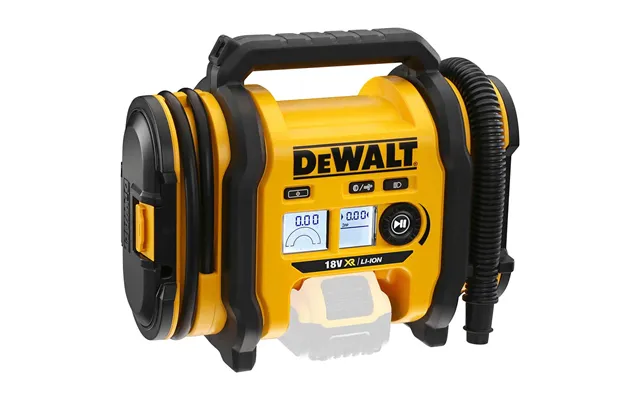
Corded pumps deliver consistent power and are great for continuous or high‑flow jobs. Battery pumps offer freedom where outlets are out of reach—ideal for gardens and remote corners. Manual pumps shine when simplicity, safety, or portability is king. Choose based on how often you’ll use it and where. If you’re just draining a tub now and again, battery or manual might be perfect. For longer jobs, corded wins.
Look for corrosion‑resistant materials like stainless steel, brass, or reinforced polymers, especially if you’ll be dealing with outdoor conditions or slightly gritty water. Sealed motors, thermal protection, and sturdy handles all point to a pump that’s built for real life. If it feels flimsy in your hand, it probably won’t love hard work.
Water sneaks in and puddles, and you don’t have time to wait. A utility transfer pump with decent GPM and a max head above your exit point lets you clear the mess quickly. Add a short 3/4‑inch hose to the intake with a filter screen, run a discharge hose out a window, prime, and go. It’s like having a shop‑vac for water, minus the heavy lifting.
A barrel pump or compact battery transfer pump makes watering easy—with zero heavy buckets. Hook a hose, flip the switch (or start pumping), and direct your water exactly where it’s needed. A simple check valve helps keep the system primed. Want more flow at the nozzle? A small booster pump can turn a trickle into a satisfying spray.
If your well system needs a nudge or you want a better shower, a compact jet‑assisted pump can raise PSI and stabilize flow. Be sure to check horsepower, operating pressure range, and whether it includes an automatic pressure switch. Install near your supply line, and use Teflon tape plus quality brass fittings to lock out leaks. Suddenly, that hose sprayer actually reaches the far flowerbed.
A water feature pump with adjustable flow and a decent lift height keeps your pond clear and your fountain soothing. Add a pre‑filter sponge to catch debris and reduce maintenance. For waterfalls, confirm your pump’s head height covers the vertical rise from water surface to the spill point, with a cushion so the flow stays steady even as the filter gets a bit dirty.
Price matters, but matching the pump to your task saves money long‑term. A cheaper pump that can’t reach a 20‑foot lift is more expensive than one that can. Compare GPM at realistic head heights, not just max numbers. That’s how you avoid buying twice.
Some pumps come ready to roll with hoses, filters, or adapters. Those extras can save you cash and time. If you know you need 3/4‑inch to 1‑inch step‑up fittings, for example, a model that includes them is instantly better value. Read the fine print so you’re not running back out for parts mid‑project.
Overheat protection, sealed bearings, and splash‑resistant housings help a pump live longer. If you’ll run a pump for extended periods, these features are worth paying for. Remember, a pump that lasts years is cheaper than one that melts down in a season.
User feedback can spotlight quirks—like noise levels, priming quirks, or how well the pump handles slightly dirty water. Specs tell you what’s promised; experience tells you what’s delivered. Put both to work and you’ll buy smarter.
Always prime if your model requires it—fill the chamber and inlet hose with water to avoid dry running. After use, flush clean water through the pump to clear grit, then coil hoses without kinks. A few minutes of care after each job pays off in years of reliable service.
Clogs kill performance. Keep intake screens clean and replace filter media as needed. Inspect O‑rings and gaskets; a dab of silicone grease can help maintain a watertight seal. If your pump starts to weep at fittings, re‑seat them with fresh Teflon tape and tighten snugly—no gorilla grip needed.
Before freezing temps, drain every drop. Trapped water expands like a slow wedge in cold weather and can crack housings. Store pumps in a dry spot, off the floor if possible, with hoses capped to keep out dust. For battery models, charge to the manufacturer’s recommended level and top up periodically so they’re ready come spring.
Use a grounded outlet and a GFCI for any corded pump near water—that’s non‑negotiable. Keep connections dry and elevate cords where splashes happen. If you need an extension cord, choose a heavy‑gauge outdoor‑rated one sized for the amp draw and length. It’s a small step that prevents big headaches.
Match sizes, use washers, and don’t cross‑thread. Hand‑tighten, then give fittings a quarter turn with a wrench if needed. If you’re running long discharge lines, minimize sharp bends and ups‑and‑downs that trap air. Install a check valve when the line rises vertically so water doesn’t fall back and force frequent re‑priming.
Set the pump on a flat, stable surface. For pond and feature pumps, elevate slightly with a brick or pump stand to keep the intake off the sludge layer. Vibrations happen; stability keeps your setup quiet and efficient.
You’ll find razor‑sharp offers on compact utility pumps, especially around seasonal peaks when homeowners are opening up gardens or winterizing. Hand and barrel pumps often come in budget‑friendly bundles, while booster and jet‑assisted units trend higher due to their motors and control systems. Watch for offers that pair pumps with hoses, filters, or fittings—those can cut your total project cost nicely.
Pumps with solid warranties and accessible support are worth a second look. A one‑ or two‑year coverage window can indicate confidence in build quality. Also consider availability of replacement parts like impellers, seals, and filters—you’ll thank yourself later if something needs a quick swap instead of a full replacement.
Right‑sized hoses reduce friction losses and keep flow rates healthy. Brass adapters, step‑up/step‑down fittings, and quick‑connects turn installation into a breeze. Check valves prevent backflow, making priming reliable and protecting your pump from reverse spin. It’s the small kit that unlocks big performance.
Intake filters and pre‑screens stop debris before it reaches the pump. For pond setups, a simple sponge pre‑filter can cut maintenance dramatically. On utility pumps, a float switch (where compatible) can automate on/off as water levels rise and fall—set and forget, in the best way.
If portability is key, look at battery compatibility and run times. For corded pumps in remote spots, a suitable inverter can bridge the gap, provided it handles the start‑up surge. Always match your power gear to the pump’s amp draw to avoid hiccups.
Oversizing wastes energy. If your task needs 5 GPM at a 10‑foot lift, a compact transfer pump does the job better than a brute that sips more power. Adjustable flow on feature pumps lets you dial in exactly what looks and sounds right, without wasting a drop.
Water features, cleaning tasks, and even garden watering can often recirculate water. Pair pumps with rain barrels, greywater systems, or ponds to reduce waste. Add a timer or smart plug to avoid leaving a pump running longer than necessary.
Check for air leaks on the suction side—loose fittings or missing washers are classic culprits. Make sure the intake is fully submerged and that any check valve is oriented correctly. Fill the intake line and chamber with water, then try again. Still stuck? Shorten the suction hose and reduce bends.
Clogged filters, kinked hoses, or undersized lines can kill performance. Clean the intake, straighten the hose, and consider stepping up to a larger diameter line. If you’re pushing water too high, verify the pump’s head rating and keep the rise within its comfort zone.
Rattling often points to cavitation—air getting pulled into the pump. Fix leaks and keep the intake deeper. Overheating? Give the pump a break, ensure water is flowing, and check that ventilation isn’t blocked. Thermal protection will help, but prevention is kinder.
Clear water, slightly dirty water, or a specific fluid like light oil? Pick materials and pump type accordingly. Diaphragm pumps tolerate mixed conditions; utility pumps love clean water; hand pumps handle a variety of fluids safely.
Measure the vertical lift in feet and estimate the total hose run. Pick a pump whose head rating comfortably beats that height, and choose hose diameters that won’t throttle flow. This single step prevents most disappointments.
Occasional jobs call for simplicity and portability; frequent or long runs favor durable, continuous‑duty builds with better motors and protection. Spend where it counts, not where it doesn’t.
“Hardware Pumps – Other” is where savvy homeowners and DIYers find the gear that actually solves their everyday water problems. From speedy utility transfer pumps and rugged diaphragm units to pressure‑boosting helpers, quiet condensate pumps, and serene fountain motors, the right tool is here waiting. Compare specs like GPM, head height in feet, PSI, and hose sizes. Match the pump to your job, add a few smart accessories, and you’ll get pro‑level results without overspending. Whether you’re draining, transferring, boosting, or beautifying, this unsung category delivers the best kind of magic: reliable performance at sharp prices.