
Home Appliance Pumps price list
Last updated Friday, Sep 18, 2026





View 29 Offers

Loading...
Last updated Friday, Sep 18, 2026
Think of a home appliance pump as the quiet heartbeat inside your machine. You barely notice it—until it fails. Whether it’s pumping out the wash water from a full drum, circulating hot water in a dishwasher, or lifting condensation from a boiler or air conditioner, the right pump keeps daily life smooth. When it starts whining, leaking, or giving up mid-cycle, everything else grinds to a halt. The good news? Replacement home appliance pumps are widely available, and smarter comparing helps you grab the best price without sacrificing reliability.
If you’re hunting for unbeatable discounts on home appliance pumps in the UK, you’re in luck. Prices can swing across the year, especially around seasonal sales, manufacturer clearances, and when new pump revisions roll out. Comparison sites like ZoneOffer help you scan prices across retailers quickly so you can spot real value instead of guessing. Want to save even more? Keep an eye on bundles that include installation accessories, or open-box items backed by warranties. Below are the categories you’ll most often see on promotion and what to look for.
Washing machine drain pumps are among the most frequently discounted, simply because they’re a common replacement part. Typical models are built to push several gallons per minute through a drain hose and lift water a few feet reliably. When comparing offers, check whether the pump is a direct-fit OEM match for your model number or a proven compatible replacement with identical connector orientation and mounting points. Good deals often include a pre-fitted filter or gasket, saving you an extra purchase. If you hear a loud buzz, get standing water at the end of a cycle, or see error codes related to draining, your pump may be the culprit.
Dishwasher pumps come in two main flavors: circulation pumps that keep hot water moving for sparkling results, and drain pumps that expel wastewater. Circulation pumps usually cost more because they handle higher loads for longer durations. Great discounts pop up when manufacturers update a pump design across a series and old stock needs clearing. Look for models with sturdy impeller bearings and sealed motor housings. If you’re replacing a circulation pump, compare gallons per minute and the orientation of electrical terminals to avoid headaches on installation day.
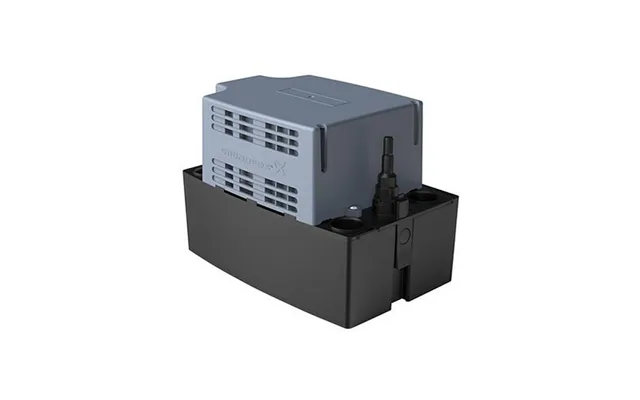
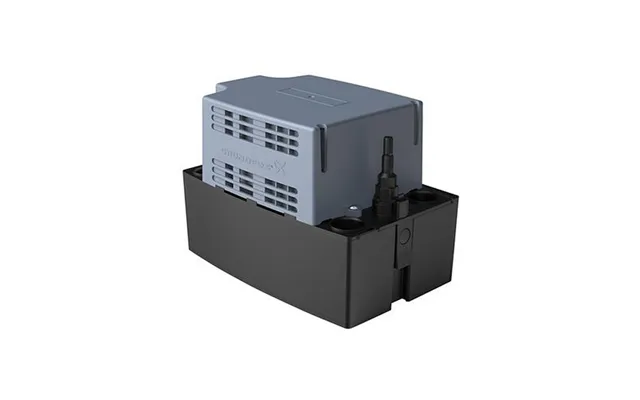
Condensate pumps quietly move collected condensation to a drain when gravity won’t do the job. In UK homes, you’ll often find them paired with boilers, heat pumps, and AC units tucked under eaves or in basements. Smart shoppers look for high head height ratings in feet, reliable float switches, and easy-to-clean reservoirs. Promotions typically include models with check valves and quick-mount brackets. If your current unit is short-cycling or overflowing, upgrading to a dependable condensate pump with a higher lift rating can be a game changer.
Some refrigerators and standalone ice makers use compact pumps to move water to dispensers or ice trays. These units favor compact size and quiet operation. Because they’re often appliance-specific, compare model compatibility first, then build quality. Deals surface on compatible replacements that match inlet and outlet sizes in inches, especially when a popular series reaches the end of its product cycle.
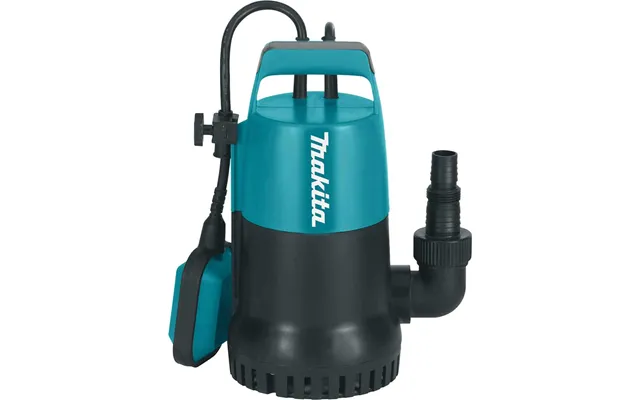
While not always built into an appliance, small utility pumps are lifesavers for tasks like draining a washer’s overflow, emptying a dishwasher base, or moving water from one spot to another during repairs. When comparing offers, look for flow rates in gallons per minute, lift height in feet, and durable housings that can take a knock. Seasonal sales often see deep discounts on these handy backups, and they’re worth keeping in the toolkit for emergencies.
Let’s talk price brackets so you can set realistic expectations and spot genuine value. Prices vary by brand, features, and whether you choose OEM or high-quality aftermarket replacements. While costs shift with stock and sales, here’s a general guide to help you compare listings with confidence.
At the budget end, you’ll find many washing machine and dishwasher drain pumps, plus basic compatible replacements. These often come with standard plastic impellers and straightforward mounting. They can be ideal if your goal is to restore function without premium add-ons. Check the warranty length and user reviews for longevity. Deals in this tier are common during clearance events and offer a low-risk way to get back up and running fast.
Midrange pumps typically offer sturdier housings, smoother impeller design for quieter running, and better seals. Condensate pumps with higher lift ratings and improved float-switch reliability often land here. If your appliance runs daily or you’ve had repeat failures, investing in midrange can pay for itself in fewer callouts and less hassle. Watch for bundles that include clamps, gaskets, or pre-installed check valves—small extras that simplify installation.
At the top end, you’ll find OEM replacements, high-capacity circulation pumps, and heavy-duty condensate units designed for continuous duty. Premium models usually boast reinforced bearings, superior moisture protection, and designs engineered to fit precisely without adaptation. If noise reduction, maximum reliability, and long-term durability matter most, the premium tier is worth consideration—especially when a comparison site flags a meaningful price drop.
Confused by the jargon? You’re not alone. Here’s the quick lay of the land. Drain pumps move water out of appliances like washers and dishwashers. Circulation pumps keep water moving within a machine for cleaning or heating. Condensate pumps move collected water from boilers, AC units, or dehumidifiers to a drain. Utility pumps handle general transfer tasks. Most household pump decisions fall into one of these buckets, and knowing which you need is half the battle to scoring the right deal.
These are the workhorses for washing machines and dishwashers. They’re designed for short, powerful bursts to push water through a hose—often with a lift of several feet—until the tub is empty. Look at the impeller design, motor housing, and connector orientation to ensure a proper fit.
You’ll find these in dishwashers and some specialty systems. They maintain constant water movement for better cleaning and consistent temperature. When replacing, match the flow rate in gallons per minute and check for the right electrical connections and mounting style.
Condensate pumps collect and lift water to a drain when gravity won’t help. The two key specs are maximum head height in feet and reservoir design. A check valve stops water from flowing backward, and a reliable float switch prevents overflows. If your system sits in a basement or loft, pay attention to lift requirements.
These portable units are great for clearing standing water or assisting with maintenance. They’re measured by gallons per minute and lift height. Compact versions can tuck into tight spaces and use standard hose fittings measured in inches for quick setup.
Don’t let a sea of numbers scare you. A handful of specs make the biggest difference in everyday use and installation. Understanding them helps you compare offers quickly and avoid returns.
Flow rate, measured in gallons per minute, tells you how quickly the pump moves water. A higher GPM clears tubs and basins faster. Too low, and you might get incomplete drains or error codes. Match or exceed your original pump’s GPM when possible.
Head height is the maximum vertical distance a pump can lift water. For condensate pumps and some drains, this is critical. If your setup needs to push water up and over a beam or across a loft, choose a model with extra headroom in feet to be safe.
Horsepower gives you a sense of the pump’s muscle. Higher horsepower can improve performance under load, but the right choice balances power with noise and efficiency. Duty cycle matters for circulation pumps that run longer—look for designs built for continuous service.
Inlet and outlet sizes measured in inches determine hose and pipe compatibility. Common sizes include 3/4 inch, 1 inch, and 1-1/4 inch. Adapters exist, but a direct match saves time and reduces leak risk. Always cross-check the connector style and orientation against your appliance’s layout.
Durable housings, robust impellers, and quality seals help pumps survive vibration and moisture. If your laundry space is tight or your kitchen runs hot, premium seals and a well-protected motor housing can make a big difference over time.
Compatibility is where most buyers win or lose. Start with your appliance’s model number—usually found on a sticker inside the door frame, behind a kick panel, or at the rear. Search for pumps listed as a direct match or clearly marked compatible replacements. Double-check connector type, mounting holes, and hose orientation. A pump can look right but have a reversed terminal layout or a different impeller height. If a listing includes a diagram with dimensions in inches, compare them to your old pump before you buy.
Swapping a home appliance pump can be a satisfying DIY job if you’re handy and comfortable turning off power and water. That said, there’s no shame in calling a pro—especially if your setup is cramped or hard-plumbed. Either way, planning ahead saves time and avoids surprises.
Unplug the appliance and shut off water where applicable. Lay down towels or a pan to catch residual water. Take clear photos before you disconnect anything so you can reverse the steps with confidence. Keep a small flashlight, pliers, a nut driver, and replacement clamps ready. If you’re dealing with a condensate pump, verify the discharge line is clear and slopes correctly so you’re not fighting a blockage.
Access the pump by removing the relevant panel, usually at the front bottom for washers and near the base for dishwashers. Disconnect the electrical connectors and hoses, noting their positions. Release the pump from its mounting bracket. Seat the new pump, ensuring the gasket is aligned, then reconnect hoses and wiring. Before closing panels, run a quick test with a small amount of water to check for leaks and proper operation. If everything flows and there’s no odd noise, button it up.
A little care goes a long way. Regularly cleaning filters, checking hoses for kinks, and listening for changes in pump tone can help you catch small issues before they become big problems. If your pump is acting up, don’t panic—most faults follow predictable patterns.
No drain or slow drain often points to a clogged filter, blocked hose, or jammed impeller. Start with the simplest fix: clean the filter and check for debris in the hose. Loud buzzing can indicate the impeller is obstructed or the pump is running dry. Leaks around the pump usually come from tired clamps or a misaligned gasket. Short-cycling condensate pumps might have a stuck float switch or a blocked discharge line. Work methodically, and you’ll usually isolate the issue quickly.
Use the right detergents to minimize buildup. Clean lint traps and food filters regularly. Keep hoses free of sharp bends, and ensure discharge lines maintain a steady slope. For condensate systems, pour a little cleaning solution into the reservoir occasionally to discourage sludge and slime. And if your pump spends its life in a damp cupboard, consider a moisture absorber to protect electrical components from humidity.
Today’s pumps are better than ever at sipping power and dampening vibration. If you run appliances at night or in a small flat, prioritize designs that emphasize quiet operation and anti-vibration mounts. For dishwashers and circulation pumps, improved impeller geometry often leads to smoother, quieter performance. If the listing highlights noise-reduction features, that’s usually a sign of thoughtful engineering.
Across the UK market, you’ll encounter familiar names in both OEM and aftermarket pumps. Appliance brands like Bosch, Whirlpool, Samsung, LG, and Hotpoint have direct-fit parts for specific models. Specialists such as Little Giant and Aspen Pumps are well-known for condensate solutions. Askoll is a common name for washer drain pumps used by multiple appliance brands. Choosing OEM offers perfect fit and finish, while reputable compatibles can deliver solid performance at a lower price. If you go compatible, pick a brand with clear documentation, robust warranties, and plenty of real-world reviews.
Comparison sites exist to cut through noise and find the right product at the right price from trusted retailers. Use filters to narrow by appliance brand, flow rate (GPM), head height (feet), and port size (inches). Sort by price to spot outliers and check whether the lowest price includes essentials like gaskets, clamps, or a check valve. Watch shipping times if you’re in a rush, and verify the warranty on the product page. If you’re not in an emergency, set a price alert and wait for a dip—you’d be surprised how often prices fluctuate week to week.
If your pump is over a few years old and shows repeated issues—like grinding noises, overheating, or recurrent leaks—replacement usually wins. Pumps with cracked housings or burned connectors aren’t good candidates for repair. On the other hand, if your only problem is a clog, a kinked hose, or a tired clamp, a quick fix could buy you plenty more time. If you’re on the fence, price up a compatible replacement and compare that against the value of your time and the cost of a service call. In many cases, a fresh pump is the stress-free choice.
Live in a basement flat? A condensate pump with a generous head height gives you options for routing the discharge line. Run the washer every day for a large family? A robust drain pump with a proven impeller design will pay you back in reliability. Dishwasher leaving residue? A healthy circulation pump is essential for crystal-clear results. By matching your pump’s strengths to your home’s quirks, you’ll spend less time troubleshooting and more time enjoying a home that just works.
Before you commit, pause for a 60-second sanity check. Confirm your appliance model number and match the pump precisely. Verify flow rate (GPM), head height (feet), and port sizes (inches). Compare photos of the mounting bracket and connections. Read a few recent reviews, especially ones mentioning your exact appliance. Check what’s included in the box and whether any adapters are needed. If everything lines up, you’re set to grab the best price you can find and get your appliance back to its best.
Home appliance pumps may be small, but they punch far above their weight when it comes to keeping daily life on track. With a little know-how—understanding the type you need, focusing on key specs like GPM and head height in feet, and checking compatibility—you can shop confidently and land a great deal. Comparison sites make it easy to line up offers, spot genuine savings, and choose a reliable pump that fits first time. Whether you’re replacing a chattering washing machine drain pump or upgrading a condensate pump for a tricky install, the right choice turns frustration into peace of mind. And that’s a win you’ll notice every single day.