All categories
Business & Offices
Electronics & Media
Fashion & Accessories
Groceries & Essentials
Health & Personal Care
Home & Living
Kids & Family
Sports & Outdoors
Search in ZoneOffer
Loading...
If you're looking for a single item that can instantly boost the comfort and curb appeal of your porch or garden, a porch swing is a top contender. Easy to love and hard to resist, porch swings invite long cups of coffee, lazy afternoons with a book, and cozy conversations as the sun goes down. Whether you have a small balcony, a wide veranda, or a backyard gazebo, there’s a porch swing style that will fit the space and your lifestyle.
In the next few minutes you’ll get a clear picture of different porch swing types, materials, sizing and weight considerations, installation tips, maintenance advice, and accessory suggestions. I’ll also walk through price ranges and alternatives so you can make a confident, money-smart choice. Think of this as your cheat sheet for choosing the perfect porch swing for your home.
Porch swings come in a few main styles, and your choice will depend on space, installation options, budget, and how you like to lounge. The major categories are hanging swings, freestanding or framed swings, and bench-style swing seats.
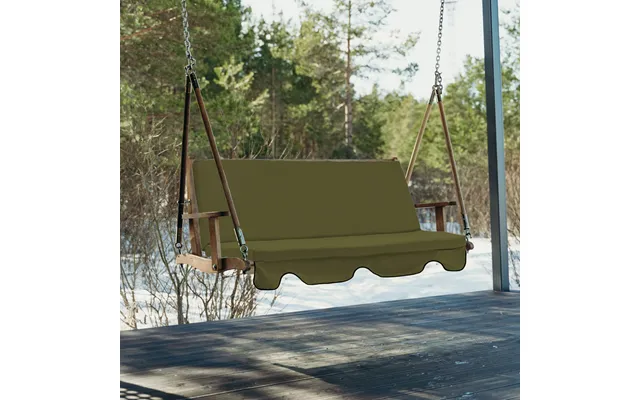
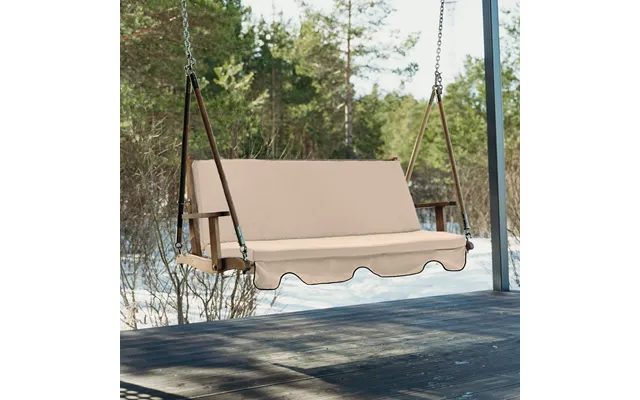
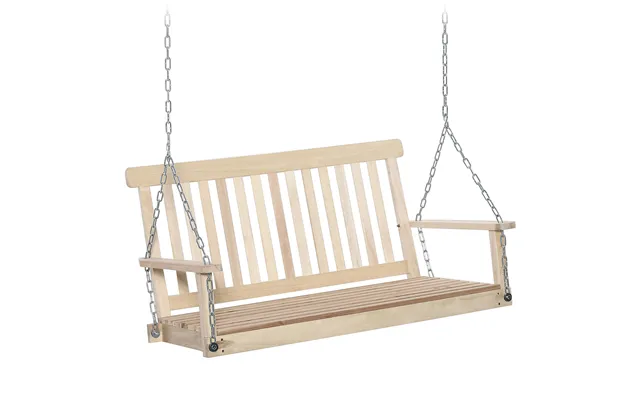
Hanging porch swings mount to a ceiling, beam, or a strong tree limb. They give that classic “floating” look and deliver a gentle, true-swing motion. Ideal if you have a sturdy overhead beam at least 6 to 8 inches wide or a suitable rafter. Common seat widths range from 3 feet to 6 feet, so you can pick a single-seat lounger or a wide 5-foot swing for two.
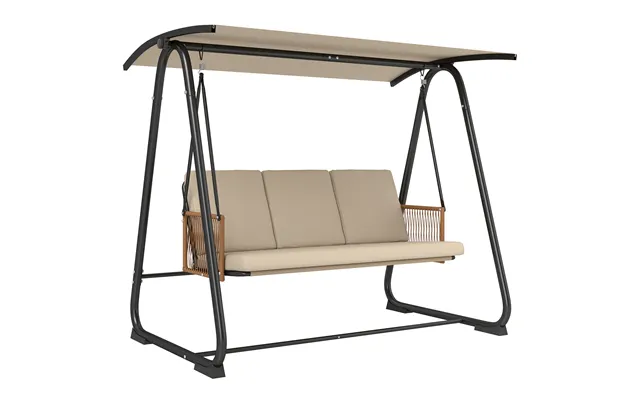
Freestanding swings sit on an A-frame or a freestanding stand and need no ceiling mounting. They’re great for patios, lawns, or locations where drilling into the roof isn’t an option. Freestanding options can be heavier and take up more floor space—expect stands that are 6 to 9 feet long depending on the swing width.
Bench-style swings often look like traditional garden benches but offer a gentle sway. Gliders run on arms and provide a smooth back-and-forth motion without the hang chains. They’re low-maintenance alternatives to hanging swings and are well suited for porches with limited overhead support.
The material you choose affects looks, maintenance, weight capacity, and price. Here are the common materials and what to expect from each.
Wood is classic and warm. Teak is the heavyweight champion for outdoor use—naturally oily, weather-resistant, and long-lasting, though pricier. Cedar resists rot and insects and offers a lovely aromatic finish. Expect wooden swings to weigh more (often 70 to 150 pounds for a 5-foot model) and to need periodic sealing or oiling to keep them looking sharp.
Metal swings are sleek and sturdy. Powder-coated aluminum resists rust and is lighter—good for freestanding frames. Steel and wrought iron feel substantial and can be ornate, but they must be treated or powder-coated to avoid rust. Metal seats are often paired with cushions for comfort.
Synthetic wicker looks like natural rattan but holds up better to moisture and UV exposure. It’s lightweight and low-maintenance, paired nicely with weatherproof cushions. Expect a synthetic wicker 5-foot swing to weigh 60 to 100 pounds depending on frame materials.
Some swings use marine-grade rope or all-weather fabrics for a breezy, relaxed look. These are comfortable and dry quickly after rain, but check UV resistance and weight capacity before buying.
Size matters. A tiny swing on a big porch looks lost, and an oversized swing on a small porch blocks traffic. Here’s how to match measurements to your space.
Common seat widths are 3 feet, 4 feet, 5 feet, and 6 feet. A 3-foot swing is good for one person; a 5-foot swing comfortably seats two. Depth typically ranges from 18 to 24 inches—deeper seats feel roomier. Make sure the swing’s width leaves at least 2 to 3 feet of clearance on each side to avoid hitting railings or walls while swinging.
Hanging swings need about 1 to 2 feet of clearance behind the seat for natural motion. Ideally, the bottom of the swing should sit 16 to 20 inches off the floor for ease of sitting and standing. If your porch ceiling is low, a shallower seat or a freestanding frame might be a better option.
Check manufacturer specs: many porch swings hold 400 to 600 pounds, while heavy-duty models manage 800 pounds or more. Think practically—two adults plus a few cushions can add weight quickly. If you plan to use the swing for lounging with multiple people, choose a higher rated option for safety and longevity.
A porch swing’s comfort comes from seat shape plus bedding. Don’t skimp on cushions—they’re the difference between a nice-looking swing and one you actually want to use every day.
Look for cushions labeled “all-weather” or “outdoor.” Quick-dry foam with a polyester or acrylic cover resists mold and dries fast after rain. Thicker cushions—2 to 4 inches—offer better comfort. If you like plush seating, choose 4-inch cushions with memory foam or high-density foam cores.
High-back swings support your shoulders and neck and are great for reading or napping. Slatted backs breathe in hot weather and look traditional, while contoured seats follow your spine for better posture. Test the slope of the seat; a gentle recline around 100 to 110 degrees from the seat base feels relaxing without tipping you back too far.
Installing a hanging porch swing is straightforward if you use the right hardware and follow safety steps. Here’s what to expect and how to do it right.
Never anchor a swing to a thin fascia board or decorative trim. You need a solid beam or a joist capable of supporting live loads—aim for at least 2 by 8 inches in dimension or better. If you’re unsure, drop into the attic or check from below. For extra peace of mind, use a beam with a bolt-through eye hook instead of a small screw-in hanger.
Use grade 8 or stainless steel eye bolts, heavy-duty S-hooks, and galvanized or stainless steel chains or straps rated for load-bearing. A pair of 1/2-inch eye bolts or 5/8-inch will handle most residential swings; always follow the manufacturer’s recommended hardware. Keep chains or straps at equal lengths and check that the swing hangs level.
You’ll typically need a drill with a long wood bit, a wrench, a tape measure, a stud finder, and maybe a helper to hold the swing during mounting. Pre-drill holes, use washers under nut heads, and torque to the hardware specs. If you’re mounting to an older beam or uncertain of the structure, consult a professional.
Some maintenance extends the life of your porch swing considerably. The right care depends on the material.
Teak needs the least fuss but looks best if you oil it occasionally—once or twice a year in wet climates. Cedar benefits from a clear sealant to maintain color and repel moisture. Sand and touch-up finishes as soon as splinters or cracks appear.
Powder-coated metal needs only periodic cleaning with soap and water. For steel, inspect for chips and touch up with rust-proof paint. Resin wicker is low maintenance: rinse with a hose and spot-clean stains. Always dry cushions flat and store them during prolonged storms or winter to prevent mildew.
Check chains, straps, and eye bolts every few months for wear or corrosion. Replace any frayed rope or rusted chain immediately. Tighten bolts annually. A small routine check can prevent accidents and costly repairs.
Porch swings are functional art. With a few styling moves you can make yours the centerpiece of your outdoor living area.
Choose cushion fabrics that complement your exterior paint and landscaping. Layer with outdoor throw pillows—mix patterns and solids for depth. A neutral swing base with bright cushions can give a pop of personality without overwhelming the space.
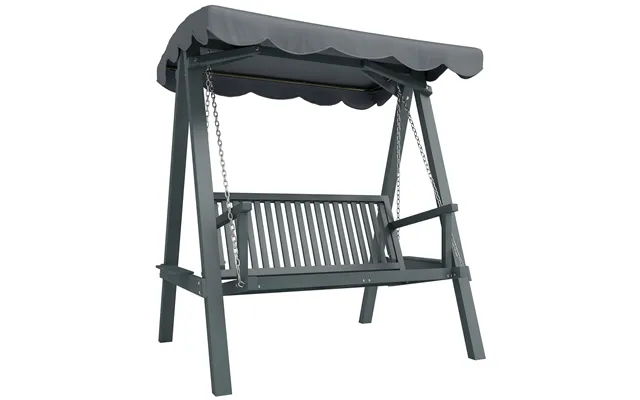
String lights, lanterns, or a nearby floor lamp will make your swing usable into the evening. Add a side table for drinks and a throw blanket for crisp nights. For extra shade, consider a canopy for freestanding swings or a retractable awning above a hanging swing.
Porch swings vary widely in price depending on material, size, and brand. Here’s a quick breakdown to help set expectations and guide your search.
Entry-level swings—often metal or simple wood slatted designs—are available in this range. They’re fine for occasional use or a small balcony. Expect thinner hardware and lighter materials. Durability varies, so read reviews and check hardware ratings before buying.
This is the sweet spot for most buyers. You’ll find solid teak or eucalyptus swings, high-quality synthetic wicker, and sturdy freestanding frames. Mid-range models often include thicker cushions, better finishes, and heavier-duty hardware rated for 400 to 600 pounds.
Luxury swings include handcrafted teak, heavy-duty wrought iron, or designer pieces with canopy systems and premium cushions. These are built to last decades and often come with better warranties. For large families or heavy use, investing in a high-end model often pays off long-term.
If a porch swing isn’t quite right, consider alternatives or accessories that offer similar relaxation value.
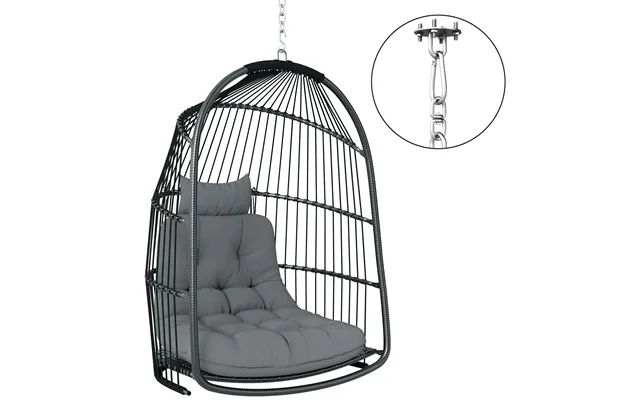
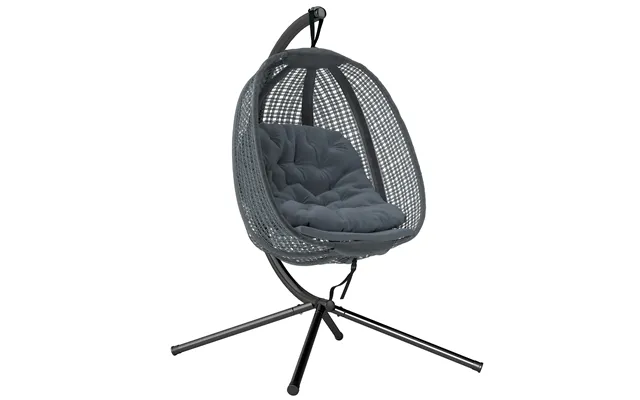
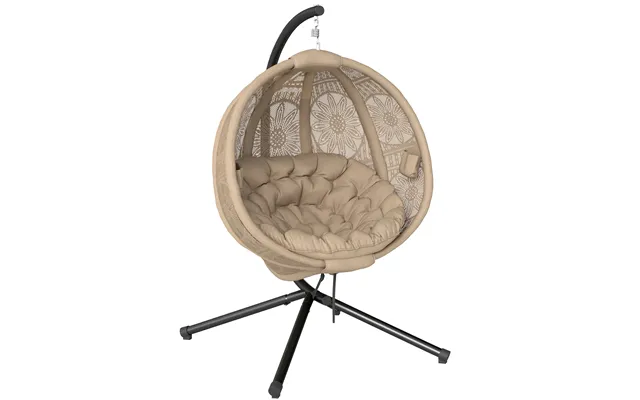
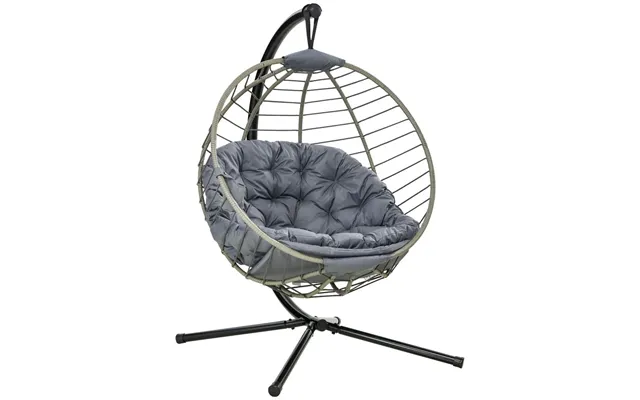
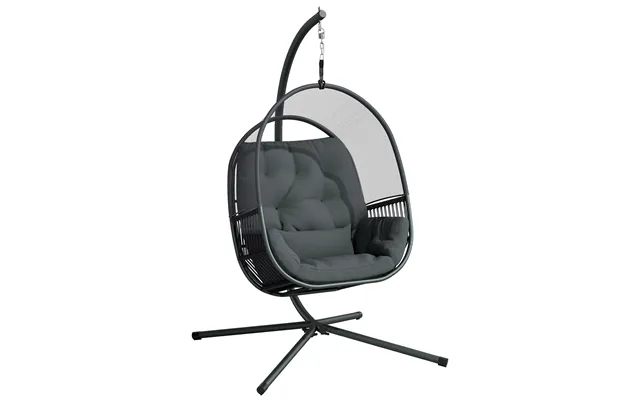
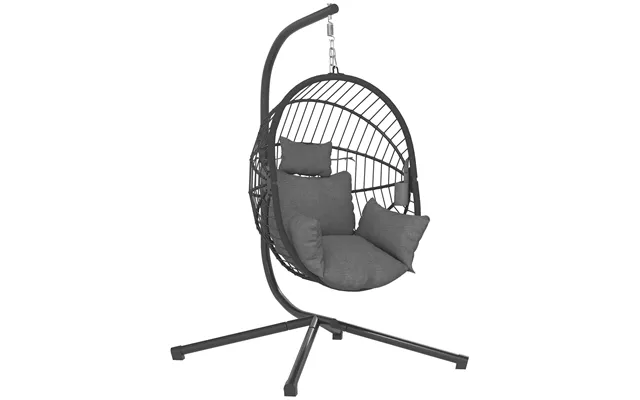
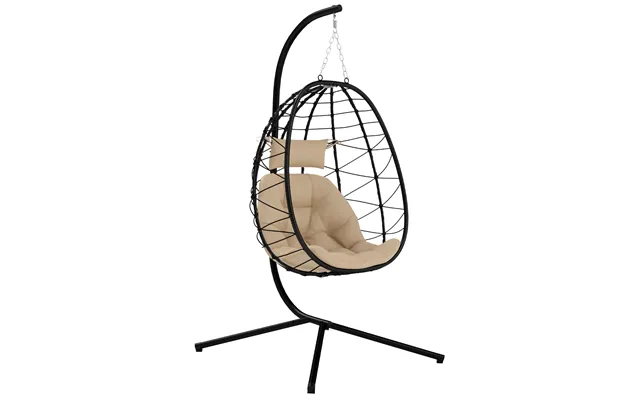
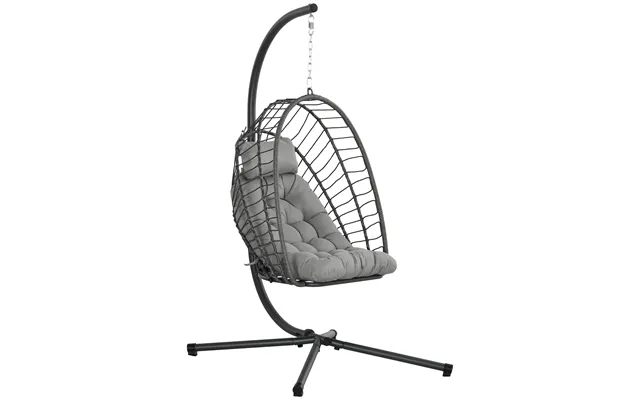
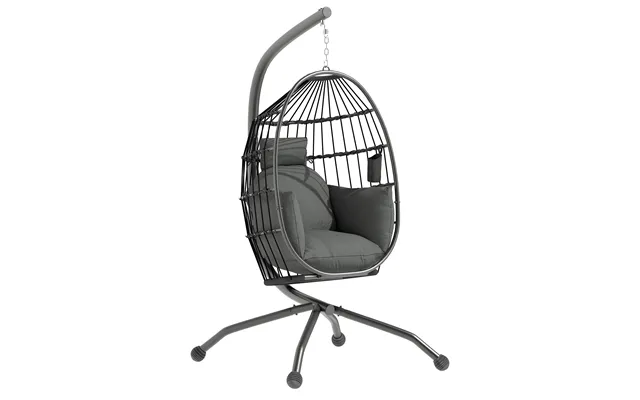
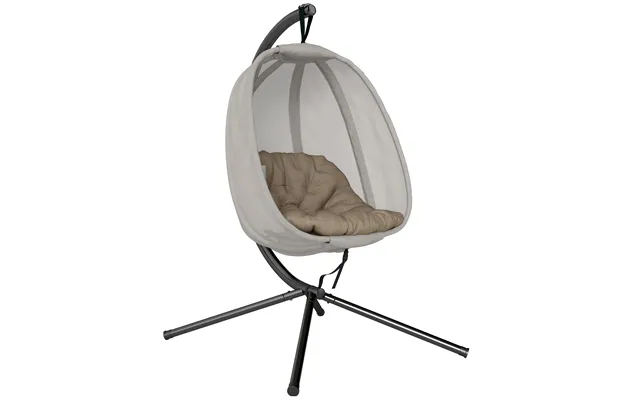
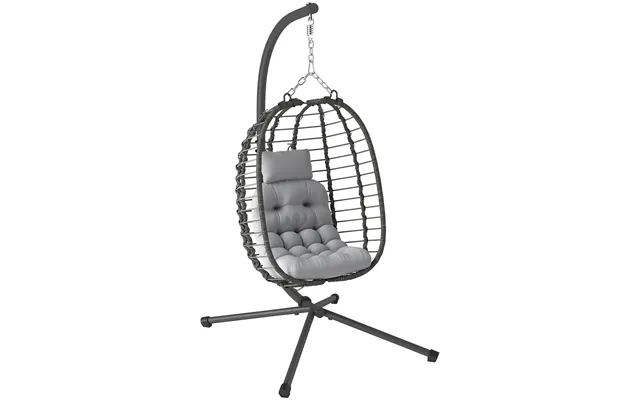
Hammocks are ultra-relaxing and portable; they work well if you have two solid anchor points or a hammock stand. A hammock chair gives a similar suspended feel in a space-saving vertical format.
Gliders provide steady motion without hanging hardware. Rocking benches combine the charm of a swing with the simplicity of a bench, and both can be easier to mount on a shallow porch.
Don’t forget a weatherproof cover, mounting hardware rated for the swing’s weight, and high-quality cushions. A matching side table, an outdoor rug, and waterproof throw blankets will turn the swing into a full outdoor living vignette.
Before you click “buy,” run through this checklist: measure your space, check weight ratings, confirm mounting requirements, read user reviews for real-world durability, and check warranty terms. If you’re buying online, look for clear return policies and assembly guides so you know what you’re getting.
Visiting a showroom lets you sit in different swing types and gauge comfort, cushion thickness, and ease of getting in and out. If a showroom visit isn’t possible, read detailed customer photos and questions to see how a model performs in daily life.
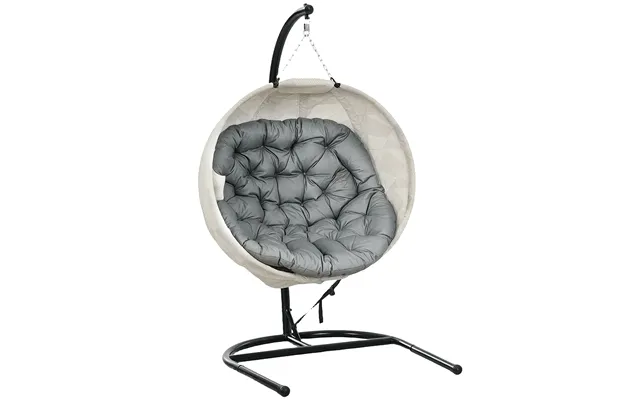
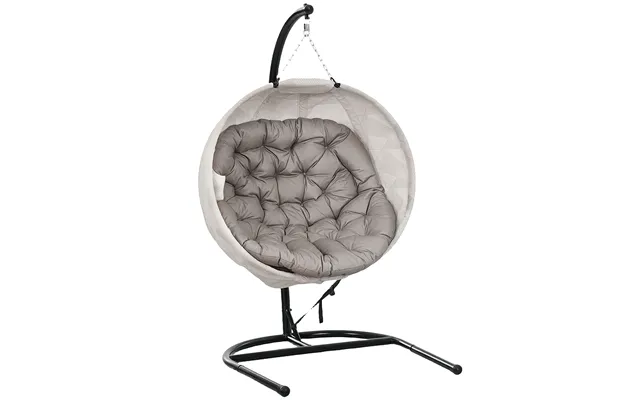
A porch swing is more than furniture: it’s an invitation to slow down, enjoy the outdoors, and create memories. Whether you pick a budget-friendly metal seat for a small balcony or splurge on a premium teak freestanding swing for the garden, the right choice blends comfort, safety, and style. Measure carefully, choose durable materials for your climate, and don’t forget the cushions and hardware—those small details make a big difference. With the tips in this guide, you’re ready to find a porch swing that fits your space, budget, and how you like to relax.
| Porch Swings | Price | |
|---|---|---|
| Coating To Hang Bed 2 Paragraph. 255x145x170 Cm 2 Zippers | kr. 566,- | |
| Gyngebænk 118x70x104,5 Cm Massively Poplar White | kr. 862,- | |
| Gyngebænk 118x70x104,5 Cm Massively Poplar Black | kr. 862,- | |
| Gyngebænk 118x70x104,5 Cm Massively Poplar Brown | kr. 908,- | |
| Gyngebænk 118x70x104,5 Cm Massively Poplar Gray | kr. 908,- | |
| Montreal Hang Bed 3 Pers. Black | kr. 962,- | |
| Swing Couch To Garden With Canopy Black | kr. 1.290,- | |
| Swing Couch To Garden With Canopy Sandhvid | kr. 1.468,- | |
| Gyngebænk With Canopy Massively Fir Tree With Teakfinish | kr. 2.576,- | |
| Gyngebænk With Canopy Massively Fir Tree With Teakfinish | kr. 2.576,- |