
Leaf Blower Accessories price list
Last updated Friday, 18 Sept 2026





View 14 Offers

Loading...
Last updated Friday, 18 Sept 2026
If you own a leaf blower, you already know it can save hours of back-breaking work, but the right accessories can turn a good machine into a great one. Accessories let you adapt the blower to different tasks—vacuuming leaves, cleaning gutters, edging pathways, or handling wet debris—so you get more done with less effort. Think of accessories as the multi-tool add-ons that extend the life and usefulness of your investment.
There’s a surprising variety of attachments and add-ons available, and choosing the correct ones depends on the jobs you face. From vacuum and mulching kits that reduce bag volume to narrow turbo nozzles for concentrated power, each item fills a specific need. Below I’ll walk you through the most useful categories and why they matter.
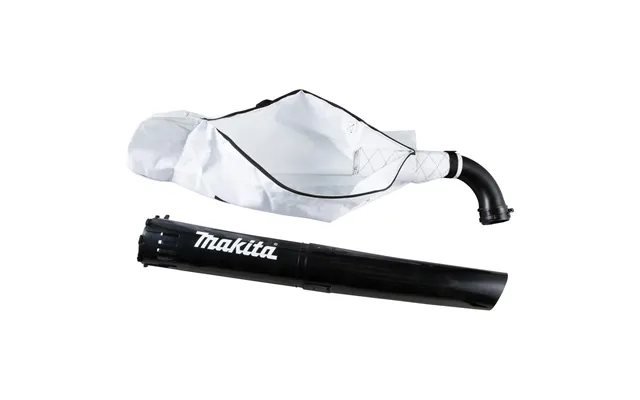
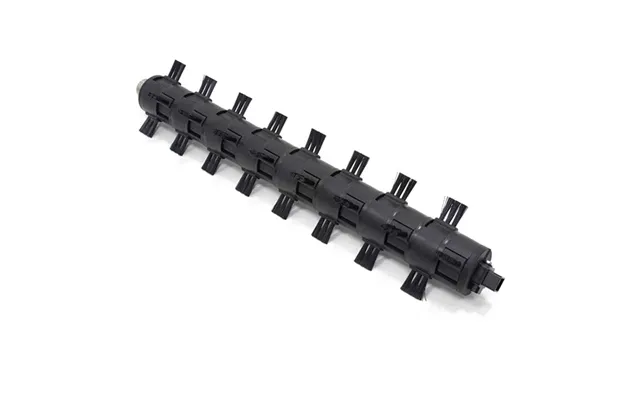
Want to turn your blower into a leaf vacuum? A mulching kit shreds leaves down so the volume in the collection bag is much smaller—often by a factor of 10. These kits usually include a vacuum tube, shredding blades, and a bag; with an effective kit you can collect leaves that would otherwise take multiple trips to the curb. Look for mulching ratios and CFM (cubic feet per minute) compatibility when shopping—higher CFM machines handle thicker, wetter leaves better.
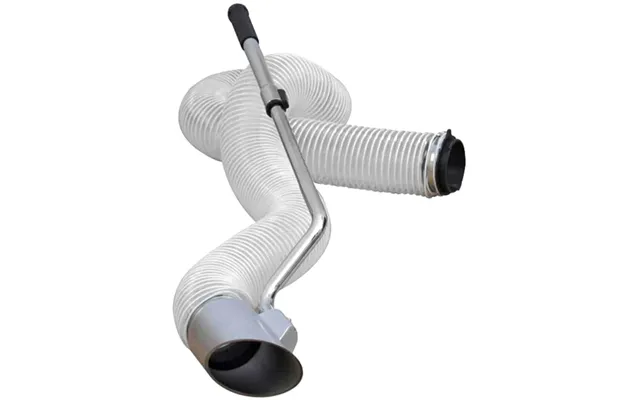
Gutter cleaning kits come with long curved tubes that let you reach gutters from the ground, typically extending up to 16 or 20 feet when combined with extension wands and poles. They save you from climbing ladders and reduce the risk of falls. If you have high or awkward gutters, prioritize reach, swiveling heads, and secure attachment points so the tube won’t pop off mid-job.
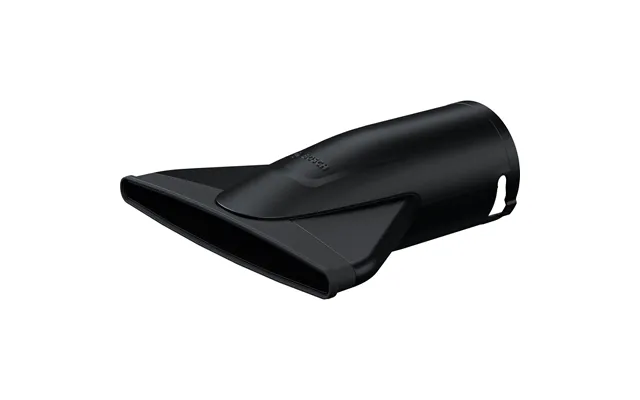
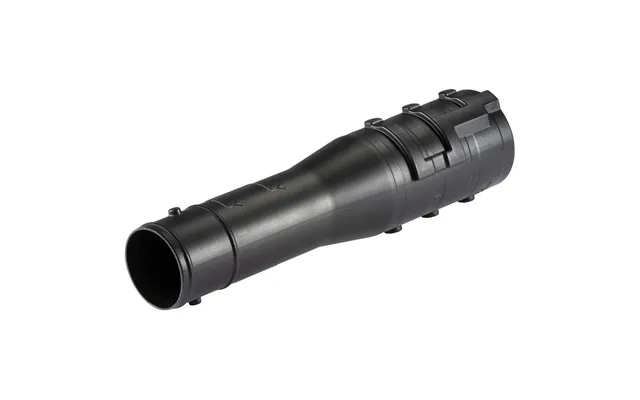
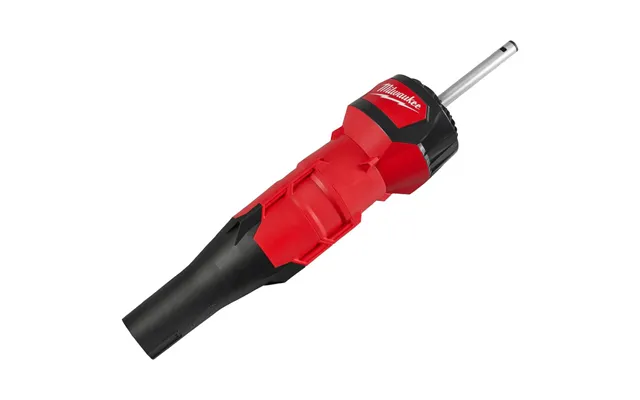
Extension tubes and turbo nozzles concentrate airflow into a smaller area, increasing airspeed to loosen compacted debris and push wet leaves. A turbo nozzle can raise the mph—miles per hour—of the airflow while keeping CFM focused on a tight stream. These are perfect for driveways, tight corners, and stubborn debris that the wide nozzle won't budge.
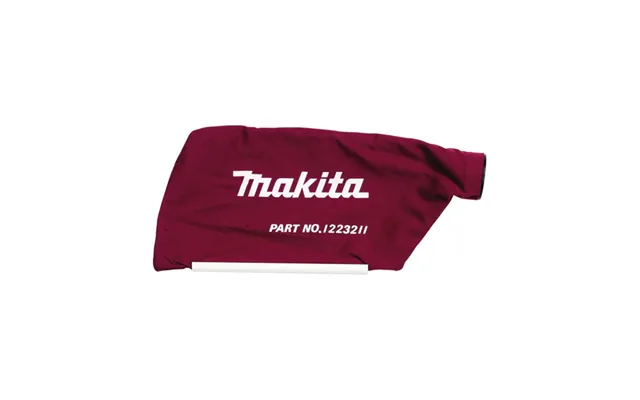
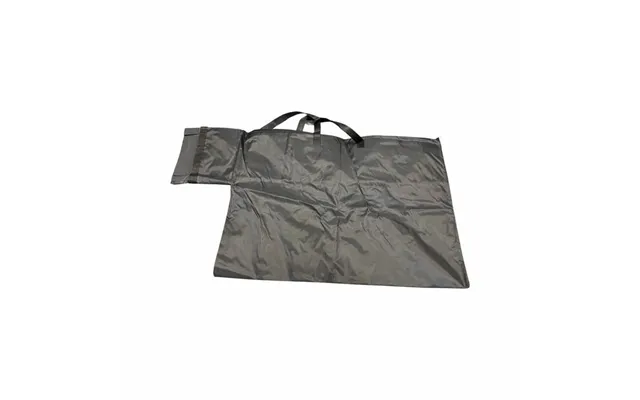
If you use a vacuum/mulcher setup, replacement bags are an essential consumable. Options vary from basic cloth bags to reinforced, weather-resistant models with zipper closures. Capacity is usually described in gallons, but if you prefer imperial terms, think in cubic feet—larger bags mean fewer stops to empty. When choosing, match the bag’s connection style to your blower and check for zip or drawstring options for quick dumps into a bin.
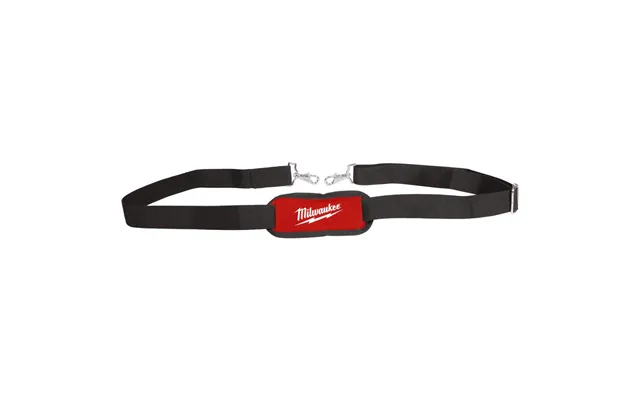
Blowers can be heavy, and even a moderate handheld model gets tiring after 30 minutes. Shoulder harnesses, padded straps, and anti-fatigue attachments redistribute weight from your wrist to your shoulders, cutting muscle strain dramatically. For jobs expected to last an hour or more, a harness is worth its weight—literally and figuratively.
If you frequently tackle large yards, switching to a backpack conversion can be a game-changer. Converting a handheld unit to a backpack model reduces arm fatigue and increases efficiency, especially with high-airflow machines rated above 400 CFM. Backpack setups are typically measured in pounds of force and CFM, so choose one that complements your blower’s specs for peak performance.
Battery-powered blowers are convenient, but runtime is often the bottleneck. Adapters let you use higher-capacity batteries or batteries from other tool lines. Buying one or two extra batteries and a fast charger can keep you working with minimal downtime—think of it as swapping out fuel tanks. Check voltage compatibility and connector types to avoid frying your unit.
Noise matters—whether you want to keep neighbors happy or simply preserve your hearing. Some attachments incorporate sound-reducing mufflers or specially designed nozzles that lower decibel levels without sacrificing too much airflow. If you use your blower in noise-sensitive areas, weigh the trade-off between lower noise and reduced mph/CFM.
Selecting the wrong accessory can be as bad as having no accessory at all. It’s not just about the brand—it's about airflow, connection type, and intended use. Let’s break down the practical steps to make sure your purchase works with your machine and feels good in your hands.
CFM (cubic feet per minute) and mph are the two metrics that determine what your blower can do. CFM measures volume of air; mph measures speed. For vacuum and mulching kits, focus on CFM—kits usually need a minimum CFM to feed the shredder. For turbo nozzles and stubborn debris, mph is key. Smaller machines in the 200–350 CFM range are fine for light leaves and short grass, while machines above 400–500 CFM are better for heavy, wet jobs.
Not all attachments snap onto every blower. Some use proprietary latches; others use universal clamps. Before you buy, inspect your blower’s nozzle diameter and mounting hardware, and compare with the accessory’s specs. Universal adapters can bridge differences, but they add an extra point of failure—measure twice, buy once.
It’s easy to forget that an accessory changes how the blower feels. A long extension tube shifts balance and can make the front feel heavy; a backpack conversion transfers weight to your shoulders but adds load to your back. Try to test accessories in-store or choose sellers with generous comparison tools so you can assess how a setup will wear over a 30–60 minute session.
Even the best accessory is a hazard if installed incorrectly. Simple safety checks and proper installation will keep you productive and injury-free. Think of this as your pre-flight checklist for yard work.
It sounds basic, but many problems arise from loose or overtightened fittings. Follow the manufacturer’s instructions for installation and any torque recommendations for clamps and screws. If the kit requires a blade or impeller swap, make sure the engine or motor is completely off and disconnected before starting.
Wear eye protection, hearing protection, gloves, and appropriate footwear whenever operating a blower—especially with vacuum and mulching attachments that can spit out small stones or metal debris. If you’re working on ladders for gutter cleaning, add fall protection and a spotter when possible.
Keep attachments clean and dry to avoid rust and degradation. For mulching kits, inspect blades regularly for nicks and dullness—sharp blades mulch better and put less stress on the motor. Store battery packs in a cool, dry place and avoid leaving them fully charged or fully drained for long periods to prolong battery life.
Some brands excel at particular accessories: Stihl and Husqvarna are known for durable commercial-grade attachments, while EGO, Makita, and Ryobi offer user-friendly battery adapters and modular systems. Don’t just chase a name—compare specs, warranty terms, and user reviews to make an informed choice.
Comparison platforms gather prices and specs in one place so you can evaluate options quickly. When comparing, filter by compatibility (model number), check user photos, and read reviews that mention long-term durability. Pay attention to shipping costs and return terms—these can tip the balance when two options look similar on paper.
If you’re maintaining a small yard, budget accessories can add substantial value without breaking the bank. For large properties or commercial work, investing in heavy-duty backpack systems, pro-grade mulchers, and multi-battery setups is often more cost-effective in the long run because of durability and time saved.
Start with high-impact, low-cost items like extra batteries, a robust shoulder harness, and a turbo nozzle. These typically cost less than expensive conversion kits but deliver immediate improvements in comfort and performance. For intermittent cleanup, a vacuum bag replacement and a good pair of ear protectors may be all you need.
If your property is several acres, or you’re clearing wet, compacted leaves regularly, step up to higher-CFM machines and heavy-duty mulching kits. Professional-grade attachments are heavier and more expensive but last much longer and reduce downtime—especially valuable if you’re running a landscape business or doing extensive seasonal cleanups.
Handy with tools? Some DIY upgrades can extend the life of your blower without voiding warranties—like fabricating simple adapters or reinforcing connection points. However, avoid altering engines, fuel systems, or electronics, as that can be dangerous and risky for warranty coverage.
If your blower loses suction after adding a vacuum kit, check for clogged tubes, damaged seals, or a bag that’s overfilled. If noise spikes with an attachment, inspect for misalignment or loose clamps. Simple preventive steps—tightening bolts, replacing worn seals, and cleaning inlets—solve most problems quickly.
Some accessories aren’t flashy, but once you use them you’ll wonder how you ever managed without them. Think anti-static tubing to prevent clogging with dry leaves, or a quick-release connector so you can switch tools in seconds. These small conveniences add up to big time savings.
Consider different accessories for different seasons: in fall, focus on vacuum/mulching kits and extended-reach gutter tools; in spring, a turbo nozzle and edger attachments help clear stubborn winter debris. Planning seasonal upgrades spread across the year keeps costs manageable while ensuring you have the right tool for each task.
Accessories can dramatically improve the usefulness, safety, and comfort of your leaf blower. The best approach is to prioritize the tasks you do most often, match accessories to your blower’s CFM and mph ratings, and balance cost with expected use. With the right setup, yard work becomes faster, less tiring, and surprisingly satisfying.
Choosing the right leaf blower accessories is about matching tools to tasks and thinking ahead about comfort, compatibility, and long-term value. Whether you need a simple shoulder harness to finish a weekend cleanup or a full vacuum and mulching kit for seasonal debris, the right attachments make the job easier and your blower more versatile. Take a moment to measure your blower, list the jobs that frustrate you most, and pick the accessories that solve those problems first—your future self will thank you.