All categories
Business & Offices
Electronics & Media
Fashion & Accessories
Groceries & Essentials
Health & Personal Care
Home & Living
Kids & Family
Sports & Outdoors
Search in ZoneOffer
Loading...
If your lawn feels like a compacted sidewalk or the grass looks thin and stressed, aeration could be the secret sauce it’s missing. Aerating loosens packed soil, allowing air, water, and nutrients to reach grassroots more easily. Think of it like punching small windows into the soil so the lawn can breathe again—especially after a long season of foot traffic or heavy rainfall.
There are two basic approaches to aeration: core and spike. Core aerators remove plugs of soil from the ground, creating room for roots to expand and for seed to make better contact. Spike aerators simply poke holes, compressing the surrounding soil slightly. Which do you need? If your soil is dense clay or you haven’t aerated in a couple of years, a core aerator that pulls 2 to 4 inches of soil out is usually best. For routine maintenance on sandy soil, a spike tool can provide a quick, if less thorough, refresh.
For true relief of compaction, aim for tines that penetrate at least 2 to 3 inches. Professional machines often go deeper—3 to 4 inches—when severe compaction is present. If you’re renting or buying, check the tine depth specs in inches so you match the tool to your issue.
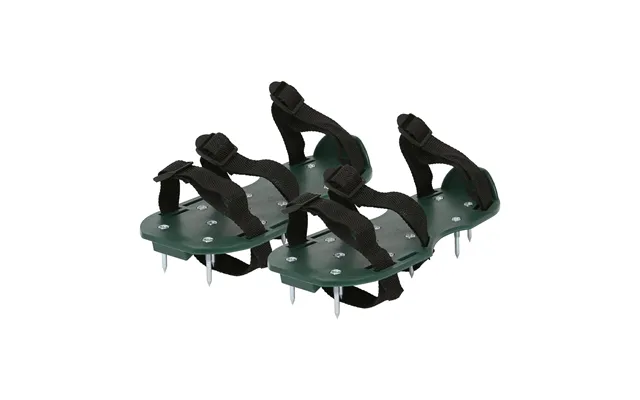
Spike aerators are lighter, cheaper, and easier to use for small lawns or routine touch-ups. They’re a good pick if you aerate every year and your soil is well-draining. But remember: spikes can worsen compaction over time if used exclusively on heavy clay soil, so alternate or upgrade to core aeration periodically.
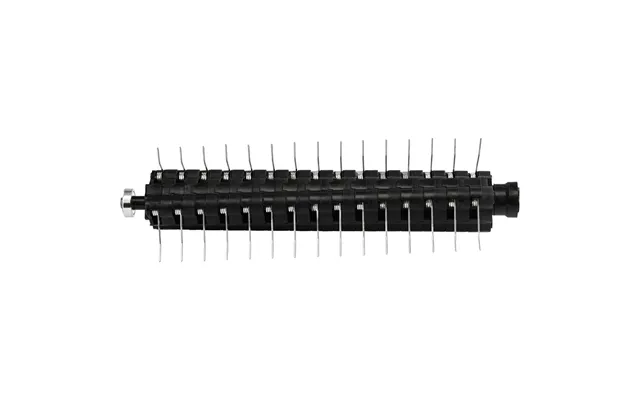
Dethatching and scarifying remove the layer of dead grass, roots, and debris that sits between the soil and the living grass. A light thatch layer—about a quarter of an inch—can be healthy, but anything over 1/2 inch blocks water and air and invites disease. A dethatcher or power rake scrapes the surface and pulls thatch away, while a scarifier uses sharp blades to slice and remove deeper material.
Is your lawn spongy underfoot? Do water and seed sit on the surface instead of soaking in? Those are telltale signs of excessive thatch. If you’re seeing patchy growth despite proper watering and feeding, dethatching might be the missing step.
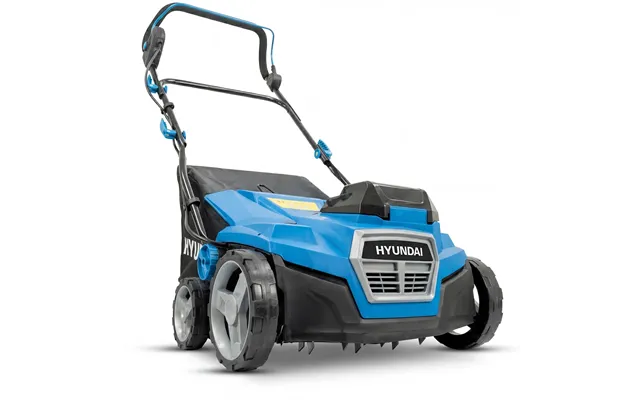
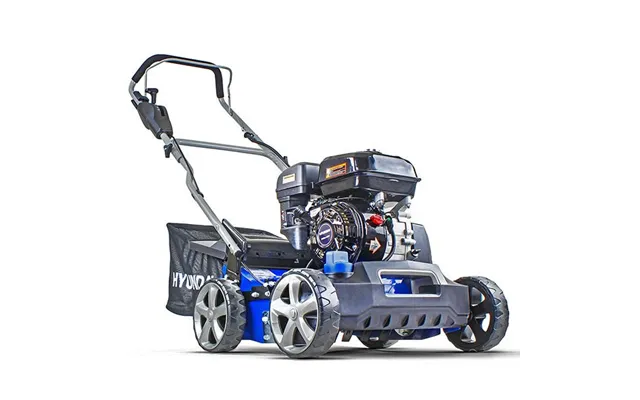
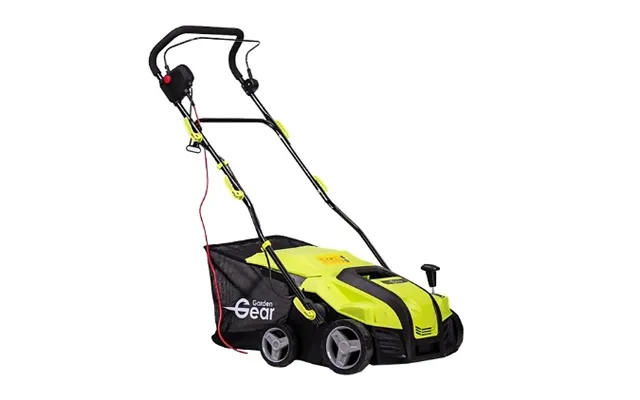
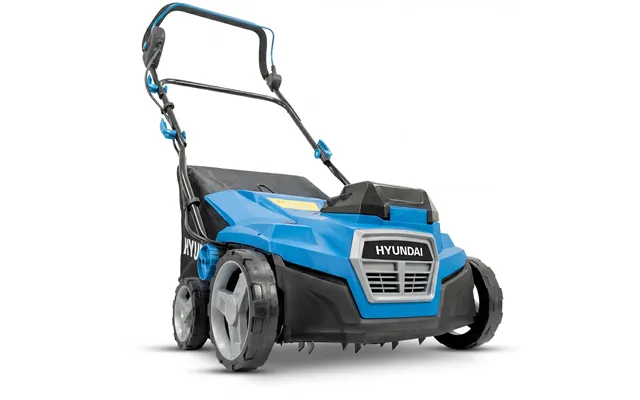
There’s an aerator for every budget and lawn size. Manual slit or spike tools are affordable and fine for small yards. Walk-behind power aerators—either gas or electric—are the workhorses for medium to large lawns, offering adjustable tine depth and wider working widths measured in inches or feet. For acreage, tow-behind aerators or tractor-mounted core units save time and deliver professional results. Dethatchers follow a similar spectrum: hand rakes for light jobs, electric power rakes for medium yards, and heavy-duty scarifiers for large or very neglected lawns.
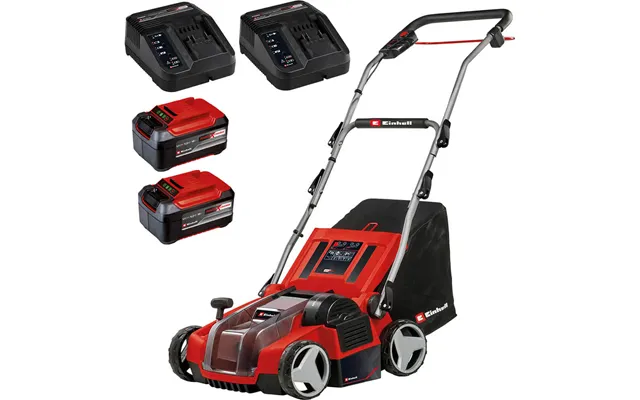
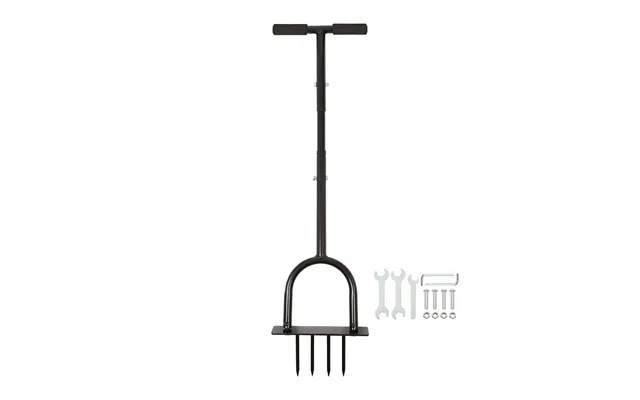
Manual aerators and dethatching rakes are ideal for small plots, tight budgets, or spot treatments. A 6 to 12 inch wide hand core aerator can provide precise control near flower beds and trees, but expect to put in elbow grease if your lawn is more than a few hundred square feet.
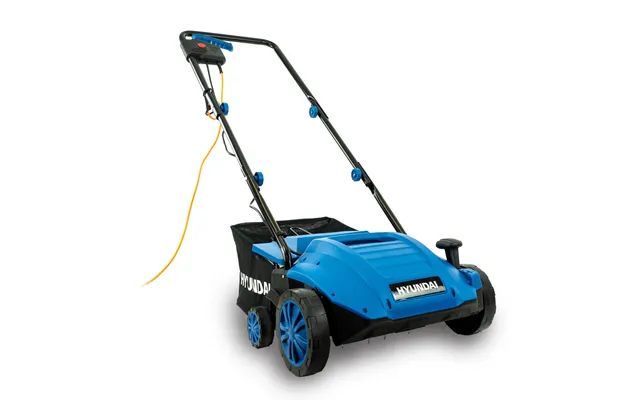
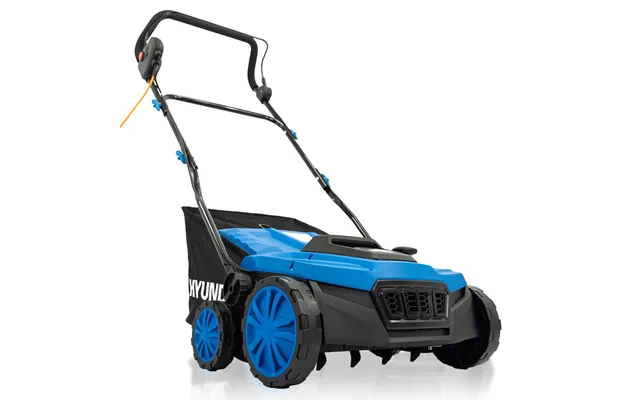
Walk-behind electric models usually cover 12 to 24 inches per pass, while gas models can be 24 to 36 inches or wider. If your yard is around 1/4 to 1/2 acre, a walk-behind unit typically offers the most efficient mix of portability and productivity. Look for adjustable tine depth in inches and a comfortable handle height to avoid fatigue.
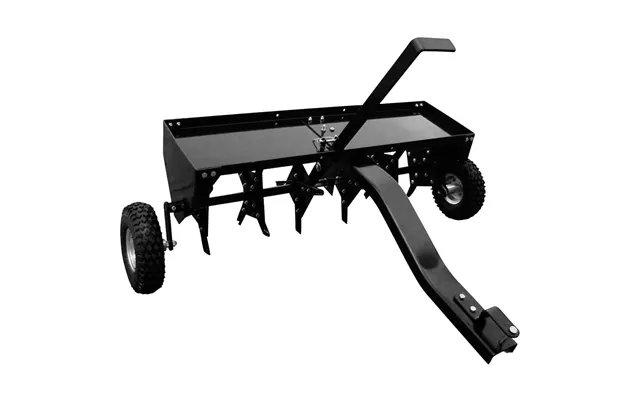
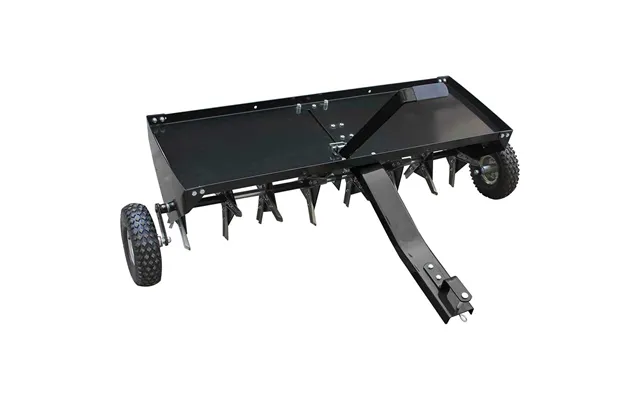
If your lawn is measured in acres rather than feet, don’t fight it with a tiny tool. Tow-behind core aerators attach to lawn tractors and handle wide swaths—often several feet per pass—cutting hours off the job. These units pull heavier plugs and are built to last, but they require a tractor or ATV for operation.
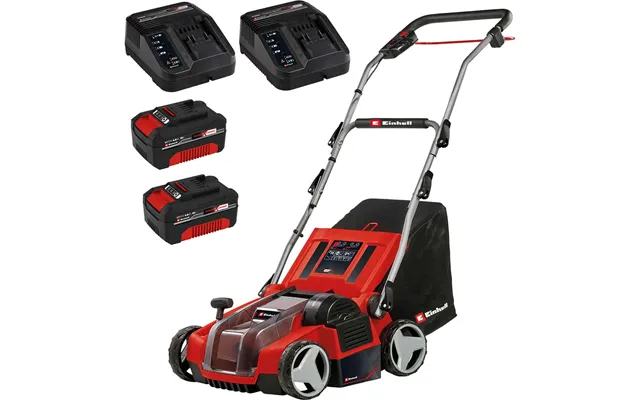
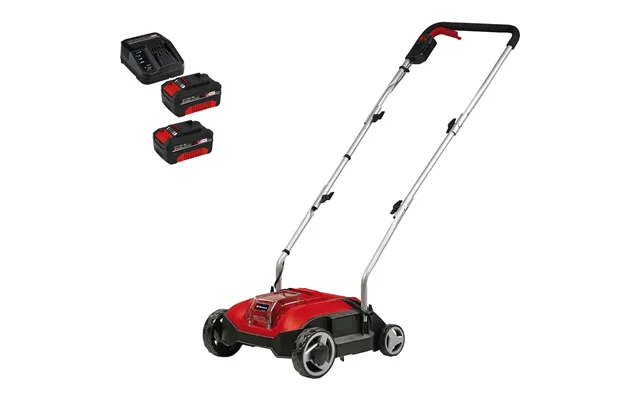
Like any outdoor power tool, aerators and dethatchers vary in features that affect performance. Keep an eye on tine type and depth, working width, power source, weight in pounds, and ease of maintenance. These factors determine how fast you’ll finish and how effective the tool will be on your specific soil type.
Core aerators use hollow tines that remove plugs; these are usually 3/4 to 1/2 inch in diameter and spaced a few inches apart. Closer spacing means more holes per square foot and better results, but also slower coverage. If you’re battling hard-packed soil, deeper tines—around 3 to 4 inches—are worth the investment.
Working width tells you how much ground the machine covers each pass. Small walk-behind units might offer 12 to 18 inches, while larger units can exceed 30 inches. Multiply width by lawn length to estimate how many passes and how much time you’ll need. For example, a 2-foot wide aerator will cover more than twice the area of a 10-inch model in the same time.
Weight matters when you’re moving the machine to and from a shed. Walk-behind core aerators can range from 50 to 200 pounds. Heavier machines dig deeper and stay steady, but make sure you can load and store them safely. Look for folding handles or removable components if storage space is tight.
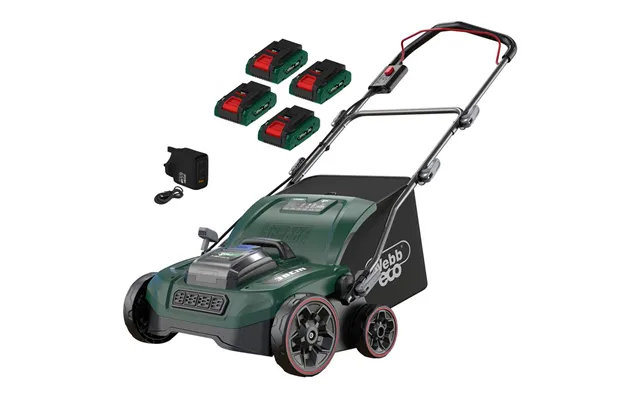
Gas models deliver the most power and run time, useful for large yards and frequent use. Electric models—corded or battery—are cleaner and quieter and are often good for smaller lawns. Batteries are getting better, but if you cover more than 1/4 acre per session, confirm battery life in minutes or hours before relying on cordless models.
When you start comparing options, a few brands regularly show up for reliability and parts availability. Billy Goat and Ryan are known for commercial-grade core aerators and dethatchers, while brands like Husqvarna and Stihl offer walk-behind scarifiers and dethatchers that balance power and user-friendliness. For budget-friendly electric options, Sun Joe and Greenworks make accessible models suitable for smaller yards. Einhell and Toro also offer solid consumer-level tools with reliable service networks.
A name brand is a comfort, but the right tool depends on your yard. If you have heavy soil and frequent compaction, prioritize a machine with deeper tines and a sturdy frame. For seasonal homeowners or infrequent use, a rental from a local garden center might be the smarter route than buying a heavy, expensive machine.
Want results that look like a professional serviced your lawn? Here’s a clear sequence that makes it simple. Start by mowing the lawn a touch shorter than usual—about 1/2 to 1 inch lower—so the tines and blades can reach the thatch and soil more effectively. Next, mark and avoid sprinkler heads and shallow irrigation lines. Then aerate first to open the soil, followed by dethatching if thatch exceeds 1/2 inch. After aeration, overseed or topdress as needed, and water gently to settle soil and seed into the holes.
Cool-season grasses benefit most from aeration in early fall when temperatures are in the comfortable 50s to 70s Fahrenheit and rainfall supports recovery. Warm-season grasses usually respond better to late spring or early summer aeration. For most yards, once a year is sufficient; highly compacted or heavily used lawns might need two times per year or a dedicated core aeration every other year.
Aeration creates perfect pockets for seed to make contact with the soil, dramatically increasing germination success. After aerating, spread seed across the lawn—use pounds per 1,000 square feet as a guide—and topdress with a thin layer of compost or topsoil to improve seed-to-soil contact. Water lightly but regularly until new grass is established.
Deciding whether to buy, rent, or hire depends on lawn size, how often you’ll use the machine, and storage options. A decent walk-behind core aerator can cost several hundred to a few thousand dollars, while a simple dethatching rake is inexpensive. Renting a heavy-duty core aerator for a day can cost between $50 and $150 depending on local rates, making it the smarter choice for a single seasonal treatment. Hiring a pro is pricier but guarantees timely, experienced work if you’d rather spend your free time enjoying the yard instead of maintaining it.
Safety first: always wear gloves, eye protection, and sturdy footwear. Turn off gas or disconnect batteries before servicing blades or tines. Keep blades and tines sharp and clean to reduce wear and improve performance. After each use, remove plugs and debris from the machine, check fasteners, and store in a dry shed to avoid rust. For gas engines, change oil and spark plugs as the manufacturer recommends; for battery models, follow charging and storage best practices to preserve battery life.
Small lawn under 1/8 acre? A manual core aerator or a small electric dethatcher can do the trick without the expense of a heavy machine. For yards between 1/8 and 1/2 acre, consider a battery or gas walk-behind model with a 12 to 24 inch working width. Anything larger and you’ll appreciate a tow-behind unit or hiring a pro—time saved is time earned, and the bigger the lawn the more hours you’ll shave off the chore.
Aeration and dethatching are foundational lawn-care tasks that pay dividends in thicker, healthier grass, fewer disease problems, and better drought resistance. Whether you choose to buy, rent, or hire, understanding the difference between core aeration and spike aeration, matching tine depth to your soil, and following proper timing will help you get the best results. Think of these tools as investments: done right, they can transform a tired lawn into a vibrant, resilient landscape that’s ready for summer barbecues and barefoot afternoons.
Conclusion: A little effort with the right aerator or dethatcher goes a long way. With the guidance above, you can choose the correct equipment, use it at the optimal time, and follow up with overseeding or topdressing to enjoy a thicker, healthier lawn. Let the soil breathe and your grass will thank you.
| Lawn Aerators & Dethatchers | Price | |
|---|---|---|
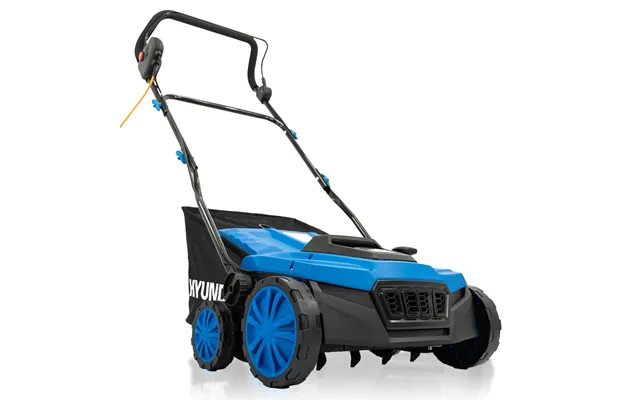
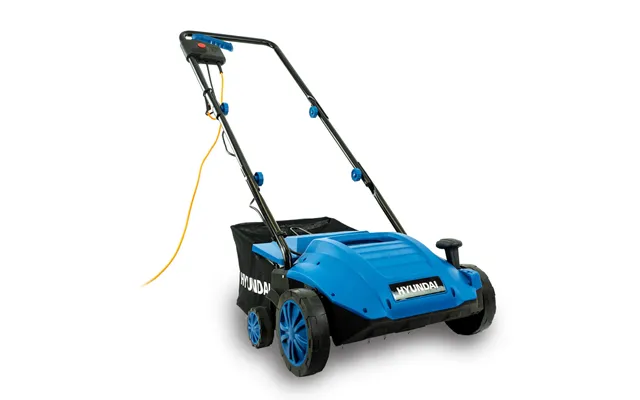
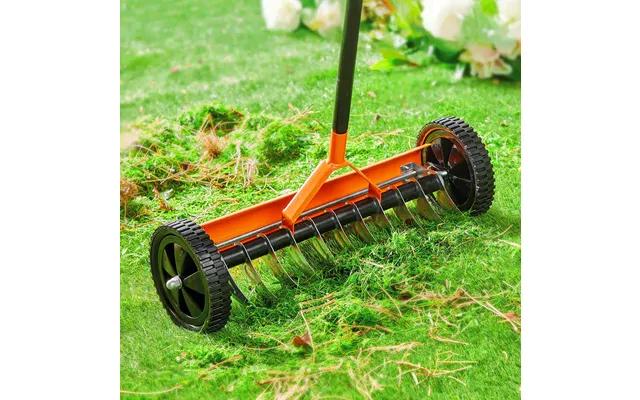
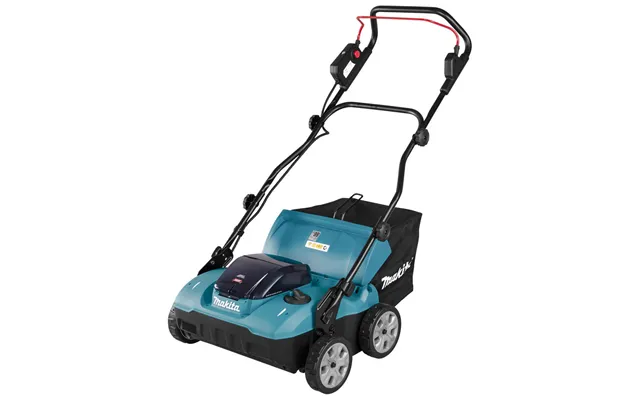
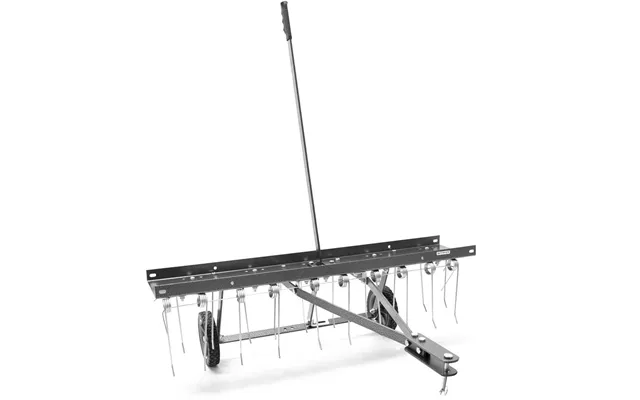
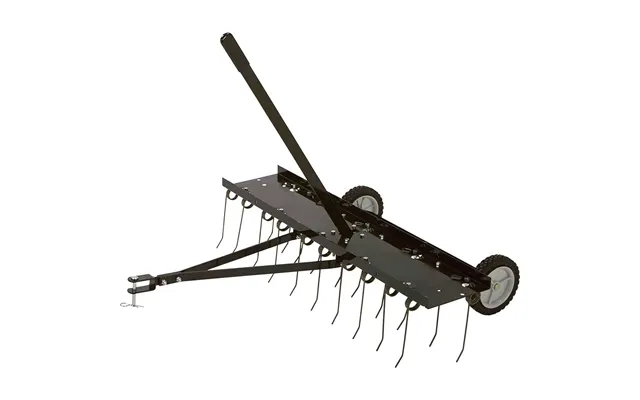
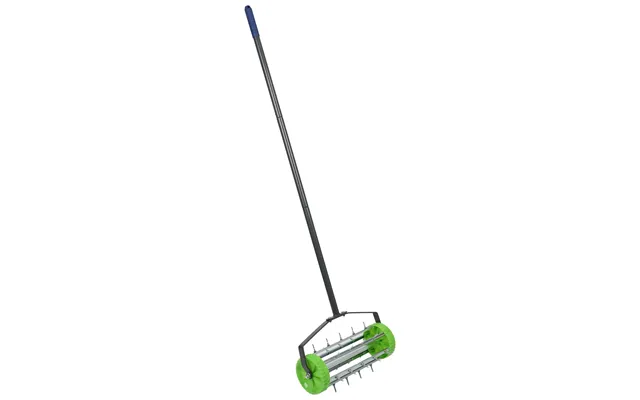
| Rolling Lawn Scarifier 128cm Long Handle 11 Blades | £ 39,99 | |
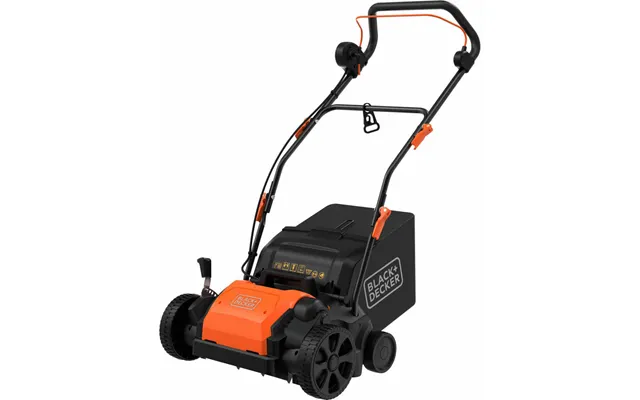
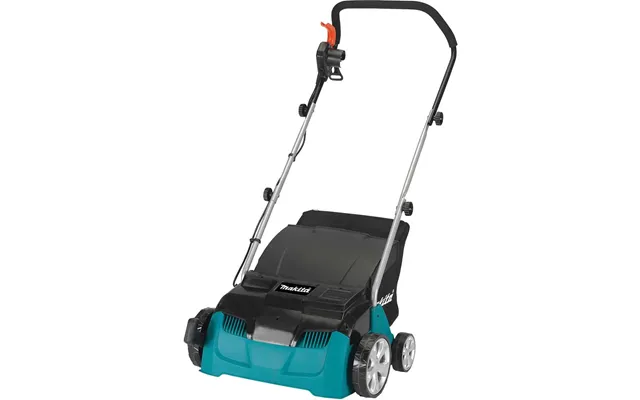
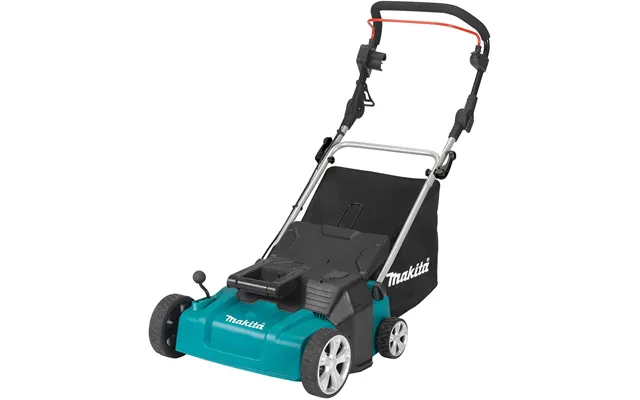
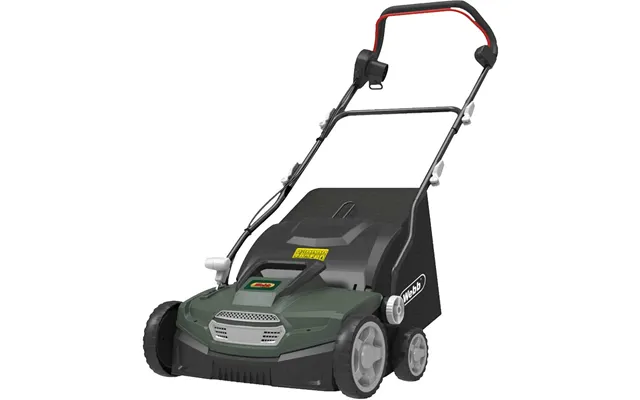
| B D Cord 30cm 1200w Scarifier | £ 129,98 |