

Lawn Vacuums price list
Last updated Monday, 19 Oct 2026



View 10 Offers

Loading...
Last updated Monday, 19 Oct 2026
Leaves, twigs, and grass clippings can turn a tidy yard into a chore in no time. If you want a quicker, cleaner way to reclaim your lawn without hauling piles by hand, a lawn vacuum could be the game changer you’ve been looking for. In this guide I’ll walk you through the main types, must-have features, recommended models, and smart tips to stretch your budget — all in plain English and with real-world advice you can use.
Think of a lawn vacuum as a vacuum cleaner for the outdoors — but tougher. Instead of dragging a rake around and making multiple trips to the compost heap, a lawn vacuum sucks up debris and either collects or mulches it. That means less bending, less bagging, and more time enjoying your yard. It’s especially handy in the fall, after storms, or when you’ve got trees that drop leaves like confetti.
If you own more than a small patch of grass, have lots of trees, or dislike raking, a lawn vacuum can save hours of work each season. Property owners with uneven terrain, gravel driveways, or hard-to-reach corners will appreciate the reach and collection power. It’s also a great tool for hobby gardeners who prefer a tidy lawn without repeated hand labor.
There are three main power types you’ll see: corded electric, cordless battery, and petrol-powered. Which one is right depends on yard size, noise tolerance, and how much raw power you need.
Corded electric models are lighter, quieter, and usually cheaper. They weigh less — often around 20 to 30 pounds — and are ideal for small to medium yards where you can reach all areas with an outdoor extension cord. Cordless battery models give you Freedom Of Movement and are getting better every year thanks to higher-capacity batteries; expect runtimes from 30 minutes up to an hour or more depending on the battery. Petrol models deliver the most suction and are built for heavy-duty jobs and larger properties, but they’re heavier, louder, and need more maintenance.
When comparing vacuums, don’t get dazzled by one flashy spec. Focus on the combination of features that will actually make your life easier.
Bag size matters. If you’re tired of emptying the catch bag every five minutes, look for models with larger collections — many walk-behind or wheeled models offer bags measured in gallons; for example, a 20-gallon bag keeps you working longer than a 4-gallon handheld. Mulching ratio tells you how much the machine shreds debris. A 10:1 mulching ratio reduces 10 bags of leaves down to roughly 1 bag, saving room in the compost bin. Suction and impeller design decide how well wet leaves, sticks, and pine needles are handled; more powerful engines or motors typically mean better pickup, but also more weight and noise.
Rather than listing every model, I’ll highlight the types and what they excel at so you can match a unit to your needs. Think lightweight cordless units for quick cleanup, electric wheeled vacuums for medium yards, and petrol units for big properties and tough tasks.
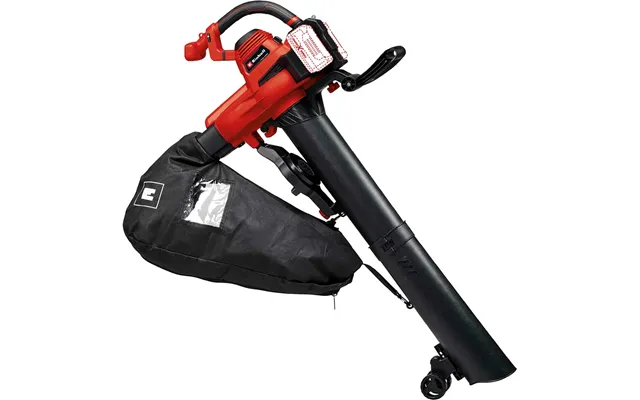
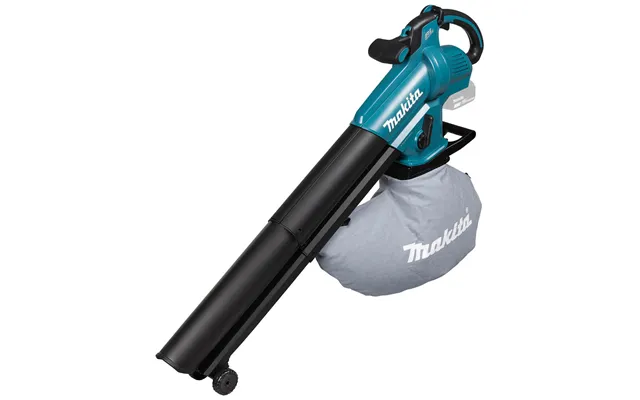
Cordless leaf blower-vac combos are popular for their convenience. Look for units from established brands that offer removable batteries compatible with other tools in the brand’s lineup — that way you can swap batteries between the leaf vacuum and your hedge trimmer or lawn mower battery. Expect these tools to weigh in the 6 to 12 pound range, making them easy to carry for half an hour to an hour at a stretch.
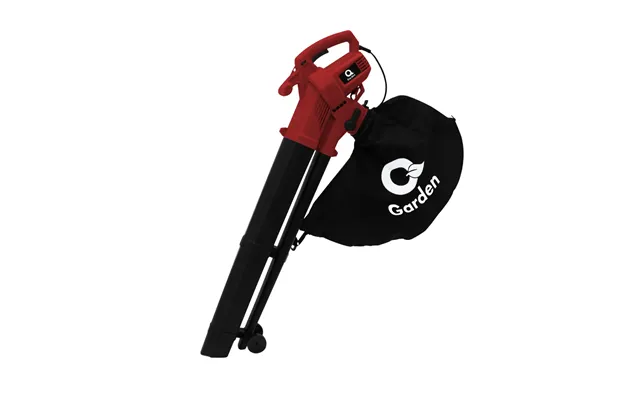
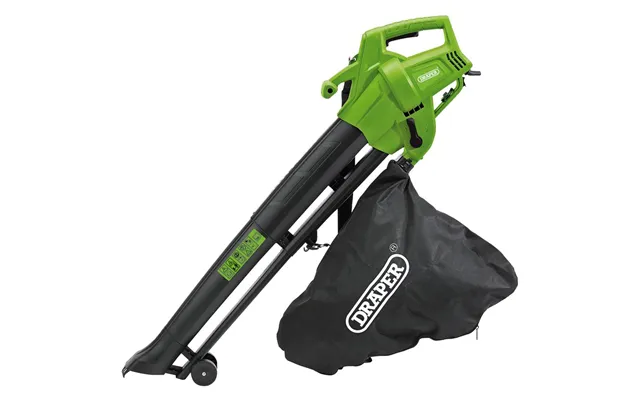
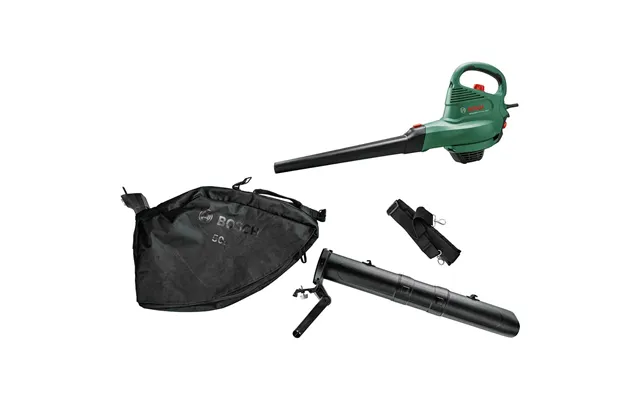
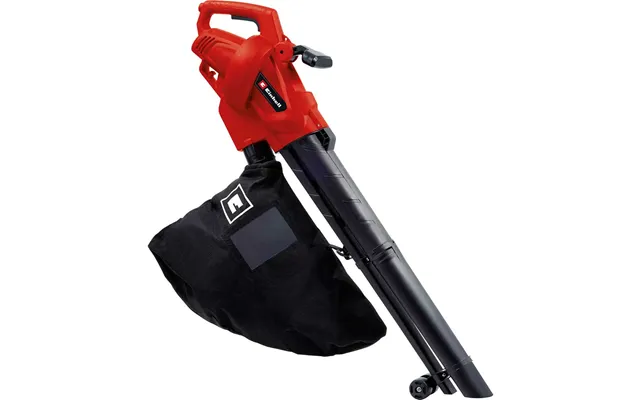
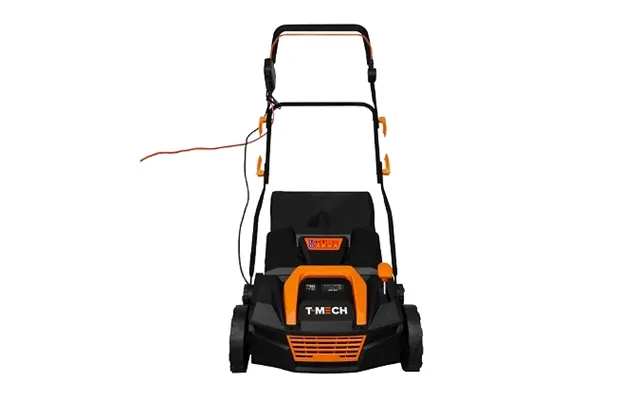
Corded wheeled models often feature a large collection bag and a sturdy impeller, giving better pickup and longer run times than handheld units. These usually weigh 40 to 60 pounds and can cover more ground before you need to empty the bag. They’re ideal if you want the power of a walk-behind without the noise and maintenance of a petrol engine.
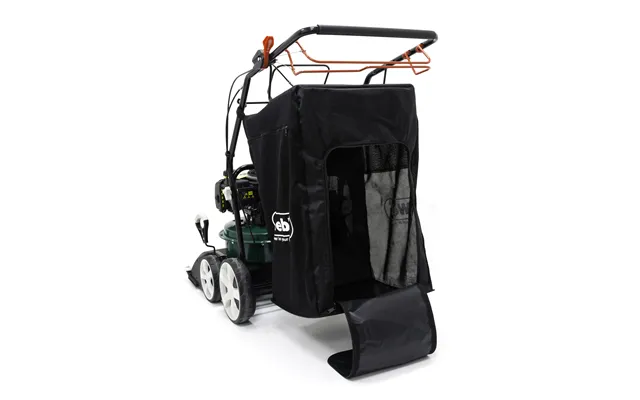
If you manage several acres or need to suck up damp, compacted leaves and small sticks, petrol-powered vacuums are workhorses. They deliver consistently strong suction and mulching, and many commercial-grade models come with larger hoses and wide intake mouths for faster collection. They weigh more — often 80 pounds or more — so look for units with wheels and a stable frame for easier maneuvering.
Many lawn vacuums also mulch, turning bulky leaves into fine material that’s easier to compost or use as ground cover. Some machines double as blowers and shredders, which gives you flexibility to blow leaves into piles before vacuuming or to mulch clippings for compost.
If you compost regularly, a higher mulching ratio is a plus because it reduces bag volume and speeds up decomposition. For occasional cleanup, a simple 3-in-1 unit that blows, vacuums, and mulches will likely be sufficient. For heavy leaf loads and woodier debris, choose a machine built for shredding — they’ll handle sticks and pods better without clogging.
Noise level and emissions can affect not just your comfort but also neighbor relations. Corded electrics and battery units are quieter — usually comparable to a dishwasher or vacuum cleaner — while petrol units can be loud, like a small generator.
If your neighborhood has noise ordinances or you want to work early in the morning or late at night, a quieter electric or battery model is the considerate choice. Battery units also avoid direct emissions and often start instantly, unlike petrol engines that can require a pull start and warm-up.
Like any tool, a lawn vacuum lasts longer with basic care. Regular cleaning, checking fasteners, and blade or impeller inspection keep performance steady and prevent clogs.
Empty the bag regularly to avoid reduced suction. Inspect hoses and intake for packed debris and remove any stuck twigs. For petrol engines, follow the manufacturer’s schedule for spark plug, air filter, and fuel line checks. For battery models, store batteries in a cool dry place and avoid leaving them on the charger indefinitely. A little upkeep keeps the machine lighter to push and prevents frustrating breakdowns mid-job.
Using a lawn vacuum is partly technique. A few simple habits will make the job faster and the result neater.
Start by blowing leaves into a loose pile if the area is large; this reduces the time the vacuum spends sucking air over open lawn. Keep the intake a few inches above the ground for grass clippings, but lower it when picking up leaves. Move at a steady pace — too fast and you’ll miss debris, too slow and you waste time. For wet leaves, work in shorter passes and be ready to clear the impeller if clogs start happening.
Depending on your property, accessories can make a big difference. Hose extensions, larger bags, and specialized nozzles help with hard-to-reach spots, while rubber wheels protect delicate turf.
For tight spaces or decorative beds, a handheld blower might be more nimble than a wheeled vacuum. And if you enjoy the meditative rhythm of raking, a quality rake is still the best choice for precision work. Both options are lighter on the wallet, but if you want to drastically cut manual labor and bagging time, a lawn vacuum is worth the investment.
Prices range widely. Handheld cordless units can be affordable, while commercial petrol vacuums are an investment. To get the most value, think long-term: choose a unit that matches your yard size and expected use.
Look for comparison sites and seasonal sales, especially in the late summer and early fall wave when retailers discount last year’s models. Factor in battery costs if you’re buying cordless — a second battery can double runtime but adds to expense. Read user reviews for reliability notes and check warranty coverage. A slightly higher upfront cost for a durable model often pays for itself over seasons of trouble-free use.
Lawn vacuums are powerful tools that can toss debris if mishandled. Basic safety keeps you and your lawn safe.
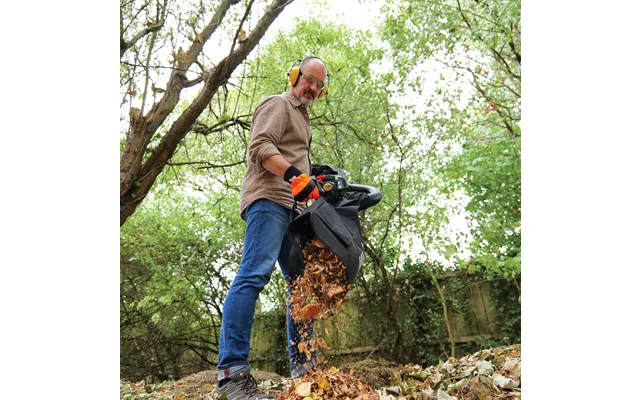
Wear eye protection and hearing protection if you’re using a petrol unit or a powerful electric model. Keep children and pets away while operating. Turn off the unit before emptying bags or removing clogs. Never put your hand into an intake while the motor is running. Finally, avoid vacuuming nails, glass, or thick metal — those materials are better handled with a magnet or a hand tool.
If you’re aiming for a greener yard, choose electric or battery models. They produce fewer direct emissions than petrol engines and are quieter, which reduces noise pollution. Mulched leaves make excellent compost and return nutrients to the soil, so using a mulching vacuum can be part of a sustainable approach to lawn care.
Mulched leaf material breaks down faster and can be spread as a thin layer over plant beds or tossed into your compost bin. This reduces waste and improves soil health without buying bagged mulch. Just avoid using leaves infected by disease and mix them with green material for balanced composting.
Choose the power type that matches your yard size, prioritize a comfortable weight and handling, and aim for a mulching ratio that meets your composting or waste goals. If you’re unsure, try renting a heavier model for a day to see what you really need — sometimes hands-on experience clarifies whether a cordless unit will suffice or a petrol engine is necessary.
If you want quiet, light, and low maintenance, go electric or battery. If you need raw power for large areas and mixed debris, petrol is the choice. And if you want a middle ground, a corded wheeled vacuum offers strong performance without the noise and upkeep of petrol models.
Choosing the right lawn vacuum can reduce chore time and give you a yard you’re proud to show off. Whether you’re tidying up after a storm, keeping paths clear, or mulching for compost, there’s a model out there that fits your routine and budget. Take your time comparing features like bag capacity, mulching ratio, weight, and power source, and you’ll end up with a tool that works as hard as you do.
Happy yard work — and may your weekends be spent relaxing, not raking!