All categories
Business & Offices
Electronics & Media
Fashion & Accessories
Groceries & Essentials
Health & Personal Care
Home & Living
Kids & Family
Sports & Outdoors
Search in ZoneOffer
Loading...
Think of a base unit like the heart of a cordless outdoor power tool system — it’s the battery pack and powerhead that lets you swap on a trimmer, blower, hedge trimmer, or even a mower with one common platform. Instead of buying a separate motor and battery for every tool, a base unit powers multiple attachments and keeps your garage tidy and your wallet happier. It’s modular, flexible, and built for people who want to spend more time enjoying the yard and less time fiddling with cords and gas cans.
Why go battery? Because modern battery base units bring gas-like performance without the fuss. You get instant starts, lower noise, less vibration, and zero exhaust. For small to medium yards, a battery system often covers all the chores in one charge, while being safer to store and easier to maintain than gas equipment. And if you’ve got neighbors, the quiet runs are a game changer.
Battery base units run much quieter than gas engines — think of the difference between a lawn mower and a library whisper. Lower vibration means less fatigue while you work, and no exhaust fumes make them friendlier for both you and the environment. Add simpler maintenance (no carburetor cleaning, no fuel stabilizer) and you’ve got a tool that’s more practical for most homeowners.
When shopping, you’ll see battery platforms identified by voltage and amp-hour (Ah) ratings — for example 56V 5.0Ah or 80V 4.0Ah. Popular platforms include EGO, Greenworks, Ryobi, Makita, Husqvarna, and others. The smart move is to pick a platform that already fits other tools you own, or one that has a broad range of compatible attachments. This way the same battery can power your trimmer, blower, chainsaw, and more.
Not all base units are created equal. Some are designed as powerheads for multi-tool systems, while others are dedicated to mowers, blowers, or chainsaws. The right type depends on yard size, terrain, and how often you use it. Let’s break down the most common types so you can match the tool to the task.
Battery mowers now rival gas in performance for many homeowners. Typical cutting decks come in widths like 18 inches, 21 inches, and 22 inches — 21 inches is a common sweet spot for average yards. Expect runtimes in the range of 30 to 90 minutes depending on battery size (Ah), terrain, and how often you bag or mulch. For yards up to about a quarter to half an acre, a high-capacity battery can often get the job done on a single charge.
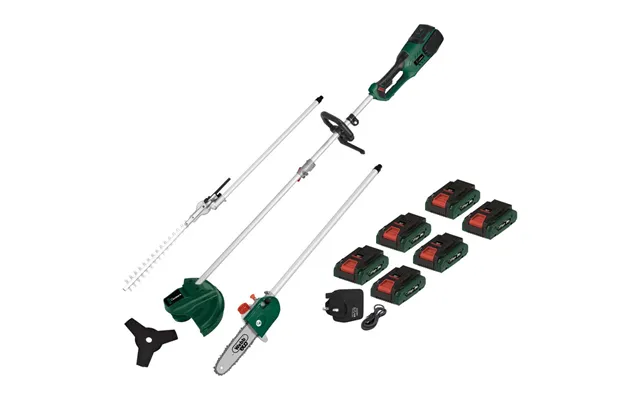
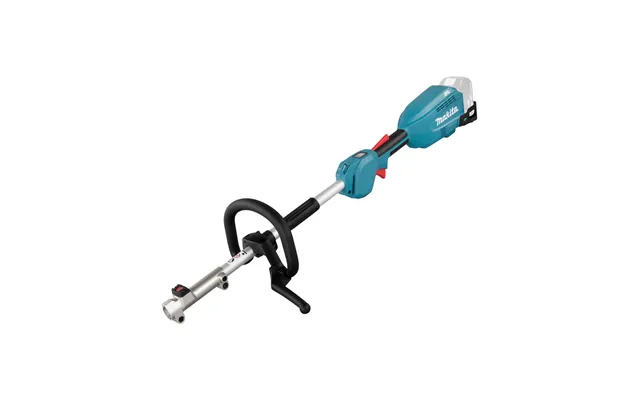
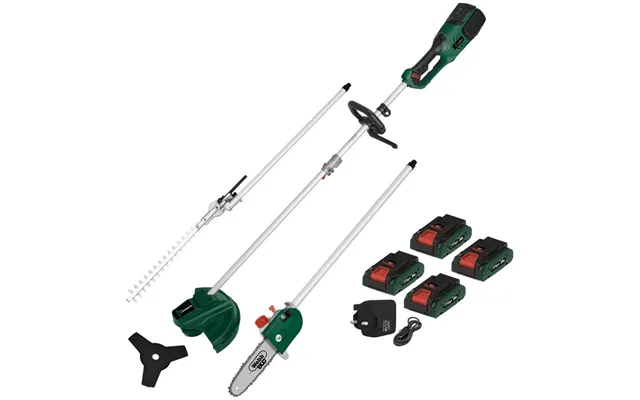
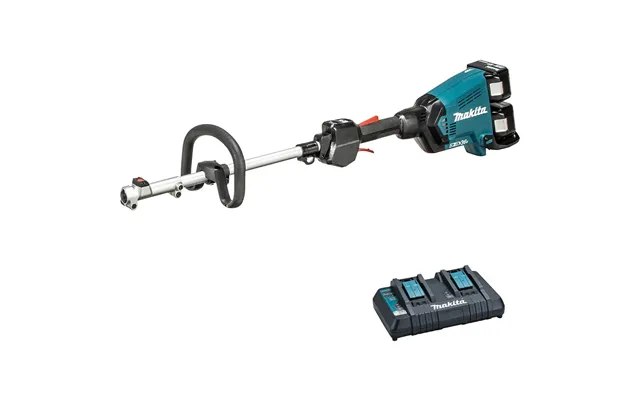
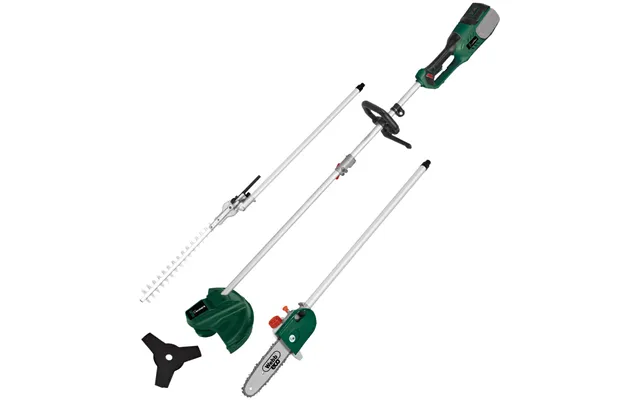
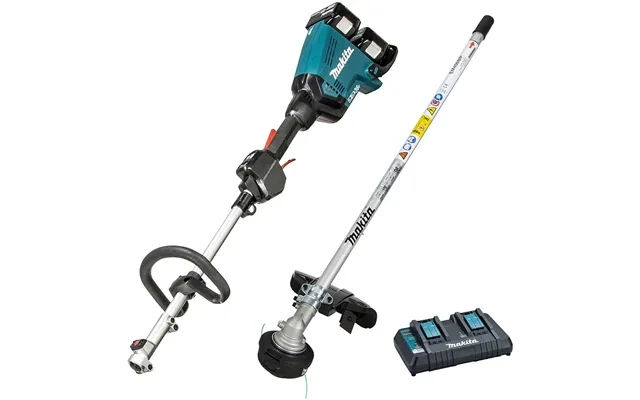
Multi-tool base units let you swap attachments — think trimmer, pole saw, edger, hedge cutter — with one motor and battery pack. They’re compact and excellent for homeowners who want a single investment that does many jobs. These systems save storage space and are ideal for small properties or a mix of tasks.
Choosing between gas, battery, and corded electric is like choosing between a truck, a hybrid, and a compact car — each has a role. Gas offers power for large, heavy-duty jobs and long runtimes, but it’s noisy and high-maintenance. Corded electric gives unlimited runtime but limits mobility. Battery base units offer a middle ground: plenty of power for most homeowners, quiet operation, and portability without fuel smell or pull-starts.
Selecting a base unit comes down to matching features to your yard and preferences. Here are seven practical factors to weigh before you buy.
Voltage gives you an idea of raw power — common ranges are 40V, 56V, 80V, and sometimes higher. Capacity, measured in amp-hours (Ah), tells you how long the battery will last. A 5.0Ah battery will run longer than a 2.5Ah on the same tool. Combine voltage and Ah to estimate runtime; higher numbers generally mean more power and longer work periods.
Manufacturers publish runtimes, but real-world use varies. Mowing dense grass, tackling hills, or using bagging kits reduces runtime. As a rule of thumb, a 5.0Ah high-voltage battery might run a 21-inch mower for 40 to 60 minutes under moderate conditions, while a trimmer may run for over an hour. If your yard is large, consider spare batteries to swap and keep working.
Battery packs and attachments add pounds. A lightweight trimmer base may weigh under 8 pounds, while a mower with battery installed can tip the scale at 60 to 80 pounds. If you have stairs or tight areas, lighter systems make a big difference. Always lift a tool in-store or check the specs — ergonomics matter when you’re pushing, lifting, or carrying equipment.
Fast chargers can refill a battery in 30 to 60 minutes, while standard chargers might take 1 to 2 hours. If you plan to work long sessions, factor in charging time or buy a second battery. Quick top-ups between smaller tasks are also a real convenience in daily yard care.
Cutting width is usually listed in inches — 18", 21", 22", and 24" are common. A wider deck cuts more grass per pass and saves time, but it can be harder to maneuver around tight landscaping. For narrow yards consider 18" to 21"; for open lawns, 22" or 24" gets the job done faster.
Does the platform offer a wide range of attachments? More attachments mean more versatility — you can turn one motor into a full yard-care system. Look for simple locking mechanisms and quick-change adapters so swapping tools is painless.
Battery platforms often have higher up-front costs but lower operating costs compared with gas. Consider the long-term savings on fuel and maintenance. If you already own batteries from a brand, sticking with that ecosystem is usually the best value.
A little care goes a long way. Batteries perform best when stored and maintained correctly, and basic upkeep keeps tools running like new. Here are simple tips that most homeowners can follow without being a mechanic.
Store batteries in a dry place at moderate temperatures — ideally between 40°F and 80°F. Extreme heat or cold shortens battery life. If you live in an area where temps drop below freezing, bring batteries indoors for the winter. Charge them to about 50% for long-term storage to preserve capacity.
Sharpen mower blades regularly — a sharp blade cuts clean and reduces stress on the motor and battery. Clean debris from trimmers and blowers after each use. For mowers, check the deck for buildup and remove clumps to keep airflow and cutting performance consistent.
Which models stand out? Here are some popular base units and platforms that keep popping up in comparisons and buyer lists. They cover a range of budgets and yard sizes, so you can match the tool to what you actually need.
21-inch cordless mowers with 56V systems hit a strong balance of power and runtime. With a 4.0Ah to 7.5Ah battery you can typically mow a medium yard on one charge. These units are common in trusted brands and often show up in seasonal deals. They’re ideal if you want a reliable, low-maintenance replacement for a gas mower without stepping up to a heavy commercial model.
If storage and budget are top concerns, a 36V to 40V multi-tool base with swappable attachments is a winner. You’ll get a trimmer, edger, and pole saw capability from one powerhead, and extra attachments can be added as needs evolve. These platforms shine for yard owners who do a variety of light tasks rather than heavy, continuous mowing.
For larger yards or heavier workloads, look for high-voltage platforms in the 80V range. These systems support larger mowers and powerful blowers that can handle wet leaves and thicker branches. Pairing them with a 5.0Ah or higher battery can give the run time and torque needed for tougher chores.
Smart shopping pays off. Look for seasonal sales in spring and fall, and check comparison sites that track deals across retailers. Comparison sites can help you quickly spot price drops and bundle offers — for example a mower with an extra battery or a multi-tool kit with three attachments. If you’re hunting for bargains, sign up for price alerts so you don’t miss limited-time promotions.
Safety matters. Batteries are powerful, so always use manufacturer-approved chargers and store packs away from direct sunlight. When using power tools, wear eye protection, ear protection for louder tools, and gloves. Read the manual on battery insertion and attachment changes. And remember that wet grass can reduce traction and increase runtime demands, so adjust your plan accordingly.
Summing up — if you have a small to medium lawn and want low-noise, low-maintenance gear, a battery base unit is probably the best fit. For large plots or commercial needs, gas or high-voltage battery systems make more sense. If flexibility and storage space are priorities, a multi-tool powerhead ecosystem will serve you well. The key is to match voltage, battery capacity, and tool selection to the size and demands of your yard.
Shopping for outdoor power equipment is a little like assembling a playlist: pick your favorite tracks (tools), make sure they’re on the same streaming service (battery platform), and you’ll be jamming happily in the yard without skipping a beat. Keep the factors above in mind, and you’ll find a base unit that fits your lifestyle and work patterns.
Happy yard work — and may your batteries be full and your weekends be long!
| Outdoor Power Equipment Base Units | Price | |
|---|---|---|
| Einhell Ge-ls 18 Li-solo 18v Pruning Shears Bare Unit | £ 73,14 |