All categories
Business & Offices
Electronics & Media
Fashion & Accessories
Groceries & Essentials
Health & Personal Care
Home & Living
Kids & Family
Sports & Outdoors
Search in ZoneOffer

Loading...
Compact Fluorescent Lamps, commonly called CFLs, are energy-saving light bulbs designed to replace traditional incandescent lamps. They use a compact fluorescent tube and an internal ballast to produce light while using significantly less electrical power. If you’re hunting for ways to cut your lighting bills without sacrificing brightness, CFLs are a practical option to consider.
At their core, CFLs function by passing electricity through a gas-filled tube, which creates ultraviolet light that excites a phosphor coating to emit visible light. That internal process sounds technical, but the result is simple: more light per watt. Compared with old-school incandescents, a CFL can give you the same room brightness while using far fewer watts, which translates into lower energy costs and a reduced need to change bulbs as often.
CFLs bring several advantages to the table. First, they offer major energy savings — many CFLs use about 60% to 80% less electricity than equivalent incandescent bulbs. Second, they last far longer, often measured in thousands of hours, which means fewer trips to the hardware store. Third, they come in a variety of shapes, bases, and color tones that make them versatile for most household fixtures. If you like the idea of saving money and reducing your carbon footprint without a steep upfront cost, CFLs are worth a look.
One of the biggest selling points of CFLs is how little wattage they need to match incandescent brightness. For example, a 15-watt CFL typically replaces a 60-watt incandescent, and a 23-watt CFL matches a 100-watt incandescent. That means if you run a 60-watt-equivalent CFL for five hours a day, you’re burning only 15 watts instead of 60 — a big drop in your monthly energy usage. Over time, the reduced electricity consumption often covers the higher purchase price of CFLs compared with old-style bulbs.
CFLs generally last many times longer than incandescents. Typical lifespans range from several thousand to even 10,000 hours depending on quality and use patterns. That’s weeks or months of light between changes for most rooms. However, CFLs are more sensitive to frequent on-off cycling and extreme cold than LEDs, so placement and usage habits will influence how long they actually last.
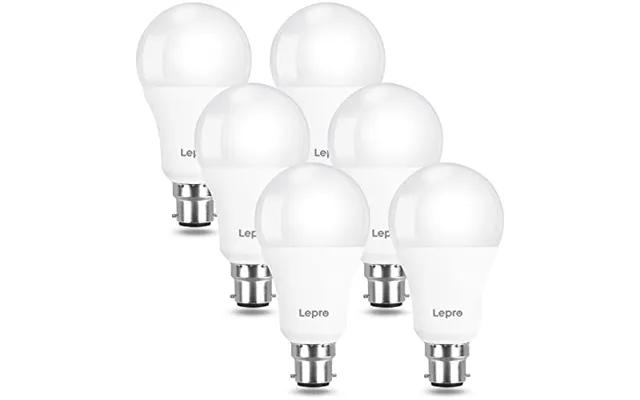
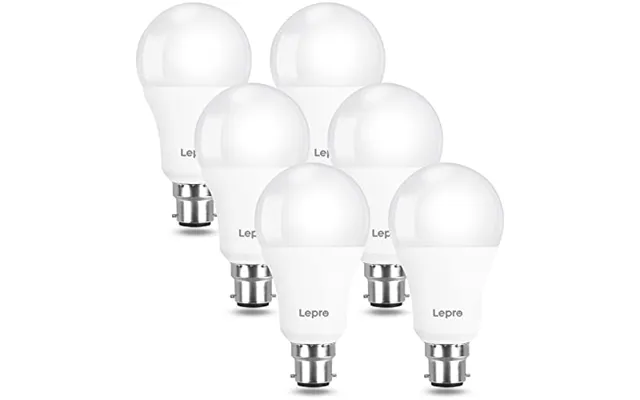
CFLs come in a range of styles to suit different fixtures and aesthetics. The market includes spiral bulbs, twin-tube lamps, globe shapes for vanity lights, and small integrated units for compact lamps. When shopping, look for familiar base types like E26/E27 screw fittings and B22 bayonet fittings, and make sure the physical size will fit your fixture — many CFLs are larger than incandescents, so check the height and diameter in inches before you buy.
Spiral CFLs are the most common, recognized for their twisted shape and ease of use in standard lamps and ceiling fixtures. They’re a direct retrofit for many sockets and offer a good balance of price, brightness, and availability. If you’re replacing general-purpose bulbs in living rooms or bedrooms, spiral CFLs are typically the first choice.
Twin-tube CFLs and decorative shapes are great where design matters. Twin-tube versions often fit into compact lamps and recesses better, while globe and candle-style CFLs are made for fixtures where the bulb shows, such as chandeliers and bathroom vanities. These options let you keep the look of your fixture while gaining the efficiency of fluorescent technology.
Picking the right CFL isn’t just about wattage — it’s also about light quality and function. Different rooms benefit from different light tones and intensities. Think of matching the mood and task to the bulb: softer, warmer lamps create cozy spaces; brighter, whiter light helps with tasks and visibility. Consider the fixture size, bulb base, and whether you need a dimmable or non-dimmable bulb.
For living rooms and bedrooms, choose CFLs that produce a warm, soft light similar to traditional incandescents. These bulbs create a relaxed atmosphere and are easier on the eyes in the evening. A 60-watt-equivalent CFL (roughly 13–15 watts) is a common fit for general lighting in these spaces, placed in lamps or ceiling fixtures where the bulb is shielded by a shade.
Kitchens and work areas need brighter, more neutral light for chopping, reading recipes, and other tasks. Opt for higher lumen CFLs with a cooler, clearer light. Flood-style CFLs or multiple lower-wattage bulbs in recessed fixtures work well. If you frequently use under-cabinet lighting or task lamps, check that the CFL you choose fits the fixture and is rated for continuous use.
Installing CFLs is straightforward: turn off the fixture, let any hot bulbs cool, and screw in or bayonet-fit the new bulb. However, not all CFLs are dimmable. Using a non-dimmable CFL with a dimmer can cause flickering, reduced life, or failure. If you need dimming, buy CFLs labeled “dimmable” and pair them with dimmer switches designed for low-wattage loads. Also, be cautious in enclosed fixtures — some CFLs are not rated for fully enclosed luminaires where heat buildup can shorten lifespan.
CFLs were a major step up from incandescents and still provide good value, but LEDs have become more common. LEDs typically use even less power, reach full brightness instantly, and handle frequent on-off cycles better. However, CFLs often come at a lower upfront price and can still be a smart option for large lamps where cost-per-bulb matters. Think of CFLs as the middle ground: much cheaper to run than incandescents and more budget-friendly than many LED options, especially when replacing many bulbs at once.
When shopping for CFLs, read labels carefully. Look for lumen ratings to compare brightness (higher lumens = brighter light) and the wattage to understand power draw. Check the base type and the physical dimensions in inches so the bulb fits your fixture. Also consider color rendition and whether a bulb is dimmable. Finally, search comparison sites to find current deals and user reviews — that helps you balance price, brand reputation, and long-term value.
CFLs contain a small amount of mercury, so they need to be handled and disposed of responsibly. If a bulb breaks, ventilate the room for several minutes and scoop up glass fragments with stiff paper or cardboard, not a vacuum. For disposal, many local recycling centers accept CFLs; check local guidelines to avoid tossing them in household trash. Recycling recovers materials and prevents mercury from entering the environment, making your energy savings more genuinely green.
Deals on CFLs often focus on multi-packs, branded replacements, and energy-savings bundles. Look for trusted names in lighting that offer warranties and good customer reviews. When comparing offers, consider total cost per hour of light: a slightly pricier bulb that lasts longer and uses fewer watts may save more money over time than a cheaper, short-lived alternative. Comparison platforms highlight price drops and bundle savings, helping you spot value quickly without visiting multiple retailers.
To get the most from your CFLs, avoid frequently switching them on and off in short intervals, as that stresses the ballast and lowers life expectancy. Use CFLs in fixtures where they run for longer periods, like living rooms or outdoor porch lights that are on for hours. For bathrooms or closets that see quick cycles, consider LED alternatives or choose CFLs specifically rated for frequent switching. Finally, keep bulbs clean — a dusty lamp loses output and efficiency over time.
Signs a CFL is near the end of its useful life include slow warm-up times, persistent flicker, or a noticeable drop in brightness. If a bulb starts making buzzing noises or the glass discolors, replace it and check the fixture for compatibility issues. If you're upgrading an entire home, weigh the cost of replacing many CFLs with LEDs; sometimes the long-term energy savings and reduced maintenance justify the higher initial cost of LEDs.
CFLs remain a solid, budget-friendly route to lower energy bills and fewer bulb changes. They suit many homes and fixtures, especially where the upfront cost matters and where bulbs run for long durations. However, if you want instant-on brightness, full dimmer compatibility, and the longest possible life, LEDs might be worth the investment. Ultimately, mixing CFLs and LEDs to match function, budget, and fixture type is a pragmatic approach that many homeowners find effective.
Whether you’re looking to compare popular offers, find the best wattage match for your fixtures, or learn how to dispose of old bulbs safely, taking a little time to research pays off. Shop smart, check bulb sizes in inches, read lumen labels, and consider long-term cost per hour — those small steps add up to better light and more money in your pocket.

| £ 405,- |