

Plumbing Regulators price list
Last updated Monday, 19 Oct 2026



View 4 Offers

Loading...
Last updated Monday, 19 Oct 2026
If your water pressure is a little too zealous or annoyingly weak, a plumbing regulator can be the simplest fix that makes a dramatic difference. Think of a regulator like cruise control for your water: it smooths out sudden surges, keeps your pipes safe, and makes showers and appliances behave the way they should. Whether you're fighting banging pipes or trying to reduce water usage, the right regulator can save you headaches — and money — over time.
There are several kinds of regulators and valves you might see when shopping or comparing offers. Each one does a slightly different job, so knowing the difference helps you pick the right tool for the job. The main categories are pressure reducing valves, thermostatic mixing valves, flow regulators, and pressure-balancing valves. I’ll walk through each so you can pick with confidence.
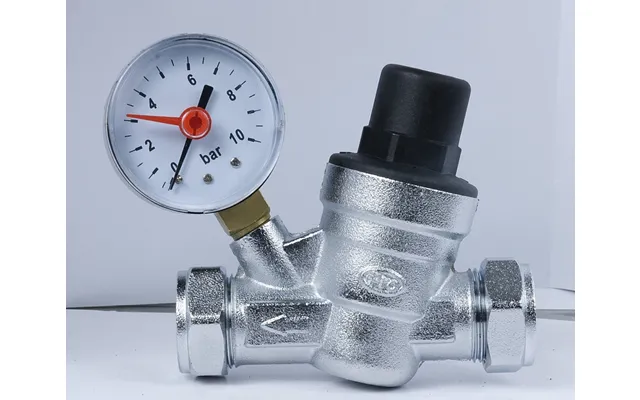
PRVs, often called pressure regulators, are the most straightforward fix when mains pressure is too high. They sit on the incoming water line and reduce supply pressure down to a safe, steady level — typically around 50 psi for most homes. If your pressure spikes to 80 psi or more, a PRV will protect fixtures, reduce leaks, and extend the life of appliances. PRVs are commonly sized in 1/2 inch, 3/4 inch, and 1 inch fittings to match household plumbing.
TMVs blend hot and cold water to a preset temperature and keep it there, even if someone else in the house turns a tap. They’re indispensable for households with children or elderly residents because they limit the risk of scalding and ensure showers stay comfortable at, say, 120°F. TMVs are often fitted at points of use like baths or at the boiler or cylinder for whole-house protection.
Flow regulators limit the amount of water that can pass through a fixture, measured in gallons per minute (gpm). Shower regulators frequently reduce flow to 1.5 gpm or 2.0 gpm to save water without killing the feel of a good shower. Aerators on taps are tiny flow restrictors that mix air with water so a countertop faucet can feel lively while using less water. These devices are affordable and easy to install.
Pressure-balancing valves respond to sudden drops or spikes in hot or cold pressure and rapidly adjust to keep the mix stable. They’re commonly built into shower valves to prevent that shocking hot-to-cold or cold-to-hot swing when another tap is opened. Combine these with TMVs and you’ve got a robust anti-scald strategy that’s safe and comfortable.
At a basic level, regulators use a spring and diaphragm to hold downstream pressure steady. When incoming pressure rises, the diaphragm compresses the spring and partially closes the valve, throttling flow until the desired downstream pressure is restored. It’s mechanical and predictable — like a gatekeeper that only allows the pressure you ask for to pass. TMVs add thermostatic elements that expand or contract with temperature to maintain a setpoint, while flow regulators physicalize a bottleneck to limit gallons per minute.
Sizing is crucial. Choose a PRV or TMV that matches your pipe diameter (1/2 inch, 3/4 inch, 1 inch are common) and delivers the flow your fixtures need. For example, if you have a shower and a tap running at the same time you might need a regulator that allows a combined flow of 4.0 gpm or more. If you undersize, you’ll starve fixtures for flow; oversize and you won’t get the pressure control you expect. Always check manufacturer specs for maximum flow in gpm at a given pressure drop.
Quick rule of thumb: add up the gpm of fixtures likely to run simultaneously. A shower might use 2.5 gpm, a dishwasher 1.5 gpm, and a sink 1.5 gpm. If those could run together, you’re looking at about 5.5 gpm total. Pick a regulator that can handle that flow while still reducing pressure to your target psi. If you’re uncertain, consult a plumber or use online calculators offered by comparison sites to compare model specs.
Most PRVs are installed on the incoming main water line, just after the meter or shut-off valve. TMVs can be installed at the boiler, under the sink, or at the shower depending on whether you want whole-house or point-of-use control. Flow restrictors and aerators are typically installed at fixture points. While many homeowners can install a simple aerator or replace a shower regulator, PRVs and TMVs may require soldering, threaded fittings, or isolation valves — and that’s where a licensed plumber earns their fees.
If you’re comfortable with basic plumbing and have the right tools, swaps like replacing a PRV or fitting a new tap aerator can be DIY-friendly. But if the job requires cutting and soldering copper or working near the mains, I’d recommend a professional. Incorrect installation can lead to leaks, pressure loss, or warranty issues. When in doubt, get a quote from a trusted tradesperson and compare offers on a comparison site to find the best match for your budget and schedule.
Regulators are low-maintenance but not maintenance-free. Look out for drips, strange noises, or pressure creep (when pressure slowly climbs above your setting). A PRV can sometimes be cleaned by flushing sediment or replacing a worn diaphragm. TMVs may need servicing if they start delivering lukewarm or fluctuating water, which can indicate mineral buildup. For routine checks, keep a pressure gauge on hand and test at different times of day to catch intermittent problems.
Common warning signs include banging noises in pipes (water hammer), dripping faucets even when closed, or sudden pressure changes when appliances cycle. If your hot water gets scalding or cold unexpectedly, a TMV or pressure-balancing valve may be failing. Address issues promptly to prevent damage to fixtures or the risk of scalding — especially when residences include children or seniors.
Installing a TMV or flow regulator is one of the quietest ways to save water and energy. By reducing flow from 3.0 gpm to 1.8 gpm, you’ll use significantly less hot water per shower, which translates into lower energy bills and a smaller environmental footprint. PRVs can reduce leaks and pipe stress, which ultimately reduces wasted water and the need for premature repairs. Think of regulators as small investments that repay slowly over time through lower bills and fewer headaches.
When comparing different regulators, focus on build quality (brass bodies last), ease of adjustment, maximum working pressure rating, and whether the unit can be isolated for maintenance. Look for models that include pressure gauges or easy-to-read adjustment screws. For TMVs, verify the temperature range and anti-scald certifications. And if you live in hard-water areas, consider models with easily replaceable internal cartridges to simplify de-scaling.
Rather than buying the first unit you find, use comparison resources to line up features, warranties, and prices side by side. Many comparison platforms list detailed specs like inlet/outlet size in inches, pressure ranges in psi, and maximum flow in gpm. Read user reviews for real-world insights on reliability and installation quirks. Buying from a reputable supplier or via a vetted tradesperson reduces the chance of needing a premature replacement.
When upgrading regulators, consider complementary improvements: install a whole-house water filter upstream to protect the regulator from sediment, fit a pressure gauge on the downstream side for quick checks, and add isolation valves for easy servicing. For bathrooms, pairing a TMV with a pressure-balancing valve gives the best of both worlds: stable pressure and consistent temperature. These small upgrades often make maintenance easier and improve long-term performance.
Imagine you have a property where the incoming pressure is a noisy 85 psi and your old washing machine started leaking seals. Installing a PRV set to 55 psi calms the system down, ends the pipe banging, and protects appliance seals — simple and cost-effective. Or picture a family where kids occasionally get scalded in the bathtub; a TMV set to 110°F delivers a safe, consistent bath temperature. The right choice depends on whether you’re prioritizing pressure control, temperature safety, or water economy.
Before clicking “buy,” check these essentials: inlet/outlet size in inches, maximum inlet pressure the regulator can handle, desired downstream pressure in psi, maximum flow in gpm for your likely fixture usage, materials (brass is preferred), and whether the product includes a warranty. If in doubt, seek professional advice or compare detailed specs across multiple models to ensure compatibility with your plumbing layout.
Plumbing regulators may not be flashy, but they’re quietly essential. Whether your goal is to protect appliances, save water, avoid scalding, or simply enjoy a better shower, there’s a regulator that fits the bill. Understand the differences between PRVs, TMVs, flow regulators, and pressure-balancing valves, size the unit to match your fixtures in gpm, and choose durable materials with sensible warranty terms. With the right regulator in place, your plumbing system will run smoother, safer, and more efficiently — and that’s peace of mind worth investing in.