All categories
Business & Offices
Electronics & Media
Fashion & Accessories
Groceries & Essentials
Health & Personal Care
Home & Living
Kids & Family
Sports & Outdoors
Search in ZoneOffer

Loading...
Small drip under the sink? Toilet that never stops filling? A radiator weeping onto the floor just before guests arrive? We have all been there. Plumbing repair kits exist for exactly these oh-no moments, and they can turn a potential weekend-wrecker into a quick, confident fix. Rather than scrambling for a last-minute callout, a good kit lets you isolate the problem, patch it, and get back to normal—often in minutes. That’s real peace of mind, and real savings, too.
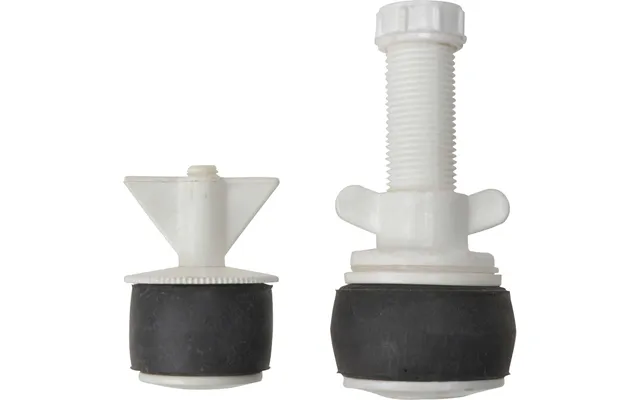
Another perk? Repair kits are designed for everyday homeowners and DIY enthusiasts. You do not need to be a pro to use them. The best kits bundle the right parts and consumables so you are not guessing at sizes or materials. And with the huge choice available in the UK, comparison sites like ZoneOffer help you see deals side by side so you can pick the right solution for your pipework, budget, and urgency without buying a cabinet’s worth of tools you will never touch.
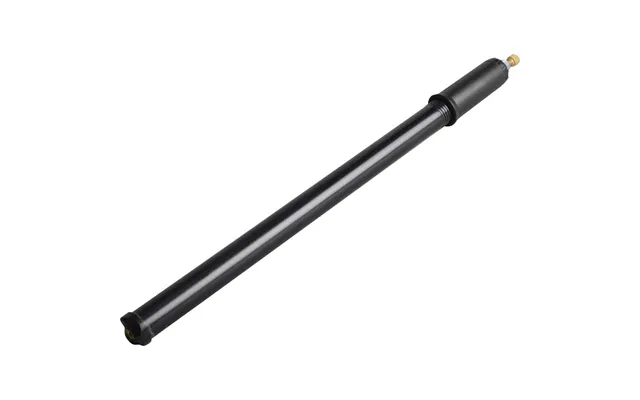
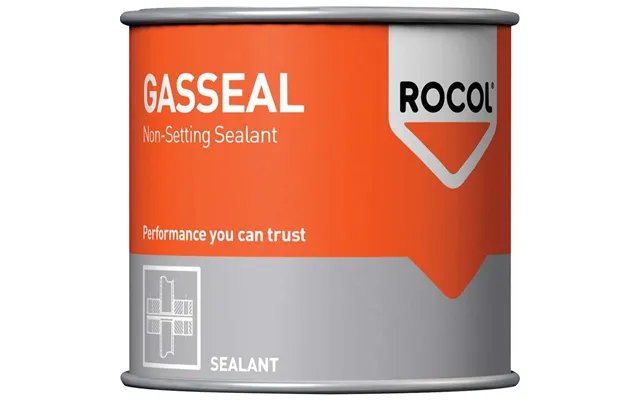
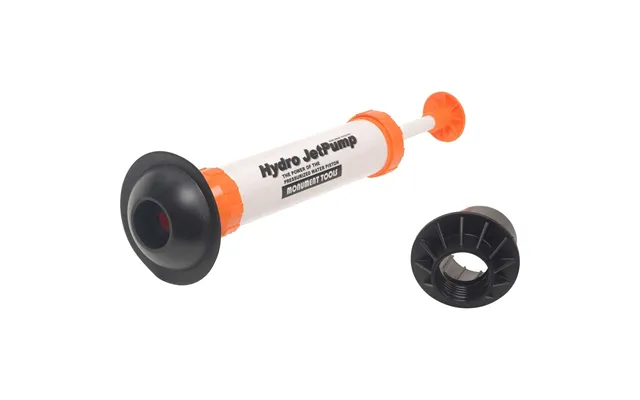
A plumbing repair kit is a pre-selected set of parts and materials tailored to a specific kind of fix—like stopping a pipe leak, refreshing a dripping tap, or replacing a worn toilet valve. The idea is simple: you get the essentials in one pack, matched for common sizes, so you can act fast. No need to hunt around for a single O-ring or a specific compression olive. The right kit reduces guesswork, and the better ones add clear instructions so you can get it right first time.
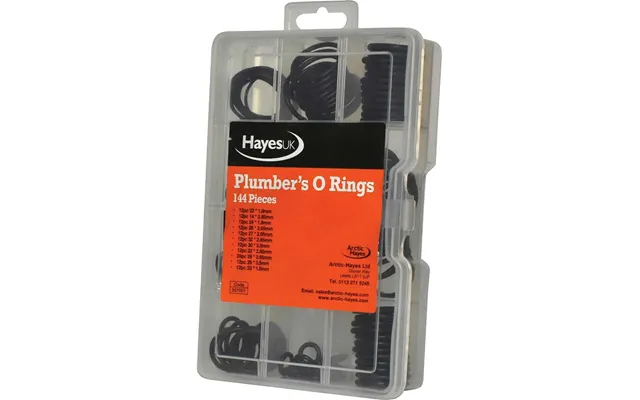
Most kits include a mix of fittings and consumables. Expect handy mainstays like PTFE tape, waterproof epoxy putty, rubber or silicone seals, washers, O-rings, and quick-connect couplings. Toilet and tap kits may include cartridges, float valves, flappers, and fixing bolts. Pipe repair kits often add wrap-around bandages, clamps, and push-fit connectors that make sealing a small split or pinhole straightforward. The magic lies in compatibility: look for parts sized for 1/2 inch and 3/4 inch lines, as those are common in many UK homes.
Not all repair kits are created equal, and that is a good thing. Different issues need different parts. Here is how to match the job to the kit, so you do not waste money—or time.
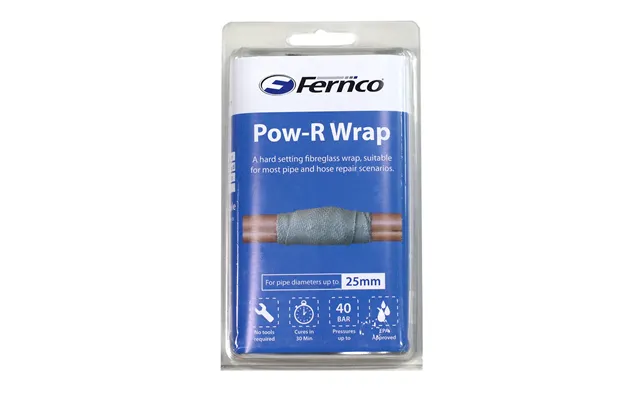
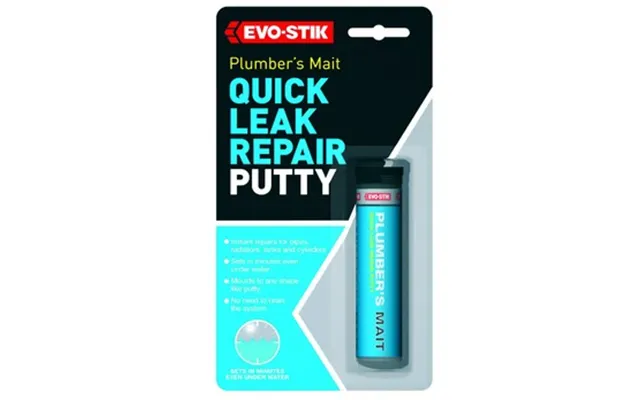
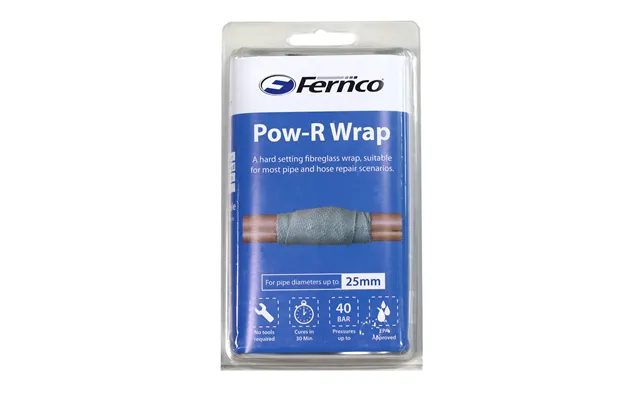
Spot a damp patch or a telltale spray when the water is on? Pipe leak repair kits are built to stop the drama fast. They may include pipe repair tape, epoxy putty that cures rock hard even under pressure, wrap-around fiberglass bandages that activate with water, and temporary clamps to stop a leak while you plan a permanent fix. For copper, PEX, or PVC lines, many kits include push-fit couplings so you can cut out the bad section and rejoin the line without soldering. Keep an eye out for connectors sized 1/2 inch and 3/4 inch, as those two will cover most emergencies in kitchens and bathrooms.
That rhythmic drip is more than annoying—it is wasting money. Tap repair kits typically bundle assorted washers, O-rings, ceramic disc cartridges, and aerator keys to restore smooth operation. If your handle feels stiff or the spout drips when closed, a new cartridge may be the cure. If you have older compression-style taps, replacement washers and seats will often stop the leak. Make sure the kit specifies compatibility with your tap style and spout diameter, and keep a small adjustable wrench handy for snug, not brutal, tightening.
Running toilets and weak flushes are classic water wasters. Toilet repair kits usually include a fill valve, flapper or flush valve seal, and replacement bolts and washers. If your cistern refills endlessly, the fill valve is a top suspect. If the bowl leaks into the pan even when untouched, the flapper or seal might be warped. Kits help you swap parts in minutes, often without special tools. Pro tip: a kit with an adjustable fill valve lets you fine-tune water level for a stronger flush without waste.
Radiators can suffer from slow weeps around valves and unions. A radiator repair kit may contain sealing compounds, PTFE tape, valve inserts, and bleed keys. If you spot rust streaks or damp around a valve, try re-sealing threads and replacing the affected insert. A quick bleed can also restore heat if you hear gurgling or feel cold spots. While full heating system work can be complex, minor radiator fixes are well within DIY range with the right kit and a towel under the work area.
When a pipe fails, speed matters. Emergency kits emphasize clamp-and-go parts, extra-strong wraps, and versatile couplings to stop water and buy time. Look for kits that include a robust pipe clamp sized for 1/2 inch and 3/4 inch lines and a high-strength epoxy putty. Some bundles also include a push-fit stop end—perfect when you must isolate a branch quickly while you plan a proper repair. Keep one of these kits in an easy-to-reach place, not tucked behind five boxes in the loft.
Matching your repair kit to your pipe material is half the battle. Copper remains common in many UK systems, prized for durability and heat resistance. PEX has surged in popularity thanks to flexibility and quick installs, especially for renovations. PVC is often used for waste and drain lines. While push-fit and compression fittings can connect across materials with the right insert or adapter, it is wise to confirm compatibility before you press or tighten anything. A good kit clearly labels material support so you are not forced into guess-and-check.
Push-fit connectors are the speed demons of the plumbing world—deburr the pipe, mark insertion depth, and push until it clicks. They are fantastic for tight spaces and fast emergencies. Compression fittings, by contrast, use a nut and olive (ferrule) to create a dependable seal, and many DIYers love the tactile reassurance of tightening them by hand and a quarter-turn with a wrench. If you want maximum reusability, compression can be a great choice. If you want minimum fuss, push-fit shines. Many kits offer both so you can pick what fits the moment.
Sizing is where plumbing either feels easy or becomes a head-scratcher. The most common sizes for domestic water lines are 1/2 inch and 3/4 inch. Some homes have 1 inch mains or older oddities, but if you stock parts for 1/2 inch and 3/4 inch, you will solve the majority of urgent problems. For taps, pay attention to cartridge style and handle mount. For toilets, measure the fill valve shank and check whether your flush is lever or button-actuated. A well-labeled kit and a quick look under the sink or inside the cistern before buying dramatically improves your odds of a first-time fix.
For water lines, keep 1/2 inch and 3/4 inch push-fit couplers, a couple of compression couplings, a 1/2 inch to 3/4 inch adapter, and a 1/2 inch stop end. For drains, spare seals and slip-joint washers for common sink traps can save a midnight drip. For taps, an assorted O-ring and washer pack covers many brands. For toilets, a universal flapper and an adjustable fill valve will solve nine out of ten run-on issues. A little prep goes a long way—think of it like stocking spices in the kitchen so dinner never stalls.
Even the best kit benefits from a few trusty sidekicks. PTFE tape is non-negotiable for threaded connections; wrap it clockwise around male threads to prevent back-off when tightening. A small adjustable wrench and a pair of slip-joint pliers will handle most nuts and couplings. A pipe cutter designed for copper or PEX gives you clean, square cuts—essential for push-fit seals. Keep a utility knife, deburring tool, and a handful of shop towels to control drips. Add latex or nitrile gloves for epoxy work, and a flashlight so you do not repair blindly in the back of a cabinet.
When water appears where it should not, breathe. Then do this. First, turn off the nearest isolation valve or use the main stop valve if needed. Open a nearby tap to relieve pressure. Dry the area thoroughly so your repair materials can bond properly. If the leak is a pinhole, knead epoxy putty until uniform and press it firmly over the hole, feathering the edges for a secure seal. Wrap a repair bandage over the putty, overlapping by at least 1 inch on either side of the damage. If the pipe is cracked, cut out the bad section and use a push-fit or compression coupler sized 1/2 inch or 3/4 inch as required. Turn water back on slowly and check for beads or weeps. No drops after a few minutes? You are golden.
Shopping online gives you choice, but choice can feel overwhelming. Here is how to keep it simple. Start with your problem: leak, drip, poor flush, or drain issue. Search for kits specific to that fix. On comparison sites like ZoneOffer, scan product titles for your pipe size and materials—look for phrases like “for 1/2 inch copper/PEX” or “universal toilet fill valve.” Read what is included and avoid kits that bury crucial items behind “accessories sold separately.” Check user reviews for comments on fit and clarity of instructions. If two kits look identical, pick the one with clearer labeling and better install guides—you will thank yourself mid-fix.
Budget kits shine for simple, common repairs: replacing a flapper, swapping an aerator, or patching a pinhole. They are perfect for a first-timer’s toolbox and landlords who need basic coverage across several properties. Premium kits typically add higher-grade materials, broader compatibility, and better tools. They are worth it when access is awkward, pressure is higher, or you want maximum reliability in places like a kitchen main line or a loft run feeding multiple rooms. Think of it like shoes: budget trainers work for a quick walk; premium boots keep you steady on a rugged hike.
Overtightening is the silent killer of threads and seals. Snug, then a small final nudge, is the rule—cranking harder rarely helps. Skipping pipe prep is another classic mistake; burrs and oval cuts doom push-fit seals. Always deburr and mark your insertion depth. Do not mix incompatible materials without the right inserts or adapters. And never rush the test: after a repair, pressurize slowly, watch for weeps, and blot with a tissue to catch tiny beads. Finally, know your limit. If a fix involves gas lines, complex heating circuits, or anything beyond your comfort zone, bring in a professional.
Repair kits can do more than stop leaks—they can upgrade efficiency. A toilet repair kit with an adjustable fill valve lets you cut water use per flush without sacrificing performance. Tap repair kits often include aerators that maintain a satisfying flow while reducing waste. Sealing small radiator weeps prevents slow top-ups and keeps your system running efficiently. Combine these with timely leak fixes and you will trim bills and your environmental footprint. Small changes, big impact—like switching from a leaky bucket to a tight-sealed canteen.
Between older copper runs in period properties and newer PEX loops in modern builds, UK homes present a mix that rewards preparedness. A ready-to-grab kit means you can respond to a winter-night leak without waiting for morning, protect hardwood floors from water damage, and avoid emergency callout costs. Keep your kit in a clearly labeled tote, store it near your stop valve, and check it twice a year. Replace used items, swap in fresh PTFE tape, and ensure the epoxy putty is still within date. When something goes wrong, you will be glad your future self planned ahead.
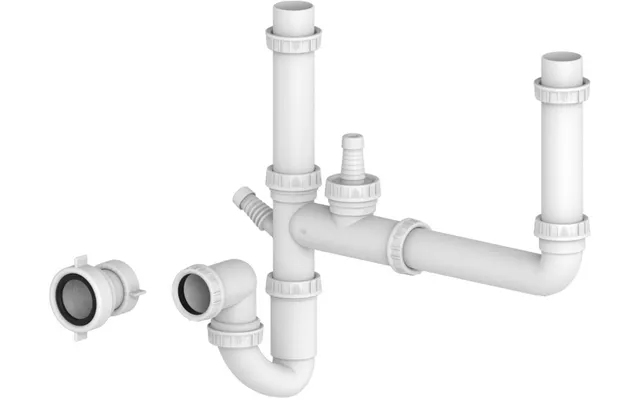
Kitchen sink drip at the U-bend? A trap seal and slip-washer assortment solves it in minutes. Radiator valve weeping onto carpet? A radiator repair kit with PTFE tape and a new valve insert stops the stain before it sets. Shower suddenly weak? A tap kit with a fresh cartridge and a new aerator can restore balance and pressure. Toilet refilling at random times during the night? A toilet kit with a new flapper and fill valve ends the ghost flush and saves gallons over a month. The pattern is consistent: the right kit, a calm approach, and a measured test finish the job without drama.
A mini wet/dry vacuum handles standing water around a repair zone. A compact moisture meter helps you confirm a hidden drip has actually stopped behind a panel. Leak detectors with audible alerts provide early warnings under sinks and near washing machines. A simple shutoff wrench for outdoor spigots is a winter lifesaver. And a small mirror on a telescoping handle turns awkward behind-the-trap inspections into easy checks. None of these are must-haves, but together they elevate your toolkit from reactive to proactive.
Plumbing repair kits bring control back to your hands. Instead of stressing over a drip or calling in a pro for a five-minute seal, you can fix the most common issues quickly and confidently. Focus on the right kit for your problem—pipe, tap, toilet, or radiator—match sizes like 1/2 inch and 3/4 inch, and choose materials compatible with copper, PEX, or PVC. Add a few essential tools and test carefully. With a well-chosen kit and a little practice, you will turn messy surprises into minor detours—and keep more money in your pocket while protecting your home.
| Plumbing Repair Kits | Price | |
|---|---|---|
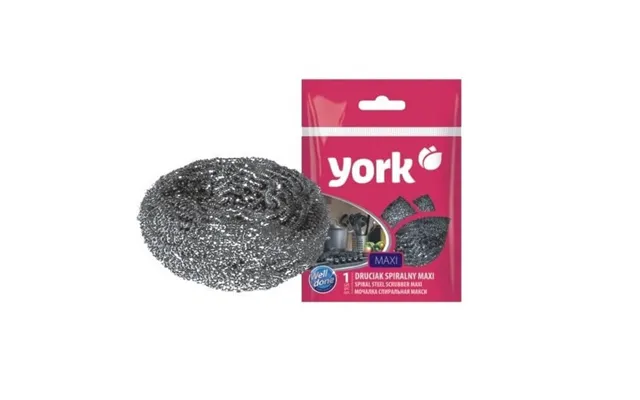
| York Maxi Spiral Cleaner | £ 1,- | |
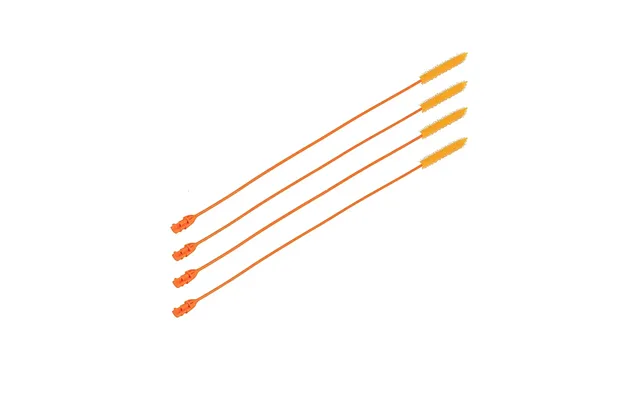
| Showery Drain Weasel Pro - Fast Drain Unblocking, 3 Replacement Sticks | £ 9,99 | |
| 2 Pack Clear Spray & Seal | £ 14,99 | |
| Showery Drain Weasel Pro - Fast Drain Unblocking, Drain Weasel Pro 3 Sticks | £ 19,99 | |
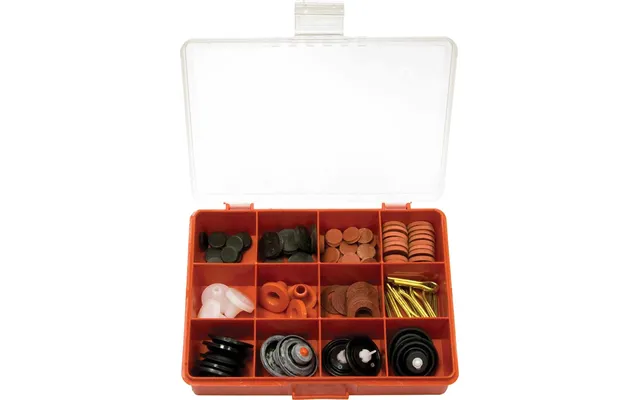
| Arctic Hayes Bvkit Ball Valve Washer Kit | £ 22,92 | |
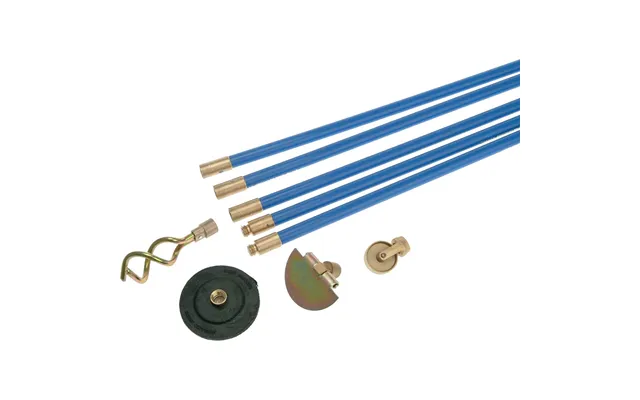
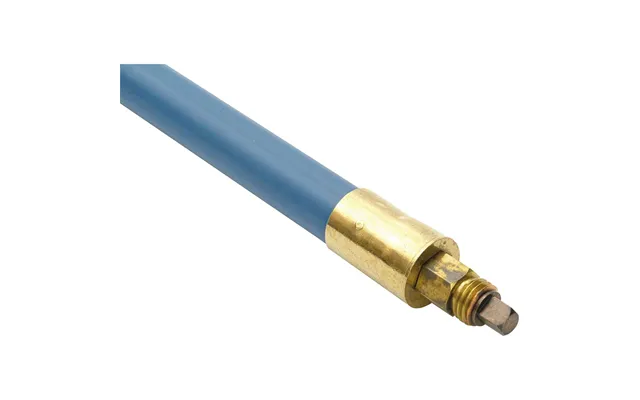
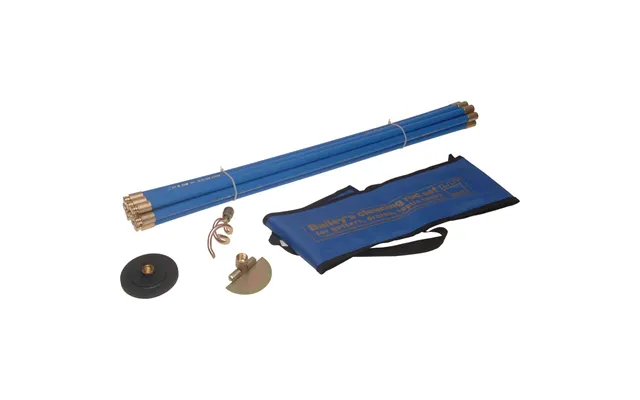
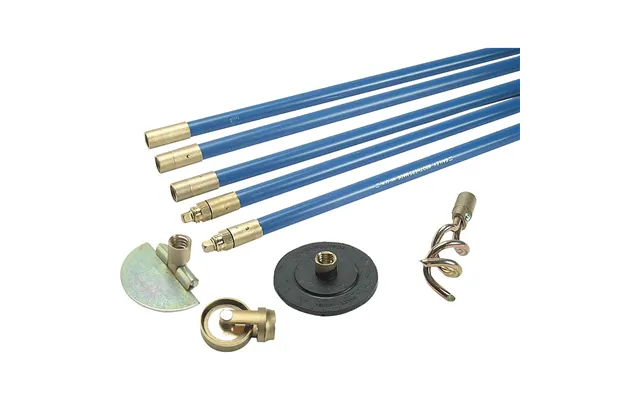
| Bailey Products 5431 Universal 3 4in Drain Rod Set With 3 Tools | £ 47,51 | |
| Hyco Flow Through Kit | £ 151,20 |