

Water Dispensing & Filtration - Other price list
Last updated Monday, 19 Oct 2026




View 7 Offers


Loading...
Last updated Monday, 19 Oct 2026
If you’ve ever tasted chlorine in your tap water or found lime scale in your kettle, you know why upgrading your water dispensing and filtration matters. Clean water isn’t just about taste — it’s about protecting appliances, keeping skin and hair healthy, and ensuring every cup of coffee or glass of water is safe. Think of a good filter as a seatbelt for your plumbing: you might not always see the problem, but when it prevents damage, you’re glad it’s there.
There’s a surprising range of products under the “water dispensing & filtration — other” umbrella. From simple filter pitchers to complex reverse osmosis systems, options vary by price, installation effort, and what they remove. Below are the main categories you’ll find when comparing solutions.
Filter pitchers are the easiest entry point: fill, wait, and pour cleaner-tasting water. Countertop filters clamp or sit near your tap and typically use carbon blocks to reduce chlorine and odor. These are perfect if you rent, want low upfront costs, and prefer no plumbing changes. Expect filter life measured in gallons — often around 40 to 100 gallons before replacements are needed.
Under-sink systems hide away and connect directly to your cold water line, delivering filtered water from a dedicated tap. Faucet-mounted versions screw onto the existing tap for quick installation. These target chlorine, sediment, and some heavy metals, and they’re a great middle-ground between pitchers and whole-house systems.
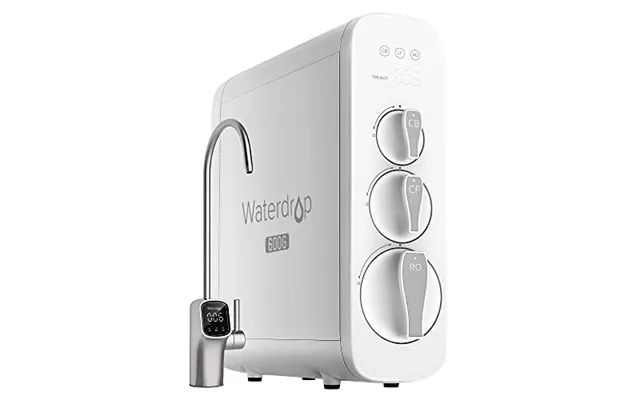
RO systems are the heavy hitters, using a semi-permeable membrane to remove dissolved solids, salts, and many contaminants down to very tiny particles. Most household RO units produce water at rates like 0.5 to 1.5 gallons per minute at the tank, with storage tanks holding 2 to 4 gallons. They’re ideal for homes wanting near-pure water for drinking and cooking, though they can be pricier and waste some water during the process.
A whole-house system treats water at the point it enters your home, protecting showers, washing machines, and boilers from sediment and scale. These systems can reduce chlorine, large particulates, and sometimes soften hard water with a salt-based or salt-free conditioner. When you want every tap in the house to benefit, this is the way to go — and units are sized by flow rate, often 5 to 15 gallons per minute depending on household needs.
Water dispensers — from bottle-fed coolers to plumbed-in hot-and-cold units — give instant temperature-controlled water. Some include built-in filters or can be connected to under-sink systems. If you entertain often or run a busy kitchen, a dispenser with hot, cold, and room-temperature options is a convenient upgrade that saves time and improves beverage quality.
Specialty options handle niche problems. UV sterilizers inactivate bacteria and viruses, making them ideal when microbiological contamination is a concern. Ceramic filters physically block pathogens and sediments, while activated carbon block filters are excellent at removing chlorine, volatile organic compounds, and improving taste and smell. Often you’ll see these combined in multi-stage systems for broader protection.
Choosing the right product starts with understanding key features. Some systems promise maximum purity but require significant maintenance; others are low-effort but limited in what they remove. Here are the factors that matter most.
More stages don’t always mean better, but they do mean broader protection. A typical under-sink RO setup might include a sediment pre-filter, carbon block, RO membrane, and a post-filter for taste. Carbon removes chlorine and odors, sediment filters trap dirt, and membranes tackle dissolved solids. Match the filter media to the contaminants you want removed.
Flow rate (measured in gallons per minute) determines how fast filtered water is available. For drinking and cooking, a 0.5 to 1.5 gpm output is common for under-sink and RO systems with a storage tank. Whole-house systems need higher flow rates — often 5 gpm or more — to avoid pressure drops when multiple taps run at once.
Look for third-party certifications like NSF/ANSI to verify performance claims. These certifications ensure a filter reduces the contaminants it says it does, and that it won’t leach harmful substances. Certification is particularly important for heavy-duty promises, such as lead or cyst removal.
Replacement filters are the ongoing expense people overlook. A cheap pitcher might have cartridges costing $10 to $30 every 40 to 100 gallons, while RO membranes and under-sink cartridges can run higher but last longer. Always check cost-per-gallon over a year to compare true running costs.
Some systems are plug-and-play; others need a professional plumber. Countertop and faucet-mounted filters are DIY-friendly, while RO and whole-house units often require 1 to 3 hours of installation and occasional technical maintenance. Factor in whether you’re comfortable with minor plumbing work or want a pro to handle it.
Start with two simple questions: what’s in your water, and how will you use filtered water? A water quality report or a test kit will tell you if hard water, chlorine, lead, or bacteria are problems. For basic taste improvements, a pitcher or carbon filter might be enough. For heavy contaminants, choose under-sink RO or whole-house solutions.
If you live in an apartment or move often, go for portability. Countertop filters, faucet-mounted systems, and pitchers offer good performance without altering plumbing. They’re budget-friendly, keep kitchen counters tidy, and avoid landlord headaches.
For families who want filtered water at every tap and protection for appliances, consider a whole-house system paired with an under-sink or RO unit for drinking water. This combo preserves washing machines and boilers from sediment and scale while delivering drinking water that tastes great.
If your water leaves white scale, a softening or scale-reduction system can prevent build-up. Look for systems that reduce scale chemically or physically without adding excessive salts, especially if you’re concerned about soap efficiency and appliance longevity.
Installation complexity varies. If you’re handy and have basic tools, installing a faucet-mounted unit or a countertop filter can take under 30 minutes. Under-sink installs usually take 1 to 2 hours and require cutting supply lines or drilling for a dedicated tap. Whole-house systems almost always benefit from professional installation because they require shut-off valves, precise sizing, and secure mounting.
Before you start, measure space under the sink, confirm water pressure (typically 40 to 80 psi for many filters), and check pipe material. Have a bucket, adjustable wrench, and Teflon tape ready. If you’ll be cutting or soldering pipes, consider hiring a pro to avoid leaks.
Call a plumber if the installation involves the main water line, requires electrical work for pumps or UV units, or if multiple water lines need rerouting. A professional ensures proper flow rates and avoids warranty voids that sometimes apply when a system isn’t installed correctly.
Even the best filter is useless if you don’t maintain it. Regular filter changes, sanitizing tanks, and occasional inspections keep water quality high and systems running efficiently. Most manufacturers supply a schedule; treat it like oil changes for your car — skip them at your peril.
Carbon cartridges may need replacement every 2 to 6 months or after filtering 40 to 300 gallons, depending on usage. RO membranes commonly last 2 to 3 years, while pre- and post-filters are replaced once or twice a year. Keep spare cartridges on hand to avoid gaps in protection.
Check fittings and hoses annually, especially in areas with seasonal temperature swings, since freezing can damage components. Clean any sediment filters if you notice a drop in flow, and flush systems after extended periods of non-use to avoid stagnant water taste.
Upfront costs range from under $30 for a basic pitcher to several hundred for under-sink systems, and $800 or more for whole-house setups. Running costs depend on filter replacement frequency and your water quality. To estimate, calculate cost per gallon: if a $40 filter treats 200 gallons, that’s $0.20 per gallon — multiply by household consumption to forecast annual costs.
Don’t forget potential installation fees, replacement filter shipping, and extra parts like dedicated faucets or tanks. RO systems also waste some water — often 2 to 4 gallons wasted per gallon produced — so factor in higher water usage if local utility costs are high.
Water filtration continues to evolve. Smart filters with app alerts for cartridge life are becoming common, and compact RO units aim to minimize water waste. New media blends target PFAS and emerging contaminants, and more manufacturers are seeking third-party certifications to back their claims. Expect improvements in energy use for UV units and more eco-friendly filter disposal options in the coming years.
Wi‑Fi-enabled units can notify you when it’s time to change a filter or if flow rates drop. These features are handy if you manage multiple properties or simply want peace of mind that your water system is running well.
Think beyond a single faucet. Filtered water protects espresso machines, extends the life of kettles, and improves ice quality in fridges. Athletes and health-conscious people may prefer RO water for protein shakes, while cooks notice clearer broths and brighter tea flavors when using purified water.
Many refrigerators accept inline filters or dedicated cartridges. If you want crystal-clear ice and better-tasting water from your fridge, installing an inline filter or plumbed-in dispenser makes a big difference with minimal fuss.
Start by testing your water and defining your priorities: taste, safety, appliance protection, or whole-house coverage. Use comparison tools and read independent certifications to separate marketing from real performance. Remember, the best system is the one you’ll maintain — a well-kept mid-range filter often outperforms a neglected premium system.
Choosing the right water dispensing and filtration setup can transform everyday routines — from brushing teeth to making tea — into safer, tastier experiences. With the right mix of filtration media, sensible maintenance, and an eye toward long-term costs, you’ll enjoy better water and fewer worries.