

Pool Cover Accessories price list
Last updated Monday, 19 Oct 2026



View 13 Offers






Loading...
Last updated Monday, 19 Oct 2026
If you own a pool, you know a cover is the unsung hero: it keeps leaves out, reduces evaporation, and helps heat the water. But a cover on its own is only half the story. Accessories like reels, pumps, straps, and clips turn a basic cover into a practical, long-lasting system that saves time and money. Think of accessories as the toolbox that makes the cover work for you instead of the other way around.
Solar pool covers—sometimes called solar blankets—look like bubble wrap for your pool and they’re designed to capture the sun’s energy. They’re thin (often 8 mil to 16 mil thickness) and roll up easily, so a lightweight reel is a must. Pair a solar cover with a cover reel or roller that fits pools 12 feet to 30 feet or larger, and you’ll gain minutes every day that you'd otherwise spend wrestling with the cover.
Safety covers are rugged, made from mesh or solid material, and rated to hold weight. They need stronger accessories: heavy-duty anchors, corrosion-resistant springs, and tensioning straps. If you have kids or pets, investing in a quality anchor kit and steel springs gives you a safety net—literally—keeping the cover taut and secure through storms or heavy debris.
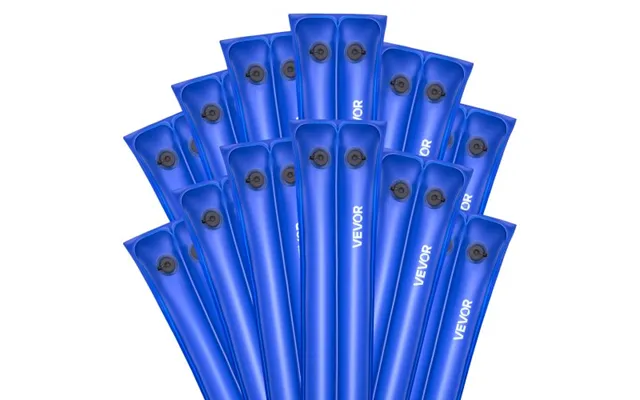
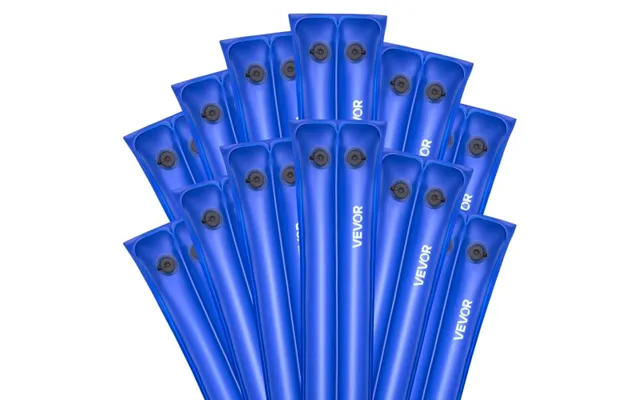
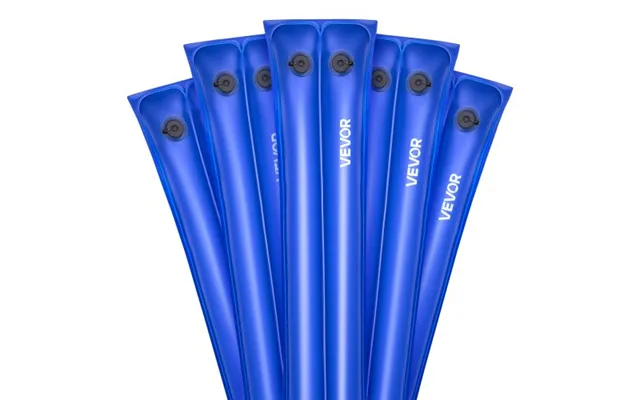
Winter covers can be large and cumbersome—especially on pools 16 feet by 32 feet or bigger. For these, look at durable cover reels with long crank handles or motorized rollers; water bags and edge covers to keep the tarp from ballooning; and a top-quality dewatering pump to remove pooled rainwater and snowmelt measured in gallons.
Automatic pool covers slide on tracks and operate with a turn of a key or push of a button. They’re expensive but extremely convenient. The accessories here are more technical: replacement slats, motor maintenance kits, guide tracks, and safety cut-off switches. If you’re adding accessories to an automatic system, choose manufacturer-approved parts—improper components can void warranties or jam the system.
Reels and rollers make a big difference when you don’t want to wrestle with a wet, sticky cover. There are manual crank reels for smaller pools and large-capacity reels or motorized rollers for bigger covers that weigh dozens of pounds. For rectangular pools up to about 20 feet long a simple reel works fine; for larger or oddly shaped pools consider a rolling system that mounts on the wall or deck and uses a winch for smooth operation.
Water pooling on top of a cover is a common headache—heavy standing water can stretch or tear covers. A good cover pump (submersible dewatering pump) ejects water quickly and is measured in gallons per hour. Lightweight pumps handle small amounts of rain, while mid‑capacity pumps move hundreds or thousands of gallons per hour, making them ideal after storms. Keep a pump rated for outdoor use and compatible with your cover surface to avoid tears.
Nothing ruins a cover faster than wind flapping it like a sail. Anchors that recess into the deck and heavy-duty straps or ratchet systems create a reliable hold. If you have a vinyl liner or concrete deck, choose anchors that won’t damage the surface—stainless steel or brass fittings resist corrosion. Springs are commonly used on safety cover systems to maintain constant tension and compensate for temperature-driven shrinkage and expansion.
For quick on/off days when you want to remove a section of cover without stripping the whole thing, cover clips and edge fasteners are lifesavers. Plastic clips resist chlorine and sun exposure, while metal buckles and snap systems give a firmer grip for larger covers. Universal clip kits can fit a range of cover thicknesses, but if you have an automatic or proprietary cover, check the manufacturer’s recommendations.
Even high-quality covers get small tears. A repair kit with adhesive patches, PVC or vinyl glue, and a reinforcing patch will extend the life of a cover by months or years. For mesh covers, needle-and-thread kits with UV-resistant thread are useful. Add a brush with soft bristles, a leaf net for skimming, and a storage bag to keep the cover clean and ready between seasons.
Installing anchors: mark evenly spaced points around the pool perimeter, drill pilot holes, and set anchors so the strap sits flat over the pool edge. For reels: mount the reel on a flat surface mid‑pool with the axle parallel to the pool edge and ensure the crank clears deck furniture. Cover pumps are usually placed in the lowest pooled area and connected via quick-disconnect hoses to a safe drainage point measured in feet away from the pool. The trick is planning the layout before you buy—measure twice, buy once.
Buy a reel or pump rated for your pool’s size. For example, a 16-foot by 32-foot pool typically needs a heavier-duty reel and a pump capable of moving at least several hundred gallons per hour after a heavy rain. Solar covers are usually cut to within a foot of the pool edge to maximize heat transfer, while safety covers have a larger perimeter to attach anchors. Always measure across the pool in feet, and check manufacturer sizing charts to match accessories to your cover’s weight and dimensions.
Costs vary widely. A basic solar cover can be under $100, while heavy-duty safety covers cost several hundred dollars. Reels range from modest $50 manual reels for small pools to $500 or more for motorized or heavy-duty systems. Cover pumps often fall between $40 and $300 depending on horsepower and flow rate. Keep in mind that spending slightly more on quality accessories often saves money over the long run—fewer repairs, less chemical loss, and reduced heating costs.
Putting a cover on your pool and using the right accessories is one of the simplest ways to lower operating costs. A solar cover paired with a reel reduces heat loss measured in degrees Fahrenheit overnight and cuts water evaporation by significant percentages. That means fewer top-offs in gallons and less chemical wasted, which is good for your wallet and better for the environment. Accessories that reduce air exposure to chlorine also mean fewer chemicals are lost to sunlight, keeping balance more stable.
Check anchors and straps monthly during heavy-use months; tighten or replace corroded hardware. Clean covers regularly with a mild detergent and soft brush—avoid harsh chemicals that degrade plastic. In winter, remove pooled water promptly with a pump and keep the cover free of sharp ice buildup. For spring, inspect seams, run a patch check, and replace any stubborn clips before reopening the pool. Simple, regular attention adds years to a cover’s life.
Quality material (UV-resistant, mildew-resistant), durable hardware (stainless fittings), ease of use (ergonomic crank or electric motor), repairability (available patch kits), and warranty coverage. Also consider weight capacity for safety covers, mil thickness for solar blankets, and flow ratings for pumps. Accessories that build on a system—matching reel widths to your cover or choosing anchor spacing recommended by the cover maker—give you a tighter, more reliable setup.
Underestimating wind conditions, buying undersized pumps, or trusting cheap anchors are frequent pitfalls. Don’t skimp on reel strength for heavier covers; a flimsy reel leads to bent axles and headaches. Avoid using automatic cover parts from unknown third parties without checking compatibility; misfit slats or motors can damage the track. Lastly, don’t store wet covers without letting them dry—mold and mildew shorten cover life.
Small touches make pool life easier: a cover caddy to store clips and tools, telescoping poles for fast removal of debris before rolling the cover, and quick-release hoses for cover pumps. Solar blanket straps with quick buckles speed up daily use. If you use the pool often, ergonomics matter—crank handles with comfortable grips, motorized rollers, and light-weight reels pay back in saved time and sore backs.
Measure your pool in feet, choose a cover type that fits your climate and safety needs, match reel and pump capacities to the cover weight and expected water volume, pick corrosion-resistant hardware, and keep a repair kit on hand. Remember to consider how often you’ll remove the cover—daily users benefit from motorized solutions, while seasonal pool owners might prefer durable anchors and a well-built winter tarp.
Shopping around and comparing options is smart. Look for sites that aggregate offers and specs so you can quickly see the differences between reels, pumps, and cover systems. Compare features like warranty, flow rate, material thickness in mil, and anchor types side-by-side. That makes the choice less about impulse and more about the right fit for your pool measured in feet and needs.
Conclusion: Investing in the right pool cover accessories transforms a cover from a nuisance into a time-saving, cost-cutting tool. From reels and pumps to anchors and repair kits, each accessory plays a role in protection, safety, and convenience. Measure your pool, think about how you use it, and choose durable components that match the cover type. With the right setup, you’ll spend less time maintaining the pool and more time enjoying it.