

Pool Deck Kits price list
Last updated Monday, 19 Oct 2026




View 6 Offers

Loading...
Last updated Monday, 19 Oct 2026
If you’ve ever stood by your pool and imagined a cleaner, safer, and more inviting deck, a pool deck kit could be the smartest way to make that vision real. Pool deck kits bundle the main components you need—boards, joists, fixings, and often fascia—so you avoid scavenging parts from multiple places. Think of it like getting a meal kit that turns a pile of ingredients into dinner in one go; pool deck kits take the guesswork out of decking and speed up installation. Whether you’re working around an above-ground pool or replacing an old deck, a kit can save time and reduce waste.
There’s a reason these kits have become popular: they offer predictability, cost control, and consistency in finish. Kits usually match board colors and textures, so you don’t end up with a patchwork look. They often include optimized quantities to minimize offcuts, and many kits come with pre-drilled or pre-grooved boards for hidden-fix systems, giving a cleaner surface and fewer tripping hazards. Plus, with rising interest in low-maintenance options like composite decking, many kits are designed to be long-lasting and slip-resistant—important around pools.
Not all pool deck kits are made equal. The material you choose determines maintenance, comfort, and durability. Below are the common material choices and what they mean for your pool area.
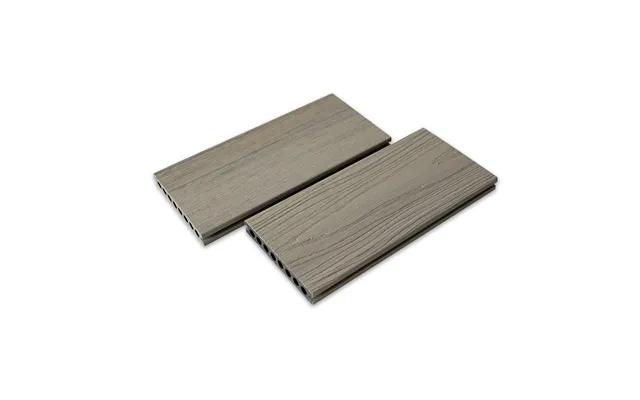
Composite boards mix wood fibers and recycled plastics for a board that looks like wood but resists rot, warping, and splintering. They’re a favorite for pool areas since they often have textured, slip-resistant surfaces and don’t require staining. Composite boards usually come in lengths like 12 ft or 16 ft, and typical widths are around 5.5 inches. Expect a little higher upfront cost, but far lower maintenance over the years.
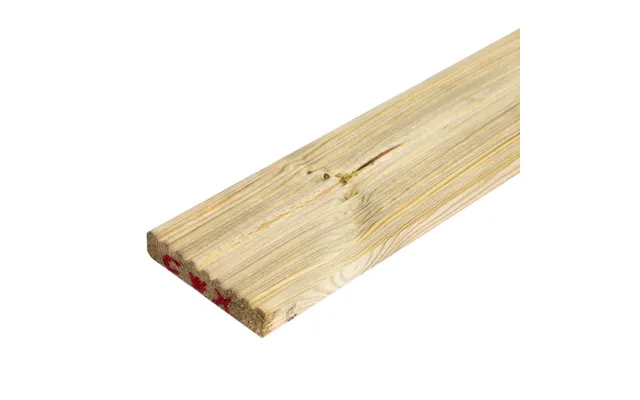
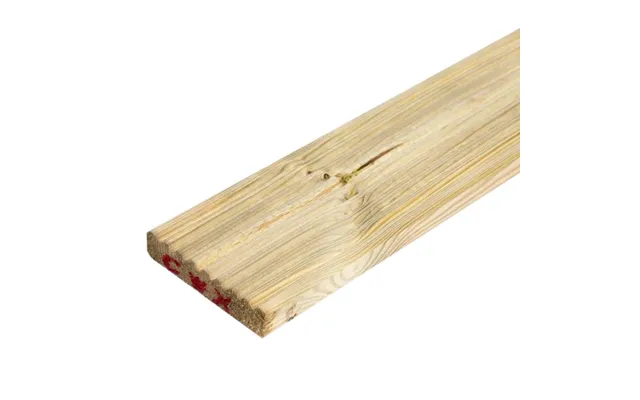
Pressure-treated lumber remains a budget-friendly option. It feels cooler underfoot than composite on hot days and can be stained to suit your style. However, you’ll need to plan on regular sealing, and boards can warp or split over time if not maintained. Joist spacing for wood decking around pools is commonly 16 inches on center, but some installers recommend 12 inches for extra strength near heavy use areas like steps.
PVC decking offers excellent water resistance since it contains no wood content. It’s lightweight, doesn’t absorb water, and rarely needs maintenance beyond periodic cleaning. PVC boards can be more expensive than composite but are a very low-effort option for poolside use. Boards often come with integrated hollow channels to reduce weight but retain stiffness when supported properly.
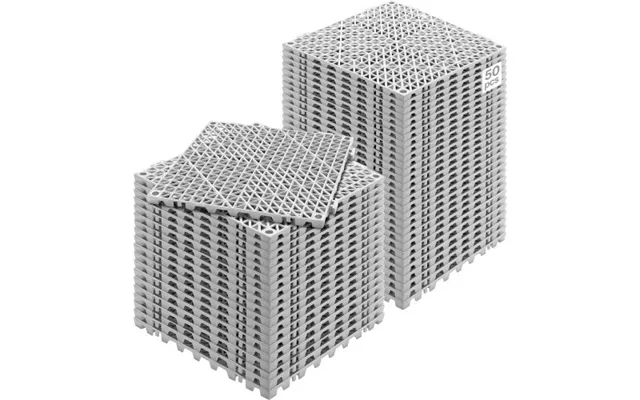
If you want a fast, DIY-friendly solution, interlocking deck tiles made from composite, wood, or PVC snap together and sit on the ground or over a frame. They’re ideal for temporary setups or elevated platforms around smaller pools and spas. Tiles are usually 12 inches or 24 inches square, making planning easy—just count the squares!
Understanding what a kit contains helps you compare value and avoid surprises. Most complete kits include decking boards, joists or instructions for joist spacing, fasteners or clips, and fascia boards. Some premium kits add post caps, handrails, and lighting options.
The boards are the star of the kit. Look for board thickness of around 1 inch for composite and 1 to 1-1/4 inches for solid wood, which balances strength and comfort. Fascia boards hide the frame under the deck and give it a finished look; they usually match the main deck boards in color and profile.
A sturdy subframe is essential for safety and longevity. Aluminum or pressure-treated wood joists are common. Aluminum subframes resist rot and are dimensionally stable, while wood is cost-effective. Joist heights often range from 2 inches to 6 inches depending on the build; adjustable pedestals can help get precise levels, especially on uneven ground.
Hidden-fix clips, stainless steel screws, and corrosion-resistant brackets are typical hardware in kits designed for wet environments. Avoid plain steel fixings near pools—they corrode. Many kits include edge clips that create a consistent gap between boards for drainage, usually around 1/8 inch to 1/4 inch.
Before ordering a kit, measure carefully. How large is your deck footprint? For example, a typical modest deck might be 12 ft by 16 ft. Add a little extra for overhangs and waste—industry guidance usually suggests ordering 5% to 10% extra material. If you’re installing around an odd-shaped pool, sketch it out and measure curvatures in feet and inches so the kit can be adapted or supplemented.
Is your pool rim 18 inches above the ground or 30 inches? Matching deck height to pool coping is crucial for safe transfers and tidier aesthetics. If you need steps, plan for riser heights around 7 inches and tread depths of 10 to 12 inches—these imperial measurements align with common stair comfort standards.
You don’t need to be a pro to install many kits, but some jobs benefit from a contractor’s touch. Most homeowners can tackle a 12 ft by 12 ft kit over a weekend with basic tools: a circular saw, drill, level, tape measure, and a few clamps. Start with a square, level frame, secure joists at recommended spacing, then lay deck boards from one side to the other, using the supplied clips or screws.
Work with safety in mind: keep power tools away from water, use ground-fault circuit interrupters (GFCI), and avoid working in wet conditions. Leave expansion gaps at edges—composites expand slightly in heat; a 1/8-inch to 1/4-inch gap is common. When cutting boards, support the ends to prevent chipping and use a fine-tooth blade for cleaner edges.
Maintenance depends on the material. Composite decks usually need only soap and water and an occasional stiff brush, while wood requires annual staining or sealing. Avoid chlorine-saturated water pooling on the surface for extended periods—rinse spillage and saltwater after heavy use. Sweep debris away regularly, and check fastenings once a year to ensure nothing has come loose.
Poolside decks require attention to safety codes and best practices. Railings should meet local height rules—commonly 36 inches or higher—and baluster spacing should prevent small kids from slipping through, usually less than 4 inches apart. If you add lighting, make sure electrical work is handled by a qualified electrician and that fixtures are suitable for wet locations. Non-slip surfaces or textured finishes help reduce the risk of accidents, especially when the deck is wet.
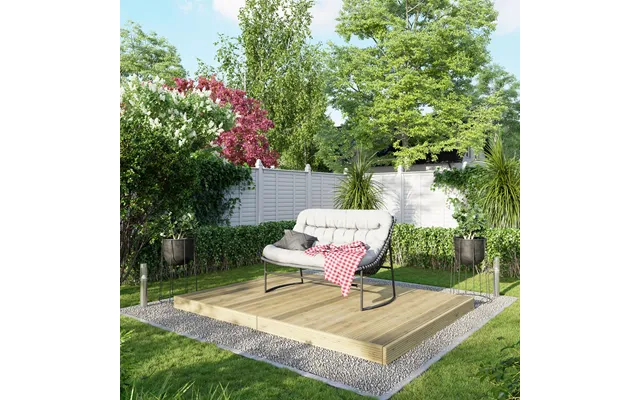
Think of your deck as an outdoor room. You can divide it into zones: a lounging area with an outdoor sofa, a dining space for alfresco meals, and a sunbathing corner with chaise lounges. Contrast colors by installing a lighter board around the pool edge and darker boards for the main deck to create a picture-frame effect. Built-in benches, planters, and integrated LED strips under steps add both function and ambiance. Want a natural look? Choose composite boards with wood grain textures. Want something modern? Go with wider planks—8-inch boards create a sleek, contemporary feel.
To elevate the pool experience, consider these accessories that integrate well with decking systems: handrails and steps, pool covers and reels, solar or electric pool heaters, deck-integrated drainage channels, and LED lighting systems. A stainless-steel handrail anchored into the decking improves safety, while a neatly mounted cover reel keeps cover storage tidy. For warmth, compact heat pumps are often mounted near the deck on dedicated pads and connected to the pool’s circulation system.
When comparing kits, ask yourself a few key questions: What’s the total square footage covered by the kit in square feet? Are the fixings stainless steel or corrosion-resistant? Does the kit include fascia and trim? What warranty is offered—10 years is common for composite boards, while some manufacturers back their products for 25 years. Also check whether the kit suits your joist spacing and if extra boards are included for waste. If you have an odd layout, choose a supplier that offers cut boards or flexible return policies for single-board purchases.
Costs vary based on material and scope. A basic wood kit for a small area could be economical, while composite or PVC kits command higher per-square-foot prices but lower maintenance costs. Factor in tools, subframe materials, and any professional labor you’ll hire. Don’t forget to include extras like railings, lighting, and a set of stairs—these items add up but also boost usability and resale value.
Imagine two homeowners: one picks a composite kit for a 14 ft by 20 ft deck because they want low upkeep and a consistent finish. The other chooses pressure-treated wood and a natural stain for a 10 ft by 12 ft deck to match an existing fence. Both achieve great results—one sacrifices a bit more upfront cost for long-term ease, the other spends less initially but budgets for annual maintenance. The right choice depends on how you weigh time vs. money.
Choosing a pool deck kit is about balancing aesthetics, performance, and budget. Plan carefully, measure twice, and think about how you’ll use the deck day-to-day. Whether you prioritize a maintenance-free surface, a natural wood look, or a modular tile system you can move later, there’s a kit that fits your needs. The end result is more than just a platform—it’s the stage for summer memories.
Conclusion: A well-chosen pool deck kit transforms your outdoor area into a safer, more attractive, and functional space. With the right materials, accurate planning, and a smart installation, your deck can be the backyard upgrade that keeps paying back in enjoyment and convenience for years to come.