


Sauna Heaters price list
Last updated Thursday, 12 Nov 2026

View 8 Offers
Loading...
Last updated Thursday, 12 Nov 2026
Picking the right sauna heater is like choosing the engine for a classic car — it determines the feel, performance, and how much joy you get every time you turn the key. Your heater sets the rhythm of heat, the amount of steam you can generate, and how quickly the room reaches your ideal temperature in Fahrenheit. Whether you want fast, intense heat for a short session or slow, even warmth for a long sweat, the heater type will shape your whole sauna experience.
There isn’t a one-size-fits-all heater. Electric, wood-burning, and infrared heaters each have distinct personalities. Knowing the differences helps you match a heater to your space, budget, and the kind of ritual you enjoy — whether that’s pouring water over hot stones to create a dramatic steam burst or mellow, steady warmth for nightly relaxation.
Electric sauna heaters are the most common choice for home saunas because they’re convenient, compact, and easy to control. They heat up quickly and can be paired with digital controls or remote thermostats for precise temperature settings. Electric units work well in small to medium saunas measured in square feet, and they’re ideal if you prefer a modern look with minimal fuss. If you’re installing in a house, check the circuit requirements — larger units will need dedicated wiring and outlet space.
Wood-burning heaters are the original way to heat a sauna and they deliver an unmatched atmosphere: the smell of wood smoke, the crackle of flames, and a deep, gentle heat that many traditionalists swear by. These stoves are a great fit for off-grid cabins or backyard saunas where you want authenticity. They require a chimney, a safe clearance area, and a little more attention during operation — but the payoff is a soulful, rustic heat that electricity can’t quite mimic.
Infrared heaters use light to warm your body directly rather than heating the air. They warm quickly and run efficiently, making them a popular choice for people who want shorter, lower-temperature sessions. Infrared systems are typically measured by panel size and wattage, but in practical terms they’re perfect for compact spots where you want a low-maintenance, energy-friendly option.
Some modern saunas combine electric heaters with steam-generating elements (commonly called combi or combi-steam units) to offer both dry heat and steam on demand. Gas-fired sauna heaters exist too, though they’re less common for home use. If you’re considering a hybrid or gas unit, make sure you understand venting needs and local building codes before buying.
Think of heater sizing like matching a stove to a room — too small and it won’t warm the space; too big and you might waste energy. The simplest rule of thumb is to calculate the sauna’s volume in cubic feet (length × width × height in feet) and choose a heater with recommended BTU output for that volume. For instance, a small 6 ft × 6 ft × 7 ft sauna (252 cubic feet) needs much less output than a roomy 8 ft × 10 ft × 8 ft sauna (640 cubic feet).
When you’re shopping, look for heater recommendations stated in BTU/hr or the equivalent for a given cubic-foot range. If you plan to use higher temperatures (above 180°F) or to add a lot of steam, err on the side of a slightly larger unit. Also factor in insulation quality — a well-insulated sauna holds heat better, requiring less continuous power to maintain temperature.
Controls can make or break the user experience. Basic heaters offer manual dials, while advanced models come with digital timers, remote controls, and smartphone apps that let you preheat the sauna before you step in. Built-in safety features like automatic shut-offs, overheat protection, and cool-touch exteriors are worth prioritizing, especially if children or older adults will use the sauna.
If convenience is your jam, digital timers and programmable thermostats let you preheat your sauna to a specific Fahrenheit temperature at a set time. Some models also include Wi‑Fi or Bluetooth connectivity for app control. These extras can improve energy efficiency by avoiding long idle periods and give you the flexibility to schedule sessions from your phone.
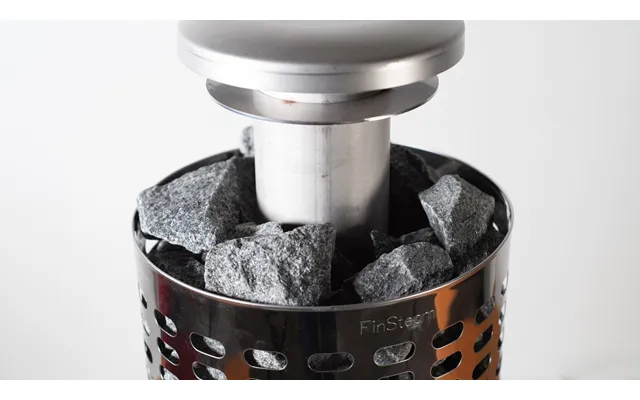
Sauna stones aren’t just decorative — they store and radiate heat, and when you pour water on them they produce the steam that defines a traditional sauna. Not all stones are created equal. Dense, volcanic stones hold heat longer and resist cracking, giving you better steam and longer-lasting performance.
Look for peridotite, olivine, or other dense volcanic stones about 2–4 inches across for optimal stacking and airflow. Stones that are too large won’t heat evenly, while overly small stones fall apart quickly under repeated thermal shock. Replace cracked or crumbly stones to keep steam quality high and to protect your heater’s elements.
Accessories are the finishing touches that turn a sauna from functional to fabulous. Simple items like a wooden bucket and ladle for creating steam, an accurate sauna thermometer and hygrometer to monitor temperature and humidity in Fahrenheit and relative humidity, and a quality timer for safety are essentials. A comfortable headrest, backrests, and sauna benches sealed properly keep your sessions cozy.
If you like to splurge, consider adding LED chromotherapy lights, aroma dispensers for essential oils, or built-in sound systems. These extras can create a multi-sensory environment, elevating a simple sweat into a ritual that rejuvenates both body and mind.
Installing a sauna heater can be straightforward if you plan ahead. Electric heaters require proper electrical wiring and a safe clearance from benches and walls. Wood-burning stoves need a stable base and a correctly installed chimney with the proper distance from combustibles. No matter which type you choose, follow manufacturer instructions and local codes — it’s one area where shortcuts aren’t worth the risk.
If you’re handy and the heater is a small electric model, DIY installation is sometimes feasible — but you should still consult an electrician for wiring. For wood-burning heaters or larger electric units, hire a professional installer to handle venting, clearances, and electrical work. Proper installation ensures performance, safety, and longevity.
Think of sauna maintenance like caring for a beloved instrument: a little attention keeps it sounding great. Regular checks include inspecting stones for cracks, cleaning out ash or debris from wood stoves, and wiping down heater surfaces to prevent buildup. An annual professional service can help catch issues like worn heating elements or corrosion before they become costly problems.
Replace sauna stones every 1–3 years depending on use and the stone type. Clean stones by brushing off loose particles and rotating them periodically to avoid hotspots. For electric heaters, keeping stones properly packed but not overly compacted ensures good air circulation and even heat distribution.
Running a sauna doesn’t have to feel like a utility shock. Infrared units typically use less energy and warm up faster, which can mean lower operating costs for short sessions. Electric sauna heaters can be efficient if you heat only when needed and maintain good insulation. Wood stoves use fuel rather than electricity, and the cost depends on local wood prices and availability.
For rough planning, estimate how many hours per week you’ll run the sauna and factor in local electricity or wood costs. Infrared often wins for hourly efficiency, electric units are middle-of-the-road, and wood stoves can be cost-effective if you have inexpensive fuel but demand more labor. Comparing expected running costs helps you choose a heater that aligns with both your lifestyle and your budget.
There are several reputable brands known for quality sauna heaters and accessories. Look for established manufacturers that offer warranty coverage and clear installation guidance. Popular brands include Finnish and Scandinavian makers known for traditional electric and wood models, as well as companies that specialize in infrared panels. If you like to compare deals before buying, using a comparison site can surface current Popular Offers and price lists so you don’t miss seasonal discounts or bundle deals.
When comparing, check not only the sticker price but also what’s included: stones, controls, delivery (if applicable), and warranty length. Look for product reviews, and consider total cost of ownership, including expected energy use and maintenance. A good comparison tool helps you filter by heater type, required room size in square feet, and key features like timer controls or smart integration.
Buying a heater that’s too small, neglecting to check electrical capacity, or placing the heater too close to combustible surfaces are frequent pitfalls. Another common error is skimping on stones or using inappropriate rock types — cheap stones can disintegrate and clog heater elements. Plan ahead, read specs carefully, and if in doubt, get professional advice to avoid regrets.
Finally, think about how you’ll use the sauna. Short, intense sessions are different from long, restorative ones. Keep water handy for steam, use a towel to sit on benches, and cool down gradually with a shower or a dip in a cold plunge if you have one. With the right heater and accessories, your sauna becomes a mini-retreat that fits into your daily routine like a favorite cup of coffee.
Whether you’re upgrading an existing sauna or planning a new build, the heater is the heart of the system. Match heater type to your lifestyle, choose quality stones and sensible accessories, and take time to install and maintain the setup properly. If you want to compare current Popular Offers or check a Sauna Heaters price list, a comparison site can help you spot the best deals without the legwork.
Ready to choose? Start by measuring your sauna space in feet, decide whether you prefer steam or dry heat, and pick a heater with the power to match the room’s cubic footage. With good planning, your home sauna will be a reliable oasis for years to come.