All categories
Business & Offices
Electronics & Media
Fashion & Accessories
Groceries & Essentials
Health & Personal Care
Home & Living
Kids & Family
Sports & Outdoors
Search in ZoneOffer

Loading...
Storage tanks are the unsung workhorses of a well-run home and garden. Whether you want to stash rainwater for drought-proof gardening, store heating oil efficiently, or manage wastewater safely, the right tank can save money, protect your property, and make daily life easier. In simple terms, a storage tank is just a container built to hold liquids—water, fuel, or wastewater—but the differences in size, material, and design matter more than most people realize. Choose wisely and your tank becomes a long-term asset; choose poorly and you’ll wrestle with leaks, algae, odors, and constant maintenance. Ready to make sense of the choices? Let’s break it down in plain, practical English.
For home and garden use, storage tanks typically range from compact 50-gallon water butts to hefty 2,500-gallon above-ground units and beyond. Want something portable? Intermediate bulk containers (IBCs) in the 275- to 330-gallon range are popular for flexibility. Need a slim profile for a narrow side passage? Slimline tanks can keep the footprint tight while still offering a few hundred gallons. If you’ve got space, vertical round tanks pack in more capacity with a smaller base. And if aesthetics matter, decorative rainwater tanks shaped like barrels or planters blend into the garden without shouting “industrial.”
Not all tanks are built alike, and that’s a good thing. Homeowners typically consider four categories: water storage tanks for rainwater or emergency supply; oil and fuel tanks for heating or backup generators; septic and wastewater holding tanks for properties off the mains; and multipurpose IBC totes for flexible, budget-friendly storage. Each category has its own safety, installation, and maintenance needs—so it pays to match the tank to the task rather than trying to force a one-size-fits-all solution.
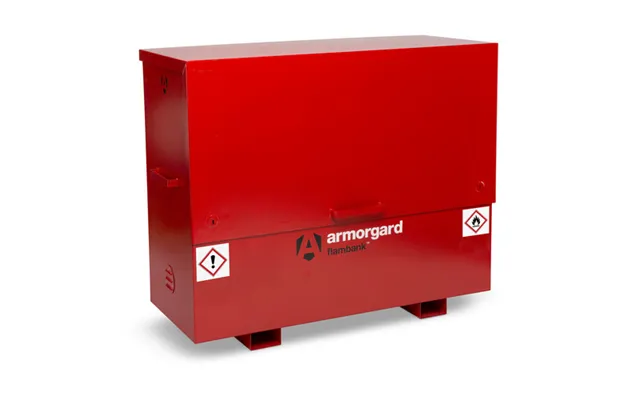
Think of a water storage tank as a savings account for your home’s water use. You deposit rainwater from your roof and withdraw it when the weather turns dry. For gardens, even a 200- to 500-gallon tank can keep beds and borders thriving during hosepipe bans. Larger households that want to flush toilets or run a washing machine off harvested rainwater may look at 1,000 to 2,500 gallons, paired with filters and a pump. Food-grade, UV-stabilized plastic tanks are common for potable and non-potable water; look for dark colors to reduce algae growth. Want quick wins? Start with a rain diverter, a first-flush kit, and a simple spigot for filling watering cans. Later, add a pressure pump and inline filter to automate irrigation.
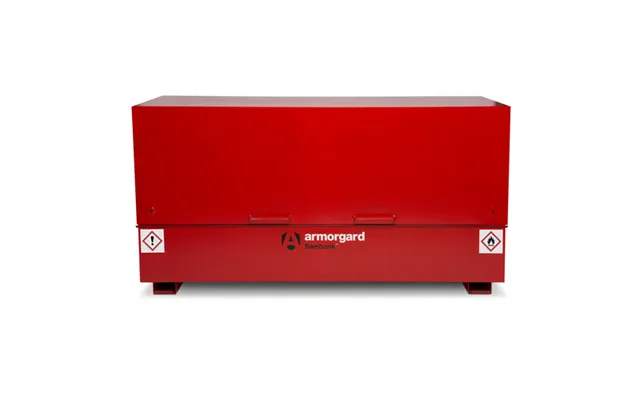
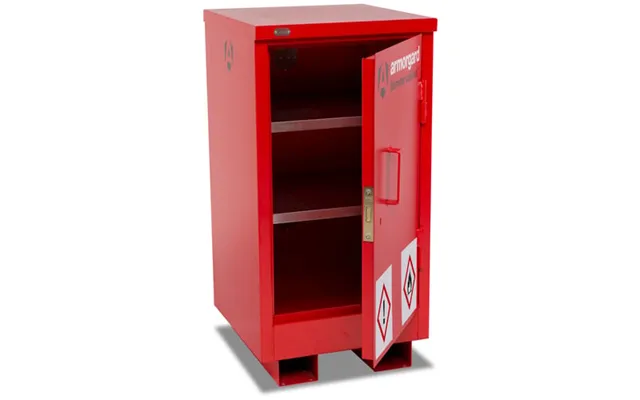
Heating oil remains a staple in many rural homes, and a proper oil storage tank isn’t just convenient—it’s a safety essential. Options include single-skin and bunded (double-walled) designs, with bunded tanks often preferred for added protection against leaks. Typical capacities run from 275 gallons up to 1,000 gallons and beyond, depending on your consumption and delivery schedule. Look for tough construction, clear fill and vent ports, and an accurate gauge. For fuel tanks, placement, venting, and fire-safety distances are key. It’s one area where cutting corners can be costly, so stick with compliant tanks and, when in doubt, consult an accredited installer.
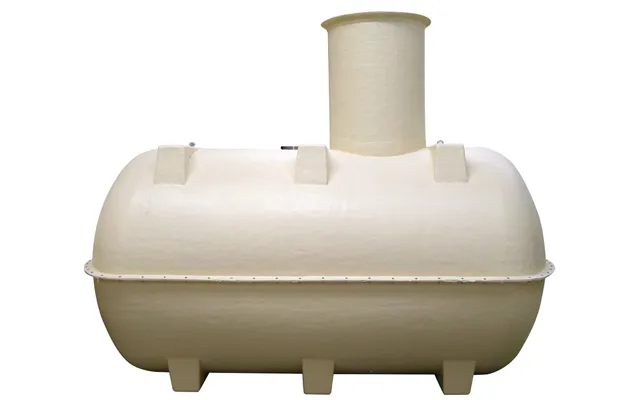
Off-grid or rural property? You might need a septic tank or a sealed holding tank. Septic tanks are designed for biological treatment, while holding tanks simply store wastewater until it’s pumped out. The right size depends on household demand—think in hundreds to a few thousand gallons—and local regulations. Strong, chemical-resistant construction is a must, and safe siting matters for access and odor control. If you anticipate infrequent pump-outs, oversize slightly to avoid overflows. Installing risers and inspection ports makes maintenance simpler and safer.
Intermediate bulk containers (IBCs) are the Swiss Army knives of storage: durable, stackable, and often more affordable per gallon than traditional tanks. Typical sizes are 275 or 330 gallons with a pallet base and a top-fill cap. They’re fantastic for rainwater storage, temporary projects, or as a backup water supply. Just make sure the tote is certified food-grade if you want it for potable water, and verify what it previously contained if you’re buying used. Totes can be plumbed together to scale up, and with a simple pump and hose kit, they’re ready for irrigation in minutes.
Tank size is a balancing act between need, space, and budget. Go too small, and you’ll run dry when you most need it; go too big, and you’ll spend extra for capacity you rarely use. For gardening, estimate weekly water needs during dry spells—many gardeners use between 50 and 150 gallons per week depending on plot size. For a household aiming to flush two toilets and run a washing machine on rainwater, 1,000 to 1,500 gallons is a common starting point. Oil tanks often align with delivery intervals; if you prefer fewer deliveries, a 660- to 1,000-gallon unit is a sweet spot for many homes. When in doubt, consider modular setups: link two 330-gallon totes or pair a 500-gallon slimline with a 1,000-gallon vertical tank to grow as your needs evolve.
Start by listing uses: garden irrigation, toilet flushing, laundry, emergency drinking (with proper filtration), or vehicle washing. Then estimate daily consumption and multiply by a buffer period—say 7 to 14 days—to cover dry weeks. For oil, review past delivery receipts or smart meter data to find your average burn rate. Seasonal peaks matter too: water demand climbs in summer, while oil demand spikes in winter. Choosing a tank that handles these swings comfortably means less stress, fewer deliveries, and better savings.
Working with a narrow side return or a tight corner? Slimline tanks tuck neatly along a fence, with capacities from a couple hundred gallons up to around 800 gallons without dominating the garden. If you have the footprint, vertical round tanks maximize volume efficiently. For underground solutions (water or wastewater), remember you’ll need excavation depth, access for pump-outs, and safe cover loads if vehicles cross above. Measure carefully in feet and inches and leave room for pipework, filters, and service access. You’ll thank yourself later.
Materials determine durability, weight, and cost. Plastic (polyethylene) tanks are the go-to for most domestic water and oil applications: they’re lightweight, corrosion-proof, and competitively priced. Steel tanks shine for fuel and industrial use where strength and fire resistance are priorities, though they need proper coatings to prevent corrosion. Glass-reinforced plastic (GRP) offers a rugged middle ground with excellent chemical resistance and a long lifespan. Whichever you choose, verify UV stabilization for outdoor installs and, for drinking water, confirm food-grade certification. A good tank should shrug off sun, frost, and everyday knocks without cracking or leaching.
Sunlight is the enemy of many plastics and a friend to algae. UV-stabilized tanks resist brittleness and chalking, while darker colors block light to keep algae at bay. If you’ll use the water for cooking or drinking, insist on food-grade materials, sealed lids, and fittings rated for potable use. Storing chemicals or fuels? Check the manufacturer’s compatibility chart and stick to approved substances only—mixing and matching can turn a tank into a liability. It’s like putting diesel in a petrol engine—technically possible, practically disastrous.
Above-ground tanks win on simplicity and cost. They’re easy to install, inspect, and maintain, and they come in countless shapes and sizes. Underground tanks hide the bulk—ideal when you want capacity without the visual impact—but require excavation, backfill, and careful anchoring to prevent floatation in high water tables. Above ground, think solid base, secure anchoring, and weather protection. Underground, plan for access risers, venting, and safe lids rated for any anticipated loads. Your choice comes down to aesthetics, available space, and budget.
Above ground pros: lower cost, straightforward setup, and easy upgrades. Cons: visible tanks and potential temperature swings. Underground pros: discreet looks and stable temperatures. Cons: higher install cost and more complex maintenance access. For site prep, lay a level, compacted base—often concrete or paving—for above-ground tanks, ensuring it’s bigger than the tank’s footprint. Keep clearances from walls or boundaries as recommended by the manufacturer, and plan direct, gentle pipe runs to reduce friction losses. Underground installs need proper bedding (sand or pea gravel), backfill to spec, and sometimes concrete collars or straps to keep the tank in place.
Accessories transform a simple tank into a smart, efficient system. The essentials? Inlet screens to keep debris out, first-flush diverters to send dirty initial rainwater to waste, and overflow kits to route excess safely. For daily convenience, add a float valve, a level gauge (mechanical or smart), and a frost-proof faucet. If you’ll power sprinklers or household fixtures, spec a reliable pump with adequate pressure and flow. For oil tanks, consider a bund alarm, an accurate contents gauge, and secure fill and vent caps. Little extras like flexible hose tails, unions, and isolation valves make maintenance faster and cleaner.
A good pump feels like magic: turn on a hose and water flows with consistent pressure. Choose based on your target pressure (PSI) and gallons per minute demand; add a pressure switch and expansion vessel to prevent short-cycling. For filtration, start simple with a leaf screen and sediment filter; add carbon filters or UV treatment if you need potable quality. Mechanical float gauges are reliable and cheap, while smart ultrasonic or pressure-based gauges give you app alerts when levels fall. For rain capture, roof-to-tank diverters that snap into your downpipe are quick to install and surprisingly effective.
Installing a tank isn’t rocket science, but it does reward careful planning. Check access for delivery—some large tanks won’t fit through a standard gate without a rethink. Prepare a level base, align inlet and outlet heights, and ensure vents can breathe. Avoid placing tanks directly against walls; leave a few inches to inspect and clean. For oil tanks, keep safe distances from windows, flues, and property boundaries as required by local rules, and never block access for fill hoses and inspections. Electrical work for pumps should be done by a competent person, and all pipework should be supported, insulated where needed, and protected from UV if applicable.
Think of the base as the foundation of your investment. A flat, strong platform keeps the tank stable and stops stress points that can lead to cracks. Leave clearances on all sides for inspection and cleaning—6 inches is a practical minimum, more if you can spare it. Venting is crucial: water tanks need air to escape as they fill, and oil tanks must vent safely to prevent pressure buildup. If you’re connecting multiple tanks, use balanced manifolds so they fill and drain evenly; it’s tidy and reduces strain on fittings.
A little maintenance goes a long way. Inspect tanks seasonally for cracks, bulges, or fittings that have loosened with temperature changes. For water tanks, flush out sediment once or twice a year; a bottom drain or sump makes this simple. Keep the inlet screen clean, check seals on lids, and wipe down algae-prone surfaces. Oil tanks deserve a quick check of the gauge, vent, and base; watch for signs of corrosion or damp supports. For septic or holding tanks, stick to a proper pump-out schedule and record dates so you never guess. Trust us—preventive care beats emergency fixes every time.
Schedule a spring clean and an autumn check. In spring, empty and rinse the bottom sludge from water tanks, replace any tired seals, and test the pump. In autumn, insulate exposed pipes, protect pumps from freezing, and confirm the overflow route won’t dump icy water where it becomes a slip hazard. If you expect hard freezes, keep water moving occasionally or use frost-proof taps and sleeves. For oil tanks, make sure water isn’t entering through the lid or vents—water in oil is a recipe for burner problems.
Rules exist to keep homes safe and the environment protected. Oil tanks often need to meet bunding requirements and observe set distances from structures and boundaries. Venting, fire resistance, and spill containment are part of the picture too. Wastewater tanks and septic systems must be sized and sited correctly to protect groundwater and allow for safe pump-outs. For rainwater systems connected to household fixtures, proper backflow protection prevents contamination of mains water. Always check current guidance, and if you’re unsure, ask a qualified installer to assess your site. It’s peace of mind you can bank on.
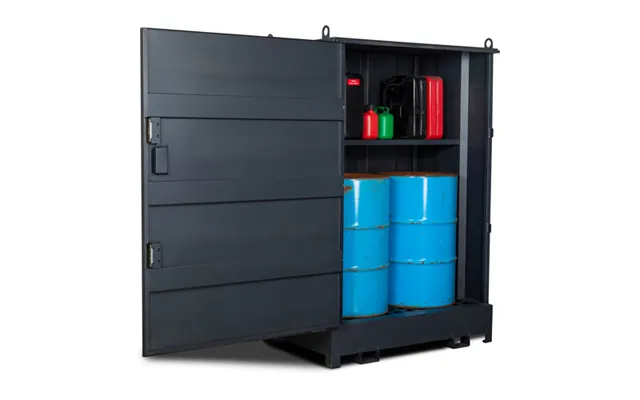
Bunded oil tanks—essentially a tank within a tank—provide a built-in safety net if the inner shell fails. Many properties are required to use bunded designs, especially near watercourses or where a spill could cause harm. Placement rules typically require clearances from buildings, openings, and heat sources, plus a firm, level base. Look for tanks that carry recognized certifications and come with robust warranties. It’s not just about ticking boxes; it’s about preventing spills, avoiding fines, and protecting your home and garden.
With so many offers on storage tanks, how do you separate the steals from the duds? Focus on total value, not just sticker price. A cheap tank that needs constant fixes isn’t a deal; a fairly priced tank with a long warranty, solid accessories, and quick delivery often is. Compare like with like: capacity, wall thickness, included fittings, UV stabilization, and certification. Read reviews that mention durability and service support. And don’t overlook delivery terms—large tanks are bulky, so curbside vs. placement delivery can make a real difference on installation day.
Spec sheets aren’t thrilling, but they’re your best friend. Confirm capacity in gallons, dimensions in feet and inches, fitting sizes, vent requirements, and recommended base specs. Check the warranty length and what it actually covers—material defects only, or fittings and accessories too? Are there conditions like requiring professional installation? Is UV degradation covered? A few minutes now can prevent expensive surprises later.
One of the joys of storage tanks is how adaptable they are. Gardeners link two 330-gallon totes for a low-cost irrigation bank. Off-grid cabins rely on 1,500-gallon vertical tanks for household water. Rural homes use 660- to 1,000-gallon bunded oil tanks to keep heating steady through winter cold snaps. Even urban homes can tuck a 200- to 500-gallon slimline rain tank along a fence to feed planters and a pressure washer. With a little planning, you can create a system that fits your space, your goals, and your budget, without compromising on performance.
Want to go further? A rain-to-tap system adds filtration and UV treatment to deliver safe, great-tasting water to a dedicated faucet. For gardens, a simple loop with a timer, pressure pump, and drip lines turns stored rain into automatic watering that’s gentle on plants and efficient on water use. Add a level sensor to signal when the tank is low, and consider a mains top-up valve for uninterrupted supply. It’s like upgrading from buckets to a smart irrigation assistant.
Tank pricing is driven by capacity, material, shape, and features. Bigger tanks cost more, but the price per gallon usually drops with size. Plastic tanks tend to be more affordable than steel or GRP. Slimline designs can carry a premium for their compact footprint. Bunded oil tanks cost more upfront than single-skin, but they pay you back in protection and compliance. Don’t forget accessories—pumps, filters, gauges, and fittings add to the total, as does delivery to challenging sites. Smart shopping means weighing lifetime value, not just the initial outlay.
As a rough guide, expect small decorative water butts to be budget-friendly, 200- to 500-gallon garden tanks to be mid-range, and 1,000- to 2,500-gallon systems to climb based on features. Food-grade certification, UV resistance, thicker walls, and included valves and gauges all add value and cost. Delivery can be the wildcard: some sellers include it, others charge based on distance or access complexity. If you live up a narrow lane or need a crane lift over a wall, plan for extra fees.
Water isn’t just a utility; it’s a resource we can steward wisely. Harvesting rain cuts your mains water use, helps prevent runoff and localized flooding, and gives plants the soft, chlorine-free water they love. Storing heating oil efficiently reduces deliveries and wasted fuel. Managing wastewater correctly protects local waterways and soil. And when you install durable tanks that last, you reduce waste over the long haul. Think of your tank as a quiet eco-upgrade that pays you back season after season, year after year.
Even a modest 330-gallon tank can make a noticeable dent in mains water use during dry spells. Multiply that across a season and you’re talking real savings. Plus, by capturing roof runoff, you slow the rush of stormwater into drains—less pressure on local infrastructure, fewer puddles where you don’t want them. It’s a small change with a big ripple effect, and you’ll feel the difference every time you water the garden without tapping the mains.
From compact rainwater barrels to robust bunded oil tanks and versatile IBC totes, storage tanks unlock practical, money-saving, and eco-friendly advantages for every kind of home. The key is matching the tank to your needs: pick the right capacity, material, and accessories; install on a solid base with proper venting and clearances; and follow a simple maintenance routine. Do that, and your tank won’t just store liquid—it’ll store peace of mind. Ready to find a great deal? Compare options by capacity, construction, certifications, and warranty, then choose the setup that fits your space and your goals. That’s how you turn a good price into a great investment.
| Storage Tanks | Price | |
|---|---|---|
| Xtrade X0900035 42l Black Flexi-tub | £ 5,94 | |
| Armorgard Bh10 | £ 7,35 | |
| Overland-tandberg O-t Rdx Internal Drive. Black. Usb 3.0 Interface 3 | £ 199,39 | |
| Hpe 12tb Sata 6g Business Critical 7.2k Lff Sc 1-year Warranty Helium | £ 437,95 | |
| Hpe 14tb Sas 12g Business Critical 7.2k Lff Sc 1-year Warranty Helium | £ 686,29 | |
| Overland-tandberg O-t Rdx Internal Drive. 10-pack. Black. S-ata Iii In | £ 1.643,28 |