

Abrasive Blaster Accessories price list
Last updated Sunday, 18 Oct 2026




View 14 Offers


Loading...
Last updated Sunday, 18 Oct 2026
If you’ve ever tried to blast a rusty bracket or strip paint from a steel frame and thought, “This should be faster,” you’re not alone. The secret sauce isn’t just the blaster—it’s the accessories. The right nozzle size, a quality hose, a reliable moisture trap, and the correct abrasive media can turn a sluggish, dusty chore into a clean, controlled, and efficient process. In other words, your accessories decide whether you glide through projects or get bogged down by clogs, inconsistent finishes, and wasted air.
That’s why comparing abrasive blaster accessories is worth your time. On a comparison site like ZoneOffer, you can spot popular offers and scan price lists quickly across different retailers, allowing you to balance performance and budget without guesswork. Ready to upgrade how you blast? Let’s break down what to buy, why it matters, and how to choose accessories that fit your setup today—and where you want it to be tomorrow.
Nozzles are the tip of the spear. Choose the wrong one, and you’ll burn extra air, chew through media, or struggle to clean surfaces. Pick the right one, and you’ll get a consistent pattern, solid cutting power, and longer life.
Start with size. Common orifices are 1/8 inch, 3/16 inch, and 1/4 inch. Smaller nozzles (like 1/8 inch) sip air and suit smaller compressors while still delivering precision for delicate parts. Mid-size nozzles (3/16 inch) are the sweet spot for many home and light pro users, offering a strong balance of speed and air usage. Larger nozzles (1/4 inch) move lots of media fast but demand serious airflow and a stout compressor.
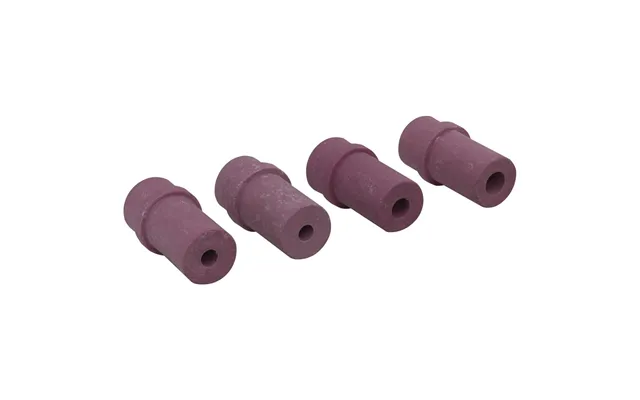
Material matters too. Ceramic nozzles are budget-friendly and fine for low to moderate use, but they wear faster. Tungsten carbide offers a big jump in durability and is a great all-rounder. Boron carbide is the heavyweight champ—pricey up front, but if you blast often, the lifespan can justify the cost quickly.
Your hose is the highway for air and media. Skimp here and you’ll feel it in pressure drop, kinks, and leaks. Look for abrasion-resistant, static-dissipative hoses with a smooth interior to reduce turbulence. Typical inside diameters range from 1/2 inch to 1 inch; wider hoses reduce restriction, especially for longer runs or larger nozzles.
Length is another lever. Shorter hoses (10 to 25 ft) minimize pressure loss, while longer lines (35 to 50 ft) give you reach. Match your hose to your nozzle: bigger nozzle, bigger hose. Don’t forget couplings and clamps—quality metal couplings with safety pins and matching gaskets help prevent blowoffs and leaks. It’s the difference between a steady blast and a stop‑start headache.
Whether you’re running a cabinet gun or a pressure pot with a deadman control, the trigger mechanism governs your comfort and control. A smooth, responsive gun reduces fatigue; a robust deadman valve gives you instant shutoff for safety. Look for parts with rebuild kits available so you can refresh seals, springs, and wear items without replacing the whole unit.
Moisture is the enemy of consistent blasting. It clumps your media, clogs your hose, and weakens your blast pattern. A good setup includes a water separator near the compressor, a fine filter close to the blaster, and ideally a desiccant dryer or refrigerated dryer before your lines. Add a regulator to dial in pressure precisely, and you’ll keep your media flowing like dry sand through an hourglass—no clumps, no drama.
When you need bite, angular abrasives shine. Aluminum oxide cuts aggressively, lasts longer than many media types, and leaves a profile that’s great for coatings. It’s ideal for rust, mill scale, and tough coatings. Garnet alternatives (and other angular options) can offer similar cutting power with varying recyclability and cost. If you’re blasting frequently, buying in 25 lb or 50 lb bags helps lock in better per‑pound pricing.
For a smooth, satin finish or delicate cleaning, glass bead is hard to beat. It peens the surface gently, leaving parts looking refined rather than gouged. Crushed walnut shell is a softer, organic media perfect for paint removal without digging into substrates like aluminum or fiberglass. It’s a go‑to for restorers who want to lift coatings while protecting the base material.
Soda blasting uses sodium bicarbonate to lift grime and paint without aggressive profiling. It’s awesome for degreasing engines, cleaning delicate surfaces, or removing road grime. Keep in mind it requires dry air and careful cleanup. Steel shot and grit, on the other hand, are heavy-duty choices for ferrous surfaces. Shot peens and hardens; grit cuts and profiles. You’ll often run steel media in closed-loop systems with reclaim equipment to maximize reuse.
Cabinet blasting is all about control and visibility. Thick, comfortable gloves with good grip matter more than you think—long sessions are easier when your hands aren’t fighting stiff rubber. Window protectors (peel‑off films) keep your view clear; change them as soon as the blast pattern clouds your line of sight. And don’t underestimate lighting. Bright, shadow‑free illumination inside the cabinet transforms your accuracy and finish quality.
For pressure systems, durability and consistency are key. Nozzle holders should fit your hose and nozzle material snugly; metering valves help you fine‑tune media flow so you’re not wasting abrasive. Remote lines for deadman controls let you start and stop blasting safely from the nozzle. If your pot supports it, invest in a moisture separator and a screen on the pot fill to keep contaminants out.
Good PPE isn’t optional. A high‑quality blast helmet with a clear visor and peel‑off lenses protects your eyes and face, while a proper respirator shields you from dust. If you’re blasting outdoors or with aggressive media, a supplied‑air helmet adds comfort and safety. Think of it like a seatbelt for blasting—you hope you never need it, but you’ll be glad it’s there every time you pull the trigger.
Heavy-duty blasting gloves, a durable jacket, and protective sleeves keep ricochet and spent media from biting into your skin. Consider ear protection too; blasting is loud, and ringing ears after a session is a red flag. Comfortable gear means longer, safer, more focused work sessions.
Here’s where many setups stumble. Your nozzle size and target pressure dictate how much air you need. As a rough guide at about 90 to 100 PSI: a 1/8 inch nozzle may require around 20 to 25 SCFM, a 3/16 inch nozzle roughly 45 to 60 SCFM, and a 1/4 inch nozzle can push into the 80 to 110 SCFM range. These are ballparks, but they illustrate the point: nozzle diameter and airflow grow together—fast.
If your compressor can’t keep up, pressure drops, the blast loses intensity, and you end up leaning on the workpiece without getting results. To help your system breathe, use short, wide air lines (1/2 inch or larger), minimize sharp bends, and place regulators and filters close to the blaster. Think of airflow like a river—smooth, wide passages keep the current strong.
Most leaks start small. A worn gasket, a cracked seal, or a clogged screen can quietly sap performance. Keep spares on hand and replace them before they fail. Screening media as you pour it into the pot or cabinet prevents debris from sneaking into your system and chewing up components.
Threads and couplings live in dust. A dab of anti‑seize on nozzle threads and a light lubricant on moving parts during reassembly can make teardown smoother and extend component life. When everything comes apart cleanly, you maintain more often—which keeps blasting results crisp and consistent.
Dust control is both a health issue and a productivity booster. A cabinet dust collector with a cleanable or replaceable filter keeps visibility high and reclaims media efficiently. For open blasting, consider shrouds and vacuum attachments where appropriate. Keeping spent media and dust under control also shortens cleanup and protects nearby tools and surfaces.
If your blast stream sputters or stops, moisture is a prime suspect. Add or upgrade your water separator, check for low spots in hoses where condensation can pool, and consider a desiccant dryer for humid days. Also check media: if it’s clumping in the bag, it’ll clump in the hose.
Uneven patterns often point to worn nozzles or mismatched media. As nozzles wear, the orifice enlarges, changing flow and pattern. Replace it and watch your consistency return. If cutting feels weak, upsize your media’s grit (or switch to a more angular abrasive), verify your pressure at the gun, and ensure your compressor is delivering the SCFM you expect. A pressure gauge at the gun can be eye‑opening.
Leaks around couplings are more than a mess—they rob pressure. Inspect gaskets, check clamps for proper alignment and tension, and replace worn couplings promptly. Over time, abrasive flow sands away interiors; swapping parts before they fail reduces downtime and keeps your blast crisp.
Comparing accessories the smart way means looking beyond sticker price. A low‑cost ceramic nozzle that lasts a week may cost more over a season than a boron carbide nozzle that runs for months. The same goes for hoses: a premium hose with better abrasion resistance can outlive cheaper options several times over, making total cost per hour lower.
Use a comparison site like ZoneOffer to scan popular offers and price lists across multiple retailers at a glance. Filter by size (say, a 3/16 inch nozzle), material (tungsten or boron carbide), or accessory type (moisture traps, couplings, metering valves). Pay attention to availability and bundle deals—some listings group couplings, gaskets, and clamps for a better per‑item value. Also factor in consumables like peel‑off window films, lenses, and filter elements. The best deal is the one that covers your real needs, not just what looks cheapest today.
There are plenty of reputable brands in blasting: companies known for durable nozzles, robust pots, and reliable PPE. When mixing and matching, check thread types, hose diameters, and coupling standards to ensure a snug, safe fit. Cross‑compatibility charts can be helpful, but when in doubt, confirm dimensions—1/2 inch versus 3/4 inch hose, thread pitch, and nozzle holder size are easy to overlook until something doesn’t mate up in the shop.
For cabinets, confirm gun fittings and glove port sizes before ordering replacements. For pressure pots, verify metering valve type and remote control connections. A quick double‑check saves returns and downtime, and ensures you get exactly what you intended.
If you’re restoring car parts, motorcycle brackets, or small hardware, a benchtop or stand‑alone cabinet with a 1/8 inch to 3/16 inch nozzle is a sweet spot. Pair it with a mid‑size compressor, a moisture trap, and glass bead or aluminum oxide depending on your finish goals. Add bright LED lighting, a roll of peel‑off window films, and a decent dust collector. You’ll be amazed how much faster and cleaner your projects become.
For outdoor work—frames, fences, machinery—step up to a pressure pot, a 3/16 inch or 1/4 inch nozzle, and a compressor that can feed it. A solid deadman valve, tough hose (35 to 50 ft), and a water separator near the pot form the backbone. Keep spare gaskets, a nozzle in your preferred material, and a screen for filling the pot. With that, you can tackle large surfaces efficiently and safely.
Two places not to pinch pennies: nozzles and safety gear. A longer‑lasting nozzle stabilizes your blast pattern and reduces downtime. Quality helmets and respirators aren’t just more comfortable; they protect your health and keep you blasting longer and more confidently.
Media is a great place to save with bulk buys. If you have storage space, grabbing 50 lb bags cuts cost per pound. Ancillaries like peel‑off films and gloves are also good candidates for multipacks. Use a comparison site to watch for popular offers and seasonal discounts, then stock up when prices dip.
Small tweaks pay off big. Ground your blast hose to reduce static. Keep a dedicated scoop for filling media to avoid contaminating your pot or cabinet. Label buckets by grit and type so you don’t cross‑mix abrasives. Place a pressure gauge at the gun to see real‑world pressure—not just what your compressor says—and adjust accordingly. And don’t forget to purge lines after a humid session to keep moisture from camping out overnight.
Dialing in abrasive blaster accessories is like tuning an engine—every part plays a role, and when they work together, performance jumps. Choose nozzles that match your compressor, hoses that don’t choke flow, moisture control that keeps media dry, and safety gear that lets you work longer without fatigue. Then compare offers and price lists on a trusted comparison site like ZoneOffer to find the best value without sacrificing quality. Do that, and your blasting won’t just be faster—it’ll be cleaner, safer, and a lot more satisfying.