

Abrasive Blaster Accessories - Other price list
Last updated Sunday, 18 Oct 2026




View 14 Offers


Loading...
Last updated Sunday, 18 Oct 2026
If you’ve ever tried to blast rust, paint, or scale without the right accessories, you know how quickly a simple job can turn into a slog. Abrasive blaster accessories are the unsung heroes of any blasting setup—they control the flow, tame the dust, protect your lungs, and keep everything humming along. Get them right, and your blaster feels like a precision instrument. Get them wrong, and it’s like running a race in heavy boots. This guide dives into essential and “other” accessories many people overlook, with practical advice to help you compare offers, match parts, and stretch your budget without sacrificing performance or safety.
Think of accessories as the three legs of a sturdy tripod: performance, durability, and safety. Skimp on one and the whole setup wobbles. High-wear parts like nozzles and hoses decide how fast you finish. Filtration and moisture control keep clogs and inconsistent blasting at bay. And safety gear—respirators, blast hoods, gloves—protects you from dust and rebound. Better yet, well-chosen accessories reduce media waste and extend machine life. That translates into fewer stoppages, cleaner results, and real savings over time.
Whether you’re using a pressure pot, siphon gun, cabinet blaster, or portable unit, a few accessory categories consistently pay off. Here’s what typically earns a permanent place on a pro’s checklist, plus how to evaluate each when comparing deals.
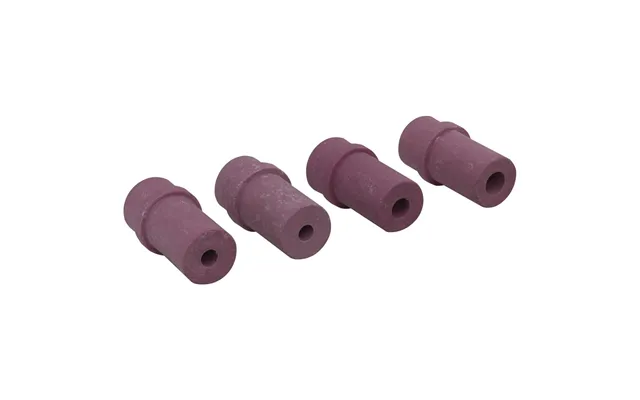
Nozzles decide media velocity and coverage. You’ll find boron carbide, tungsten carbide, and ceramic options. Boron carbide costs more upfront but holds size for a long time—great for heavy duty blasting. Tungsten carbide is a solid middle ground for most users. Ceramic nozzles are cheap but wear quickly, best for occasional jobs. Match nozzle holder threads and size precisely—common ports include 1/4 in to 1/2 in for air lines and 1-1/4 in threads on some nozzle holders. The tight match prevents leaks and pressure loss.
A quality blast hose feels supple yet rugged, with anti-static lining and thick abrasion-resistant walls. Hose inner diameter matters: a 1/2 in or 3/4 in ID hose suits many light-to-medium setups, while 1 in or larger helps push high volumes without starving the nozzle. Pair hoses with matched couplings, gaskets, and safety pins so nothing loosens under vibration. Look for quick-change couplings when you switch nozzles or lines often.
Moisture is the mortal enemy of blasting. It clumps media, causes surging, and wrecks consistency. A layered system works best: a filter-regulator at the compressor, a water separator close to the pot, and, if you can swing it, a refrigerated air dryer or desiccant dryer downstream. Add a drainable moisture trap before the metering valve. You’ll notice smoother media flow and fewer stop-start headaches.
Control equals quality. A deadman switch improves safety by cutting blast instantly when you release it. Foot pedals on cabinet systems give ergonomic, precise control. Metering valves fine-tune the media-to-air mix; quality valves make small adjustments easy and repeatable, which saves media and helps you hit a consistent profile.
Blast cabinet windows take a beating. Keep a stack of peel-off lens covers so you’re never peering through a foggy pane. LED lighting kits transform visibility—think faster work and fewer missed spots. Pair with heavy-duty cabinet gloves that are long enough to protect your forearms and thick enough to shrug off ricochet.
Clean, consistent media is a cheat code for speed and finish quality. Screens and sifters remove chunks and contaminants that would otherwise clog your hose or nozzle. Magnetic separators pull out metal shards after blasting steel parts. These “other” accessories are boring on paper but brilliant in practice.
Dust and fine particulate are invisible hazards. An air-fed blast hood paired with proper breathing air filtration, including carbon monoxide monitoring, is a smart investment. For smaller jobs, a tight-fitting respirator with the right filter cartridges helps—but don’t shortcut safety when blasting for extended periods in enclosed spaces. Add hearing protection, steel-toe boots, and a durable apron or jacket to complete the kit.
Nozzle choice is like choosing the lens on a camera—it shapes the whole outcome. You’re balancing speed, precision, and compressor capacity. Bigger bores move more media and strip coatings fast, but they demand more air. Smaller bores are nimble and frugal but slower on heavy rust. When you compare offers, match nozzle size to compressor output and the surface you’re tackling.
Boron carbide shines for tough jobs and heavy use—it’s light and extremely wear-resistant, so bore size doesn’t drift quickly. Tungsten carbide is a durable workhorse at a friendlier price. Ceramic can work for light or occasional blasting but erodes quickly with aggressive media. If you blast daily with aluminum oxide or steel grit, boron carbide often pays for itself in uptime and consistent results.
A simple rule: the larger the bore, the higher the air consumption. For example, a small nozzle around 1/8 in may run happily on a modest compressor, while a 1/4 in nozzle can demand far more air. Always check the manufacturer’s CFM chart and make sure your compressor can deliver continuous volume at the required PSI. Running out of air turns your blaster into a sputtering hose—nobody wants that.
Air quality determines media behavior. Moisture and oil in the line cause clogs and inconsistent profiles. If you’re shopping around, compare not just the price of filters and dryers but the replacement element cost and drain style. An automatic drain is less fuss and reduces the chance of flooded bowls or saturated media mid-job.
For portable setups, a compressor with solid continuous CFM at your target PSI is key. Add a regulator to keep pressure steady and a water separator right before the pot to catch condensate. A clear bowl makes it easy to see what’s happening inside, while metal bowls offer extra durability in rough environments. Remember: consistent pressure means consistent blasting.
Refrigerated dryers are a great middle-ground option for many workshops, keeping dew points low enough to curb condensation in most conditions. Desiccant dryers reach even lower dew points, which is helpful for long hose runs and high-humidity days. If you blast outdoors or on-site, portable desiccant filter towers can be a lifesaver.
Ever finish blasting and feel like you’ve been rolling in flour? Dust control changes the game. It improves visibility, reduces cleanup, and keeps neighbors and colleagues on your side. It can also help you comply with site rules or environmental expectations when working in sensitive areas.
Vacuum-ready blast guns, cyclones, and HEPA extractors capture spent media as you blast. They’re especially good for spot repairs on vehicles, machinery, or concrete without coating the entire area in dust. Look for high-static-pressure vacuum units designed to pull heavy grit, and check hose compatibility and length so you’re not fighting kinks and clogs.
Pop-up blast tents and heavy curtains trap dust and media rebound, protecting nearby equipment and surfaces. When comparing options, consider frame strength, tear resistance, and how quickly they set up. Bonus points if the kit includes ground skirts or weighted edges to keep everything sealed when the air starts swirling.
Your choice of media influences speed, surface profile, and cleanup. The wrong media can polish when you need bite—or shred when you need finesse. If you’re switching between projects, it often pays to keep a few types on hand and meter them carefully with a good valve.
Garnet cuts well and leaves a consistent profile for coatings—great for rust and scale. Glass bead peens and cleans without a harsh profile, perfect for aluminum and stainless when you want a satin sheen. Aluminum oxide is a fast cutter and long-lasting, ideal for heavy coatings. Sodium bicarbonate (soda) is gentle and water-soluble; it’s great for paint removal on delicate substrates and easy cleanup, though it can require more air and careful moisture control.
Bundles can be fantastic—if they include what you’ll actually use. Many kits package hoses, couplings, nozzles, and safety gear at a better price than buying piecemeal. But don’t pay for duplicates you don’t need. Compare the cost of individual parts and consider the long-term price of consumables like gasket sets, nozzle liners, and filter elements. If a bundle includes a nozzle you’ll outgrow quickly, you might save more by buying the right-size nozzle separately and keeping the rest of the kit.
The best blasting setups feel predictable. Consistency comes from simple maintenance and a small stash of spares. A few easy wins can keep your workflow smooth and your results repeatable.
Keep thread sealant tape, O-rings, and gaskets ready for couplings and valves. Stock extra window lenses for cabinets, gloves, and nozzle tips. A calibrated pressure gauge before the pot and at the gun helps diagnose issues—pressure drops point to restrictions, leaks, or underpowered compressors. A dab of lubricant where the manufacturer allows can prevent sticking or premature wear.
Good PPE shouldn’t feel like punishment. If it pinches, fogs, or deafens you to everything but your own heartbeat, you’ll dread wearing it—and that defeats the purpose. Choose gear that fits well and offers clear visibility and airflow, and you’ll stay safer without feeling bogged down.
An air-fed blast hood with a proper belt-mounted filter and carbon monoxide monitor is the gold standard for extended blasting. Look for wide viewports with easy lens changes, comfortable headbands, and replaceable capes. For intermittent blasting, a half-mask or full-face respirator with P100 filters can work, but be honest about the dust levels where you blast. Add ear muffs rated for high noise and sturdy gloves that preserve dexterity.
Ever fight a stubborn leak that just won’t quit? The culprit is often mismatched threads, tired gaskets, or undersized lines. Before you click “buy,” confirm sizes and thread types end to end. It takes a few extra minutes but can save hours of tinkering later.
Double-check nozzle holder thread sizes, hose inner diameters, and coupling styles. Many air lines use 1/4 in, 3/8 in, or 1/2 in fittings, while blast hose couplings and nozzle holders often step up in size. Use gentle hose curves rather than tight bends to prevent pressure drop and media turbulence. If you need long runs, size up the hose to reduce friction losses and keep PSI and CFM healthy at the nozzle.
Here’s the honest breakdown. Spend more on parts that affect consistency and downtime: nozzles, metering valves, moisture control, and breathing air. You’ll feel the difference every session. Save by matching hoses and couplings to your actual flow needs—oversizing beyond your compressor’s capability doesn’t magically add power. Buy PPE that fits and lasts; it’s cheaper than missed days or medical bills. And always consider the total cost of ownership: consumable lifespans, filter replacements, and the availability of spares.
When comparing abrasive blaster accessories, it’s tempting to chase the lowest sticker price. But the real value shows up over weeks and months of use. Look for clear specs, compatibility notes, and honest wear-life expectations. Offers that include gaskets, safety pins, and lens multipacks can save you repeat orders and downtime. Comparison sites make it easier to line up like-for-like parts, spot bundle value, and check availability without bouncing between multiple tabs.
Ask yourself: What will I spend on this over a year? How easy is it to get spares? Does the seller provide clear charts for air consumption, thread sizes, and media compatibility? Small details like included safety clips for couplings or extra peel-off lenses can tilt the scales. And don’t forget warranty coverage—especially for powered accessories like refrigerated dryers and vacuums.
Not sure where to start? Here are some practical combinations many users find effective. Adjust to your compressor capacity and project needs, and always verify thread sizes and air requirements before buying.
Pair a medium-bore nozzle with glass bead or garnet for panels and components, add a cabinet with bright LEDs, stack of lens protectors, and a foot pedal for control. A moisture separator near the pot and a refrigerated dryer upstream keep finishes smooth and predictable.
Use boron carbide nozzles in larger bores with aluminum oxide or garnet, driven by a compressor with ample CFM. Reinforced 3/4 in or 1 in hoses with matched couplings reduce pressure drop. A deadman switch boosts safety on long sessions, and magnetic separation after blasting helps keep media clean for reuse.
Soda or fine glass bead through a smaller nozzle offers control and minimal profile. Cabinet blasting with vacuum extraction helps visibility and cleanup. Keep extra cabinet gloves and spare lenses close—you’ll appreciate the uninterrupted flow on small, precise jobs.
When blasting goes sideways, it usually traces back to air, media, or wear items. Solve those first, and most problems vanish. Here’s a quick cheat sheet to help you get back on track faster.
Check moisture traps and drains, then inspect the metering valve for blockage. Sift or replace media if it’s contaminated or damp. Verify compressor output at working PSI—low CFM causes sputtering. Lastly, confirm there are no tight hose kinks starving the nozzle.
Inspect the nozzle for wear—an oversize bore lowers velocity. Try a sharper media or increase PSI within your system’s safe range. Ensure you’re holding the correct standoff distance and angle. If you’re blasting outdoors, wind can dilute media impact—contain or shield the area.
Replace worn gaskets, use proper thread sealant, and confirm coupling sizes. Misaligned or mismatched parts create micro-gaps that whistle under pressure. If a coupling keeps loosening, add safety pins or upgrade to a better locking style.
Abrasive blaster accessories aren’t just add-ons—they’re the engine room of your blasting results. From nozzles and hoses to air dryers, dust control, and PPE, the right combination turns tough jobs into smooth, repeatable workflows. Focus on compatibility, air quality, and control, and prioritize long-wear parts where it counts. As you compare offers in the UK, weigh total value over headline price, and favor kits that include the small but essential spares. Do that, and you’ll spend more time blasting clean, consistent surfaces—and far less time wrestling with clogs, leaks, and fogged-up windows.