




All categories
Business & Offices
Electronics & Media
Fashion & Accessories
Groceries & Essentials
Health & Personal Care
Home & Living
Kids & Family
Sports & Outdoors
Search in ZoneOffer
Loading...
When you think of axes, you probably picture a sturdy head and a solid swing, but the real magic often comes from the accessories wrapped around that core tool. From sharpening kits that slice your workload in half to protective sheaths that safeguard both you and your blade, the right axe accessories turn a good tool into a great one. If you split firewood, trim trees, tackle bushcraft, or maintain a tidy garden, upgrading your setup can save time, prevent injuries, and make every task feel more dialed-in.
In the UK, wet weather and variable storage conditions can chew through unprotected axe steel and untreated handles. That’s why accessories aren’t just nice-to-haves—they’re the armor, the tuning tools, and the life-extenders for your gear. Whether you’re hunting down popular offers via a comparison site like ZoneOffer or building a well-rounded kit piece by piece, a few smart additions can transform your day-to-day DIY experience.
Ask any seasoned splitter or bushcrafter: a sharp axe is a safe axe. Oil stones deliver a smooth, traditional sharpen, providing tactile feedback that makes it easier to control your edge. They’re affordable, portable, and ideal if you enjoy the ritual of slow, steady honing. Diamond plates, on the other hand, are the workhorses. They cut faster, stay flatter, and rip through fatigued edges after a hard season of chopping. If you often hit knots or soil, a coarse diamond plate followed by a fine stone is a fast track to a razor-ready edge.
Not sure which grit to pick? A coarse side for repairs and a fine side for finishing is a classic combo that suits most homeowners. Keep your strokes consistent, lubricate as recommended, and remember: aim for a durable working edge, not a mirror-polished showpiece. You want bite more than bragging rights.
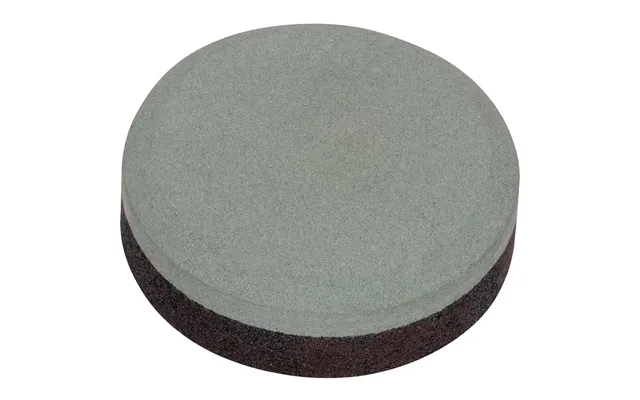
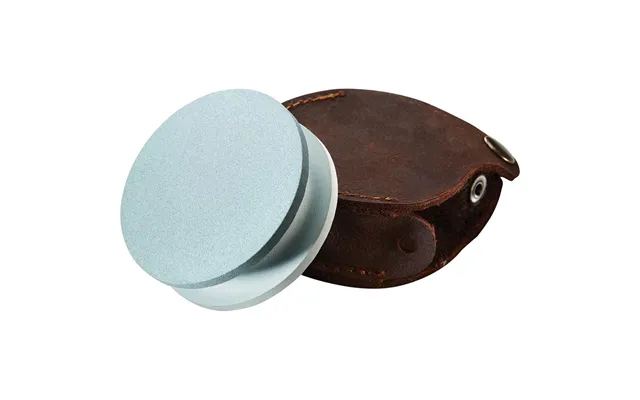
When you’re away from the bench, a compact file or sharpening puck is a lifesaver. Files help reset bevels quickly, especially on thicker splitting profiles that don’t need a dainty finish. Pucks—those palm-sized stones—are easy to grip and safe to use without a vice. Carry one in your pack, glove box, or shed drawer and touch up your edge whenever it starts to slide. A two-step routine—file first, puck second—keeps you productive without dragging the job back to the garage.
Pro tip: wipe your blade before sharpening, especially after sappy wood. Residue clogs abrasives and slows the process. Clean steel sharpens faster, and faster sharpening keeps your rhythm going.
Worried about getting the angle wrong? Angle guides snap onto the blade and help you maintain a steady bevel. They’re especially useful for beginners or anyone switching between felling and splitting axes that prefer different profiles. After shaping the edge, a dab of honing compound on leather—or even a bit of denim—can refine the burr and polish your work. It’s a small step that pays off with smoother cuts and fewer stalls.
Think of angle guides like stabilizers on a bike. You won’t need them forever, but they help you build muscle memory. After a season, your hands will remember the motion, and you’ll sharpen on instinct.
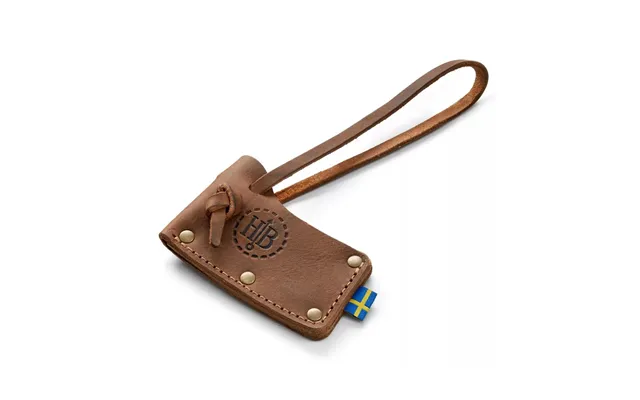
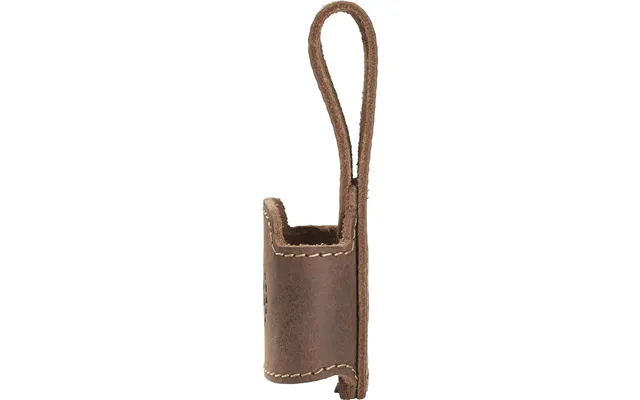
Nothing beats a sheath or mask for daily protection. Leather is timeless—tough, handsome, and naturally grippy. It molds to your axe over time, looks better with age, and shrugs off scuffs. Synthetic options—like reinforced nylon or polymer—are lighter, often cheaper, and handle wet conditions without complaint. If your axe lives in a damp shed or sees frequent rain, synthetic can be a smart, low-maintenance pick.
The goal is simple: keep edges covered and fingers safe. A good sheath locks on securely, resists accidental slips, and doesn’t trap moisture. Bonus points if it’s easy to remove while wearing gloves on a cold morning.
Bit guards and simple blade covers are the minimalist cousins of full sheaths. They snap on quickly and keep your edge from nicking gear in a pack or vehicle. If you have multiple axes, a set of blade covers makes storage and transport far safer. They also help maintain your sharpening work by preventing contact dings when you stash tools together.
Pair a bit guard with a wall rack and you’ll instantly level up your workshop safety. Out of sight may be out of mind, but an unprotected blade is a surprise you don’t want.
Handles define the feel of your swing. Hickory is a classic for a reason—strong, springy, and forgiving. Ash offers a similar vibe with slightly different grain feel. Fiberglass brings durability and weather resistance; it’s a solid pick if you’re rough on tools or often work in the rain. As for length, a compact camp axe might sit around 14 to 19 inches, while a full-size felling or splitting handle typically stretches from 28 to 36 inches. Pick shorter for control, longer for power.
Don’t overlook shape. An oval cross-section improves grip alignment and reduces twist. Subtle palm swells aid control on the return stroke. The best handle feels like an extension of your arm—balanced and confidence-boosting from the first swing.
Rehafting an axe isn’t rocket science, but it pays to be precise. A properly fitted wooden handle requires a snug fit in the eye, a straight alignment, and a calm hand when seating wedges. Use a hardwood wedge to expand the kerf, then add a metal step wedge for extra security. If you prefer belt-and-suspenders reliability, a thin film of epoxy in the eye can help, but don’t rely on glue to fix sloppy carpentry—good wood-to-steel contact is king.
After seating, trim any proud wedge, oil the handle, and let the assembly settle before heavy use. It’s a small ritual that turns a replacement part into a long-term partner.
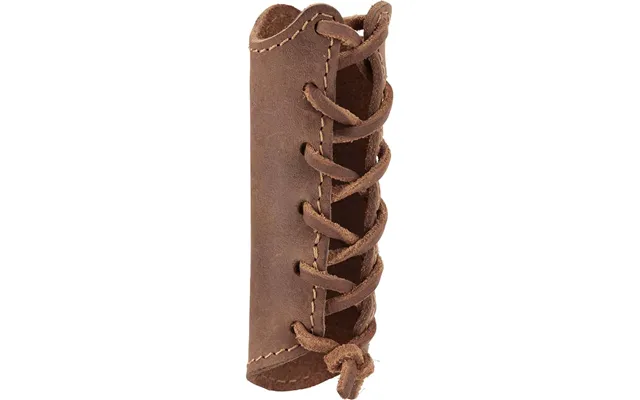
An overstrike happens when the haft, not the head, hits the log. Too many of those and even the best handle suffers. Overstrike guards act like shin pads for your axe, soaking up those mis-hits and preventing chips and splits. Neoprene sleeves are easy to install, leather guards add style and toughness, and polymer guards offer sleek, durable coverage.
While you’re at it, consider a grip wrap. Cold mornings and wet gloves make handles slicker than you’d like. A textured wrap adds traction and reduces hand fatigue on long sessions. It’s the simplest upgrade that feels like cheating—in a good way.
Felling wedges are small, mighty insurance policies. Slip one into the back cut and you persuade gravity to work with you, not against you. They prevent your saw kerf or axe cut from pinching and nudge the tree in the direction you’ve chosen. Look for tough polymer or aluminum models with ribbed faces for grip. A couple of modest wedges in your kit can turn a sketchy lean into a confident, controlled fall.
Use them early, tap gently, and reassess often. Felling is a thinking person’s game, and wedges are your chess pieces.
Splitting wedges are the sledge partners that bully tough rounds into submission. Drive one into the end grain, then add a second to keep the crack running. For knotted or seasoned rounds that laugh at a standard swing, a wedge or two can save your back. If you make lots of kindling, consider a stationary kindling splitter that holds the blade while you press wood down onto it—great control, less drama.
Remember, it’s not a speed competition. Controlled force beats wild swings every time, especially when your goal is a neat stack by the stove rather than a story for the pub.
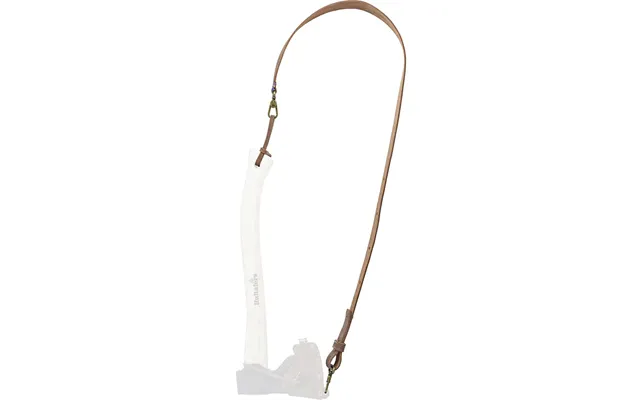
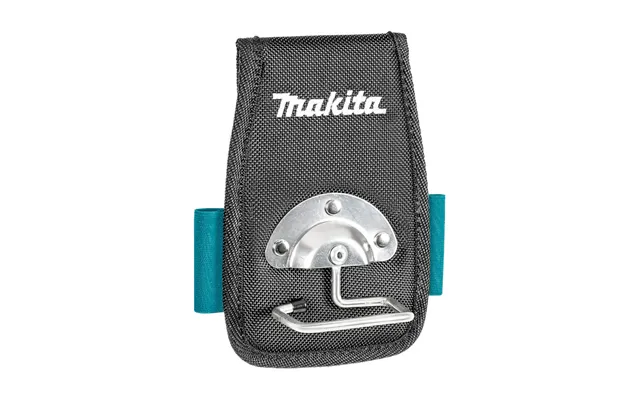
Carrying an axe loose is asking for trouble. Holster-style loops, belt pouches, and shoulder slings keep the head covered and your hands free. If your weekend involves walking to a woodpile or hiking to camp, a simple sling ups comfort and reduces fatigue. Back in the workshop, a purpose-built wall rack or magnetic tool strip displays your tools safely and keeps edges away from hazards.
Good storage is like good sleep—it doesn’t seem important until you’ve gone without it, and then you can’t imagine life before it. Protect your tools and they’ll repay you in reliability.
UK weather loves to test steel. A light coat of oil—camellia, mineral, or a dedicated tool oil—works wonders after each session. For handles, a few coats of boiled linseed oil add glow, grip, and moisture resistance. If rust sneaks in, a rust eraser or fine abrasive pad clears it without chewing up your bevels. Follow up with oil and your axe will shrug off damp mornings and misty evenings.
Wax blends are great on sheaths and even blades if you want extra water beading. It’s the same logic as waxing boots: repel moisture and clean up is faster next time.
If you enjoy throwing, you already know the edges take a beating. A snug mask prevents dings while traveling between sessions, and a padded case separates multiple heads so they don’t clatter. Consider thread locker for screws on modular throwing axes; vibrations can work fasteners loose over time. Keep a small driver in your kit and tighten hardware before you throw.
For bushcraft, a compact saw, ferro rod pouch on the sheath, and a small sharpening puck turn your axe into a field-ready system. It’s about versatility: one tool, many roles, minimal fuss.
A sharp edge is only part of the safety equation. Cut-resistant gloves protect hands while you carry and stack, clear specs guard against chips and splinters, and sturdy boots keep toes intact if a round shifts. Add hearing protection for combo tasks where saws enter the picture. It’s all common sense, but common sense gets forgotten when we’re in a hurry. Set your kit up so that safety is as easy to grab as your favorite axe.
If you’re teaching someone new, outfit them well. Good habits are contagious—so is carelessness. Lead with the right example and jobs go smoother for everyone.
When you’re scanning popular offers on a comparison site like ZoneOffer, filter beyond the lowest price. Check handle eye sizes to ensure your replacement haft fits, confirm sheath dimensions so the cover actually locks on, and read reviews for durability under wet UK conditions. Look for reputable materials: full-grain leather for long-lasting sheaths, USA or EU hickory for handles, and quality abrasives for stones and plates.
Balance cost and usage. If you sharpen weekly, spend a little more on a diamond plate. If your axe lives outdoors, lean toward synthetic guards and fiberglass handles. Pay once, cry once—and then stop thinking about it because it just works.
The fastest way to frustration is forcing parts that don’t belong together. Measure your axe eye and compare against the handle’s advertised fit. Note kerf depth and choose wedges that match—too small and they won’t bite, too large and you risk splitting the wood. A common rhythm is a straight hardwood wedge plus a metal step wedge at a slight angle to lock everything in place without over-stressing the grain.
Before you seat anything permanently, dry-fit. If it sits proud or tilts, shave lightly, test again, and take your time. Patience is cheaper than another handle.
Every time you rehaft a head, sharpen a dull edge, and oil a handle, you’re voting for longevity over landfill. Choose responsibly sourced woods when possible and maintain them with natural oils. High-quality leather lasts decades if you condition it occasionally, and synthetic guards reduce waste if they prevent premature handle failures.
The greenest accessory is the one you use for years. When you buy once and care well, you’re not only saving money—you’re lowering your footprint with every swing.
If you’re starting from scratch, prioritize a sharpening solution, a sheath or bit guard, and basic rust prevention. Those three deliver the biggest safety and performance gains. Next up, consider an overstrike guard and grip wrap if you’re working with hardwoods or you’re still refining your swing. Replacement handles and wedge kits live in the “sooner or later” category—be ready when the time comes rather than scrambling mid-project.
Premium purchases make sense where you’ll feel them constantly: a great diamond plate, a perfectly fitted leather sheath, or a fiberglass handle for an axe that lives outdoors. For occasional accessories—like extra wedges—mid-range picks often perform brilliantly.
If your main chore is splitting logs for the fire, set yourself up with a coarse/fine diamond plate, a robust bit guard, an overstrike protector, and a pair of splitting wedges for stubborn rounds. Add a simple sling for carrying between the woodpile and shed. Treat the handle with boiled linseed oil and wipe the blade with a thin film of tool oil after each session. It’s a low-maintenance routine that pays off in smoother, safer weekends.
For trips out, pack a compact file or puck, a snug synthetic mask, and a lightweight carrier that keeps the axe accessible but protected. A small bottle of oil, a rag, and a length of paracord round out the kit—paracord doubles as a temporary grip wrap or lashing. Focus on weight, versatility, and quick maintenance in the field. The axe becomes your all-in-one cutter, hammer, and wedge when you support it with the right extras.
In the workshop, go for comfort and repeatability. A bench-mounted stone or diamond plate, angle guide for consistent bevels, leather strop with compound, rust eraser, and a tidy wall rack create a professional feel. Add a selection of wedges, a spare handle sized to your favorite head, and a small bottle of epoxy just in case. When everything has its place, your maintenance is faster and your tools last longer—simple as that.
If you’ve ever turned a proud cutting edge into a butter knife, you know over-grinding hurts. Use light pressure, consistent angles, and check your work often. When hafting, don’t pound wedges like you’re breaking concrete—seat them firmly but stop when the fit is solid. Splits in the handle top are a sign you’ve gone too far. Finally, avoid damp storage and blade-on-blade contact. A dry corner, a sheath, and a light oil coat will prevent the rust monster from creeping in overnight.
Mistakes happen; that’s how you learn. The nice part about axe accessories is they turn many mistakes into minor hiccups. With the right kit, fixes are measured in minutes, not weekends.
Axes are simple tools, but the ecosystem around them is rich. Sharpening kits keep you cutting cleanly, sheaths and guards keep you safe, handles and wedges keep your swing true, and carriers and storage keep your gear ready for action. In the UK—where weather and workload ebb and flow—these accessories aren’t just add-ons; they’re the backbone of a smarter, safer, more satisfying DIY life.
Whether you’re browsing popular offers on a comparison site or handpicking upgrades at your own pace, focus on compatibility, durability, and the jobs you actually do. A few thoughtful accessories will make your axe feel like it was built just for you—and that’s when the work starts to feel like play.
The best axe is the one you maintain, protect, and tailor to your tasks. Start with a reliable sharpening setup, protect your edges with a quality sheath, consider an overstrike guard and grip wrap, and keep rust at bay with the right oils and waxes. Choose handles that match your swing and wedges that match your work. Add carriers and storage to keep everything safe and ready. Do that, and you turn a humble tool into a trusted companion—one that splits, fells, and crafts with ease, season after season.
| Axe Accessories - Other | Price | |
|---|---|---|
| Hultafors Axe Spare Sheath - 841740 | £ 35,- | |
| Hultafors Axe Grinding Stone | £ 49,- |


