All categories
Business & Offices
Electronics & Media
Fashion & Accessories
Groceries & Essentials
Health & Personal Care
Home & Living
Kids & Family
Sports & Outdoors
Search in ZoneOffer

Loading...
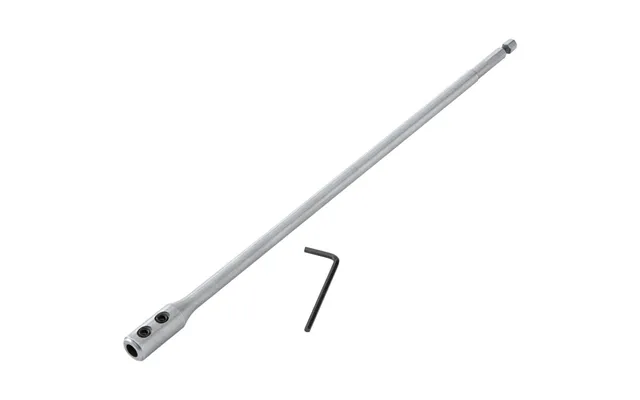
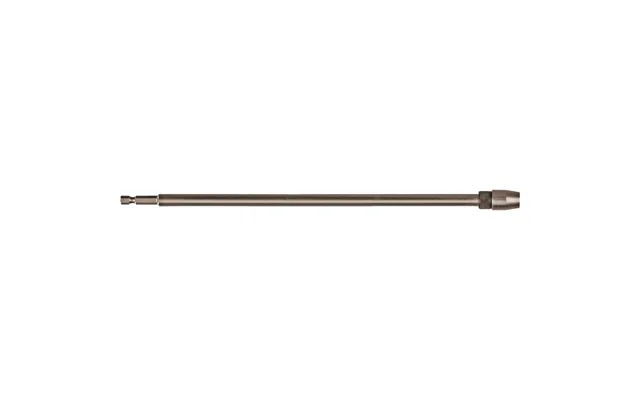
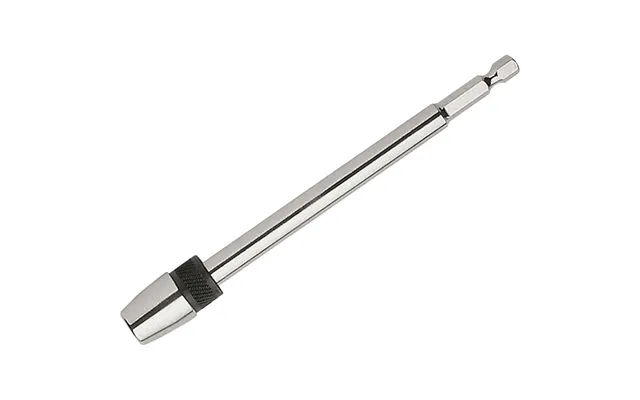
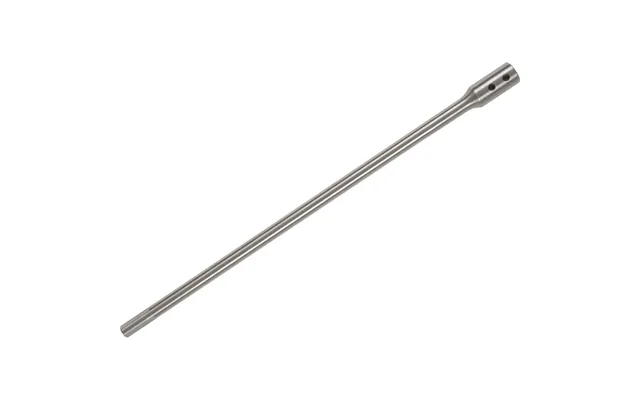
Drill bit extensions are simple yet brilliant tools that extend the reach of your drill bit or screwdriver bit so you can work in tight corners, deep cavities, or overhead spaces without twisting yourself into a pretzel. Think of them as the snorkel for your drill: they let the bit breathe where the drill itself can't go. Extensions come in rigid bars, flexible shafts, magnetic holders, and impact-rated versions — each built for different tasks and drills.
Why wrestle with awkward angles when an extension can do the heavy lifting? Extensions let you access fasteners or drill points that are several inches away from your drill body. They save time, keep your posture comfortable, and reduce the risk of stripped heads because you get a straight, stable drive. Whether you're assembling furniture, running wiring through studs, or drilling into deep cabinets, the right extension transforms a frustrating job into a quick one.
Extensions aren't one-size-fits-all. Here’s a breakdown of the most useful types so you can pick the tool that matches your task and your drill.
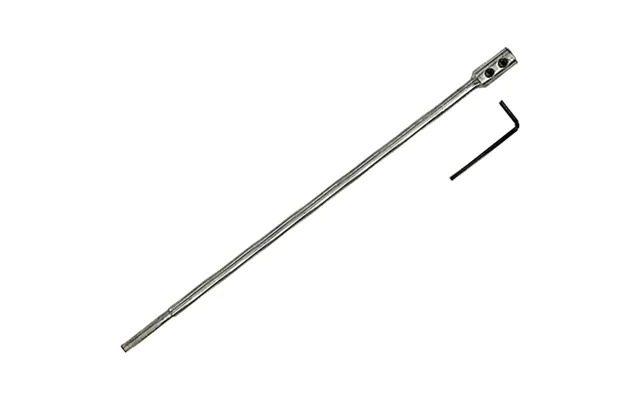
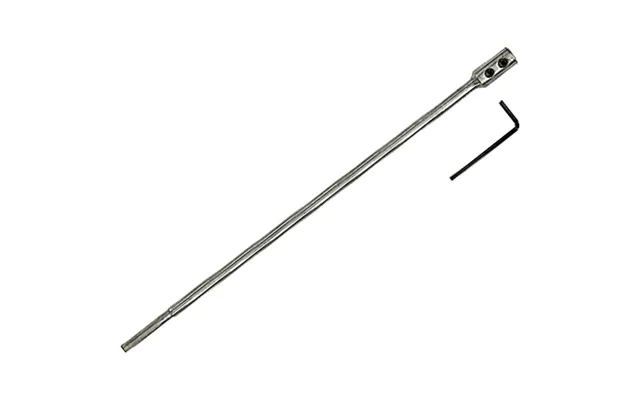
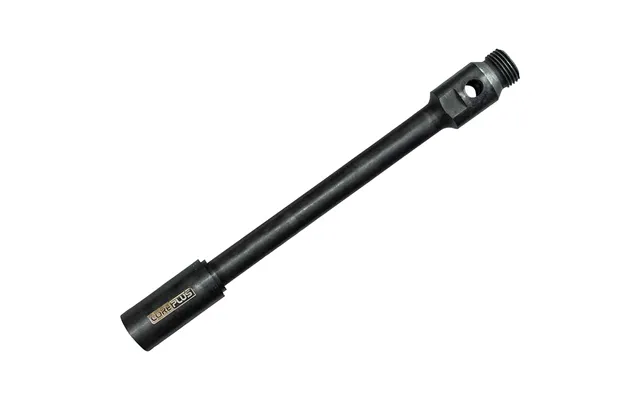
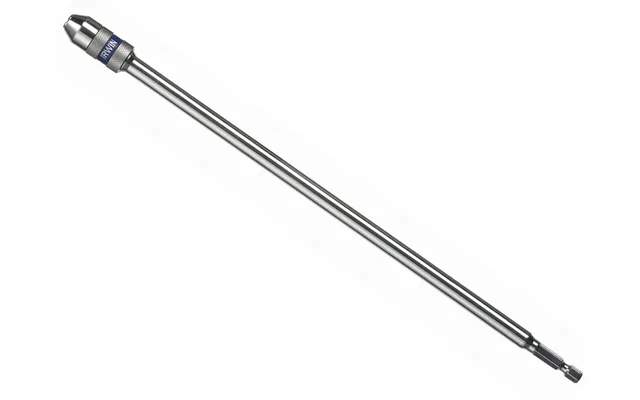
Rigid bars are straight extension rods that keep your bit perfectly aligned. They usually range from about 2 in to 12 in or more in length and come with common shanks like 1/4 in hex or 3/8 in square. If you need a steady, strong connection for drilling or driving in straight lines, a rigid bar is often the best choice.
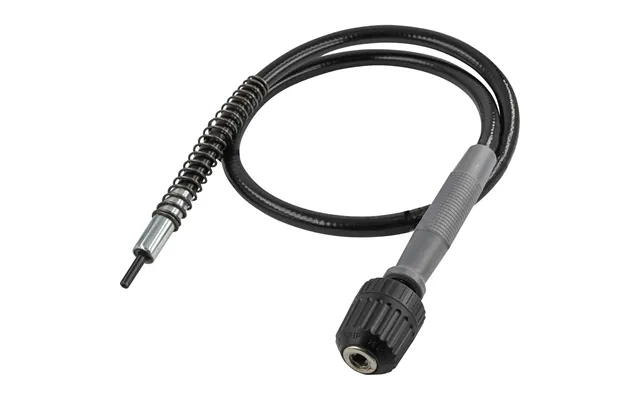
Flexible shafts bend around obstacles so you can reach screws that sit behind obstructions or inside odd cavities. Typical flexible shafts are 12 in to 36 in long and act much like a garden hose compared to a rigid pipe. They’re perfect for light-to-medium driving tasks, but avoid heavy hammering or high-torque impact use unless the shaft is specifically rated for it.
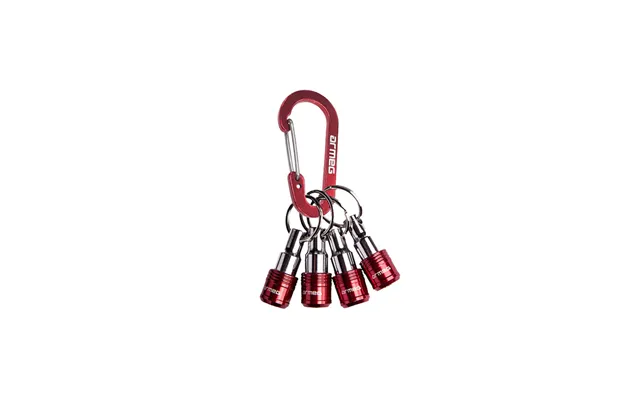
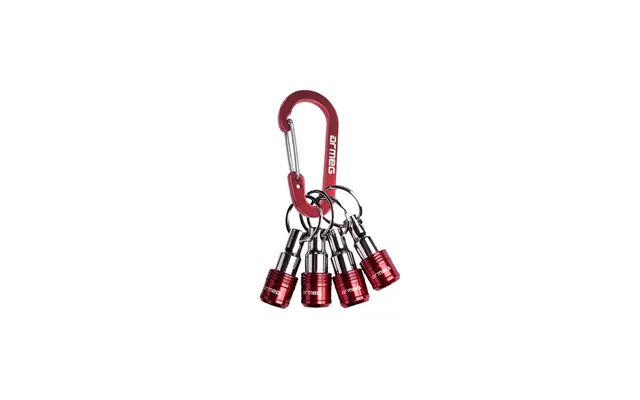
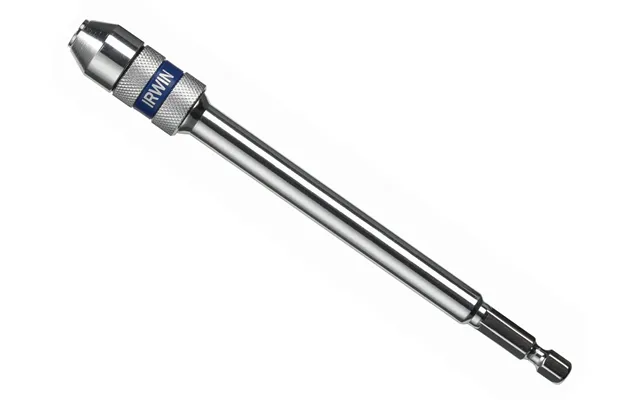
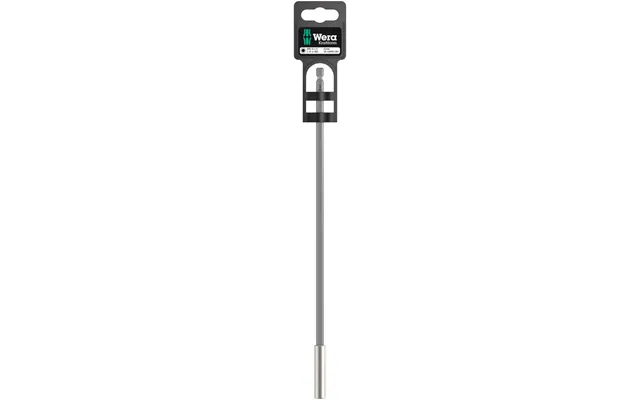
Magnetic holders secure bits magnetically and often include a quick-release collar. They’re usually short — 1 in to 4 in — and ideal when you need to swap bits frequently or keep screws on the bit for single-handed starts. A strong magnet is like having a third hand: it holds the screw steady while you align and drive.
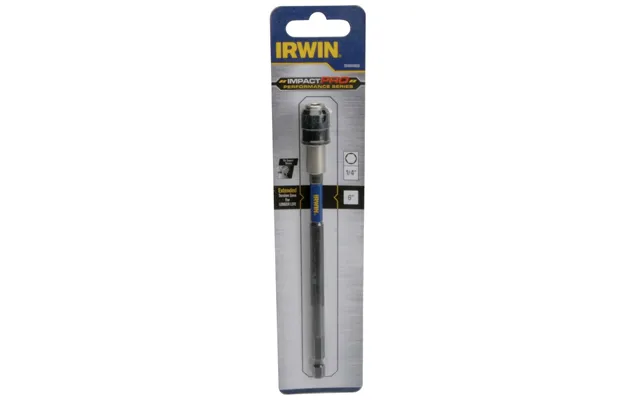
For power tools that deliver high torque, like impact drivers, use impact-rated extensions. These are heat-treated, often thicker, and designed to resist twisting and snapping. They range from short 2 in drivers to long 12 in bars. Never use a regular extension with an impact driver — it can fail catastrophically.
Choosing an extension is about more than just length. Here are the features that matter — and why they do.
Most bits use a 1/4 in hex shank, but some applications call for 3/8 in square or larger. Make sure the extension’s socket or chuck matches your drill and bits. If you use an impact driver, use a 1/4 in hex, impact-rated holder to ensure secure fit and safe operation.
Length is a trade-off between reach and control. A 6 in extension gets into most fridge backs and cabinets, while a 12 in bar reaches deeper voids. Longer shafts flex more, so if you need precision, choose a shorter, sturdier bar. For heavy work, prioritize thicker bars and impact-rated materials.
Magnetic retention is great for convenience — screws stick to the bit. But magnets can demagnetize over time or under high heat. Mechanical retention, like ball detents or locking collars, provides a more positive lock for high-torque work. For repetitive driving where you’re dropping screws frequently, magnetic holders are excellent. For driving lag screws or using an impact driver, mechanical locks are safer.
Where do extensions really shine? Here are practical situations where having the right extension saves time and frustration.
When you're mounting shelves, working inside ceiling cavities, or fixing the underside of cabinets, a 6 in to 12 in rigid extension or a 12 in flexible shaft can save your shoulders and neck. You’ll avoid awkward contortions and keep better alignment, which reduces stripped screws and broken bits.
Drilling long holes for wires or pipes often means you can’t bring the drill right up to the spot. A rigid extension with a compatible drill bit lets you reach deep openings while keeping the drill at a comfortable angle. Use a depth stop or mark the extension in inches so you don’t over-drill.
Cars and appliances breed bolts in tight recesses. A 3 in to 6 in magnetic bit holder or a short right-angle adapter helps you reach those recessed screws and fasteners without removing surrounding parts. Flexible shafts also work well where hoses or panels block direct access.
Extensions make jobs easier, but they change how force is applied. Here’s how to keep control and reduce the risk of slip, breakage, or injury.
When you add length, you're increasing leverage on the bit tip. Use lower drill speeds and steady pressure, especially on longer extensions. If your drill has torque settings, dial down the torque when starting a screw to avoid overdriving or cam-out. For impact drivers, always use impact-rated extensions to handle sudden torque bursts.
Start holes with a center punch or a pilot bit when working on metal or hard wood. Using an extension increases the chance of bit walking because the bit can flex before it bites. Keeping the pilot hole straight and using the right extension length prevents binding, which is a common cause of snapped bits.
Like any tool, extensions last longer when you take care of them. Here’s how to keep extensions reliable and safe.
After each session, wipe extensions with a dry cloth to remove dust and metal shavings. If they’ve been used in damp conditions, apply a light film of lubricant to prevent rust. For magnetic holders, check magnet strength periodically and replace if it weakens. Store flexible shafts coiled loosely to avoid kinks, and never use an adapter or extension beyond its rated torque or with incompatible tools.
Extensions pair well with a few key accessories that improve performance and convenience. Consider adding these to your toolkit.
When even an extension won’t fit, a right-angle adapter turns the drill head 90 degrees so you can drive screws from the side. These adapters are compact and handy for joining with a short extension to reach sideways fasteners in confined areas.
Bit sets that include quick-release holders let you swap bits fast without losing control of a screw. Look for sets that include both short magnetic holders for speed and longer rigid or impact-rated bars for reach and strength.
If you often switch between screws and nuts, add a socket adapter so you can use ratchet sockets with your drill. This turns your drill into a power ratchet for bolts and nuts, useful for automotive or furniture assembly tasks.
Shopping for extensions? Keep these practical tips in mind so you don’t buy the wrong one and end up frustrated.
Check if your drill or driver accepts 1/4 in hex, 3/8 in square, or another shank. Most cordless drivers use 1/4 in hex. For heavy-duty drills with keyed chucks, you may prefer extensions that accept round shanks and include adapters for bit retention.
Keep a selection of lengths on hand. A short 2 in to 4 in magnetic holder is ideal for quick swaps and single-handed starts. A 6 in to 12 in rigid bar handles most cabinet and appliance jobs. A flexible shaft of 24 in to 36 in is a specialty tool for very awkward reaches.
If you’ll use an impact driver, buy impact-rated extensions. They’re pricier but far safer and longer lasting. For occasional light work, you can stick with standard extensions, but treat them gently and avoid impact tools.
Even experienced DIYers make mistakes with extensions. Here’s what to watch for so you don’t burn time or ruin bits.
This is an all-too-common error. Non-impact extensions can shatter under the rapid torque changes of an impact driver. Always double-check the impact rating before you start — it’s safer and prevents costly injuries.
Longer isn’t always better. If your job needs accuracy, use the shortest extension that still reaches. Excess length increases flex and makes it harder to keep the bit straight.
For metal and hardwood, skip the assumption that force alone will do the job. Use a pilot hole sized in inches smaller than the final bit to prevent wandering and reduce stress on the extension and bit.
Extensions are durable, but they don’t last forever. Replace yours if you see excessive wobble, cracks, rounded shanks, or a magnet that no longer holds screws. With impact work, inspect heat-treated bars for hairline fractures — safety first.
Drill bit extensions are small investments that unlock big improvements in reach, comfort, and speed. Whether you choose a short magnetic holder for one-handed starts, a solid 12 in rigid bar for cabinets and deep holes, or a flexible shaft for awkward angles, the right extension helps you work smarter, not harder. Match the shank to your drill, pick the right length for the task, and always use impact-rated pieces with high-torque tools. With a compact kit of extensions and a few smart accessories, tight spaces and stubborn fasteners become just another checklist item you’ll tick off with confidence.
| Drill Bit Extensions | Price | |
|---|---|---|
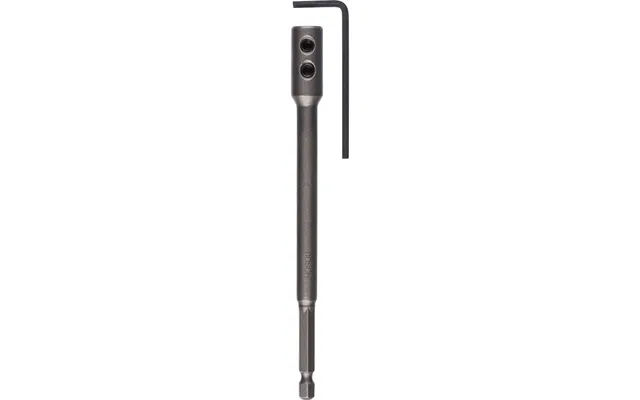
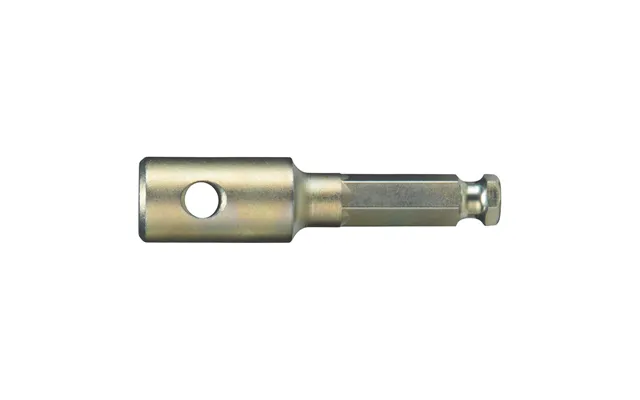
| Bosch 2608595422 152mm 1 4 Hex Shank Extension For Self Cut Speed Spade Bits | £ 5,98 | |
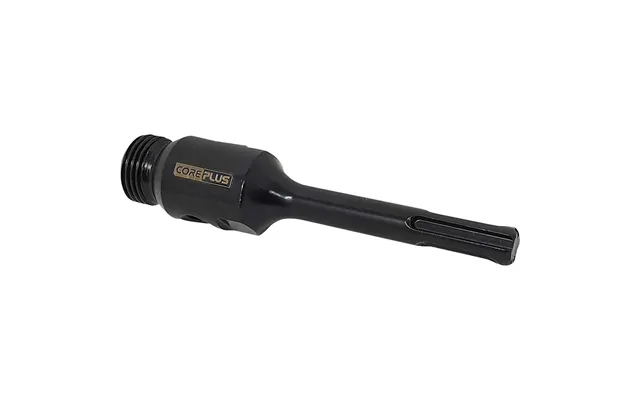
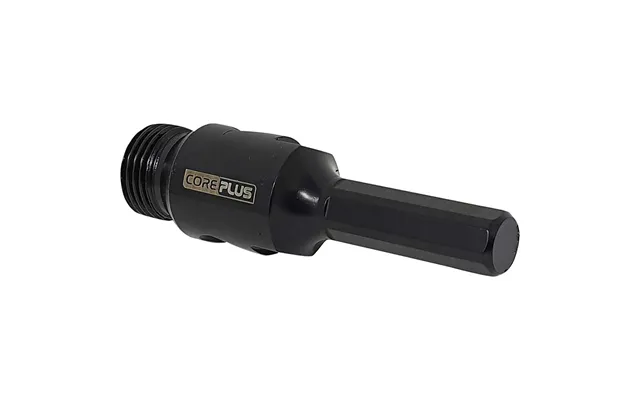
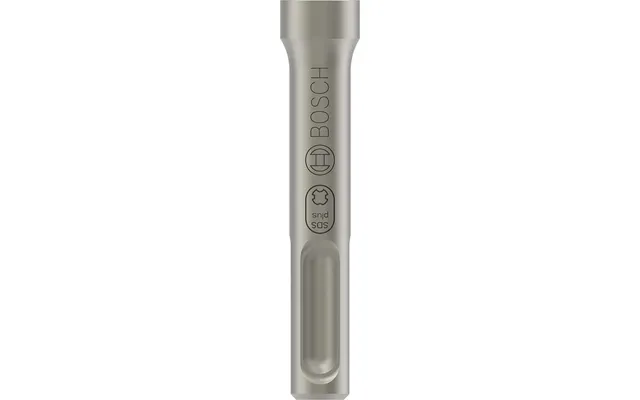
| Coreplus Cordca115sds Sds Extension Adaptor 115mm | £ 9,91 | |
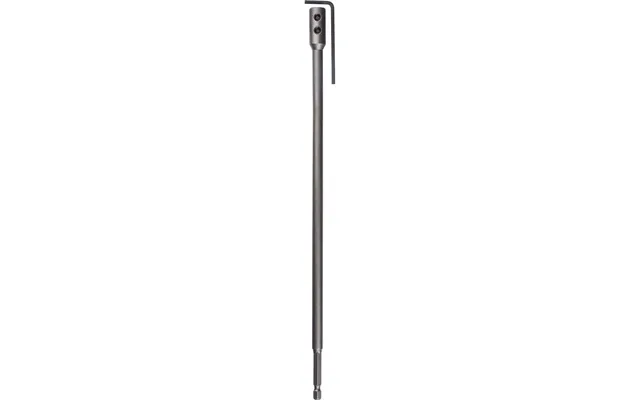
| Bosch 2608595423 Self Cut Speed Flat Drill Bit Extension 400mm | £ 10,54 | |
| Faithfull Faidcsdsadap Sds Extension Adaptor 10mm X 240mm | £ 11,64 | |
| Bahco 952510 Extension For 9529 20-32mm | £ 13,58 | |
| Faithfull Faikagp450 450mm Point | £ 17,61 | |
| Faithfull Faiflexdrive Flexible Drive Shaft | £ 23,13 | |
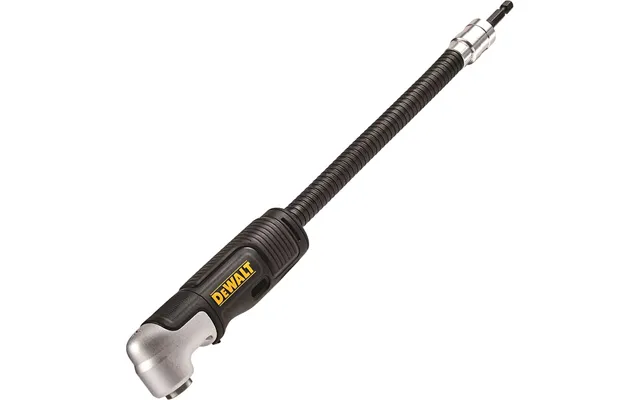
| Dewalt Power Tools Dewalt Dt20501qz Impact Modular Flexi Attachment | £ 59,02 | |
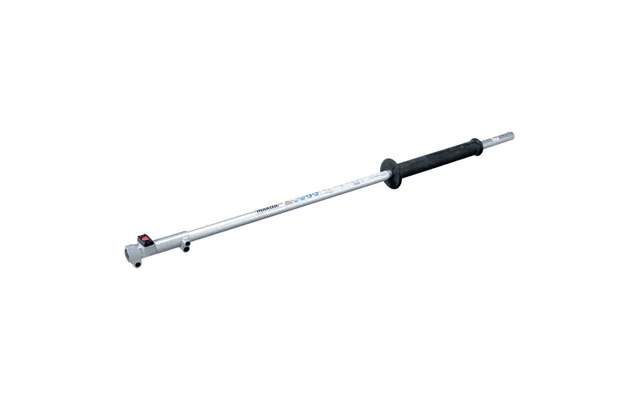
| Makita 191e248 Split Shaft Extension Attachment | £ 67,25 | |

| £ 70,04 |