

Drill Bit Sharpeners price list
Last updated Monday, 19 Oct 2026


View 7 Offers
Loading...
Last updated Monday, 19 Oct 2026
If you’ve ever wrestled with a dull drill bit that chews through wood like a butter knife through a popsicle, you know the pain—and the wasted time. A sharp drill bit is the difference between quick, clean holes and a frustrating day of burning, wandering, and broken bits. Drill bit sharpeners restore cutting edges, save money, and make every project feel smoother. Think of them as a little spa retreat for your drill collection: a quick session brings back performance and extends life, so you don’t need to toss out a perfectly good bit just because the tip is tired.
Sharpening is essentially free compared to buying new bits all the time. Instead of replacing a set every few months, a good sharpener can keep your bits functioning for years. Over time, those savings add up, especially if you’re a DIY enthusiast or a tradesperson who chews through bits on a jobsite. It’s like tuning a guitar rather than buying a new one each season.
A freshly sharpened bit slices through material rather than grinding. That reduces friction, which in turn reduces heat buildup—key when drilling hardwoods or thicker metal. Less heat means less chance of losing temper or hardness in the steel, so the bit stays useful longer. In short: sharper = cooler = longer life.
Dull bits tend to wander, bind, or grab, which can create kickback or ruined work. Sharp bits are predictable. They track true, cut clean, and let you maintain better control over the drill—whether you're tackling a hobby project or fitting cabinetry. That makes both the job and your next trip to the hardware store less stressful.
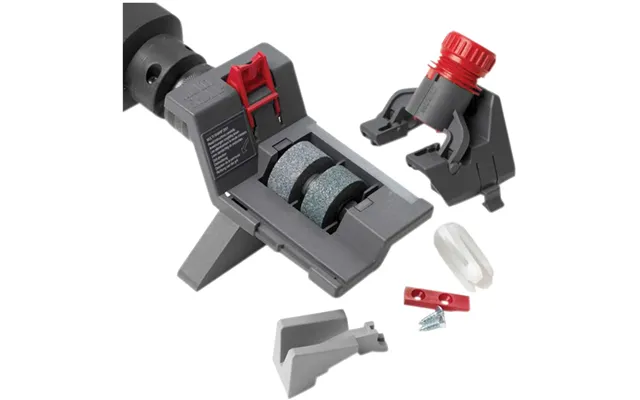
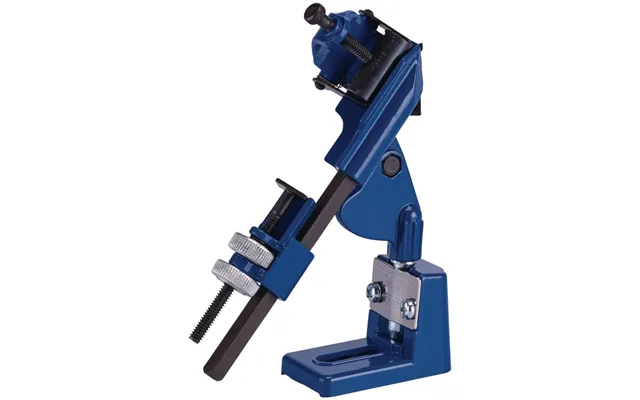
Manual sharpeners are simple, low-cost tools that rely on a fixed guide and a grinding stone or file. They’re portable, quiet, and perfect for occasional sharpening on the workbench or in the garage. You position the bit, rotate it against the abrasive surface, and refine the angle by hand. They’re a great entry point if you only need to touch up bits occasionally and want to keep things inexpensive and straightforward.
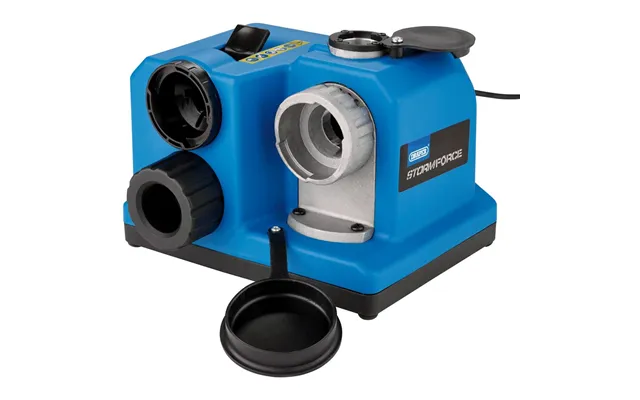
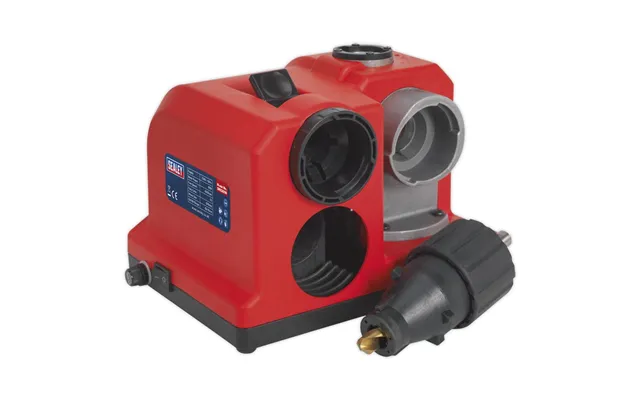
Bench-top sharpeners are power tools that automate angle control and produce consistent results fast. Many models hold a bit in a jig and present it to a grinding wheel at the exact angle needed—often adjustable for different bit sizes. These are ideal for shops or tradespeople who sharpen frequently. They’re stable, accurate, and they can handle a wide range of sizes from tiny 1/16" bits up to larger 1/2" or more, depending on the model.
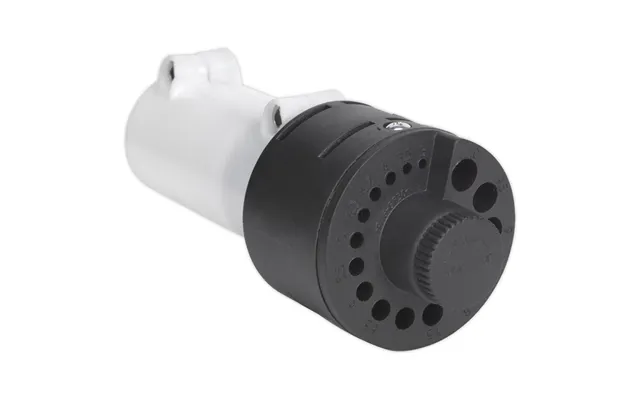
Portable units blend the convenience of manual tools with the speed of motorized sharpening. They’re compact, usually powered by mains electricity, and are handy for on-site sharpening between tasks. If you want quick, reliable edge restoration without carrying a full bench machine, these are a sensible middle ground.
Some sharpeners go beyond twist drills and can service spade bits, brad point bits, and even router bits or planer blades. These units are more complex but offer broader utility for a multi-skilled workshop. They’re like the Swiss Army knife of sharpening—versatile, slightly larger, and worth it if you have a range of cutting tools.
When shopping, you’ll find a spectrum—from compact manual guides to sophisticated systems like Drill Doctor models that offer precise angle controls and clear jigs. Look for a sharpener that supports the bit sizes you use most often—common ranges are 1/16" to 1/2" and 1/8" to 3/4" for larger units. Other features to prioritize include adjustable angles, dust guards, good motor power for electric units, and replaceable grinding wheels. If you work with metal more than wood, pick a wheel suited for high-speed steel or cobalt bits.
Start with a clean sharpening station, proper eye protection, and the bit you want to sharpen. If you’re using an electric sharpener, make sure it’s secured to a bench. Keep a small container of water nearby for cooling if you’re using a bench grinder—overheating can damage the bit. Remember, the goal is to remove just enough material to re-establish the cutting lips and the chisel edge at the correct angle.
Most general-purpose twist bits are sharpened around a 118° point—think of that as the default. Many woodworkers push toward a 135° split point for metal because it reduces walking and provides faster penetration. Use any jig or guide the sharpener provides, hold the bit steady, and lightly touch it to the wheel or abrasive. Rotate the bit as required to produce even edges. Finish with light passes until both cutting lips match in length and shape.
After a few light passes, inspect the bit under good light or a magnifier. The two cutting lips should be identical and meet at the center with a clean chisel edge. Dip the bit in water if it feels hot. Then test on scrap material—if it bites cleanly and doesn’t smoke, you’re done. If not, repeat with more controlled passes.
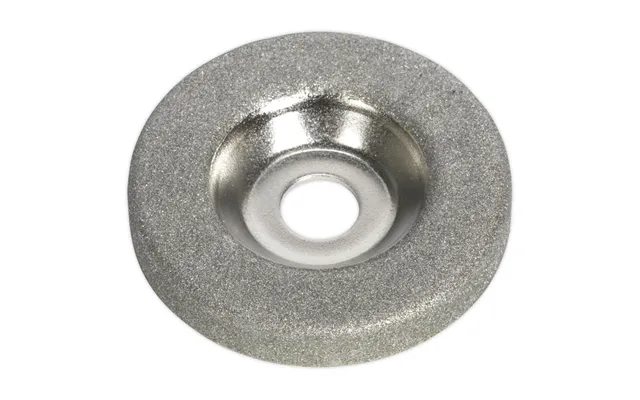
Masonry and carbide-tipped bits require a diamond wheel or a specialist sharpener because ordinary grinding wheels will destroy the carbide tip. These bits aren’t sharpened in the same way as twist drills; instead, you re-profile the carbide tip to restore its cutting edges. If you’re doing lots of masonry work, consider a diamond bench sharpener or sending bits to a pro service for reconditioning.
Spade bits can be touched up with a file or a flap wheel, focusing on the spurs and cutting lip. Auger bits often have screw points and complex geometries; sharpening them by hand requires patience but is doable with files and a steady hand. For both types, restoring the flat cutting surfaces and the point will dramatically improve performance in wood.
Brad point bits have tiny centering spurs that can be re-sharpened with a small file, while Forstner bits need careful attention to the rim and cutting teeth. If you value precision in woodworking projects, learning to maintain these bits pays off—clean holes and crisp edges without tear-out.
Not every bit is worth the spa treatment. If the flutes are cracked, the shank is bent, or the carbide tip is fractured in multiple places, replacement makes sense. Similarly, extremely worn bits that need heavy grinding to restore geometry will be smaller and weaker after sharpening, so it’s sometimes better—and safer—to buy new ones. Think of sharpening like pruning: it revives most tools, but sometimes the damage is beyond help.
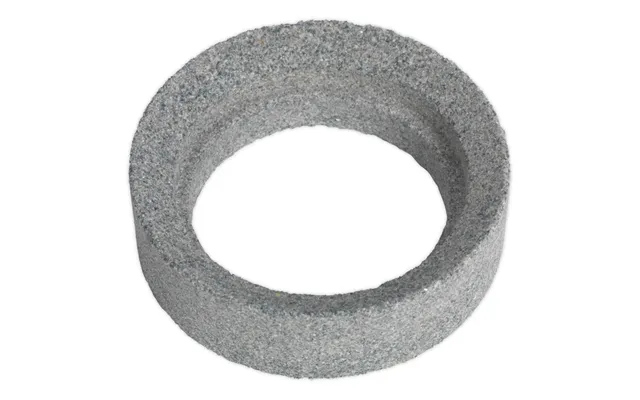
Your choice of wheel determines the finish and speed of sharpening. A fine-grit wheel leaves a smoother cutting edge, while a coarse wheel removes metal fast. Dressing stones keep wheels true and free of glazing; think of them as tune-ups for the sharpener. For carbide, grab a diamond wheel.
A bit overheats quickly during heavy grinding. A simple water cup or a dedicated coolant system on a bench sharpener helps maintain temper and hardness. If you’re worried about rust, a light oil wipe after cooling can protect the steel shank from corrosion, especially in damp climates.
Organized storage keeps bits safe and reduces breakage. Consider indexed cases with foam or labeled chucks so you can see at a glance which sizes need attention. Treat your bits like a deck of well-cared-for tools, and they’ll perform when you need them most.
When shopping in the UK, focus on compatibility, warranty, and customer reviews. Look for sharpeners that support the bit sizes you commonly use—typical ranges are from 1/16" up to 1/2" or 3/4" depending on the machine. Compare motor power and wheel type: higher RPMs and quality wheels mean faster, cleaner results. If you’re unsure where to start, comparison sites like ZoneOffer can help you quickly review specs, prices, and retailer options without committing to one store. That makes it easier to spot deals and read genuine user feedback before buying.
Keep the machine clean and free of dust. Wipe down the exterior after use, and use a brush to remove metal filings from the wheel guards and guides. Replace grinding wheels when they become glazed or uneven—dressed wheels perform more predictably. Lubricate moving parts if your manual recommends it, and replace worn jigs or clamps. A well-maintained sharpener will save you time and deliver consistent edge geometry for years.
Sharpeners aren’t just for pros. Woodworkers, metalworkers, plumbers, electricians, and DIYers all gain from sharper bits. If you drill frequently—say, every weekend or on the job—having a small bench or portable sharpener saves time and money. Hobbyists who value clean holes and precise joins will love the improved finish. Even if you’re occasional user, a manual sharpener is cheap insurance against dulled bits ruining a weekend project.
Drill bit sharpeners bring order to the chaos of dull, inefficient bits. Whether you choose a manual guide for occasional touch-ups or a robust bench unit for daily use, the right sharpener will keep you drilling cleaner, faster, and with less frustration. Think of sharpening as routine maintenance—like changing the oil in your car. A small investment in a sharpener and a short learning curve pays off with smoother projects, fewer breaks, and big savings over time.