




All categories
Business & Offices
Electronics & Media
Fashion & Accessories
Groceries & Essentials
Health & Personal Care
Home & Living
Kids & Family
Sports & Outdoors
Search in ZoneOffer
Loading...
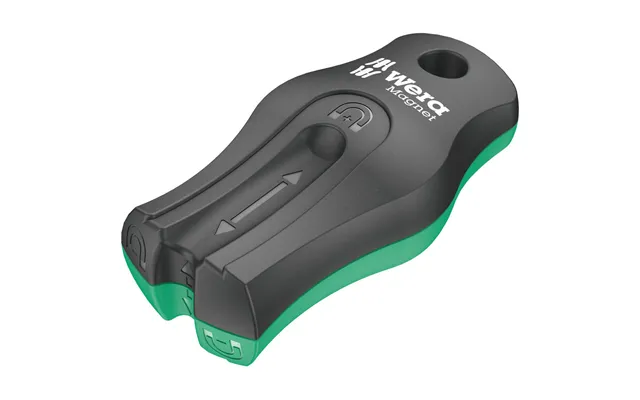
Magnetizers and demagnetizers are small, clever accessories that transform how your tools behave. Run a screwdriver through a magnetizer, and suddenly it grips screws like it was born for the job. Pass that same tool through a demagnetizer, and it sheds magnetism so it won’t attract metal shavings or interfere with sensitive work. Think of magnetizers as giving your tool a “superpower” to hold tiny fasteners, while demagnetizers switch that power off when precision or cleanliness matters. Inside, they use strong magnetic fields (and in some designs, carefully shaped slots) to align or randomize the magnetic domains within steel tools. The result? You regain control over when your gear sticks and when it doesn’t.
If you’ve ever fumbled a screw while working at arm’s length or overhead, you know the frustration. A magnetized driver tip makes that hassle disappear. Need to work near electronics, delicate watch parts, or tight tolerances? Demagnetize the same tool to eliminate unwanted attraction. It’s the ultimate “have it both ways” accessory—fast to use, pocket-sized, and ridiculously helpful for DIY, trades, or hobby work. The difference it makes is immediate: fewer dropped screws, faster installs, cleaner finishes, and fewer “where did that tiny screw roll off to?” moments.
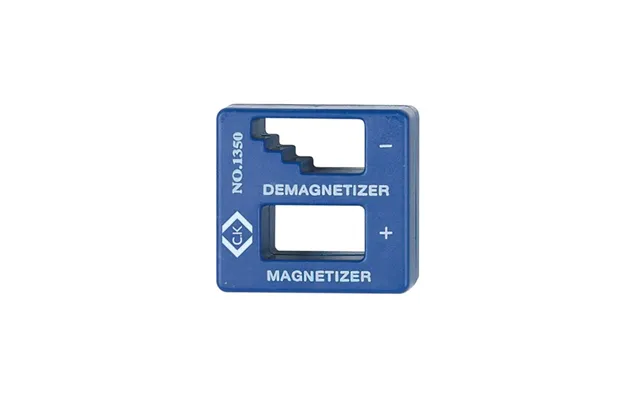
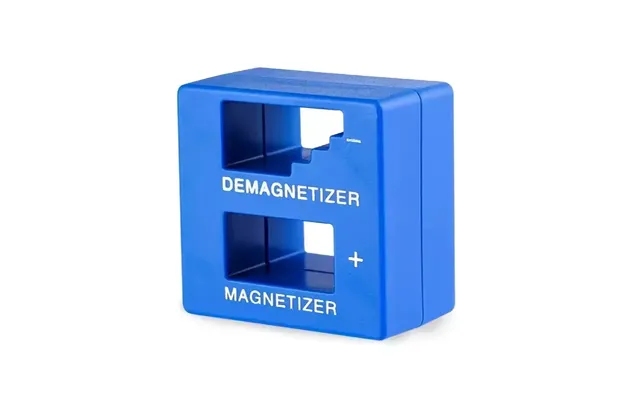
Among popular offerings, the Ck Magnetiser Demagnetiser stands out for simplicity and reliability. It’s a compact, dual-purpose block you can keep in a pouch, on a bench, or in a drawer. Just pass your screwdriver, tweezers, or small steel tool through the marked slots to add or remove magnetism—no power cords, no waiting, no fiddly steps. This kind of unit is a favorite because it’s quick, durable, and effective on everyday tools used by electricians, mechanics, PC builders, and DIY enthusiasts. While details vary by brand and model, the general advantage is consistent: a sturdy casing, clear markings, and consistent performance that you can count on day after day.
Using a combo block is as easy as swipe-and-go. To magnetize, insert the tool tip through the “magnetize” slot, slide it through several times in the same direction, and test on a screw. Need more holding power? Repeat the passes. To demagnetize, run the tool through the “demagnetize” slot with the same steady motion. In both cases, gentle, repeated passes work better than a single aggressive shove. The goal is consistency. Try it with different tools, too: small screwdrivers, precision tweezers, hex keys, and even some small pliers can benefit from controlled magnetism. You’ll quickly find your own rhythm—two or three passes for a light touch, more for a stronger hold.
If your work involves small fasteners or fine parts, a magnetizer/demagnetizer is a slam dunk. Electricians can hold terminal screws steady, PC builders can seat motherboard screws without the acrobatics, watch tinkerers can magnetize or demagnetize tweezers as needed, and DIYers can finally put up fixtures without balancing a screw on a wobbly tip. It’s also ideal for those who switch contexts: one hour you’re driving deck screws in a tight spot, the next you’re assembling a delicate component. Adding and removing magnetism on command keeps you efficient across all of it.
There isn’t just one right way to add or remove magnetism. The tool you choose depends on what you work on most often. For many users, a compact combo block hits the sweet spot. But there are also magnetic bit holders that keep fasteners in place without magnetizing the driver, and beefier bench units for larger tools. Mixing and matching can give you a well-rounded setup that covers everything from precision hardware to heavier shop tools.
This classic block is the workhorse solution. It’s typically small—often around a couple of inches on each side—so it slips easily into a pocket or pouch. The slots are shaped to concentrate the magnetic field for quick results. Pros include speed, portability, and a low price. The only con? For very large tools, it may not be as effective as a dedicated bench-top solution. For 90% of day-to-day tasks, though, a handheld magnetizer/demagnetizer is the perfect blend of convenience and performance.
Want the benefits without changing your driver’s magnetism? Magnetic bit holders and sleeves use a magnetized collar to hold screws firmly to the bit. This is especially handy when you juggle different bit types or want a “no-commitment” approach. Swap bits and keep the magnetic assist. The upside: less fiddling and no need to remagnetize as you go. The downside: it adds a little bulk to the driver, and the grip varies by the quality of the holder and the type of screw head.
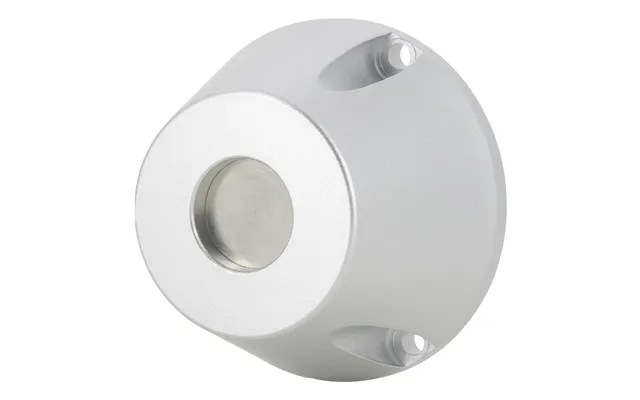
Working with larger steel tools, knives, or chisels? Bench units and coil demagnetizers are designed for heavier-duty needs. You pass the tool through a larger opening or over a field and then withdraw it smoothly to strip magnetism. These are ideal for shops that handle bigger pieces or want to demagnetize quickly at scale. The trade-off is size and cost: they’re bulkier, and you won’t toss one into a pocket. For professional settings, though, they’re a time saver.
Choosing the right magnetizer/demagnetizer is mostly about matching your tasks, tools, and work environment. Focus on build quality, ergonomic design, and performance consistency. Whether you’re eyeing a budget block or a brand-name unit like the Ck Magnetiser Demagnetiser, you’ll want confidence that it works the same way every time you reach for it.
Don’t get hung up on specs alone—real-world behavior matters. Look for units known for reliable, repeatable performance. Can it magnetize a small Phillips driver enough to hold a screw horizontally? Does it demagnetize tweezers so they won’t pull tiny parts off alignment? Consistency across different tools is a hallmark of a good design.
Shop environments are tough. A robust casing that resists drops and cracks is essential. Solid construction keeps the internal components aligned so the field remains effective. Look for clean edges, clear labeling on slots, and a finish that doesn’t chip easily. If it lives in your pouch, it needs to shrug off everyday knocks.
A compact block roughly 2 to 3 in across fits nicely in most tool rolls or cargo pockets, while something closer to 4 to 5 in might be better as a bench fixture. If you’re mobile—ladder work, service calls, or working in tight spaces—lean compact. If you have a dedicated bench, a larger unit can be more comfortable to grab and use.
Even modest magnetic fields deserve respect. Keep magnetizers a safe distance from magnetic-stripe cards, vintage spinning hard drives, and certain medical devices. As a rule of thumb, store magnetizers several inches away from sensitive items and maintain a few feet of space around devices that might be affected. Common sense goes a long way: magnetize the tool, then do the task—don’t park the magnetizer next to something delicate.
Once you start using a magnetizer, you’ll wonder how you ever got by without it. They slip into workflows across a surprising range of tasks. From installing light fittings to fine-tuning a mechanical keyboard, the ability to dial magnetism up or down on demand is a quiet superpower that keeps your day running smoothly.
Hanging shelves, installing cabinet hardware, assembling flat-pack furniture, mounting curtain rods—magnetized drivers help you hit the screw straight on without juggling parts. Working overhead? A magnetized tip keeps the fastener pinned so you can focus on steady driving. When you’re done, demagnetize to prevent metal shavings from hitching a ride in your toolbox.
In electronics, precision rules. Magnetic tips are brilliant for placing tiny screws in cramped spaces, but there are times you want a completely neutral tool. Demagnetize tweezers and small drivers when handling delicate components or connectors that could be nudged by a magnetic field. For PC building, magnetized bits make motherboard installs tidy and fast, while demagnetizing is handy when you’re clearing metal filings after case modding or working around sensitive sensors.
Woodworkers love being able to lift brads or set screws without chasing them on the bench, and machinists or metalworkers appreciate keeping steel chips under control. Magnetize when you’re placing tiny fasteners, demagnetize when you’re finishing surfaces or fitting parts where stray metal bits would cause trouble. For larger chisels or plane irons, a bench demagnetizer is the better match.
It’s straightforward, but a few habits make it smoother. First, clean the tool tip—oil or grime can reduce how well a screw “sticks.” To magnetize, run the tip through the magnetize slot with steady passes in the same direction, testing the hold on a screw after two or three swipes. To demagnetize, use the demagnetize slot with the same motion. Keep the magnetizer itself a few inches away from credit cards, magnetic keys, and older storage media. When you’re around sensitive equipment, magnetize the tool at your bench, walk to the task, do the job, and store the magnetizer at a safe distance when you’re finished. Simple and effective.
If a screw won’t hold, try a couple more magnetizing passes. Some tool steels respond faster than others. Also check the screw—painted or coated heads can reduce the apparent “stick.” If your tool seems too magnetized and keeps picking up filings, pass it through the demagnetize slot multiple times, rotating the shaft slightly between passes. Still not there? Step up to a stronger unit or a bench demagnetizer for stubborn cases. And if the tool’s tip is worn or rounded, even strong magnetism won’t compensate—resharpen or replace the tip for best results.
Most handheld magnetizer/demagnetizer blocks are budget-friendly, often landing in the region of everyday impulse buys for the toolbox. Expect simple units to sit in the lower price band, with branded or heavy-duty versions—like well-known electrician-focused models—costing a bit more. Magnetic bit holders, sleeves, and combo kits can push the price up slightly, but they add flexibility. To stretch your budget, compare multiple retailers through trusted comparison platforms. You’ll quickly see which listings feature brand authenticity, solid user reviews, and fair pricing without guesswork. Bundles that pair a magnetizer with a bit holder or a small tray can be excellent value if you’re building out your kit.
Want to supercharge your small-parts workflow even more? Pair your magnetizer with a magnetic parts tray that prevents screws from vanishing mid-project. A telescoping magnetic pickup tool is worth its weight in gold when a fastener falls behind an appliance. Magnetic wristbands keep a few screws at the ready while you work on a ladder. And if you swap bits constantly, a high-quality magnetic bit holder complements your magnetizer nicely—use the holder for general work and the magnetizer for those times you want magnetism tuned precisely to the task.
Magnetizers are tough, but a little TLC pays off. Avoid heavy impacts and don’t leave them in direct heat for long stretches. Store them several inches away from cards, fobs, and sensitive devices. If yours has a protective housing, keep it clean so grit doesn’t scratch tools as you pass them through. Periodically test it with a small screw to confirm performance—if you notice a drop in effectiveness after a major drop or hard knock, consider replacing it. The good news: quality units tend to last for years with minimal effort.
There’s more than one path to a stickier screw. Magnetizing the driver tip is fast and flexible, and you can strip magnetism instantly when needed. Using a magnetic bit holder leaves the tool itself neutral while still helping with fastener control. If you work near sensitive equipment regularly, you might prioritize bit holders and keep a demagnetizer handy for anything that picks up residual magnetism. If you rotate between shop projects and household tasks, magnetizing the tool directly often feels faster and more intuitive.
Clean, sharp tools respond best to magnetizing and demagnetizing. Wipe driver bits before use and replace worn tips that slip in the screw head. For tweezers, keep the tips aligned and smooth—burrs reduce precision and can drag on parts. Magnetize lightly for pick-and-place tasks, then demagnetize when alignment is critical. Storing tweezers in a small case helps maintain their shape and reduces accidental magnetization from contact with other tools.
Magnetizers and demagnetizers punch miles above their size. They help you place screws cleanly, hold parts steady, and switch off magnetism when precision demands it. A simple, dependable block—like the Ck Magnetiser Demagnetiser—covers most everyday needs, while magnetic bit holders and bench demagnetizers round out more specialized setups. If you work with fasteners at all, this tiny accessory delivers a big upgrade in speed, control, and professional-looking results. Compare your options, pick the style that fits your workflow, and enjoy the instant boost in productivity the very first time you use it.
| Magnetizers & Demagnetizers | Price | |
|---|---|---|
| Ck Magnetiser Demagnetiser | £ 7,86 |

