



All categories
Business & Offices
Electronics & Media
Fashion & Accessories
Groceries & Essentials
Health & Personal Care
Home & Living
Kids & Family
Sports & Outdoors
Search in ZoneOffer
Loading...
If you own a gas detector, you probably know the device itself doesn’t do everything on its own. Accessories turn a good detector into a complete safety system, and they can mean the difference between a timely warning and a missed hazard. Think of accessories as the toolbox around the alarm: filters that keep sensors clean, calibration gas that keeps readings honest, pumps and hoses that reach where you can’t, and chargers that keep units powered through a long shift.
Whether you’re a homeowner worried about a cooking-gas leak or a contractor working in tight, confined spaces, the right add-ons keep your detector accurate, responsive, and ready. Accessories also extend the life of your unit and help you follow safety best practices, so you’re not replacing an expensive detector because you skipped a simple part.
Sensors are the heart of any gas detector, and they eventually wear out. When they do, you don’t always need a whole new instrument — swapping a sensor module can restore its original sensitivity. Look for manufacturer-compatible sensor modules for specific gases like carbon monoxide (CO), hydrogen sulfide (H2S), oxygen (O2), and combustible gas sensors for methane or propane. If you’re replacing sensors yourself, label everything and follow safety instructions; replacing a CO sensor is easier than you think, but it pays to be careful.
Filters protect the sensor from dust, oils, and chemical contaminants, improving response time and preventing false alarms. Pressure and particulate filters are inexpensive accessories that should be replaced on a regular schedule — for many work environments, that’s every few months. If your detector uses a sampling pump, pump filters are crucial. They guard the internal pump diaphragm and help keep readings stable over time.
A dead battery is a worthless detector. Spare battery packs and smart chargers are essential accessories for anyone relying on a portable unit. Many detectors use rechargeable battery packs that slide into a charging dock; others use standard AA or AAA cells. If you work long shifts, consider spare packs to hot-swap on the job, and a fast charger to get you back in action quickly. For fixed installations, an uninterrupted power accessory or backup battery can keep a monitor running during outages.
Calibration gas is the single most important accessory for maintaining accuracy. These small gas cylinders contain a known concentration of the target gas — for example, a CO cylinder at 50 ppm — and let you check that your detector reads correctly. Pair the cylinder with a compatible regulator and tubing, and you’ve got a simple, reliable way to calibrate on-site. Regulators control flow so the gas bathes the sensor at the proper rate, and inexpensive adapters let you use standard tubing with multiple detector models.
Calibration caps seal the detector sensor and provide a controlled area to apply gas. They’re specific to models, so match the cap to your instrument. Flow adapters add flexibility, letting you use a single regulator with multiple detectors. Together, these accessories make calibration efficient and reduce the risk of wasting gas or contaminating fittings.
Bump testing is a quick functional check that confirms a detector responds to gas. For many users, a handheld bump test cap and a small gas cylinder are all you need. These caps deliver a burst of test gas to the sensor and are handy for daily checks. They’re quick, portable, and perfect for field crews who want a fast pass/fail result before starting work.
If you manage a fleet of instruments, an automatic bump test station saves time and enforces records. These benchtop units dock detectors, apply test gas, and log results automatically — great for compliance and audits. They also reduce human error and are a strong investment if you rotate dozens of devices through a site shift or a workshop every day.
Sampling pumps let detectors sample air from hard-to-reach places: behind equipment, inside ducts, or through a small hole in a wall. For work in hazardous atmospheres, choose an intrinsically safe pump certified for the gases you encounter. These pumps are rugged and designed to avoid sparks; they’re the go-to accessory for confined-space entry or leak hunting in big machinery rooms.
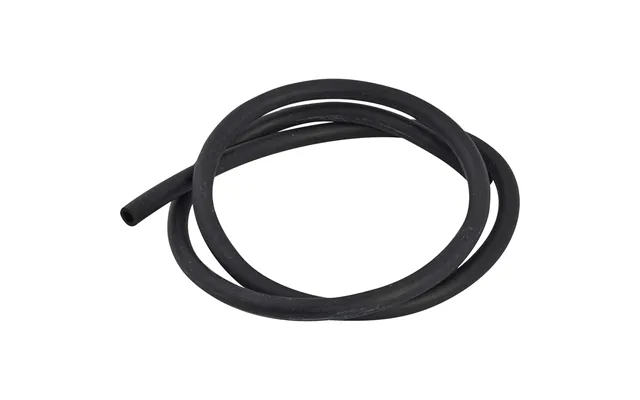
Hoses and probes extend your reach in feet, not sweat. A 6-foot sampling hose, for example, can keep you out of a dangerous zone while pulling air into a handheld detector. Extension probes — rigid or flexible shafts with a sampling tip — help you inspect tight spots without contorting into an awkward position. Look for non-reactive materials that won’t absorb the gas you’re trying to measure, and choose connectors that fit your detector’s intake port.
A heavy-duty carrying case protects your detector and accessories during transport. Look for cases with foam inserts cut to hold the unit, spare sensors, bottles of calibration gas, and tools. Waterproof and crush-resistant options are ideal for job sites where gear might get knocked around. A good case keeps everything together and reduces downtime looking for missing bits when you need them most.
For fixed installations, wall brackets and docking stations make life easier. Docking stations can charge, secure, and sometimes communicate with a central system for data logging. Wall brackets placed at breathing height keep monitors visible and help ensure they sample the most relevant air. Some docks also include a handy tamper-proof feature for public or semi-public spaces.
Modern safety programs expect documentation. Data loggers record exposure over time and let you download event logs for review, while Bluetooth adapters pair your detector with a phone or tablet for real-time readings. These accessories are excellent for trend analysis — you can see if low-level alarms are recurring and investigate root causes before they become dangerous.
Smartphone apps make configuration and reporting easy. With the right app and adapter, you can change alarm setpoints, pull logs, or share screenshots with a supervisor in seconds. USB interfaces remain a simple, reliable way to offload data to a laptop for deeper analysis, and many manufacturers supply free software to visualize concentration vs. time graphs.
If you’re protecting a home, priorities differ from industrial users. A spare battery pack, a rugged case, and a simple calibration cap with a small test gas cylinder will cover most household needs. Focus on carbon monoxide and combustible gas accessories, and make sure your detector is easy to maintain — swapping batteries and running a quick bump test should feel straightforward, not intimidating.
Tradespeople and contractors need accessories that survive the worksite: intrinsically safe sampling pumps, spare sensors for various gases, automatic bump test stations for fleet management, and a solid carrying case to keep tools organized. Invest where downtime costs the most: fast chargers, rugged probes that reach confined spaces, and mounting brackets for temporary monitors on large projects.
Maintenance is where accessories pay back their cost. Establish a schedule: bump test daily, calibrate monthly or per manufacturer guidance, and replace filters and sensors on a predefined timetable or whenever readings drift. Store calibration gas in a cool, dry place and keep spare batteries charged to avoid last-minute scrambling. Treat accessories like an extension of your safety routine rather than optional extras — they’re preventive medicine for your detector.
When replacing parts, match part numbers and certifications. An incompatible sensor may fit but not perform correctly. If in doubt, check the detector manual or consult a qualified service technician. Simple labeling — dates on filters, inked purchase dates on cylinders, and a checklist in your case — helps the whole team stay consistent and keeps audit trails tidy.
Not all retailers are equal when it comes to accessories. Comparison sites and review platforms help you weigh prices, availability, and verified buyer feedback. Look for clear specifications, genuine spare part numbers, and returnable options in case you order the wrong accessory. Warranty and certification information is especially important for safety-critical parts like sensors and intrinsically safe pumps — don’t skip those details when you compare offerings.
Finally, be mindful of counterfeit parts. Sensors and regulators from unknown sellers may look right but fail performance tests. Buy from reputable distributors or verified dealers, and when possible, choose accessories that carry traceable part numbers so you can confirm authenticity and compatibility.
Create a basic kit tailored to your typical use: a calibration cap, one small cylinder of calibration gas, a bump test cap, a spare battery pack, and a rugged case. That kit covers daily, weekly, and emergency needs without a big upfront expense. For fleets, factor in one automatic bump station and a couple of spare sensors per model in inventory. Budgeting a few extra dollars per month for accessory replacement avoids expensive downtime and improves long-term safety.
Always prioritize critical items first: sensor modules, a reliable regulator, and certified calibration gas. Non-critical accessories such as decorative cases or generic chargers can wait until core safety gear is secured. Consider total cost of ownership — a slightly more expensive accessory that lasts longer often costs less over the life of the detector.
Accessories help, but they don’t replace good practices. Always follow the detector manufacturer’s instructions for installation, calibration, and replacement parts. Keep records of tests, and if you ever doubt a reading, cross-check with a secondary device or a gas detector with a different sensor type. Safety is about layers: detectors, accessories, training, and common-sense precautions together create a reliable defense against gas hazards.
Choosing and maintaining the right gas detector accessories keeps you safer, smarter, and more prepared — whether you’re checking a kitchen, guarding a utility closet, or managing a busy construction site. Invest in the essentials, rotate spares, and treat calibration as non-negotiable. When gear is ready, so are you.
| Gas Detector Accessories | Price | |
|---|---|---|
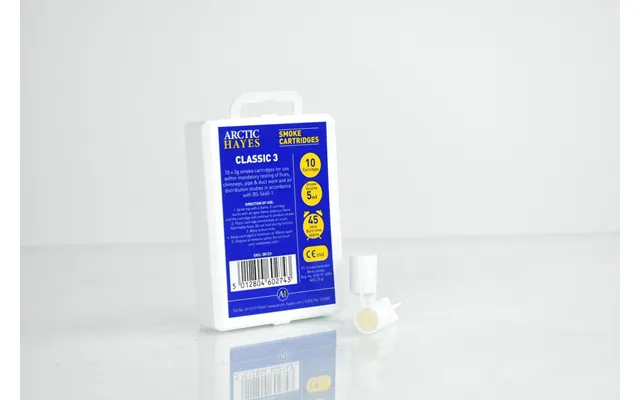
| Arctic Hayes 333003 3g Smoke Cartridges Grey Pack 10 | £ 4,49 |

