

Measuring Scale Accessories price list
Last updated Monday, 19 Oct 2026




View 20 Offers
Loading...
Last updated Monday, 19 Oct 2026
Think of your measuring scale like a car: the engine is important, but the tyres, oil, and filters keep it running smoothly. Scale accessories—calibration weights, protective covers, replacement sensors, and more—aren’t just add-ons; they’re the small investments that preserve accuracy, extend service life, and keep operations humming. Whether you weigh parcels for shipping, ingredients in the kitchen, or heavy pallets in a warehouse, using the right accessories reduces drift, prevents damage, and saves time. Who wants to chase inconsistent readings when a simple accessory swap could stop the problem at its source?
Calibration weights are the gold standard for verifying scale accuracy. These come in certified sets ranging from tiny ounces up to multiple pounds and are used to adjust scales to the correct zero and span. For example, a lab balance might be calibrated with weights in the oz and lb range, while a warehouse scale uses heavier weights measured in pounds. Always choose weights with an accuracy class suitable for your scale—using a kitchen-grade weight on a precision analytical balance is like using a yardstick to measure a hair.
The load cell is the heart of most electronic scales. Over time they can drift, corrode, or get damaged by overloads. Replacement load cells and sensors restore original responsiveness and accuracy. When shopping, check load cell capacity in pounds and the physical mounting dimensions in inches so the new part fits without modification. A properly matched load cell gets your scale back to a “good morning” rather than a “what happened?” state.
Never underestimate the impact of power on readings. Low or unstable batteries can produce erratic outputs, especially on portable scales. Replaceable AA and AAA cells, rechargeable battery packs, and regulated power adapters keep your gear stable. If you rely on scales outdoors or in a busy workspace, a backup battery pack rated in hours is a cheap insurance policy against downtime. Pro tip: keep spare batteries on hand and record the date you put them into service.
Sometimes the standard weighing surface is too small for your needs. Extension plates and larger weighing platforms provide a bigger footprint so awkward items balance properly. Choose platforms sized in inches—6 in by 8 in for small parcels up to platforms 48 in by 48 in for pallet loads. A level, spacious platform reduces off-center loading errors, which are a common source of inaccurate readings.
Dust, spills, and impact are enemies of electronics. Silicone covers, rubber mats, and full enclosures protect indicators and displays from grime and liquid while dampening accidental knocks. For industrial settings, weatherproof enclosures rated for harsh environments keep sensors and connectors safe from moisture and dust. It’s a bit like putting a raincoat on your equipment: it doesn't change what it does, but it helps it do it longer.
Displays and indicators need to be visible and secure. Adjustable brackets, wall mounts, and pole mounts let you place the readout exactly where operators can see it without craning their necks. Good mounting reduces accidental cable strain and prevents falls that could damage delicate connections. If you frequently reposition your station, quick-release mounts add convenience without compromising stability.
External vibrations and an out-of-level platform are silent accuracy killers. Anti-vibration pads and adjustable leveling feet stabilize the scale on concrete, wood, or metal surfaces. These accessories are especially important in busy warehouses or near heavy machinery—without them, tiny vibrations can add up to significant measurement errors. Think of these as shock absorbers for your weighing setup.
When shipping is part of the workflow, integrated label printers and barcode scanners speed up operations and reduce human error. Thermal label printers attach directly to shipping scales, printing weight, dimensions, and barcode data on demand. Scanners then pull tracking information into your system for instant processing. This combination is the conveyor belt of accuracy—moving data quickly from the scale to your systems with minimal fuss.
Tare plates let you zero out containers or sort out bulky items, while V-blocks stabilize cylindrical objects like pipes and bottles for accurate weighing. They’re simple but game-changing for certain tasks: instead of guessing or shifting items mid-weigh, you get a stable baseline and a clean reading. Many operations find that a modest investment in a few well-chosen tare plates pays for itself in saved time and fewer reweighs.
Modern scales aren’t islands. Serial converters, USB cables, RS232 adapters, and wireless Wi‑Fi modules let you feed weight data directly into spreadsheets, shipping platforms, or inventory systems. That eliminates manual entry errors and speeds up reporting. If you’re syncing scale data with a PC or cloud service, ensure the port types match and use shielded cables for noisy industrial environments.
Choosing accessories isn’t about buying the most expensive thing on the shelf; it’s about matching the accessory to the use case. Ask yourself: What’s the maximum weight I’ll measure in pounds? Is the environment dusty, wet, or corrosive? Do I need legal-for-trade certification? Match capacities and accuracy classes, check the physical dimensions in inches, and prioritize accessories built for your environment. Compatibility is king—an elegant accessory that doesn’t fit the mounting holes or can’t talk to your indicator is a waste of money.
Calibration is not a one-time event. Schedule routine checks using certified calibration weights in pounds and ounces to ensure your scale stays within tolerance. For high-use or legal-for-trade applications, calibrate daily or weekly; for low-use items, monthly might be enough. Keep a log of calibration dates, weight values used, and any adjustments made. Think of the log as a health record for your scale—when something goes wrong, that history helps you diagnose the issue quickly.
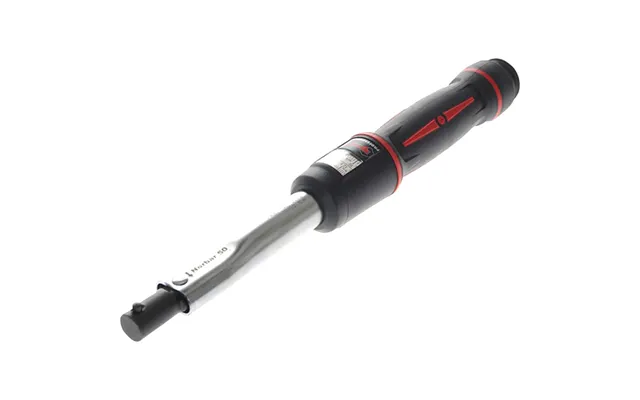
Installing accessories can be straightforward if you follow a few rules: work on a level surface, disconnect power before swapping load cells or sensors, and avoid over-tightening mounting bolts. Use a torque wrench if the manufacturer specifies torque in inch-pounds to prevent warping load cells. When connecting indicators, route cables away from high-current power lines to minimize electrical interference. If in doubt, take pictures as you disassemble—reverse photography makes reassembly painless.
For home cooks and hobbyists, protective covers, spare batteries, and small calibration weights (in ounces) are the most useful accessories. A silicone mat protects against spills, while a 1 oz to 16 oz weight set helps you verify precision for baking and small-batch recipes. Compact USB chargers are handy for rechargeable models, keeping the scale ready for weekend baking marathons.
Labs need high-accuracy calibration weights, cleanroom‑friendly covers, and anti-vibration platforms. Certified weights with traceable documentation are often required. Consider environmental enclosures if drafts or temperature fluctuations affect readings—imagine trying to weigh a feather in a wind tunnel; a draft shield is that critical for microgram-scale work.
Heavy-duty load cells, larger platforms measured in feet or inches, anti-vibration mounts, and weatherproof enclosures are essentials here. For pallet weighing you’ll want platforms 48 in by 48 in or larger and load cells rated in thousands of pounds. Floor scales often integrate with label printers and network modules for rapid shipping and inventory workflows.
Label printers, barcode scanners, tare plates, and connectivity modules shine in shipping operations. Accuracy to the nearest ounce is often important to avoid overpaying for postage. A robust platform that handles parcels up to the required weight in pounds combined with a thermal label printer lets you stick the right label and move on—fast and accurate.
Shopping for accessories is easier when you compare prices, specs, and compatibility across vendors. Use comparison tools and product filter options to match part numbers, load cell capacities in pounds, and connector types. Read product reviews focused on longevity and real-world use—look for mentions of how the accessory performed in similar environments, whether that’s a busy kitchen or a dusty warehouse.
Cheaper accessories might save money upfront, but poor-quality parts often fail sooner and affect accuracy. Think in terms of total cost of ownership: a durable cover and a certified calibration weight set can prevent costly reworks and customer complaints. Spend a little more on items that protect the scale’s core components—load cells and indicators—and you’ll likely save in repair and replacement costs down the road.
Choose materials that match your environment: stainless-steel platforms for corrosive settings, sealed connectors for wet locations, and non-slip mats for areas where spills happen. Also consider safety—securely mounted indicators prevent trips and falls, and proper cable routing reduces electrical hazards. Investing in the right accessories isn't just about accuracy; it's about keeping people safe and equipment functional.
Before clicking buy, measure existing parts in inches, note the model numbers, and list the capacity in pounds. Check whether calibration weights are traceable to recognized standards if you need legal-for-trade verification. Ask if the manufacturer provides installation guides or phone support, and read return policies so you’re not stuck with an incompatible part. A little preparation turns a frustrating purchase into a productive upgrade.
Conclusion: Investing in the right measuring scale accessories pays dividends in accuracy, uptime, and peace of mind. From calibration weights and replacement load cells to protective covers and connectivity modules, the right tools keep your scales honest and your workflows efficient. Match accessories to the environment and capacity you work in, keep a calibration routine, and don’t skimp on protection. A small investment today will avoid a big headache tomorrow.