
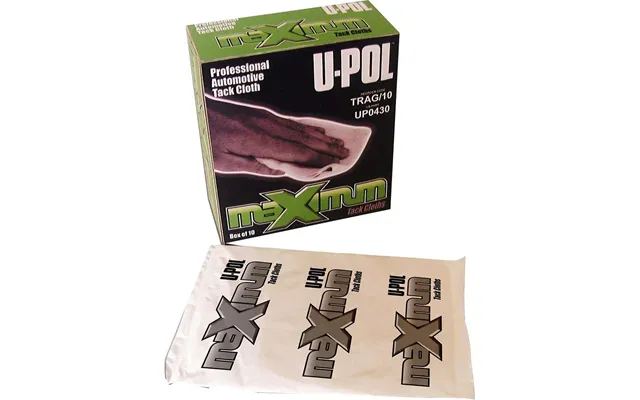
Paint Brush Cleaning Solutions price list
Last updated Friday, 18 Sept 2026
| Paint Brush Cleaning Solutions | Price |
|---|---|
| Upo Isopon High Performance Tack Cloths | £51.95 |
| Upo Isopon High Performance Tack Cloths | £51.95 |




Loading...
Last updated Friday, 18 Sept 2026
| Paint Brush Cleaning Solutions | Price |
|---|---|
| Upo Isopon High Performance Tack Cloths | £51.95 |
| Upo Isopon High Performance Tack Cloths | £51.95 |
Think of your paintbrush like a favorite pair of running shoes: the better you care for it, the longer it performs. Clean brushes keep bristles flexible, hold paint correctly, and give you cleaner edges and smoother strokes. If you've ever wrestled with splayed bristles or stubborn dried paint, you know how quickly a neglected brush can derail a session. Good cleaning isn't just tidy—it's an investment that pays back in better results and fewer replacements.
Not all cleaners are created equal. Depending on whether you're using acrylics, oils, water-mixable oils, or specialty finishes, you'll want a solution that removes the paint without killing the bristle or the ferrule. Below are the main categories you'll encounter in the UK market and what each one is best for.
For water-based paints, simple warm water and a mild brush soap often do the trick. Specialized brush soaps are formulated to dissolve pigments and binders while conditioning natural and synthetic bristles. These cleaners rinse out easily and typically require only a few ounces of product per clean. If you work with acrylics daily, keeping a jar of brush soap and a stiff comb handy is like having a workshop in miniature.
Oil-based paints need something stronger. Traditional mineral spirits remove oil paints fast, but modern odorless solvents give the same cleaning power with a softer scent and lower fumes. They come in bottles measured in ounces and gallons—remember a gallon equals 128 oz when you're calculating how much you'll use. For indoor work, low-odor options and good ventilation are essential.
Soap bars and liquid conditioners are not just for cleaning—they restore bristle suppleness. Many brands offer a paste or bar that you rub into the bristles, like giving the brush a spa treatment. These products lift residual paint, reinstate flexibility, and reduce split ends, extending brush life by months or even years if used regularly.
For professionals or hobbyists with a lot of brushes, mechanical jars and ultrasonic cleaners are game-changers. Mechanical cleaning jars use a rotating or oscillating action and a small amount of solvent to agitate paint from bristles, while ultrasonic cleaners use high-frequency vibrations in a cleaning bath to remove microscopic paint particles. Both types reduce manual scrubbing and can restore brushes in a fraction of the time it takes by hand.
Choosing the right cleaner is about matching features to your workflow. Are you cleaning one brush between colors or several after a big job? Is odor and ventilation an issue in your studio? These practical concerns will steer you toward soap, solvent, or machine-based systems. Here are the features that matter most.
Strong solvents dissolve paint fast but can dry out natural bristles and eat at adhesive ferrules. Gentler, water-based cleaners are kinder but might struggle with heavy oil paints. If you switch between paint types, consider a two-step approach: solvent for heavy removal, then a conditioning soap to preserve the bristles.
Some cleaners evaporate quickly, leaving little residue, while others can leave a film that interferes with subsequent paint adhesion. If you're one to rinse and get back to painting in under 30 minutes, opt for low-residue formulas or rinse thoroughly with water after solvent cleaning.
Smaller jars and travel-sized solvent bottles are handy for plein-air painters, while studios may benefit from a 1-gallon (128 oz) supply of solvent and a bench-top ultrasonic unit. Consider lifetime cost: a cheaper cleaner might save pennies today but cost more in frequent brush replacements.
The UK market offers a wide range of cleaners tailored to different needs. Below are types of popular products you’ll see while researching, and why painters choose them.
Restorers are concentrated pastes or liquids that strip dried paint and reshape bristles. They’re ideal for brushes left too long in paint overnight. Use a small dabbing motion and allow a few minutes to soften the paint before rinsing. Think of restorers as a deep clean that brings old brushes back to life.
Cleaning jars with built-in scrapers or rotating platforms are great for frequent cleaning during a session. Drop the brush in, twist, and the action loosens paint in seconds. These systems cut down solvent use and are especially helpful when cleaning multiple brushes repeatedly—a common scenario when painting detailed work.
If you want to cut down on fumes, look for plant-based or citrus-derived cleaners. They’re milder on the nose and often biodegradable. Keep in mind they can be slower on heavy oils but are perfect for acrylics and occasional oil use where ventilation is limited.
Ultrasonic cleaners are the pros’ secret when it comes to deep cleaning without damage. They use tiny bubbles to lift paint particles out of bristles without scrubbing. For studios with dozens of brushes, they save time and reduce wear and tear, making them worth the initial investment.
Cleaning properly is half technique. Follow the right steps for your paint type and your brushes will thank you with long life and consistent performance.
Start by wiping excess paint on a rag. Rinse under warm water while gently shaping the bristles with your fingers. Apply a dollop of brush soap, work it into the bristles for 30–60 seconds, rinse until clear, then reshape and dry flat or hanging with bristles down. A quick tip: avoid boiling water—lukewarm is kinder to glue and ferrules.
Begin by wiping as much paint as possible on a rag. Swirl the brush in a small jar of mineral spirits or an odorless solvent until the water runs clearer, then switch to a fresh jar if necessary. Follow with brush soap to remove solvent residue and condition the bristles. Always work in a well-ventilated space and store used solvent in a sealed container—it can be filtered and reused.
Soak in a restorer or solvent for a short time—often 10–30 minutes—then use a brush comb to tease out softened paint. Avoid prolonged soaking in strong solvents which can melt handle glue. After removing paint, wash with soap and water, reshape, and allow to dry fully before reuse. It’s like giving your brush a reset button.
Small habits add up. A few moments of care after each session can prolong a brush’s life by months or even years. Here are practical tips that take seconds but pay dividends.
If you’re switching colors, give the brush a quick rinse in water or solvent before dipping into the next paint. This prevents color contamination and reduces the amount of deep cleaning you’ll need later.
Avoid storing brushes standing on their bristles. Use a rack or lay them flat. If you must store wet brushes briefly, keep them in a sealed container horizontally to prevent water from seeping into the handle and weakening the glue.
Use a conditioning soap after solvent cleaning to restore oils in natural bristles. Even synthetic brushes benefit from conditioning to keep bristles aligned and springy.
Shopping for a cleaner can feel overwhelming. Break the decision into a few simple questions and you’ll zero in on the right product quickly.
If acrylics dominate your work, a good brush soap and a comb are usually enough. If oil paints are your mainstay, prepare for solvents and possibly an ultrasonic device for heavy workloads. Hybrid workflows often benefit from a two-step approach—solvent first, then soap.
Hobbyists might be happy with a bottle of soap and a small jar of solvent. Professionals or studios should consider mechanical jars, bulk solvent purchases like a 1-gallon (128 oz) can, or an ultrasonic cleaner to save time and money in the long run.
Plein-air painters will want compact, sealed containers and low-spill solutions. If you paint indoors, prioritize low-odor solvents and ensure good ventilation—open a window or use a fan. Safety matters as much as convenience.
Prices and availability can swing wildly between sellers. Comparison sites dedicated to UK shoppers can help you spot deals on everything from pocket-sized soap bars to 1-gallon solvent drums and tabletop ultrasonic units. They aggregate offers from multiple retailers so you can compare specifications, user reviews, and price-per-ounce quickly without jumping between dozens of pages.
Choosing the right paint brush cleaner is about balancing paint type, frequency of use, health considerations, and budget. A modest outlay on a good cleaner and a comb can save you the recurring cost of replacing brushes and the frustration of poor line control. So take a breath, pick a cleaner that fits your workflow, and treat your brushes like the precision tools they are—your future self will paint with gratitude.
Cleaning is an essential skill for painters, not a chore. With the right cleaner—whether a gentle soap for acrylics, a low-odor solvent for oils, or an ultrasonic cleaner for heavy-duty restoration—you'll get better performance, longer brush life, and fewer interruptions to your creative flow. Use the tips in this guide to choose products that suit your materials and studio setup, and you’ll see the difference in every stroke.