All categories
Business & Offices
Electronics & Media
Fashion & Accessories
Groceries & Essentials
Health & Personal Care
Home & Living
Kids & Family
Sports & Outdoors
Search in ZoneOffer
Loading...
Ever started a paint job that looked easy on paper but turned messy fast? The truth is, your finish depends as much on your paint tool accessories as the paint itself. The right brush glides, the wrong tape bleeds, and an old roller sheds like a wool jumper. Whether you’re revamping a bedroom or flipping a rental, choosing smart accessories turns weekend projects into pro-level results. In the UK, there’s a surprising range of options—budget-friendly to premium—so it pays to know what actually matters. Ready to cut through the noise? Let’s walk through the essential tools, why they’re worth it, and how to compare the best offers before you buy.
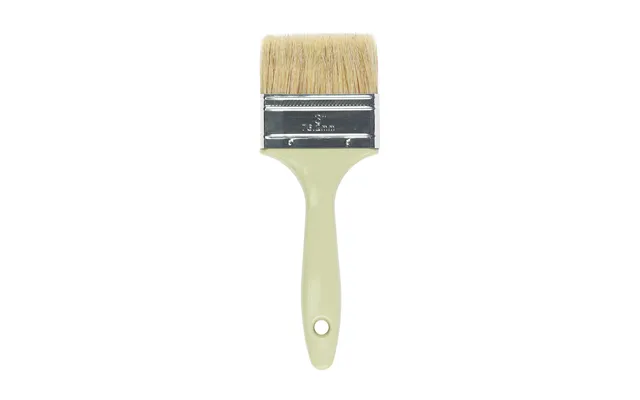
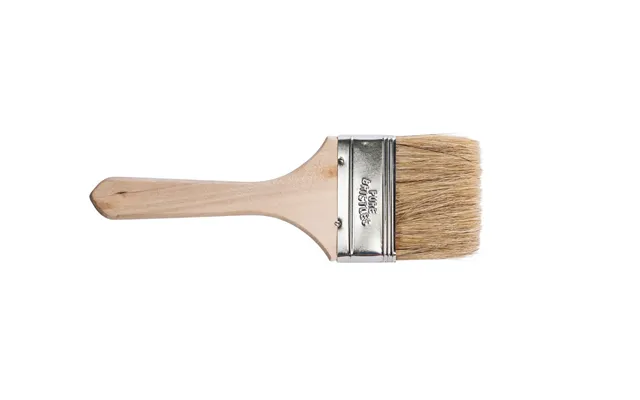
If you only buy one brush, make it a 2.5 in angled sash brush—it’s a workhorse for cutting in along ceilings, skirting, and window frames. Round and oval brushes load more paint and are great for doors and spindles, while flat brushes shine on broad trim. Keep a mini 1 in brush for tight corners and hardware. For walls, a 3 in brush helps you cut in faster along ceilings and inside corners. Brushes are like Kitchen Knives: the right size and shape saves time and stress.
Synthetic bristles (nylon, polyester, or blends) are your go-to for water-based paints and most UK interior paints. They hold their shape, release paint evenly, and are easier to clean. Natural bristles (often hog hair) excel with oil-based paints and varnishes because they carry and lay off heavier coatings beautifully. Want a simple rule? Water-based paints love synthetic, oil-based coatings love natural. If in doubt, grab a quality synthetic blend and you’ll nail 90% of jobs.
Angled brushes are like having a steady hand built in—they make cutting in against ceilings, door frames, and tiles far easier. Flat brushes, on the other hand, are perfect for broad, straight sections: fascia boards, furniture tops, and wide trim. If you’re painting cabinets or panel doors, switch between a 1.5 in angled brush for the rails and a 2 in flat for the stiles. Small change, huge difference.
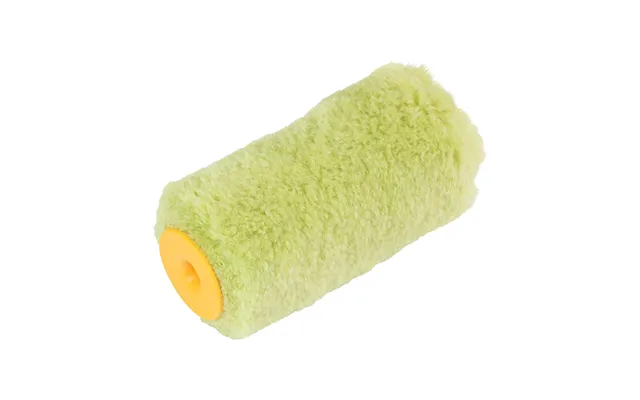
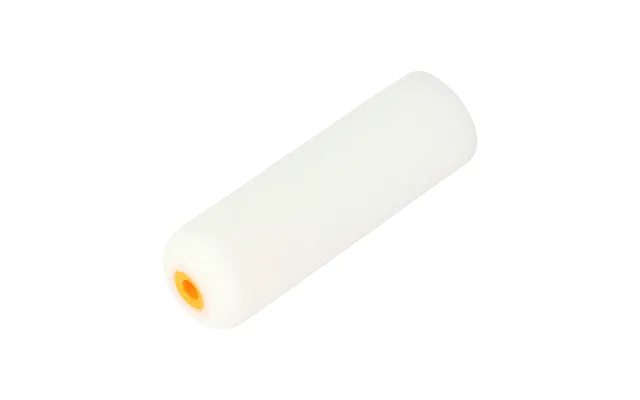
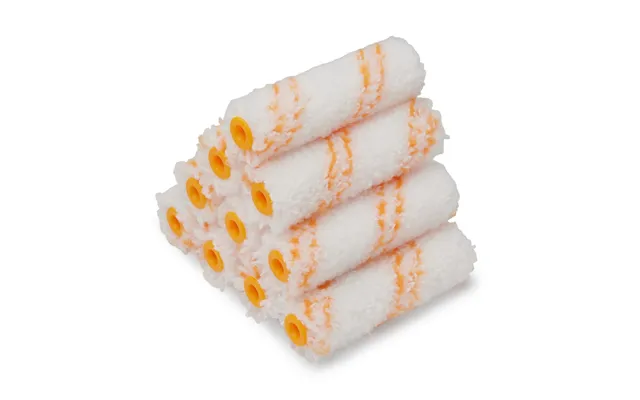
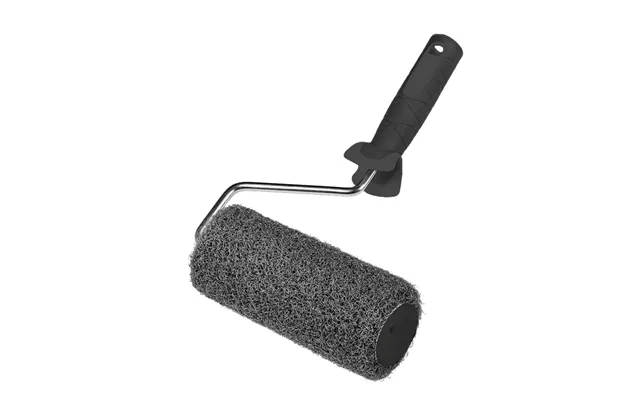
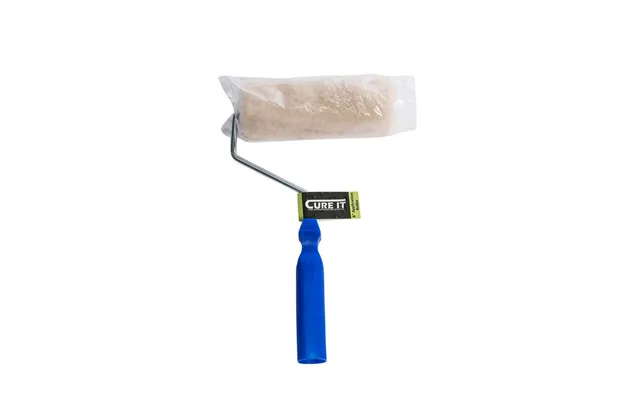
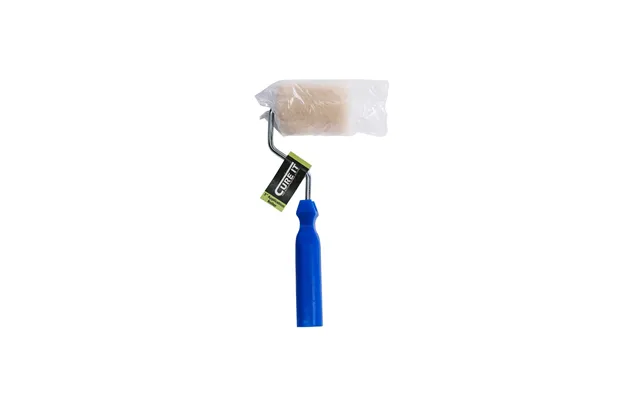
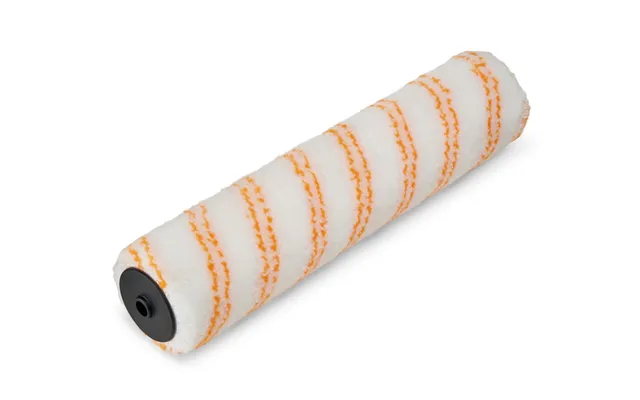
Rollers do the heavy lifting on walls and ceilings, but size and nap (pile thickness) matter. Standard 9 in rollers are the UK favorite for walls; 12 in speeds up big rooms; 4 in mini rollers shine on doors, cabinets, and tight spots. Nap rules: 1/4 in for very smooth surfaces (doors), 3/8 in for most interior walls, 1/2 in for lightly textured walls or ceilings, and 3/4 in for rough masonry. Choose microfiber or woven covers for minimal lint and a glass-smooth finish. Want fewer roller marks? Keep a wet edge and roll in long, light strokes.
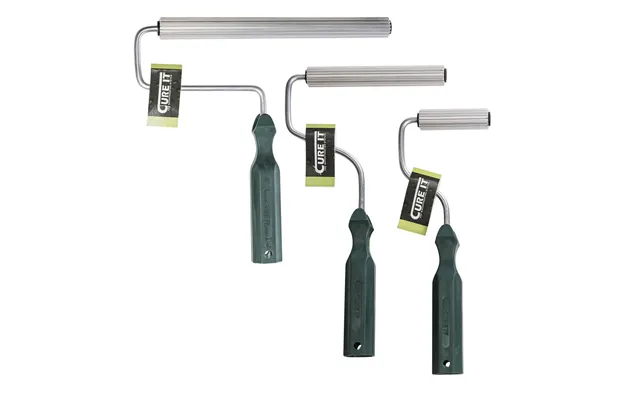
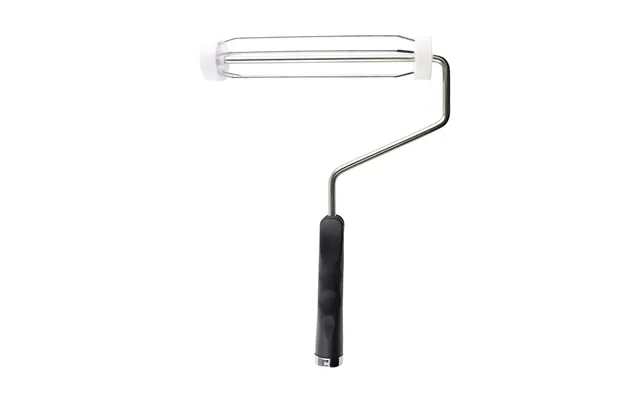
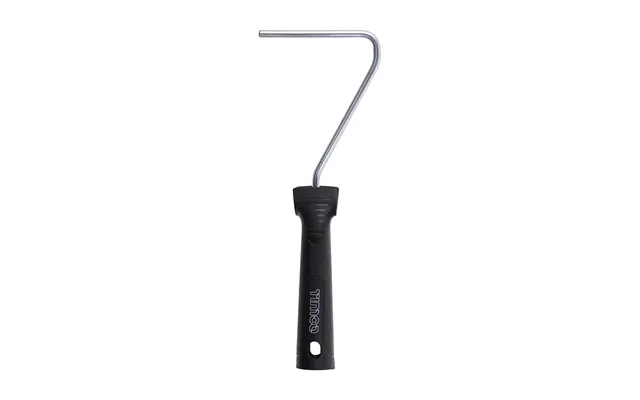
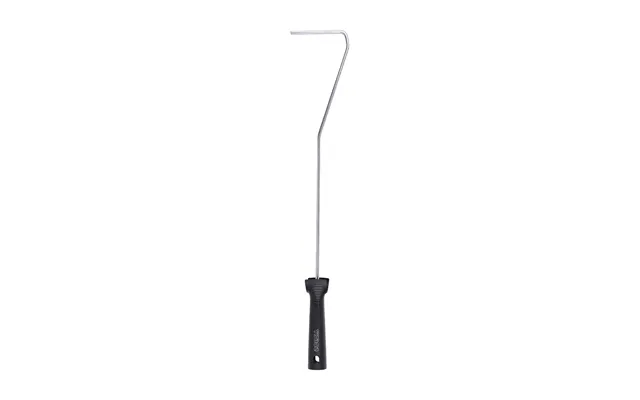
A rigid frame prevents chatter and uneven lines. Look for a sturdy 5-wire cage and a comfortable, non-slip handle you can grip for hours. Quick-release frames save time when swapping covers mid-job. Some frames have a threaded end to attach extension poles—ideal for ceilings and tall walls. If your wrist complains during projects, try an ergonomic handle or a Y-frame design; it spreads the load and keeps your control steady.
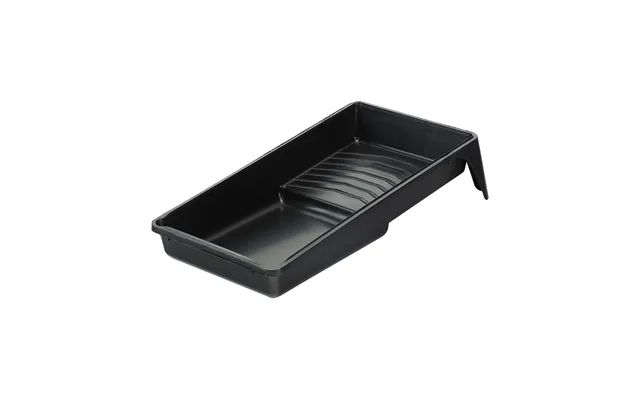
A deep 9 in tray with disposable liners means faster cleanups and less wasted paint. Liners pay for themselves if you switch colors or stop for the day—just pop in a fresh liner. For 5 gal buckets, a metal grid is a game-changer, letting you load evenly without splashing. If you’re painting multiple rooms, consider a roller bucket with a lid—less mess, more momentum.
Prep isn’t glamorous, but it’s the secret sauce of a pro finish. Start with 120-grit to knock down bumps, then 180–220-grit to smooth before priming. A sanding block keeps surfaces flat on trim and doors; a pole sander saves your back on ceilings. Hook-and-loop sanding pads stick and peel quickly—perfect when you’re changing grits often. And yes, a quick pass with a tack cloth before painting really does make paint lay down cleaner.
Got cracks or dings? A lightweight filler and a flexible 2 in putty knife will fix most wall scars. For deeper holes, step up to a 3 or 4 in knife and feather the edges so repairs vanish under paint. A sharp scraper lifts flaking paint fast; keep a utility knife handy to score edges and cut tape cleanly. Pro tip: Prime repaired spots to seal and prevent flashing—those dull patches that scream “repair!” under certain lighting.
Dust is the enemy of flawless paint. Use a soft brush to clean trim, then a tack cloth on woodwork. If you’re sanding a lot, connect a vacuum to your sander or use a hose attachment to keep the air cleaner. Damp-wipe walls to remove sanding dust. Think of it like prepping a canvas—you want a clean, calm surface before the first stroke.
Not all painter’s tape is created equal. For delicate surfaces like fresh paint or wallpaper edges, use a low-tack tape. For typical walls and trim, medium-tack tapes such as well-known blue or green tapes guard against bleed and peel off cleanly within the recommended timeframe. For exterior brick or rough surfaces, high-adhesion tapes grip better. Press tape down firmly with a putty knife for razor-sharp lines, and remove it at a 45-degree angle while the paint is slightly wet for the crispest edges.
Protecting floors and furniture is cheaper than replacing them. Heavy-duty canvas drop cloths resist slips and last for years—great for hallways and living rooms. Plastic sheeting shields furniture and appliances from fine mist when rolling ceilings. Masking film clings to surfaces and pairs well with tape for fast window and trim coverage. For baseboards and skirting, 12 in or 18 in masking paper is just the right width to catch splatter.
Edging tools with pads can help along ceilings and window frames, especially if your hand isn’t steady. Paint shields (a flat guard you hold against the surface) block splatters behind radiators or sockets. Just remember: edgers are helpers, not magic wands. A high-quality angled brush still gives the most reliable, crisp cut-in once you’ve practiced the technique.
Settled pigments lead to streaks. If you’re opening a fresh can, stir with a flat wooden stick until color is uniform from top to bottom. For larger batches, use a drill-mounted mixing paddle and give it a good minute so additives and pigments blend evenly. Strainers catch lumps and dried skin—essential for a glassy cabinet finish or when spraying. It’s like filtering coffee: you don’t know how much better it gets until you try it.
Pouring from a full can is a splash disaster waiting to happen. Decant into a paint kettle with a handle for nimble cutting in, and use a clip-on pour spout to keep grooves clean. Snap-on lids and keeper pots slow down drying between coats. If you’re tackling a whole house, a 5 gal bucket with a sealing lid and roller grid turns painting into a smooth, continuous flow.
For sharp lines where walls meet ceilings, hold your brush at a shallow angle and “fan” the tips along the edge. Pad edgers with guide wheels can help on straight runs, but keep them clean to avoid smears. Inside corners? Load less paint and brush from the dry side into the corner. Outside corners? Pull paint away from the corner to prevent build-up and drips. Little habits, big payoffs.
Doors and cabinets look best with thin, even coats. Use a 4 in mini roller with a 1/4 in nap for panels and a 2 in brush for rails and stiles. Lightly “tip off” with a brush in long strokes for that sprayed-on vibe. Remove handles and hinges when possible, label everything, and you’ll thank yourself during reassembly. Want a near-factory finish? Strain your paint and keep dust off with a temporary plastic enclosure.
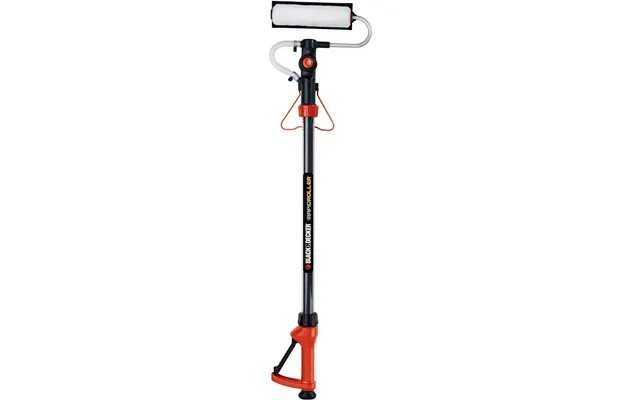
An extension pole transforms how you paint ceilings and tall walls. A 4–8 ft adjustable pole covers most rooms; for double-height spaces, an 8–12 ft model gives reach without acrobatics. Look for a secure locking mechanism and a comfortable grip. Universal threaded ends fit most roller frames and dusting tools. With the right pole, you’ll spend less time on ladders and more time laying down smooth, even coats.
If you do need a ladder, stability is king. Consider a stand-off stabilizer to clear gutters or reach over radiators. Ladder mitts prevent scuffs on walls and trim. A paint shelf or hook keeps your kettle within easy reach so you’re not juggling on the rungs. Always keep your belt buckle between the rails, and if you feel like you’re stretching—don’t. Move the ladder. Fast painting is safe painting.
Spraying can produce buttery-smooth finishes on doors, cabinets, and fences. The right tip size controls flow and fan width; small tips suit thin coatings like stains, larger tips handle thicker paints. Inline filters and clean strainers prevent clogs that ruin patterns. Flexible, kink-resistant hoses give you freedom to move. Not ready for a full sprayer? A high-density foam mini roller can mimic that sprayed look on trim with minimal texture.
When spraying or sanding heavily, protect yourself. A properly fitted respirator rated for paint particulates or vapors (depending on the product) keeps lungs happy. Safety glasses shield against mist and dust, and lightweight coveralls stop overspray from hitching a ride on your clothes. It’s not overkill—it’s how pros work day after day without compromise.
A good brush should last years. Rinse thoroughly, then use a brush comb to clean deep into the heel. A brush spinner whips out water for faster drying and reshapes bristles. For oil-based products, use the appropriate cleaner, then wash with soapy water and rinse. Slip a keeper or cardboard sleeve over bristles to maintain shape. Treat your tools right, and they’ll reward you with better finishes each time.
Roller covers can live to paint another day if you clean them immediately. Spin out excess, wash until water runs clear, and spin again to dry. If you’re pausing between coats, wrap rollers and brushes tightly in plastic and cap with a rubber band—they’ll stay wet for hours, even overnight. Dispose of paint skins and used liners responsibly; check local guidance for recycling metal cans once fully empty and dry.
Prices and specs vary widely, so comparing before you buy is a no-brainer. Check bristle type, ferrule material, and handle ergonomics for brushes; nap material and thickness for rollers; adhesion level and clean-removal ratings for tape. Scan multiple retailers to spot genuine value, not just sale stickers. Bundle deals—like brush sets with a tray and liners—often deliver the best per-item cost without sacrificing quality.
Spend more on the tools that touch your surface: brushes, roller covers, and painter’s tape. They determine your final look. You can save on buckets, pour spouts, tray liners, and masking paper without hurting results. For sandpaper, a mid-tier brand with consistent grit quality beats bargain packs that shed. Remember, a smooth finish saves time on touch-ups and makes your paint look pricier than it is.
Choose canvas drop cloths instead of single-use plastic where possible. Use durable roller frames and quality covers you’ll actually clean and keep. Swap solvent-heavy cleaners for low-odor alternatives when your paint allows. And strain leftover paint into airtight containers so you can use it for touch-ups rather than tossing it. Small choices, big impact.
Measure your space and estimate gallons accurately—roughly 1 gal covers 350–400 sq ft depending on surface and color change. Plan color order to minimize tape swaps, and batch prep work to reduce sanding dust cleanup. With good planning, you’ll buy fewer throwaway items and finish faster with less waste.
Roller shedding? Pre-wash new covers and lint-roll them before use. Roller marks usually mean heavy pressure or a drying edge—load evenly and roll lightly in long passes. Brush streaks happen when paint is too thick or the brush is cheap. Thin slightly if recommended, or step up to a better brush. When in doubt, lay off gently in one direction for a uniform sheen.
Bleed under tape occurs when paint wicks beneath the edge. Seal the tape edge with a light coat of the wall color first, then apply your contrast color. Peeling tape? It either overstayed its welcome or the adhesion was too strong for the surface. Choose a lower-tack tape for fresh paint, and remove at a 45-degree angle while the paint is slightly tacky. Clean edges, happy painter.
Start with a 2.5 in angled brush, a 9 in roller frame, two 3/8 in microfiber roller covers, a deep tray with liners, medium-tack painter’s tape, a canvas drop cloth, a 4–8 ft extension pole, a 4 in mini roller kit, a putty knife with lightweight filler, 120 and 220-grit sandpaper, a tack cloth, a paint kettle, and a pour spout. Add as your projects grow. With these, you can tackle most rooms confidently and cleanly.
Great painting isn’t magic—it’s method plus the right accessories. Choose brushes and rollers that lay paint smoothly, prep relentlessly with the right sanding and filling tools, and protect surfaces with smart masking. Use mixers, strainers, and pour spouts to keep paint consistent and mess-free, and don’t skimp on cleanup tools if you want your kit to last. Before you buy, compare features and prices across UK retailers so you land quality at a fair cost. Do that, and your next project won’t just look better—it’ll feel easier from the first stir to the final peel of tape.
| Paint Tool Accessories | Price | |
|---|---|---|
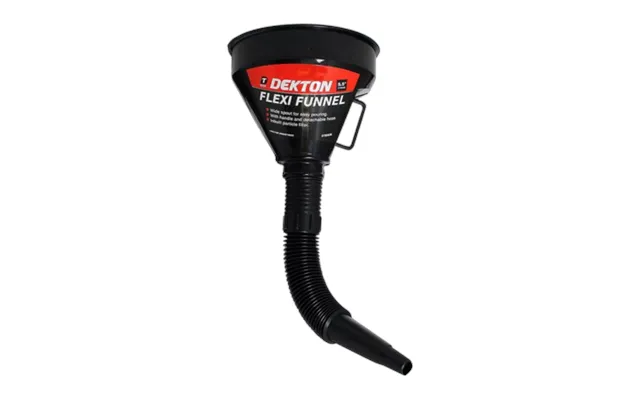
| Dekton Flexi Funnel - 14 Cm | £ 1,50 | |
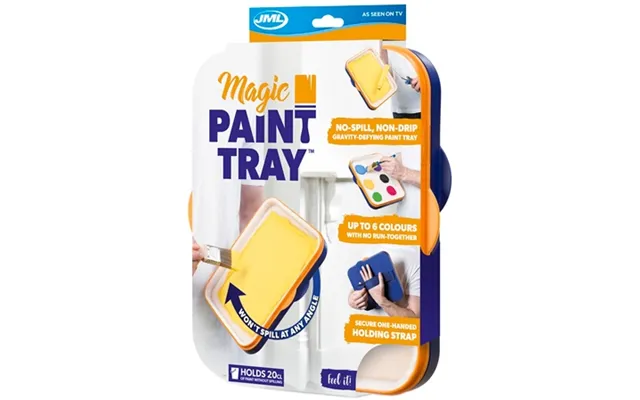
| Jml Magic Paint Tray | £ 1,55 | |
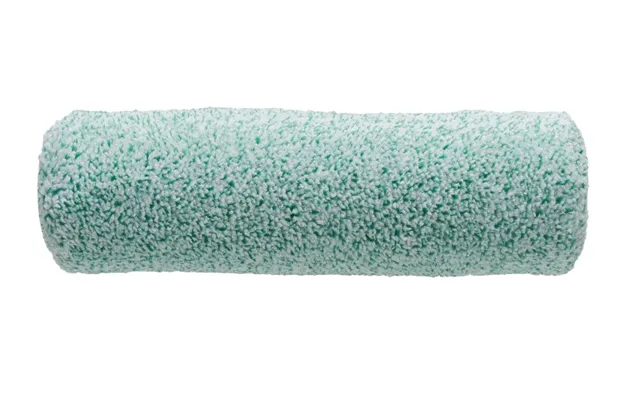
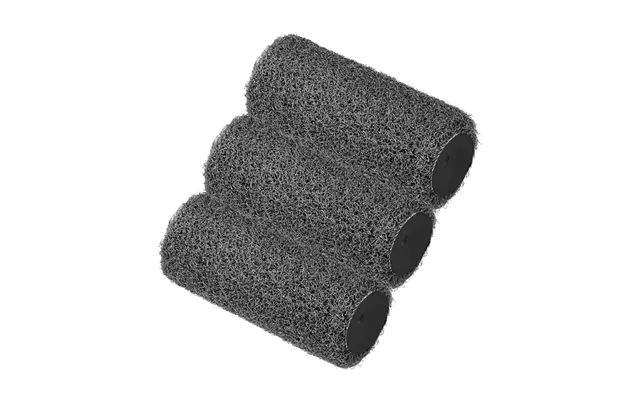
| Hamilton 353110190 For The Trade Masonry Roller Sleeve 9 | £ 2,03 | |
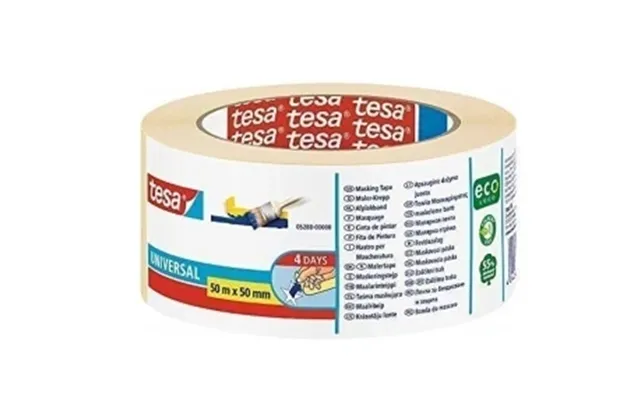
| Tesa Painter's Tape 50 M X 55 Mm,1 Piece | £ 3,- | |
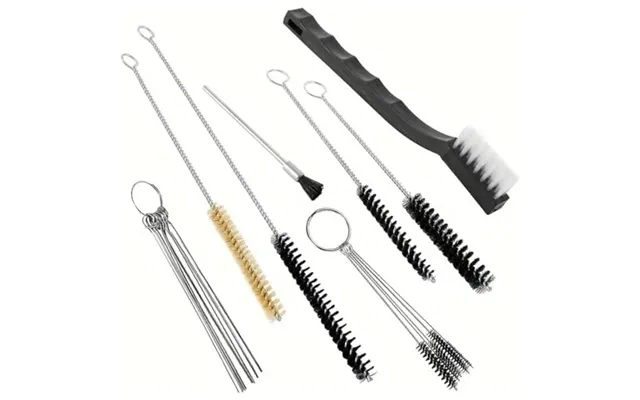
| Amtech 6 Piece Small Wire Brush Set - Steel, Brass & Nylon Heads | £ 3,99 | |
| Harris 102054002 Seriously Good Paste Brush 5 Inch | £ 4,17 | |
| Tilswall Paint Sieves - Pack Of 50 With 190 Â M | £ 13,99 | |
| Tilswall 17pcs Hvlp Spray Gun Cleaning Kit - Specializes In Paint Sprayer | £ 19,99 | |
| Blue Cap - Spray | £ 36,10 |