
Airbrush Accessories price list
Last updated Friday, 18 Sept 2026




View 5 Offers
Loading...
Last updated Friday, 18 Sept 2026
If you paint with an airbrush, you already know the tool itself is only part of the story — the right accessories turn good work into great work. Think of your airbrush like a sports car: the engine matters, but tires, suspension, and fuel make the difference on the track. Accessories help you control paint flow, prevent clogs, manage moisture, and get consistent results session after session.
This article walks you through the most useful airbrush accessories, explains why they matter, and gives practical tips for picking the right items for different budgets and project types. I’ll cover both hobbyist and professional options, compare features you should care about, and share maintenance tips to extend the life of your kit. Ready? Let’s dive in.
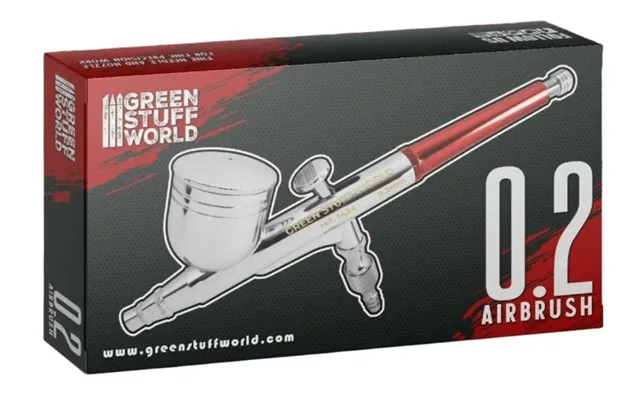
Your airbrush gun is the heart of the system, but not all guns are created equal. Upgrading to a higher-quality dual-action model can improve control and reduce fatigue. Look for stainless-steel needles and durable nozzles that resist wear. If you work on fine detail, a gun with a finer needle and nozzle combo will let you create hairlines and micro-shading without blowing paint all over the place.
Needles and nozzles wear out and bend — and when they do, performance drops fast. Keep spare needle-and-nozzle sets on hand. For most detail work a fine 0.008 in needle (roughly 0.2 mm) is excellent; for general-purpose work a 0.02–0.04 in needle is more forgiving. Always handle needles carefully and store them in a padded case to avoid damage.
A compressor controls how your airbrush behaves. For hobbyists, a small quiet compressor delivering steady pressure around 10–30 psi works wonders. If you’re doing large panels or heavier coatings, choose a compressor with a larger tank and a regulator that reaches 40–60 psi. Also consider noise level: many modern compressors advertise “whisper quiet” performance, which keeps long sessions pleasant.
Don't overlook hoses and fittings. A flexible hose that’s about 6–8 feet long gives you Freedom Of Movement without tugging. Ensure your hose has secure, leak-free connectors — 1/8 in thread or quick-connect fittings are common. If you plan to move between workstations, invest in a braided or reinforced hose to resist kinks and abrasion.
Moisture is the enemy of consistent spray. Even a small amount of water in the line will sputter and ruin delicate work. Inline moisture traps and air filters protect your airbrush by catching condensation and particulates before they reach your gun. Aim for a unit that drains easily, has a clear sight chamber, and includes a micro-filter element to trap fine debris.
A regulator lets you dial in precise pressure and keep it steady. Built-in gauges show pressure in real time; look for gauges with clear markings so you can repeat settings across sessions. A quality regulator often has a shut-off valve and safety relief, making it safer to change components without dumping the compressor tank.
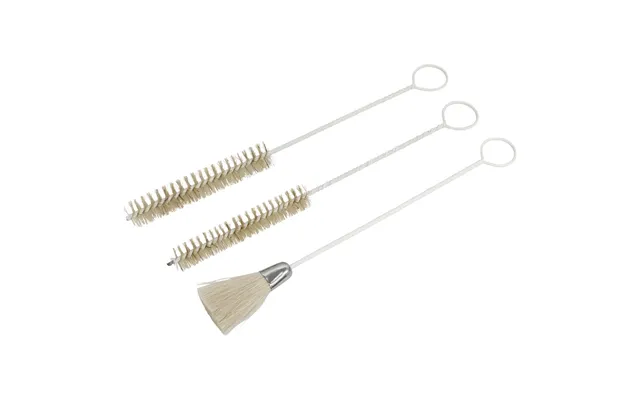
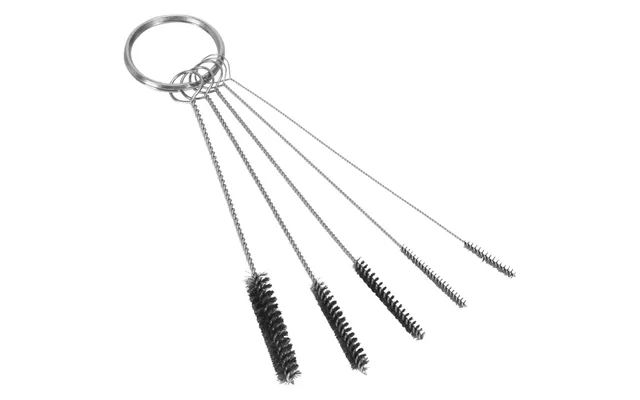
Cleaning is where many airbrush owners skimp — and then they wonder why their equipment clogs. A cleaning kit with specialized brushes, needle caps, cleaning solution, and nozzle wrenches makes routine maintenance quick and effective. Ultrasonic cleaners are a game-changer for stubborn residue in small parts, especially for metallic paints or opaque pigments.
Different jobs call for different paint reservoirs. Gravity-feed cups are great for low-volume detail work; siphon-feed jars are better for larger areas or when you want a bigger paint supply. Small glass jars with tight lids are ideal for thinning and storing mixed colors. Use dropper bottles for quick color swaps and consistent measuring when mixing custom shades.
Want crisp shapes and repeatable patterns? Stencils and masks are your friends. Reusable mylar masks are durable and easy to clean, while low-tack masking films let you protect finished areas without lifting paint. For fine gradients, use frisket film and layering techniques to control overspray like a pro.
Airbrushing can create fine airborne particles, so basic safety gear matters. A particulate respirator (rated N95 or better), nitrile gloves, and splash goggles protect you from inhaling or contacting paint and solvents. For long sessions or solvent-heavy materials, consider a small spray booth or fume extractor to keep your workspace healthy.
Organization pays off. A padded carrying case with foam cutouts protects delicate needles and nozzles, while small tackle-box-style organizers keep spare parts and cups within reach. If you travel to shows or classes, a compact case that stores your compressor, gun, and fittings neatly will save time and frustration.
For automotive detailing you’ll want larger-capacity siphon cups, high-flow compressors, and specialty primers that atomize cleanly. Modelers benefit from ultra-fine needles, precision pressure regulators, and magnified painting stations so you can see the tiniest details while you work.
If you use an airbrush for makeup or cake decorating, hygiene and food-safe materials are essential. Look for dedicated cosmetic or culinary airbrushes, stainless components, and food-grade paints. Disposable tips and lids can help maintain sanitary practice when working with multiple clients or edible materials.
When airbrushing fabric, invest in flexible hoses and larger nozzles for better coverage. Fabric paints and dyes are thicker, so you may need an accessory set that supports higher flow without spattering. Heat-setting tools or fixatives ensure longevity for the finished fabric pieces.
If you’re just starting, keep it simple. A reliable dual-action airbrush, a quiet small compressor with an integrated tank, a 6-foot hose, a basic moisture trap, and a cleaning kit will cover most beginner needs without overwhelming you. This setup keeps learning curve manageable and helps you master fundamentals.
Once you’re comfortable, add a separate regulator with a precise gauge, spare nozzles in different sizes, and an ultrasonic cleaner for deeper maintenance. Start experimenting with masking materials and stencils to expand your skill set. These upgrades improve consistency and open up more advanced techniques.
For studio use, invest in a high-capacity compressor with an air tank, commercial-grade moisture traps, multiple airbrushes dedicated to specific paint types, and a professional spray booth. Durable carrying cases and an inventory system for spare needles and parts prevent downtime during client jobs.
When money is tight, invest first in items that protect your core investment: the airbrush gun and compressor. A cheap compressor that delivers inconsistent pressure or a subpar hose that leaks will frustrate you more than a modest set of stencils ever could. Spend on a reputable gun and a compressor with a good regulator and quiet operation.
Some accessories are easy to replace without huge performance hits. For example, basic paint jars, dropper bottles, and inexpensive masks can be swapped out as you refine your workflow. DIY tools like homemade stencils or improvised shields are fine for early experimentation.
Consider splurging on an ultrasonic cleaner, a high-quality regulator, and a robust moisture trap. These items dramatically improve consistency and reduce maintenance time. A solid case and a backup needle/nozzle kit are also worth the extra expense for long-term peace of mind.
After every session, flush paint from the airbrush with the appropriate cleaner, wipe the needle, and disassemble the nozzle for a quick check. Keeping a small syringe and brushes handy makes this a five-minute task rather than a dreaded chore.
Every few weeks, fully disassemble the gun and clean each component with an ultrasonic bath or a soak in dedicated cleaner. Replace any O-rings that show wear, and inspect needles for bends. Routine checks prevent clogs and maintain spray quality.
Store needles and spare nozzles in padded sleeves and keep your compressor in a dry place. Avoid leaving paint in the hose or airbrush overnight; residual solvent can cause clogs. Simple habits like these increase component life and save you replacement costs down the line.
When comparing accessories, focus on a handful of practical specs: pressure range in psi, needle/nozzle compatibility, hose length in feet, material construction (stainless vs plated brass), and included warranty or spare parts. These metrics tell you more about real-world performance than marketing buzzwords.
Look for long-form user reviews that discuss longevity rather than one-off impressions. If possible, test a gun in-store or at a local club meetup; hands-on feel is invaluable. Ask whether replacements like needles are sold separately — that’s a sign the manufacturer supports maintenance.
For precision art, pair a fine-needle gravity-feed gun, a small quiet compressor adjustable to low psi, a 6-foot braided hose, and a portable moisture trap. Add a set of micro nozzles and a compact cleaning kit to keep everything sharp.
For murals or car panels, choose a high-flow siphon-feed gun, a compressor with a larger tank and high psi range, 8–12-foot reinforced hoses, and a heavy-duty regulator. Include larger-capacity paint jars and quick-change fittings for efficient workflow.
Before you click buy, ask: Is the accessory compatible with my gun? Does the compressor meet my pressure needs? Are spare parts readily available? Can I return or exchange if a part is wrong? Answering these questions reduces headaches and keeps you painting instead of troubleshooting.
Choosing the right airbrush accessories is like assembling a dream team — every member plays a role. From spare needles and moisture traps to compressors and cleaning kits, the right combination will elevate your work, reduce downtime, and let you focus on creativity. Start with reliable core components, add targeted upgrades based on your needs, and treat maintenance as part of the craft. With thoughtful accessories, your airbrushing will get cleaner, faster, and far more satisfying.