All categories
Business & Offices
Electronics & Media
Fashion & Accessories
Groceries & Essentials
Health & Personal Care
Home & Living
Kids & Family
Sports & Outdoors
Search in ZoneOffer

Loading...
Choosing the right paint roller accessories is like picking the right shoes for a hike — the wrong pair makes everything harder and slows you down. The right roller frame, cover, tray, and pole can turn a slog into a smooth, even paint day. Whether you’re repainting a living room, doors, or an exterior fence, good accessories reduce lap marks, drips, and fatigue, so you finish faster and with better results.
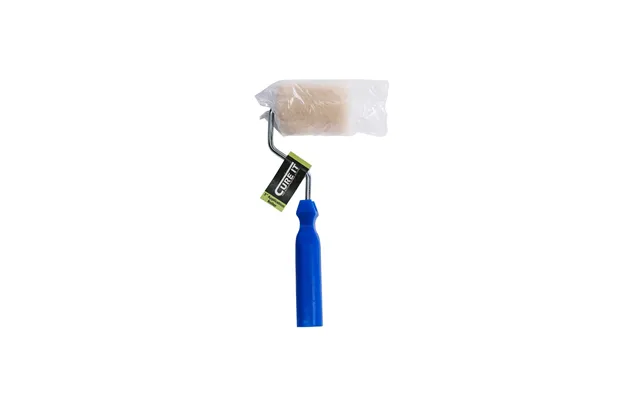
If you’re building a paint kit from scratch, start with a compact toolbox of essentials. A sturdy 9‑inch roller frame and matching 9‑inch covers, a 4‑inch mini roller for trim, a well-built paint tray with a grid, an extension pole that reaches 6 to 10 feet, and a few disposable tray liners will cover most jobs. These basics let you switch between walls, ceilings, and edges without running back and forth to the shop.
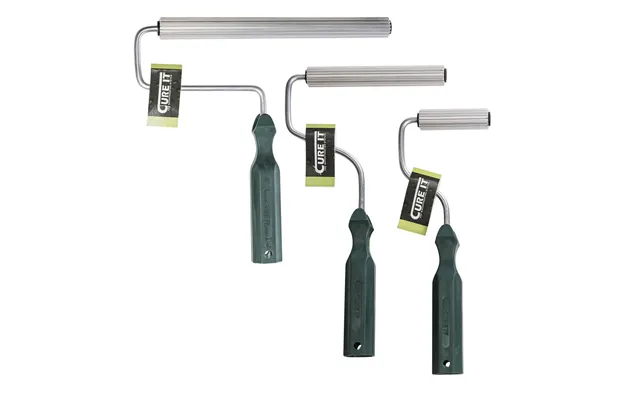
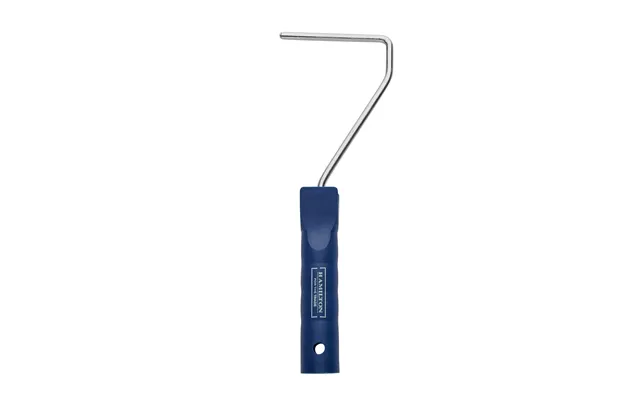
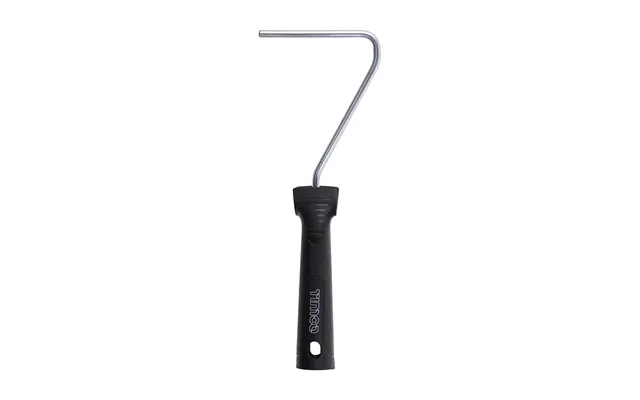
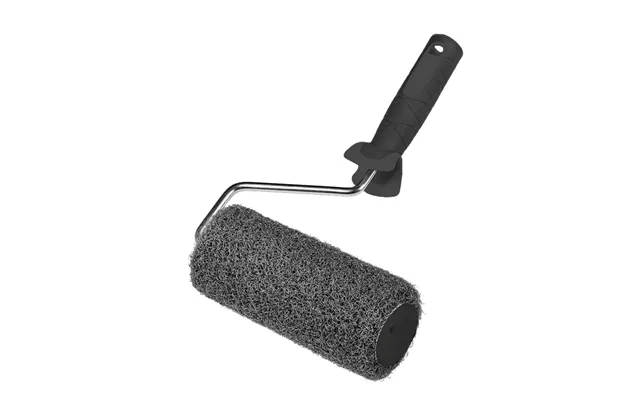
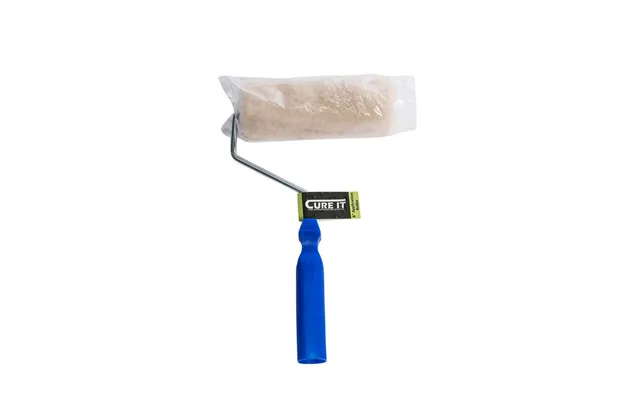
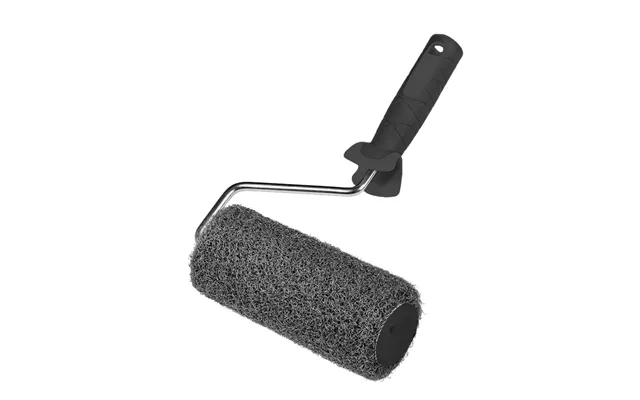
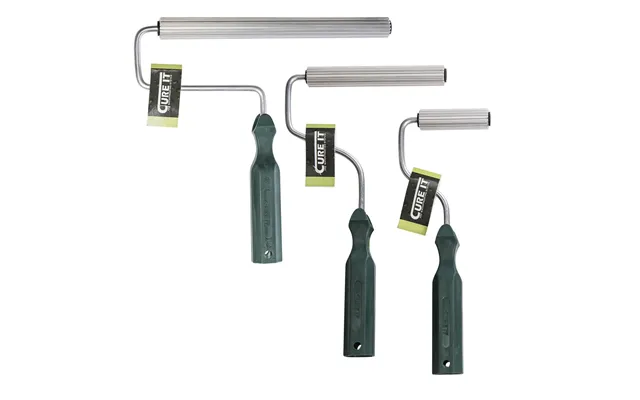
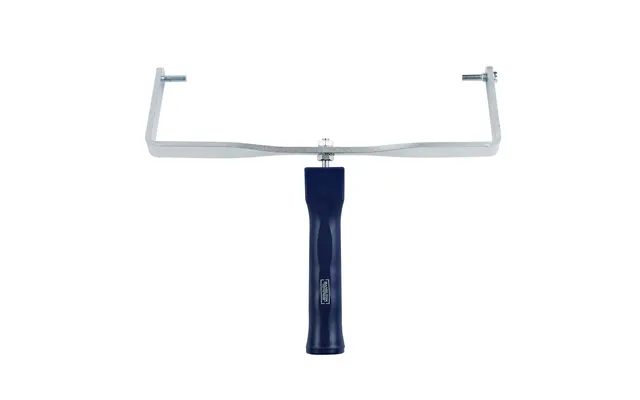
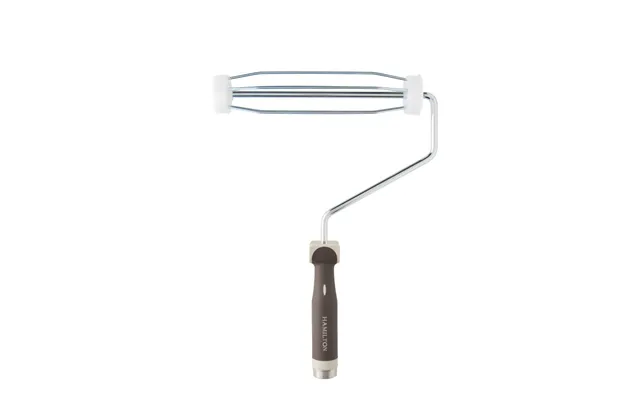
Roller frames come in metal or heavy‑duty plastic, and each has pros. Metal frames are often stiffer and better at holding big covers without bending, which is useful on ceilings and long walls. Plastic frames are lighter and kinder on your wrists for long sessions. Look for frames with a solid 1/4‑inch or 3/16‑inch diameter shaft that matches standard covers and locks snugly into the handle.
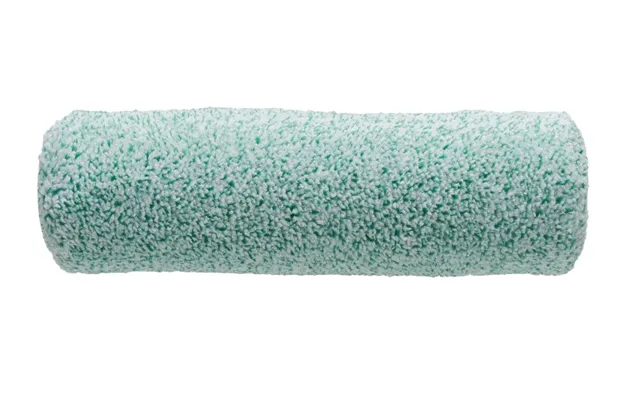
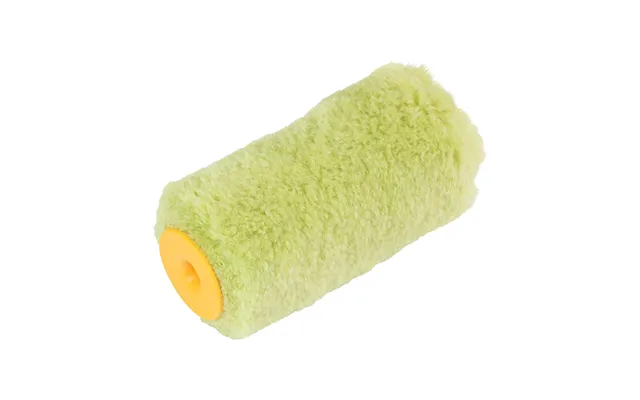
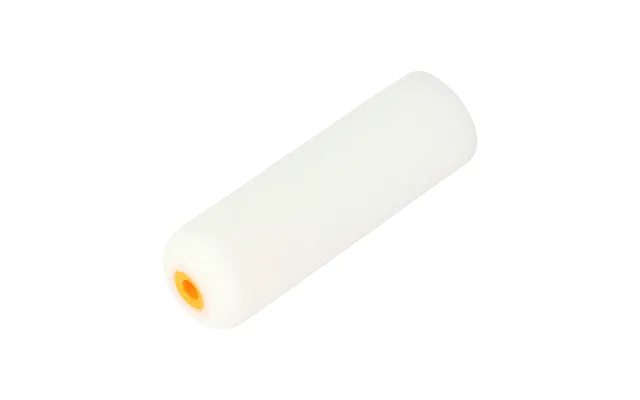
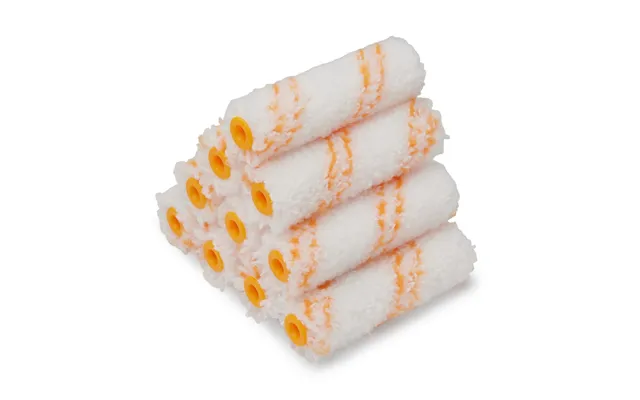
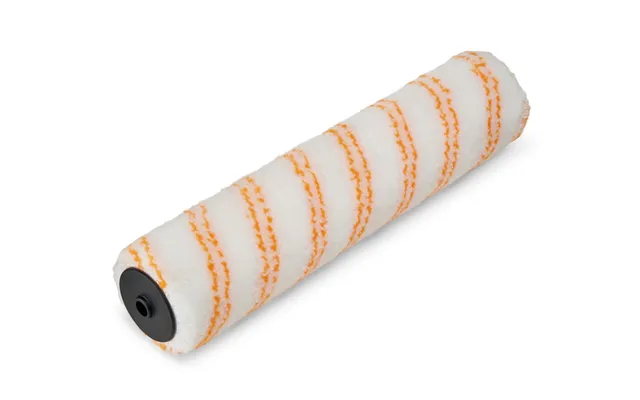
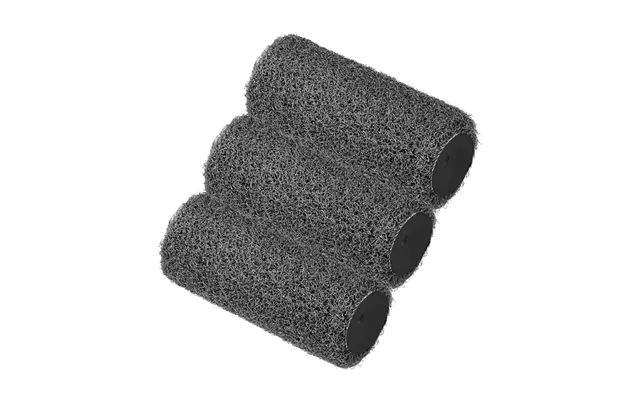
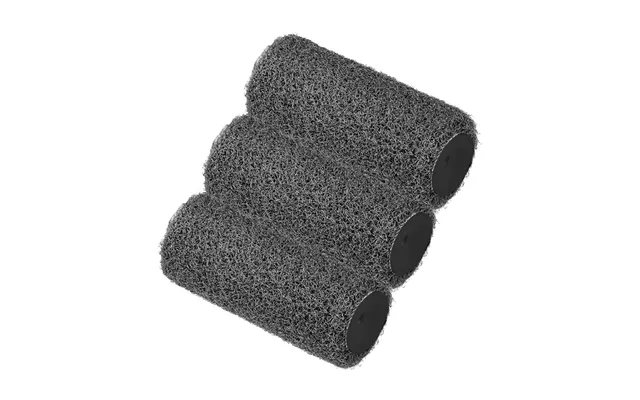
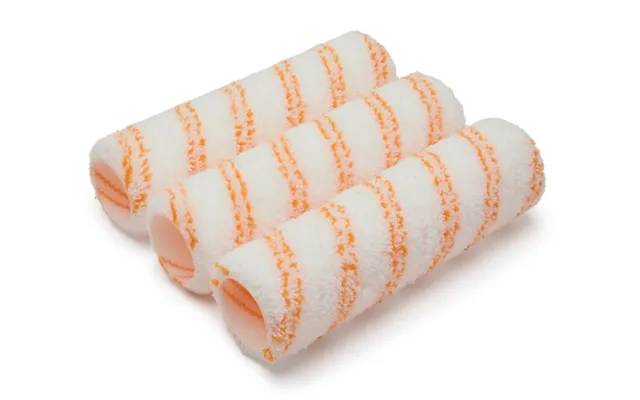
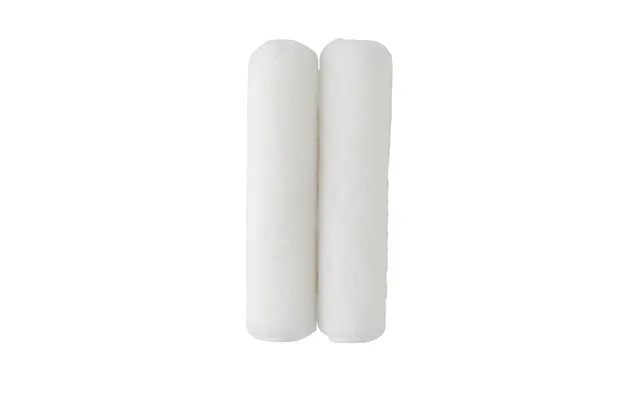
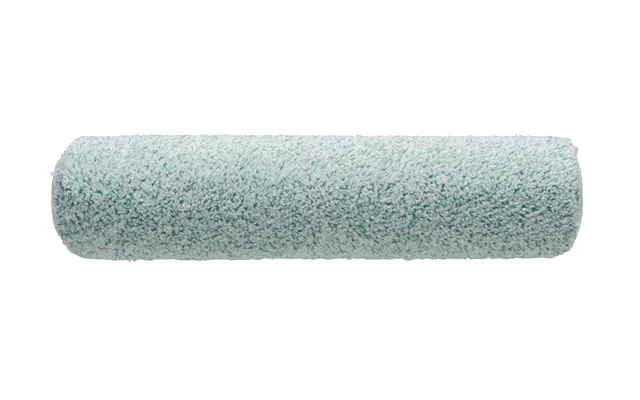
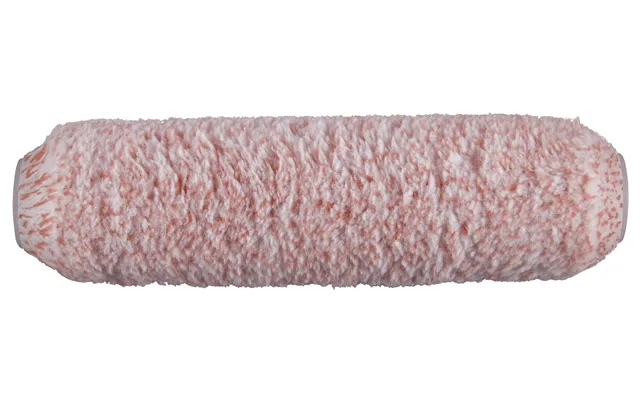
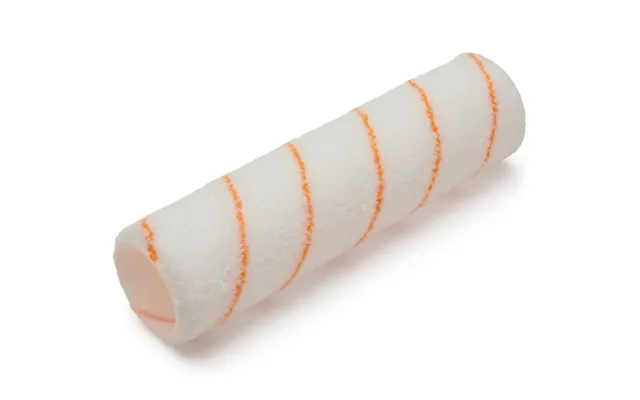
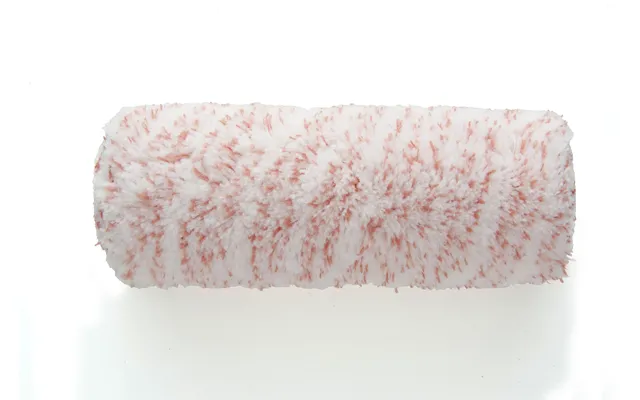
Roller covers (also called sleeves) are the paint’s workhorse. Nap length — the fuzzy pile — dictates how much paint the cover holds and what texture it leaves. For example, 1/4‑inch nap (0.25 in) is great for ultra‑smooth surfaces like cabinets, 3/8‑inch (0.375 in) works for light orange peel surfaces, 1/2‑inch (0.5 in) is the go‑to for most walls, and 3/4‑inch (0.75 in) or 1‑inch is ideal for rough stucco or masonry. Materials vary from foam, woven polyester, to microfiber: foam gives a super smooth finish on gloss, microfiber holds more paint for fewer trips to the tray, and woven covers are durable for heavy paints and primers.
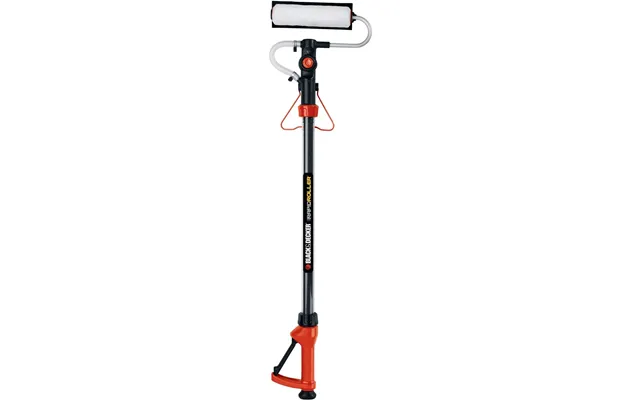
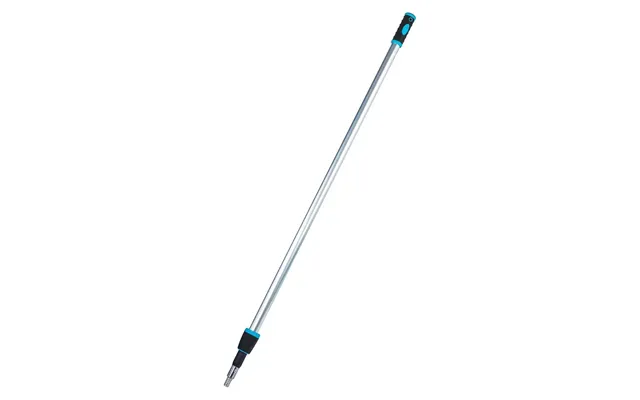
If you dread ladders, extension poles are your best friend. Telescopic poles that collapse to about 3 feet and extend to 9 or 12 feet let you reach ceilings, upper walls, and exteriors safely while standing on the floor. A locking twist mechanism keeps the pole steady. For exterior jobs, you can couple an extension pole with a long 9‑inch roller cover to cover large surfaces quickly — think of it as painting with a broom-sized brush.

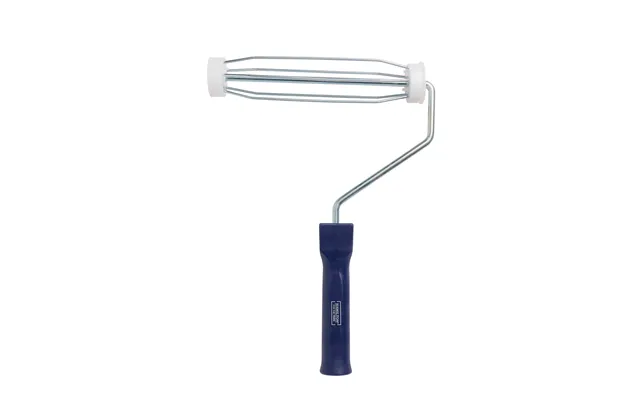
Quick‑connect systems speed up swapping tools — a simple push and click system links the pole to roller frames, paint edgers, and floor rollers. Make sure the pole end fits the diameter of your roller frame or use an adapter. Most common roller frames and grid systems work with standard 1/4‑inch shafts, but it’s worth checking compatibility on product listings or comparison sites before buying.
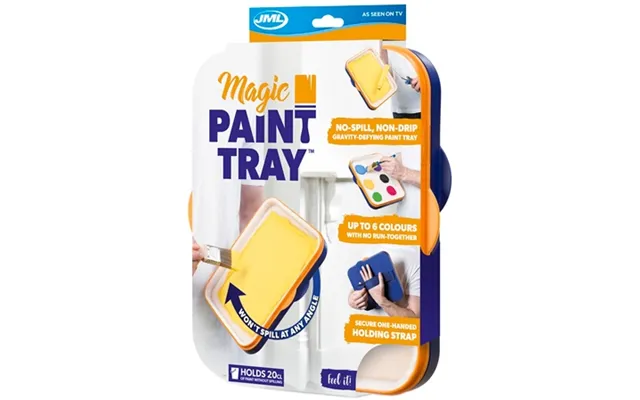
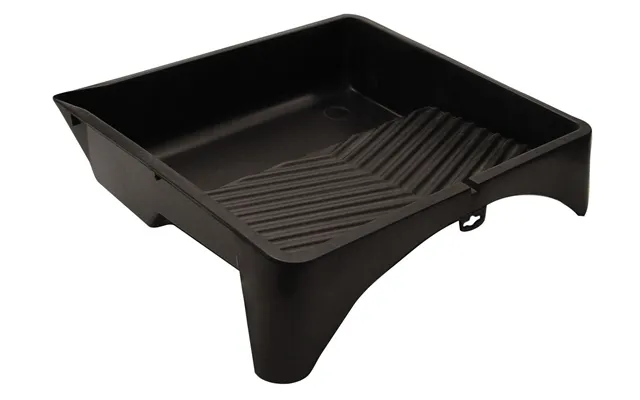
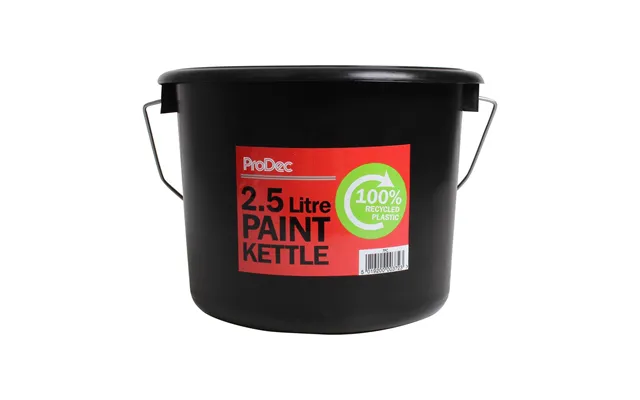
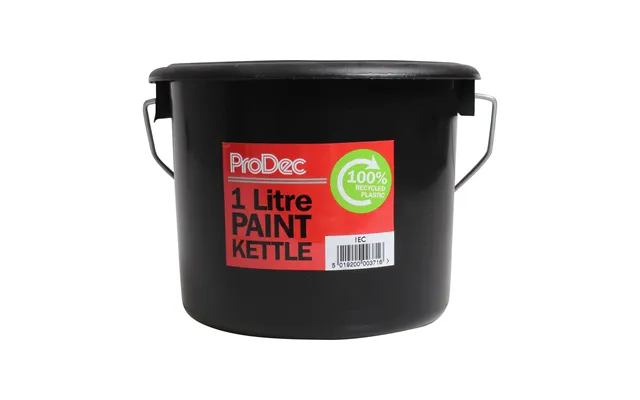
A good paint tray and grid reduce waste and frustration. Deep plastic trays with anti‑slip bases and removable metal or plastic grids let you load the roller evenly without flooding it. Disposable tray liners save cleaning time — pop one in, work, then bin it. For larger areas, a paint bucket with a ladder hook and a roller grid can be faster than a tray because buckets hold more paint and balance better when you’re moving along a wall.
Look for trays with pour spouts if you’re mixing paint or need to transfer leftover paint back into a can without spilling. Some trays have integrated ridges to rest your roller and keep paint off your floor, which is a surprisingly useful feature when you’re balancing a tray on a step ladder.
Cutting in along ceilings, corners, and trim can eat time if you’re using a standard roller alone. Paint edgers fit on a small 4‑inch roller or are standalone plastic guards that let you roll right up to the edge without tape. Corner rollers have two small cylindrical covers joined at a right angle to hit both sides of a corner in one pass. These tools aren’t about tricks — they’re about saving hours on masking, touch‑ups, and rework.
Even if you love rollers, a quality angled sash brush (2 to 2.5 inches) and a 1.5‑ to 2‑inch trim brush are essential for window frames, door jambs, and tight spaces. Use synthetic bristles for water‑based paints and natural bristles for oil‑based paints. Brushes finesse the areas a roller can’t reach and make the whole job look professional.
Taking five minutes to clean roller covers and frames after painting extends their life dramatically. For water‑based paints, rinse rollers under warm water until the water runs clear. Use a roller cleaner or a 1/2‑inch wide wire comb to pull paint from the nap if you want to reuse covers. For oil‑based products, clean with mineral spirits in a well‑ventilated area. Store frames dry and covers on a clean tube to keep the nap in shape — think of it as hanging your tools to breathe.
If you’re painting all day, set up two roller covers: one for cutting in and one for rolling walls. Swap covers instead of cleaning in the middle of a job. Use disposable liners for trays to avoid scrubbing, and keep a bucket of warm soapy water nearby for quick dunking of small tools. These small habits reduce waste and keep finishes consistent.
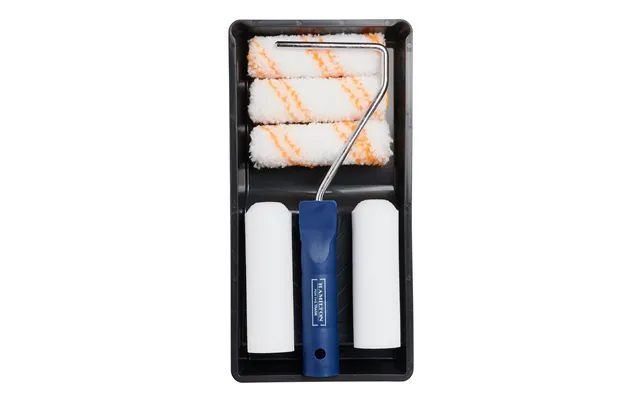
For one‑off projects, kits are a great value. A typical kit includes a 9‑inch frame, a 4‑inch mini, a telescopic pole, several covers with different nap lengths, a tray, and sometimes a brush or edger. Kits keep you from mismatching parts and often include carrying cases that keep everything tidy between jobs. If you plan DIY projects every year, a modest investment in a mid‑priced kit will save money and time in the long run.
Pick a kit with at least two 9‑inch covers of different naps (3/8‑inch and 1/2‑inch) and a 4‑inch mini. A solid frame and a telescopic pole that extends to at least 8 feet make the kit flexible. Avoid kits with flimsy trays or cheap brushes; those are easy to replace but add little lasting value. Instead, prioritize durable frames and covers — they determine your finish quality.
There are several higher‑end accessories that genuinely make a difference. Microfiber covers offer a smoother finish and hold more paint, reducing reloads. Professional quick‑change frames let you swap covers in seconds. Roller cages and paint shields protect surfaces and keep edges neat. If you’re doing a large renovation, these upgrades speed work and reduce rework, so the initial cost pays off quickly.
Consider a roller spinner — a device that spins the roller to remove excess paint and speed up drying between coats. Another neat tool is a paint pad with a built‑in reservoir for precise cutting‑in without drips. These aren’t essential for every job, but once you’ve used them, you’ll wonder how you painted without them.
The material of the roller cover affects finish, durability, and paint uptake. Foam rollers produce a smooth, near‑streakless surface on gloss and semi‑gloss paints. Microfiber covers are excellent for water‑based paints and offer exceptional pickup and release, which reduces splatter. Woven polyester and natural blended covers are rugged and work well with coatings that include texture. Match the material to your paint type and surface for the best outcome.
Here’s a quick rule of thumb: use 1/4‑inch for furniture and cabinets, 3/8‑inch for smooth plaster and lightly textured walls, 1/2‑inch for standard drywall, and 3/4‑inch to 1‑inch for rough stucco or textured brick. Think of nap length as the “paint scoop” — longer naps hold more and coat uneven surfaces better, while shorter naps give a finer finish.
Not all accessories are worth splurging on. Save on disposable tray liners and tape, but invest in quality roller covers and a solid extension pole if comfort and finish matter. A cheap cover will shed fibers, leave fuzz in your paint, and may require extra coats. Conversely, a premium microfiber cover and a good frame will pay you back in speed and finish quality. When in doubt, prioritize items that directly affect paint application — that’s where better tools show their worth.
Comparison sites and deal aggregators list current offers and let you filter by brand, price, and delivery options. Look for bundles that match your project: a kit for room repainting, a pro set for large jobs, or compact minis for trim. Reviews help more than flashy specs — real‑world feedback on durability and fiber shedding is especially useful when choosing covers and frames.
Sales often peak in spring and early summer when DIY season ramps up, and again during major retail events. If you’re not in a hurry, watch for discounts on multi‑pack covers or pole and frame combos. Buying during sales can let you pick a higher‑quality kit at a bargain price.
Choose low‑VOC paints and water‑based products when possible for indoor jobs. For accessories, recyclable tray liners and reusable trays reduce waste. When cleaning tools, avoid dumping solvent waste down drains — use designated waste containers and dispose of them per local regulations. Safety-wise, use goggles and a dust mask when sanding, and secure extension poles on ladders properly if you must climb.
Armed with the right set of roller accessories, painting becomes less like a chore and more like a controlled craft. Invest thoughtfully in covers, frames, and poles, and you’ll reduce drips, speed up work, and get a finish that looks pro‑level.
Conclusion: Pick the accessories that match your projects, prioritize covers and frames, and use trays and edgers to save time and improve finish quality. The right combination turns painting from a weekend of hassle into a satisfying, fast transformation.

| £ 343,13 |