All categories
Business & Offices
Electronics & Media
Fashion & Accessories
Groceries & Essentials
Health & Personal Care
Home & Living
Kids & Family
Sports & Outdoors
Search in ZoneOffer

Loading...
Ever started a painting job only to be slowed down by a drip-happy roller or a floppy brush? The difference between a DIY-looking finish and a pro-level result often isn’t the paint itself — it’s the accessories you use. The right paint tool accessories make application smoother, reduce waste, and cut your project time. Think of them as the unsung sidekicks that let your paint do the talking.
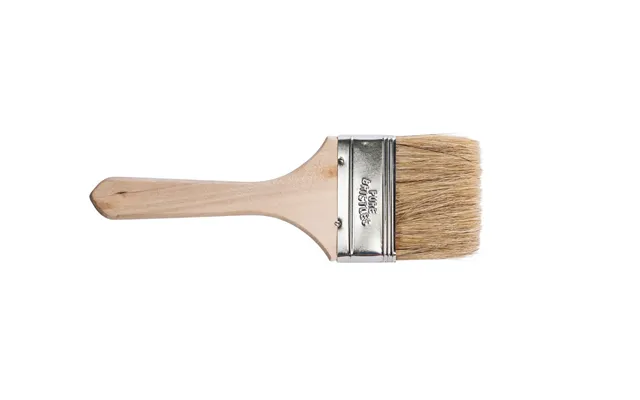
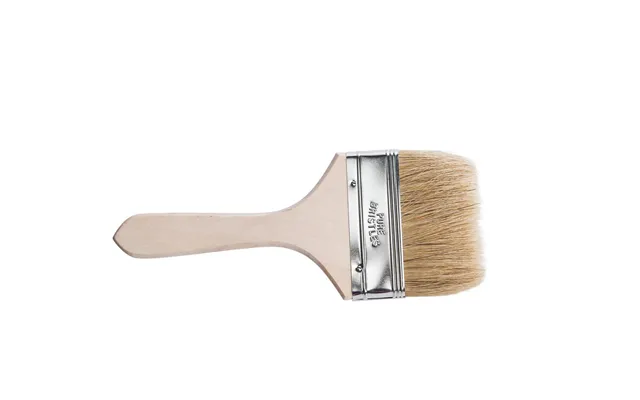
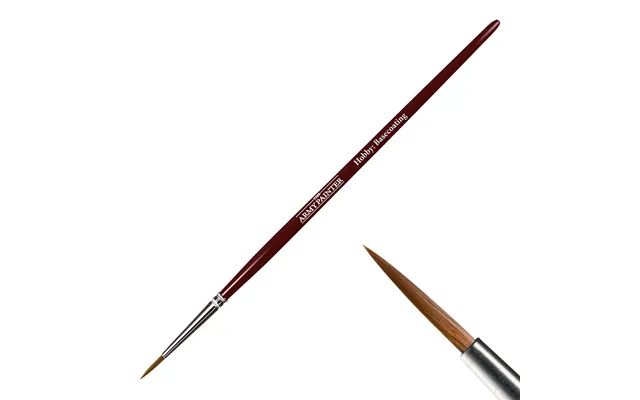
Brushes still rule when you need control around trim, corners, and detailed work. Sizes usually range from 1 inch to 4 inches, and the choice comes down to surface and paint type. A 1-inch brush is great for tight corners and touch-ups, while a 3- or 4-inch sash brush speeds up baseboard and door frames. Synthetic bristles are best for water-based paints, while natural bristles excel with oil-based formulas.
Match bristle material to paint: synthetic for latex, natural for oil. Choose width by the area you’ll cut in — 1 to 1.5 inches for trim, 2 to 3 inches for general trim, 3 to 4 inches for doors and cabinets. Look for angled (sash) brushes for precision and straight-edged brushes for flat surfaces.
If you’re covering walls or ceilings, rollers are where speed meets finish. Roller covers come in different nap lengths measured in fractions of an inch — common picks are 1/4", 3/8", 1/2", and 3/4". The rule of thumb: the smoother the surface, the shorter the nap. Think of nap length like a shoe tread — smooth shoes for polished floors, chunkier ones for gravel.
A 9-inch roller with a 3/8" nap is a classic combo for most interior walls. For ceilings or textured plaster, step up to a 1/2" or 3/4" nap. Mini rollers (4-inch) are perfect for tight spots and cabinets. Pair your roller covers with a sturdy 9-inch or 18-inch frame, depending on the area. Frames should fit snugly and spin freely to lay paint evenly.
Quality trays and liners save cleanup time and reduce cross-contamination between colors. Heavy-duty trays with replaceable liners mean you can swap colors quickly without washing. If you want to get fancy, look for trays with built-in grids to load the roller evenly and reduce splatter. Keeping a plastic pour spout or paint can pourer on hand also makes transferring paint into trays less messy.
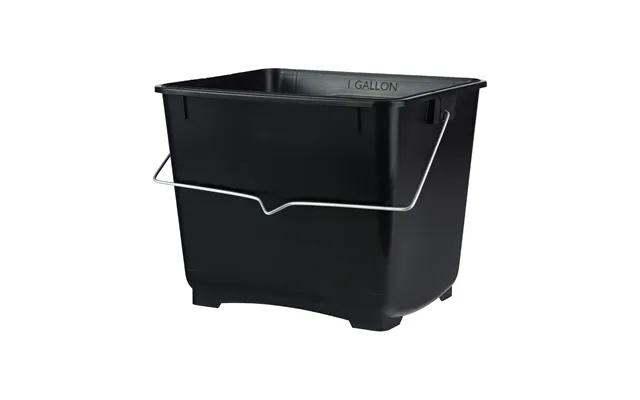
Standard plastic trays hold roughly 1 quart to 1 gallon depending on the size — know how much paint your roller will consume per pass. If you’re using oil-based paints, clean trays immediately with appropriate solvents to avoid residue buildup. Liners are a short-term cost that pays back in cleanup time saved.
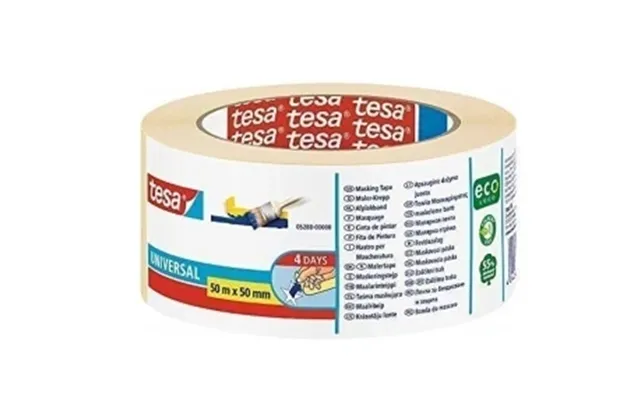
Painter’s tape is the unsung hero for crisp lines. Quality tapes come in widths from 0.5 inch to 2 inches and have adhesives designed to remove cleanly. For delicate surfaces, choose a low-tack option; for textured brick or outdoor trim, opt for a stronger adhesive. Combine tape with a flexible edging tool for perfectly straight lines without the need for painstaking brushwork.
Seal tape edges with a thin coat of the base color before applying your contrast color; this “seals” the edge and prevents bleed-through. Also, remove the tape after the paint is tacky but not fully dry to avoid peeling. Using a 1-inch tape for trim and 2-inch tape for larger masking areas covers most projects.
Extension poles are simple but transformative. Instead of balancing on a ladder, attach a pole to your roller frame and paint ceilings from the floor. Poles commonly come in 3-foot, 6-foot, and telescoping models that reach up to 12 feet. The difference between a cramped shoulder and a comfortable painting session is often just a few feet of reach.
For most interiors, a telescoping pole that extends from 3 feet up to 9 feet covers the bases. Look for lightweight aluminum or fiberglass poles with threaded or quick-lock connectors for secure attachment to rollers, brushes, and scrubbers. If you’re working outdoors on a two-story house, you’ll want a pole that reaches at least 12 feet and is compatible with a scaffold or stable platform.
If speed is essential or you’re tackling large exterior areas, a paint sprayer or airless unit can cut hours off your project. These tools atomize paint into a fine mist and lay it down quickly and evenly. They’re excellent for fences, decks, and large siding areas but require masking and prep to control overspray—think of them like a high-powered sprinkler for paint.
For light DIY use, a handheld HVLP (High Volume Low Pressure) unit is great for cabinets and furniture. For exterior walls and large surfaces, an airless sprayer delivers results fast. Make sure to match nozzle size to the paint viscosity; thicker paints require larger tips. Remember: sprayers use more paint, so factor that into costs and waste reduction plans.
Preparation is where quality finishes are born. Sanding blocks, sanding pads, and orbital sanders help ensure surfaces are smooth before paint hits them. Sandpaper grit is measured by numbers — higher numbers are finer grits. Start with a coarse grit (around 80 or 100) for heavy old finish removal and move to finer grits like 120 to 220 for a silky smooth surface.
Orbital sanders speed things up, but they create a lot of dust. Use sanders with dust collection ports and a vacuum attachment to keep your workspace clean. Tack cloths are handy for wiping away fine dust before priming. Think of prep like setting a foundation: skip it, and the finish won’t hold up.
For those hard-to-reach corners and tight edges, edging tools and corner rollers are lifesavers. An edging tool helps you paint clean lines along ceilings and trim without taping, while corner rollers are designed to fit snugly into 90-degree corners so you don’t need a brush for every nook. These specialty pieces save time and reduce hand fatigue.
Use an edger when you need consistent straight lines quickly — it’s faster than taping in many cases. Corner rollers are ideal for rooms with lots of corners or for textured walls where a brush can catch on bumps. Keep a small selection of specialty tools in your kit for those one-off jobs where a standard roller or brush just won’t do.
Good tools last when you take care of them. Brush combs, cleaning kits, and wire brush scrapers keep bristles in shape after use. For brushes used with water-based paints, warm water and mild detergent do the trick; for oil-based paints, use the recommended solvent. Store brushes flat or hanging with bristles down to retain shape.
Rinse rollers until the water runs clear, then spin them dry on a clean frame to save on drying time. Use a brush guard to maintain bristle shape when storing brushes for longer periods. Label storage bins by task — “trim brushes,” “rollers,” “sprayer nozzles” — and you’ll save time on future projects.
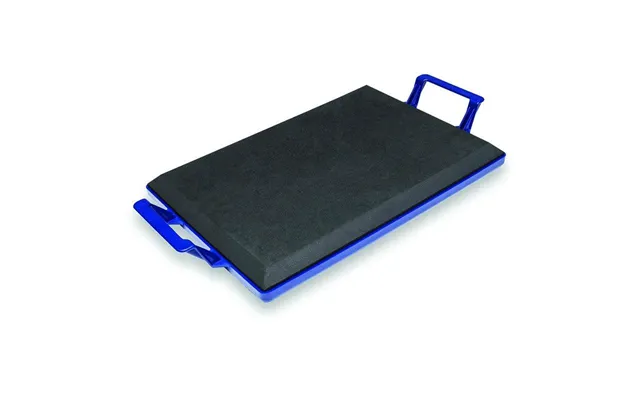
Don’t forget PPE: respirators, safety goggles, and nitrile gloves protect you from fumes and splashes. Knee pads are handy for baseboard and cabinet work, and lightweight breathable coveralls keep paint off your clothes. PPE might not be glamorous, but it’s indispensable for long-term comfort and safety.
Use at least an N95-rated particulate respirator for sanding and a cartridge respirator for paint fumes if you’re working with solvent-based products. Goggles should seal around the eyes and be anti-fog for comfort. Gloves should be chemical resistant and available in sizes that allow dexterity.
When shopping, prioritize durability, compatibility, and ease of cleaning. Metal roller frames with sealed bearings last longer than cheap plastic. Brush ferrules should be crimped securely and not glued only. Opt for accessories that offer replacement parts — like liners, covers, and tips — so you can refresh pieces instead of replacing the entire tool.
Invest in high-use items: brushes, a good roller frame, and a reliable extension pole. Save on single-use items like tape and liners. A mid-range sprayer will often outperform a cheap model and last longer if maintained. Think of your kit as a toolbox — spend where you’ll see repeated benefit.
Create a quick post-job routine: clean brushes and rollers immediately, store tools dry, and inspect moving parts for wear. Monthly checks on spray tips and pole threads prevent surprises mid-project. A little routine maintenance is like oiling a bike chain — it keeps everything moving smoothly.
For small indoor jobs: 2-inch and 3-inch synthetic brushes, 9-inch roller with 3/8" nap, plastic tray with liner, 1-inch painter’s tape, and a 3-foot pole or telescoping pole to reach ceilings. For large interior or exterior jobs: 9-inch and 18-inch rollers, multiple nap lengths, an airless sprayer or HVLP, sanding equipment with dust collection, heavy-duty tape, and a 9- to 12-foot extension pole. For furniture and cabinets: mini rollers, angled sash brushes, an HVLP sprayer, and tack cloths.
Choosing the right paint tool accessories transforms painting from a chore into a satisfying craft. Whether you’re freshening a room or tackling a full exterior repaint, the right brushes, rollers, trays, tape, sprayers, and safety gear make a measurable difference. Focus your investment on tools you’ll use often, care for them well, and they’ll repay you with cleaner lines, fewer touch-ups, and projects finished faster. Ready to build your perfect painting kit?
| Paint Tool Accessories - Other | Price | |
|---|---|---|
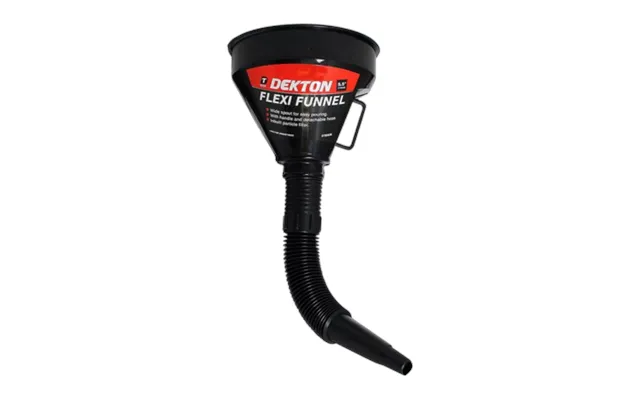
| Dekton Flexi Funnel - 14 Cm | £ 1,50 | |
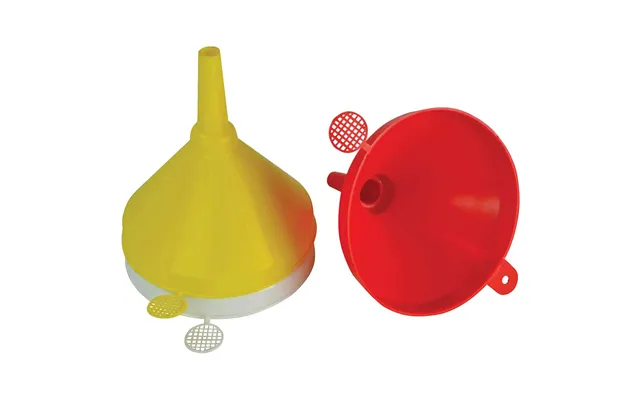
| Faithfull Faiaufunnel3 150mm Plastic Funnel Set 3 Piece | £ 2,44 | |
| Xtrade X0900281 3 Angled Scraper With Pole Socket | £ 3,56 | |
| Xtrade X0900282 4 Angled Scraper With Pole Socket | £ 3,75 | |
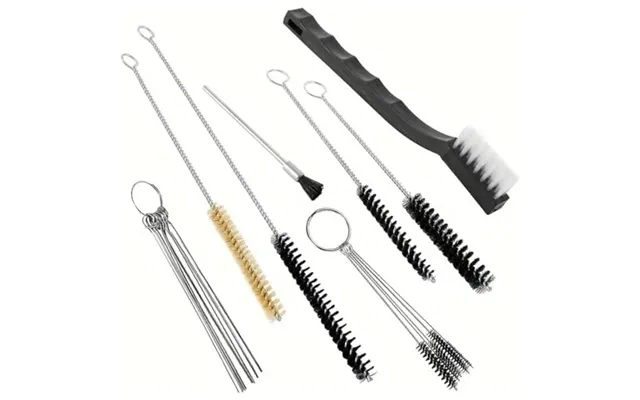
| Amtech 6 Piece Small Wire Brush Set - Steel, Brass & Nylon Heads | £ 3,99 | |
| Harris 102054002 Seriously Good Paste Brush 5 Inch | £ 4,17 | |
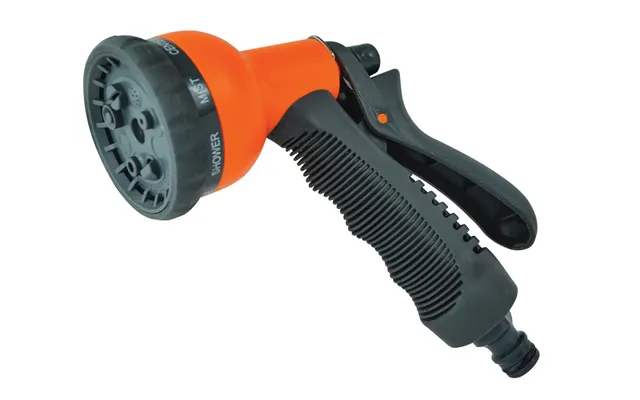
| Faithfull Faihoseplspy 8 Pattern Adjustable Spray Gun | £ 6,32 | |
| Bailey Products Z5690 Lockfast Brush 100mm | £ 7,77 | |
| Dewalt Drywall Eu2950 14in Skimmer Blade | £ 24,55 | |
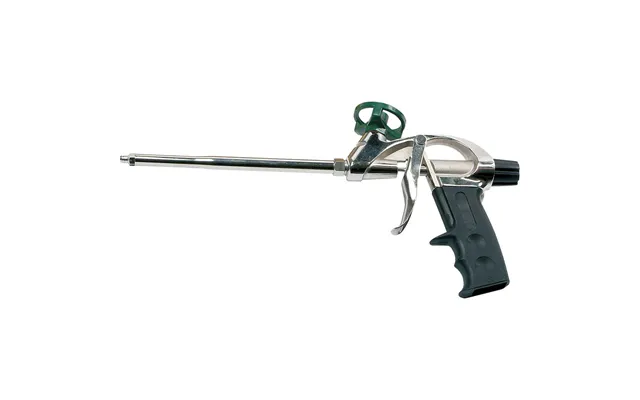
| Everbuild Sika 486679 P45 Medium-duty Metal Foam Applicator |

| £ 39,56 |