All categories
Business & Offices
Electronics & Media
Fashion & Accessories
Groceries & Essentials
Health & Personal Care
Home & Living
Kids & Family
Sports & Outdoors
Search in ZoneOffer

Loading...
Let’s be honest: the charger is the unsung hero of every cordless setup. You notice it only when it lets you down, right? A great power tool charger keeps your batteries healthy, your tools ready, and your projects moving. Whether you’re building a deck, fixing cabinets, or trimming hedges, the right charger determines whether you’re working—or waiting. With so many models, voltages, and brands out there, comparing options before you buy is a smart move. That’s where price lists and comparison platforms in the UK become your best friend, helping you find the best deals on chargers without guessing or overspending.
On the surface, it takes a battery from empty to full. But under the hood, modern chargers do a lot more: they monitor temperature, regulate current, balance cells, and run safety checks to prevent overcharging. Think of a good charger like a personal trainer for your battery—pushing it hard enough for fast results but protecting it from burnout. The result? Better performance, longer battery life, and less downtime on the job.
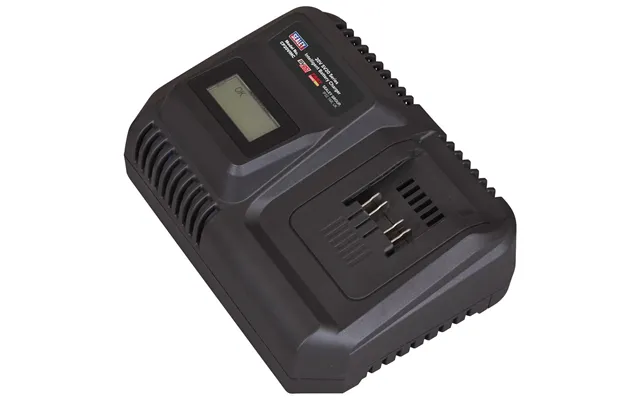
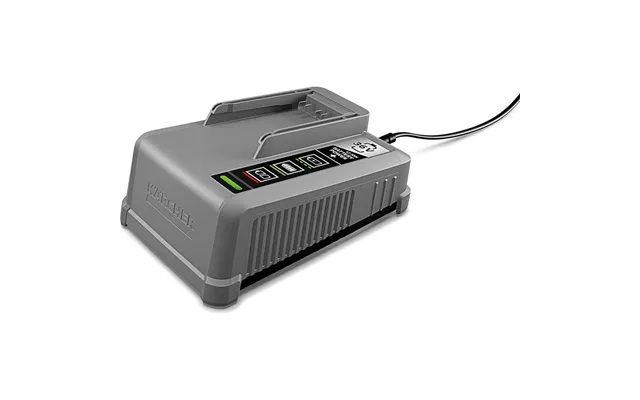
Not all chargers are created equal. Some are basic and dependable; others are lightning-fast, feature-rich, or built to handle multiple batteries at once. Knowing the main types helps you match a charger to your work style and tool platform without wasting cash on features you’ll never use.
Standard chargers are like reliable saloons—they get you from A to B consistently. Fast chargers are more like sports cars, taking you from empty to ready in a fraction of the time. If you cycle one or two batteries through casual weekend projects, a standard unit is fine. If you burn through packs all day, a fast charger pays for itself by minimizing downtime. Just remember: faster charging equals more heat, so a quality model with solid cooling is a must.
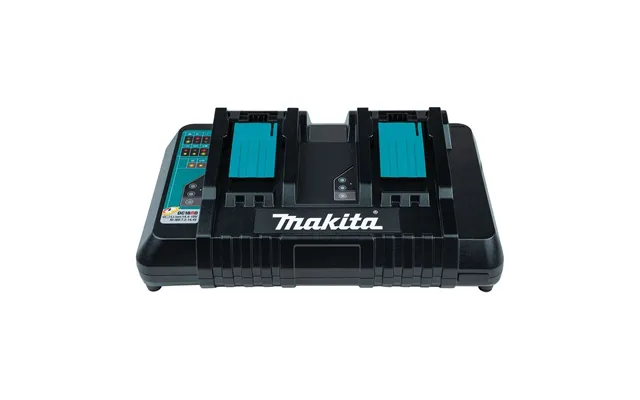
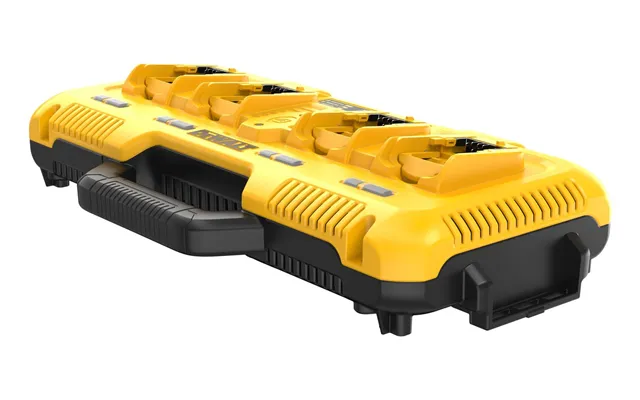
If you’re running multiple tools or a small fleet of batteries, dual-port or multi-bay chargers make life easier. They either charge two batteries at once or sequentially, depending on the design. This keeps your bench tidier and your workflow smoother. They’re ideal for crews, workshop setups, or anyone who doesn’t want a tangle of cables and wall warts hogging the outlets.
Many brands now offer chargers that handle different voltages—handy if you’re using both a compact 12V line and a beefier 18V system. Some chargers combine different platforms (for example, a single unit that fits two different battery footprints from the same brand). This is perfect if you want to streamline your kit without juggling multiple chargers.
Smart chargers go beyond basic charging. You’ll see features like diagnostic LEDs, reconditioning modes for stubborn packs, USB outputs for devices, and even app connectivity on certain pro-grade models. If you rely on tools for work, these extras can save time and extend the life of your batteries—very much worth considering.
The UK market for power tool chargers is stacked with familiar names. Each brand has a battery ecosystem, and staying within your platform is usually the simplest and safest route. Here are some of the standout lines and what they’re known for, so you can compare specifications and prices with confidence.
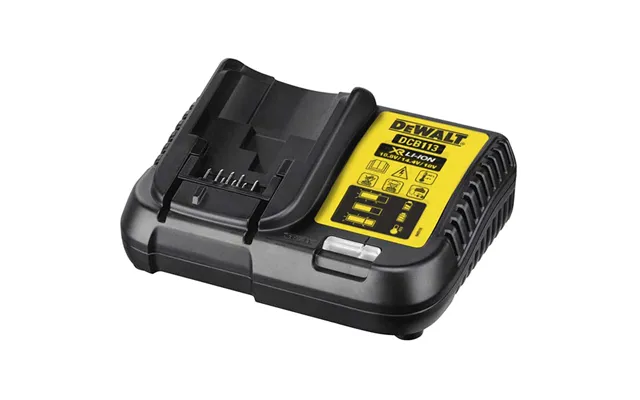
DeWalt’s XR ecosystem is a favorite with tradespeople. Popular chargers include compact, reliable units like the DCB115, as well as faster options like the DCB118 for speedy top-ups. If you’re juggling multiple batteries, look at multi-bay or high-output options that keep 18V and FlexVolt packs in rotation without fuss. DeWalt typically emphasizes robust build quality and clear status indicators—great for busy job sites.
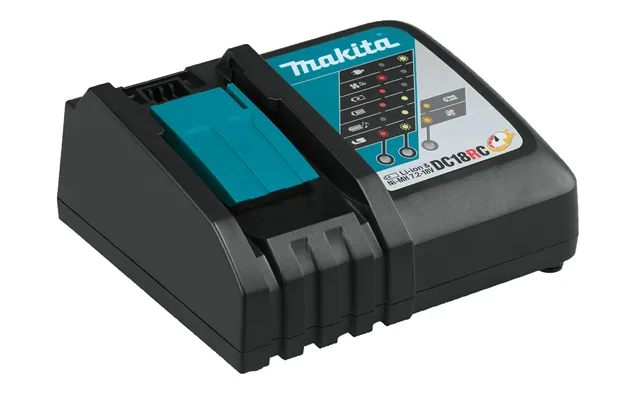
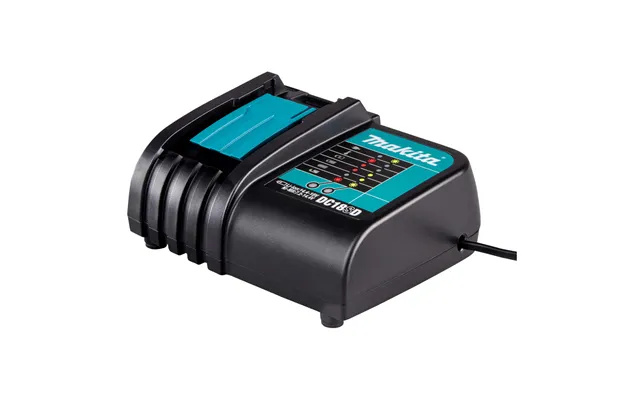
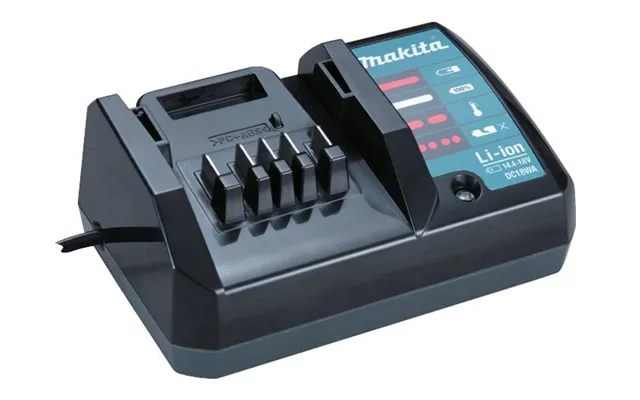
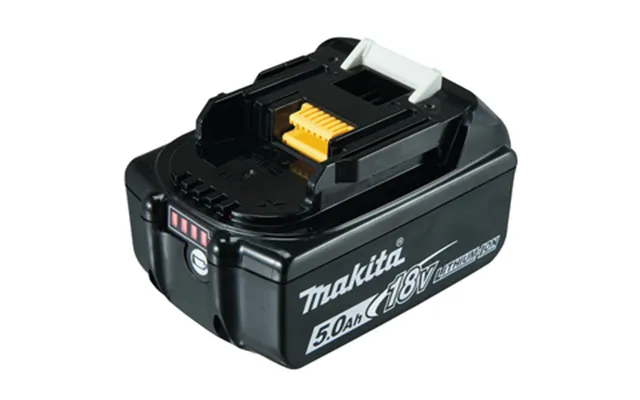
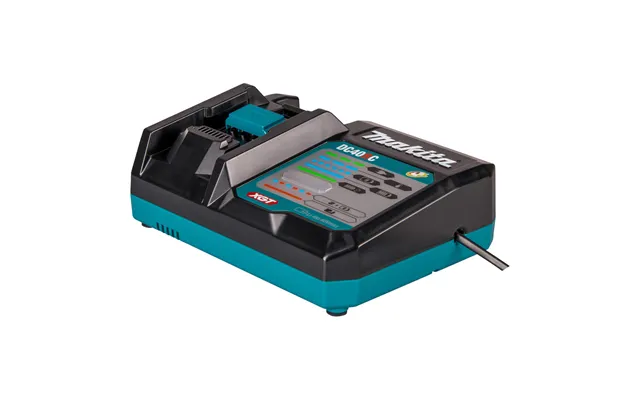
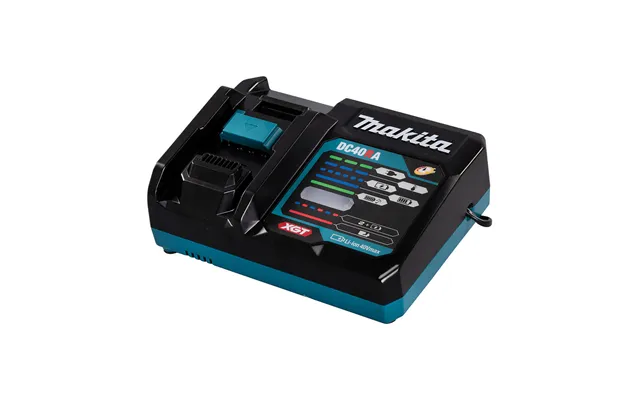
Makita’s LXT (18V) and CXT (12V) platforms are everywhere, from DIY garages to professional joinery shops. The DC18RC is a solid, fast favorite with active cooling, while the DC18RD charges two batteries at once. Makita chargers often include smart cooling fans and advanced monitoring, which helps protect cells during high-speed charging—useful when you’re cycling packs all day.
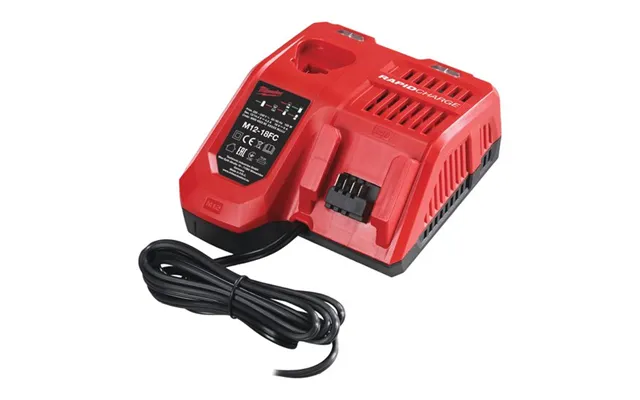
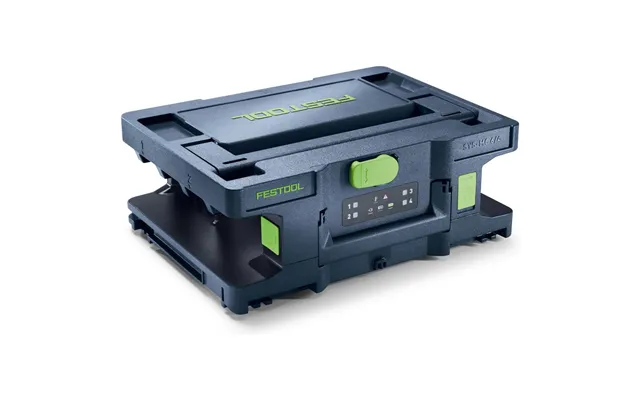
Milwaukee’s M18 and M12 lines power everything from compact drivers to heavy-duty saws. A versatile pick is the M12-18 FC, which handles both systems in one unit—very convenient. For on-site organization, Milwaukee’s chargers that integrate with modular storage systems are a tidy solution. The brand leans into speed, durability, and smart charging tech that keeps productivity high.
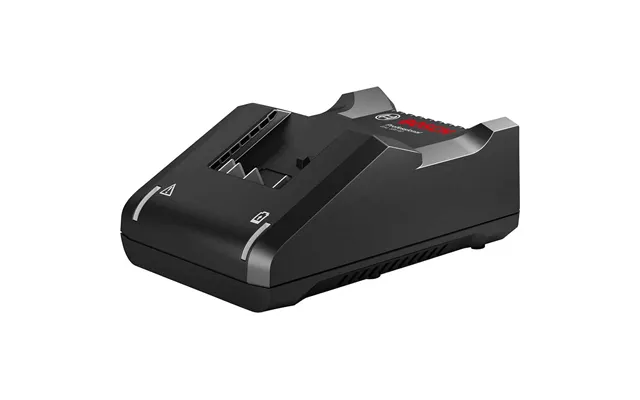
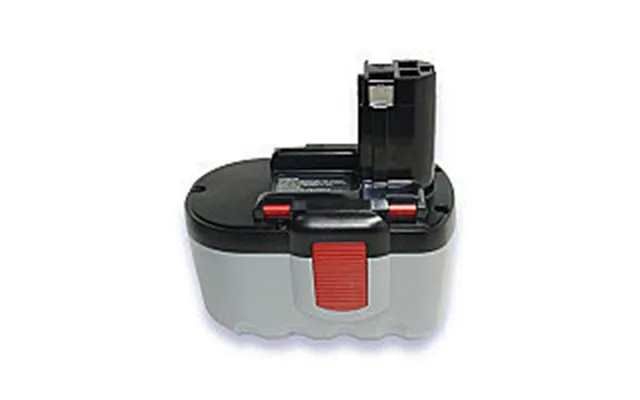
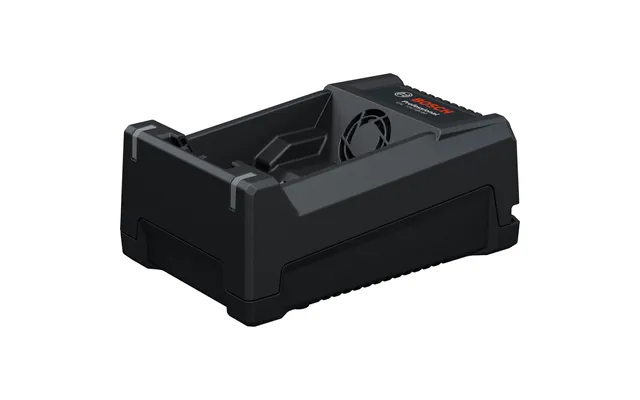
Bosch Pro’s GAL chargers (for example, mid-range and high-output models) are known for dependable performance, clear interface lights, and efficient cooling. If you’re in the Bosch 18V Pro system, look for chargers that pair well with the higher-capacity ProCORE batteries, especially if you run tools that draw serious power.
Ryobi’s ONE+ range is popular with homeowners and DIYers for good reason—great value and a massive line of compatible tools. Compact chargers are ideal for small workshops, while faster or dual-port options cut waiting time when you’ve got multiple tasks on the go. If you’re building out a home tool ecosystem, Ryobi’s chargers are a wallet-friendly place to start.
Looking at a charger’s price tag is only half the story. Drill into the specs and features, and you’ll quickly see what suits your workflow. Here are the essentials to weigh up while browsing offers and price lists.
Charge rate (often linked to output current) directly affects how fast a battery is ready to go. Faster isn’t always better if it means excessive heat, so balance speed with long-term battery health. If you regularly drain high-capacity packs, a faster model with strong thermal management is worth the premium.
Heat is a battery’s worst enemy. Chargers with active fans, heat sinks, and smart temperature monitoring help protect cells during rapid charging. If your workshop sits in a garage that hits 90°F in the summer, a fan-cooled unit can make a noticeable difference to battery longevity.
Clear LED indicators make it easy to see what’s happening at a glance—charging, full, hot/cold delay, or fault. Some pro-level chargers even pair with apps to show charge progress or battery health details. Handy? Absolutely, especially if you’re managing multiple packs or planning charging around your workflow.
Look for features like over-voltage, over-current, and short-circuit protection. Reputable brands also adhere to rigorous electrical safety standards. You shouldn’t have to think twice about leaving a charger running while you step away—built-in safeguards make that peace of mind possible.
Mixing and matching can be tempting, but compatibility matters—big time. The safest route is to use brand-approved chargers for your specific battery platform. If you’re thinking about third-party options, do it carefully and understand the trade-offs.
Most modern packs are lithium-ion, but make sure your charger is designed for the exact voltage and chemistry you’re using. A charger built for one platform may not safely support another, even if the plug looks similar. It’s not worth the risk—mismatches can damage the pack or worse.
Third-party chargers can be budget-friendly, but quality varies widely. With genuine chargers, you’re paying for matched electronics, proper safety testing, and optimized charge profiles. If you do consider third-party, check reviews, seek reputable brands, and be extra cautious with high-capacity batteries where heat and current are higher.
Different users have different needs. A cabinetmaker running through batteries all day isn’t the same as a weekend DIYer doing a few shelves. Here’s how to think about it based on how you work.
If you’ve got one drill and a driver, you likely don’t need a premium multi-bay unit. A reliable standard or mid-speed charger will keep you moving without overspending. Consider a compact model to save bench space and invest the savings into an extra battery—nothing beats having a spare ready.
Time is money, so a fast charger with cooling is almost mandatory. Dual-port or multi-bay chargers help you rotate packs without breaking rhythm. App-enabled features can be a bonus if you manage multiple tools and want a quick snapshot of charge status throughout the day.
For seasonal bursts—mowing, trimming, fencing—a charger that rapidly tops up high-capacity packs makes life easier. If your shed isn’t climate-controlled, look for models that handle heat and cold gracefully. Consider a vehicle-compatible charger if you’re often working far from mains power.
Who doesn’t love a good deal? The charger market often includes bundles and timed offers that can save real money—especially if you’re expanding a battery platform. Comparison sites are particularly useful here, since they surface multiple retailers’ prices so you can spot genuine discounts, not just flashy stickers.
Buying a charger on its own can be straightforward, but the best value often appears in kits. A drill/driver with a charger and two batteries, for example, can cost less than buying the pieces separately. If you’re switching brands or starting fresh, a kit might get you up and running for less.
Refurb units from reputable sources can be a smart buy. These chargers typically undergo testing and may include limited warranties. If you’re building out a secondary workspace or need a backup charger for the van, refurbished can deliver solid performance at a lower price point.
Big seasonal events and trade promotions are prime time for charger deals. Keep an eye on price trends across multiple retailers via comparison platforms, set alerts if possible, and be ready to pounce when a model you want dips below the usual price range.
Treat your charger well, and it’ll return the favor. A few simple habits go a long way toward safe, reliable performance—and healthier batteries over the long haul.
Try to keep chargers and batteries in a dry area between about 50°F and 86°F whenever possible. Extreme cold slows charging, while high heat shortens battery life. If your workspace is a shed or garage that gets hot in summer, consider a spot with better airflow or bring the charger indoors when not in use.
Loose cords are a tripping hazard and can strain plugs and sockets. Use a short, sturdy power strip mounted off the floor, and keep the cable length sensible (around 3 to 6 ft is usually enough). Avoid daisy-chaining multiple extension leads, and give the charger some breathing room so vents aren’t blocked.
Seeing a flashing warning light? Let the battery cool and reseat it firmly. If the charger reports a fault repeatedly, test with another battery to isolate the problem. Keep contacts clean with a dry cloth—no solvents—and never bypass safety features. If in doubt, consult the brand’s manual for the exact fault code definitions.
Need to charge away from the mains? You’ve got options. From vehicle chargers to compact inverters and jobsite power stations, it’s easier than ever to keep batteries topped up on the move—no more long drives just to fill a pack.
Car-adapter chargers let you juice up from a vehicle’s 12V outlet while you drive between jobs. They’re perfect for landscapers, mobile handypeople, or anyone who splits time between sites. Just watch your vehicle battery—run the engine if you’re charging for long periods to avoid draining it.
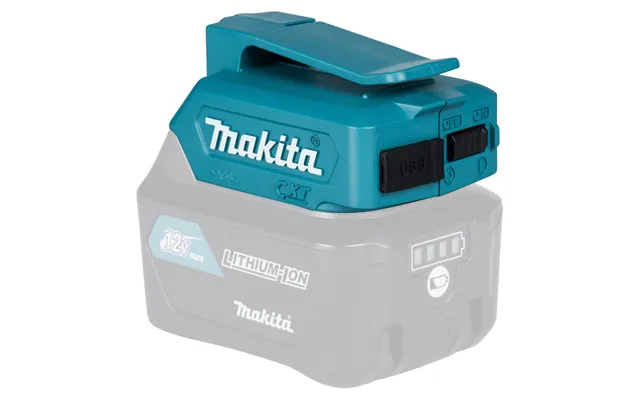
A compact pure-sine inverter turns a vehicle’s 12V DC into AC power, letting you plug in a standard charger. Some brands also offer battery-powered “power source” units that let packs charge devices, or, in some setups, act as a mini hub on site. If your work takes you far from plugs, these can be a lifesaver.
Chargers don’t use tons of energy, but small changes add up over time—especially if you keep one plugged in year-round. A few tweaks can lower your bill and reduce waste without slowing you down.
Some chargers sip power even when idle. Plug yours into a smart outlet or timer so it shuts off overnight. Unplug when not in use if that’s practical for your setup. Little habits like this can make a noticeable dent in standby costs over months and years.
If you already run a solar setup at home or on a van, consider charging packs during sun-rich hours. While most standard chargers need AC, pairing an inverter with a solar-charged battery bank can help you run a greener workshop without sacrificing productivity.
Choosing the right power tool charger isn’t just a checkbox—it’s the foundation of a reliable cordless workflow. Start by matching the charger to your battery platform, then weigh speed, cooling, diagnostics, and safety. Think about how you work: one battery on weekends, or a steady rotation on busy weekdays? Compare price lists across retailers to spot genuine value, and consider bundles or refurbs to stretch your budget further. Invest wisely, maintain it well, and your charger will keep your tools—and your ambitions—fully powered for years to come.
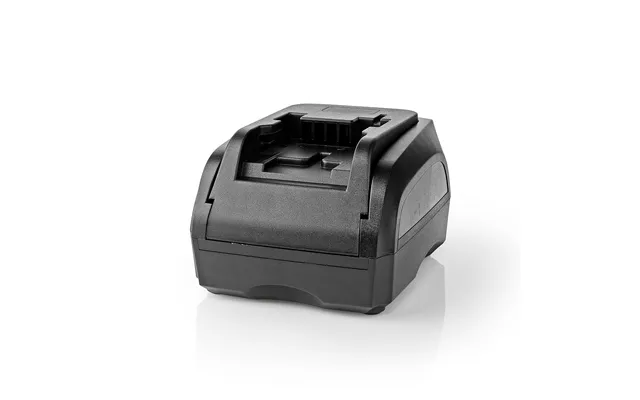
| Power Tool Chargers | Price | |
|---|---|---|
| Makita Dc18rc 14.4v 18v Li-ion Charger | £ 23,10 | |
| 2-power Pth0125a Cordless Tool Battery Charger | £ 29,99 | |
| Coreparts Mbxpt-ba0552 Cordless Tool Battery Charger | £ 33,83 | |
| 2-power Ptc0004m Cordless Tool Battery Charger | £ 51,67 | |
| Makita Dc18rd Twin Port Multi Voltage Charger 240v | £ 104,28 | |
| Makita 197265-4 Cordless Tool Battery Charger | £ 120,43 |