All categories
Business & Offices
Electronics & Media
Fashion & Accessories
Groceries & Essentials
Health & Personal Care
Home & Living
Kids & Family
Sports & Outdoors
Search in ZoneOffer

Loading...
If you've ever been halfway through a woodworking project and wished your router could do more, you're not alone. Router accessories transform a basic tool into a precision powerhouse, helping you shape edges, cut joinery, and finish surfaces like a pro. Whether you own a trim router, a plunge router, or a fixed-base model, the right accessories make jobs quicker, cleaner, and more repeatable. Think of them as the wardrobe upgrades for your router—swap a few pieces and suddenly your tool fits every occasion.
Router accessories are the add-ons and attachments that extend the capability and safety of your router. They include router bits, collets, guide bushes, edge guides, router tables, dust extraction adapters, fences, template guides, and specialized jigs. Each accessory plays a role in improving accuracy, repeatability, or ease of use, and together they turn a router into a multi-purpose carving and shaping machine.
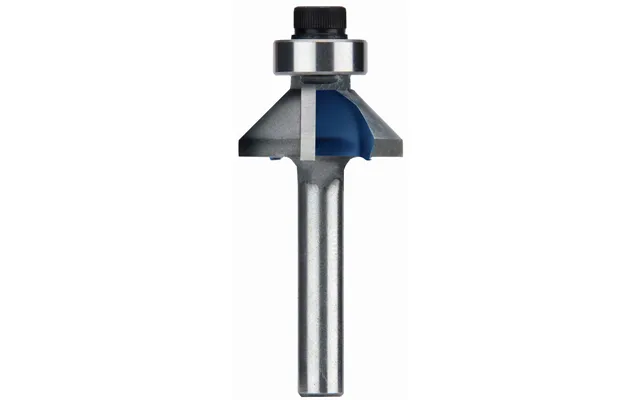
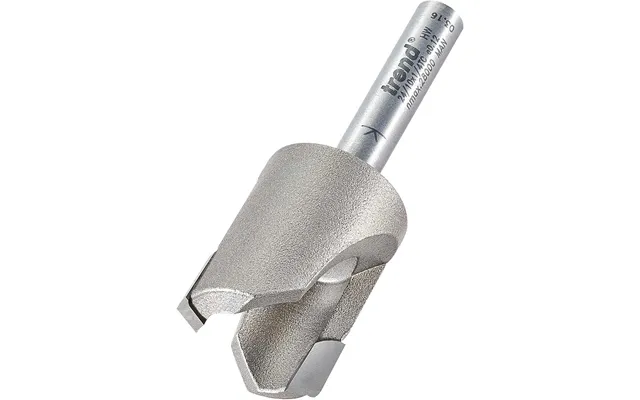
Router bits are the cutting tools that shape the wood. They come in many profiles—straight, flush trim, roundover, ogee, chamfer, roman ogee—and in two main shank sizes: 1/4" and 1/2". Larger 1/2" shanks usually offer increased stability and less vibration, but 1/4" bits are lighter and more common in compact trim routers. Carbide-tipped bits are the most popular for durability, holding an edge longer than high-speed steel.
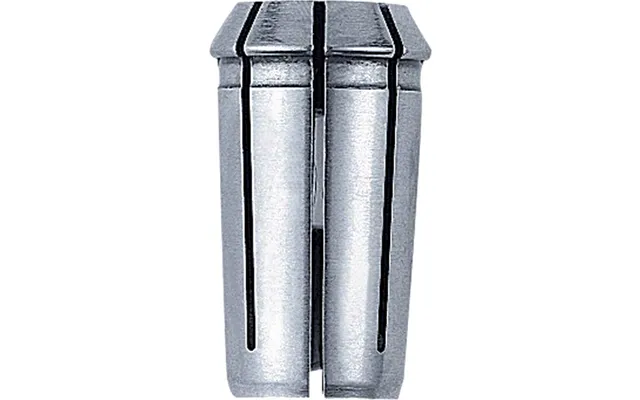
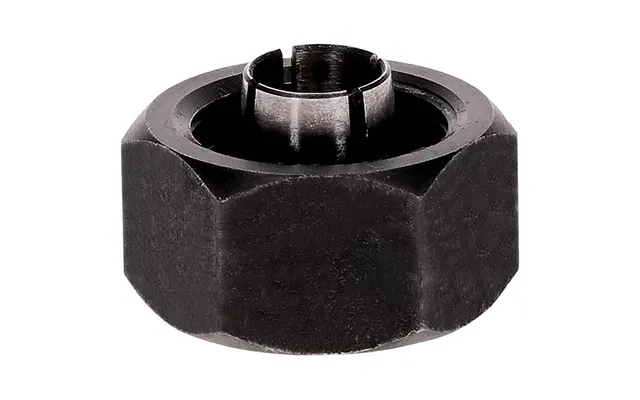
The collet is the clamp that holds the router bit in the spindle. Collets commonly come in sizes to accept 1/4" and 1/2" shanks, and a worn or dirty collet can cause runout—wobble that ruins fine work. Upgrading to higher-quality collets or using a collet reducer correctly can dramatically reduce vibration and improve finish. Always snug the collet nut to the manufacturer's torque recommendation to avoid slipping or over-tightening.
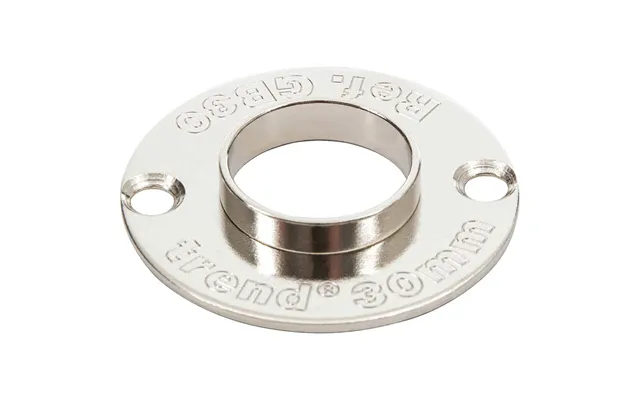
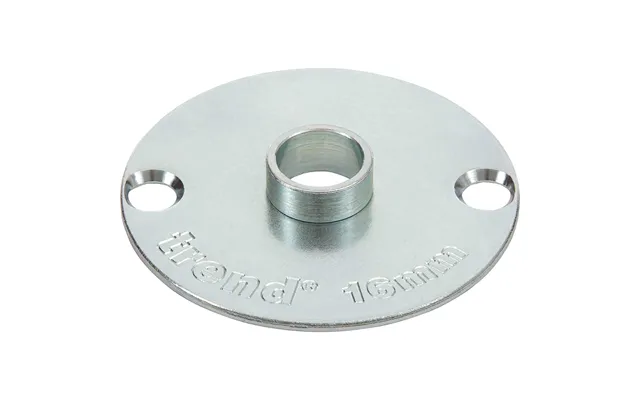
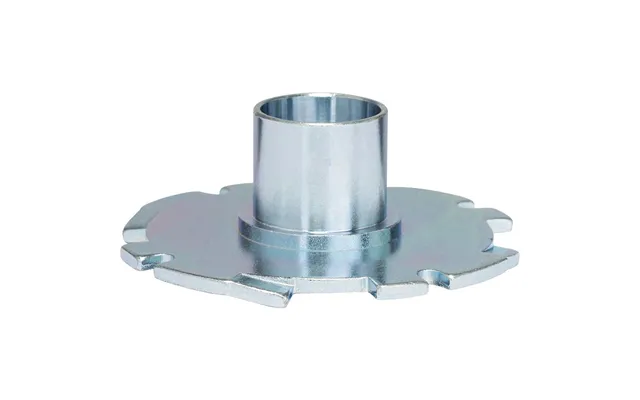
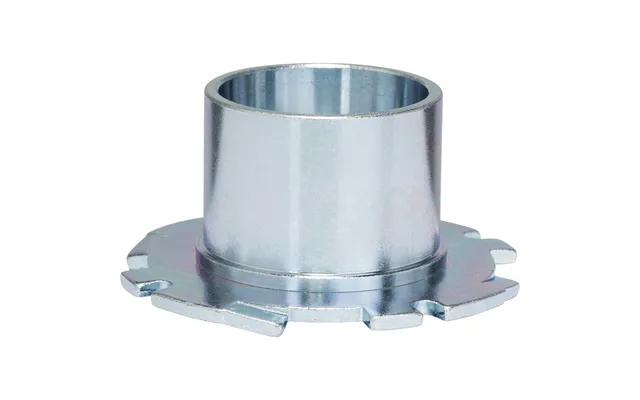
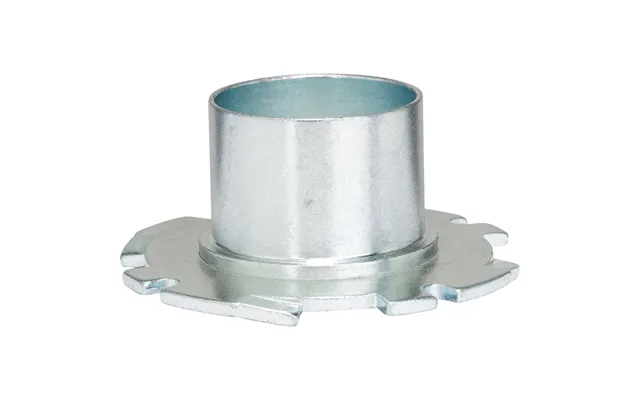
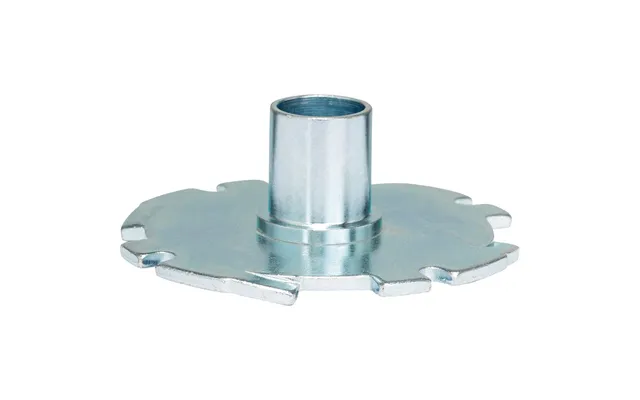
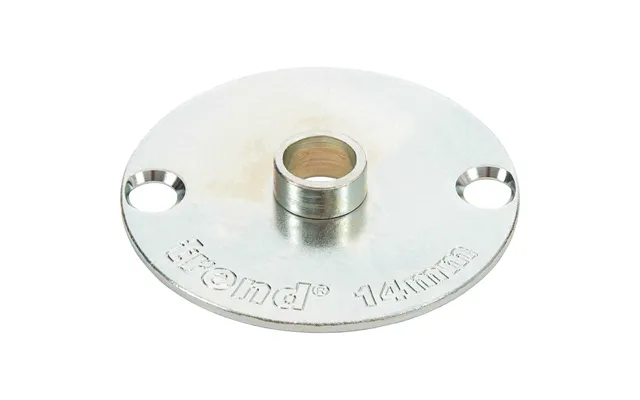
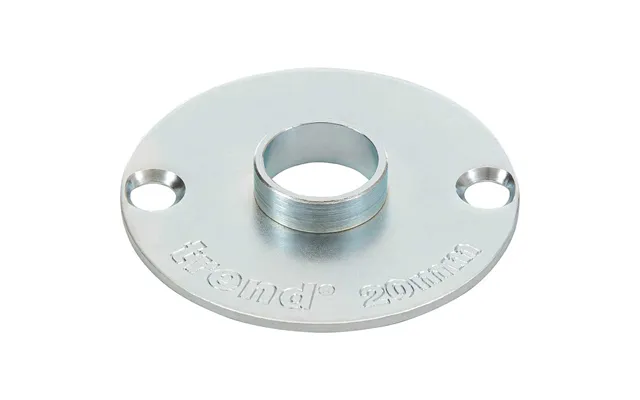
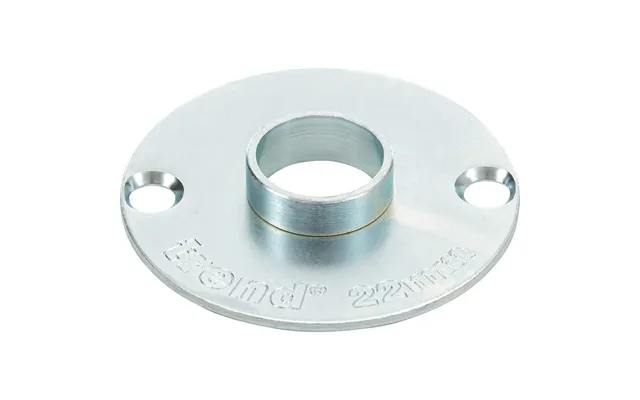
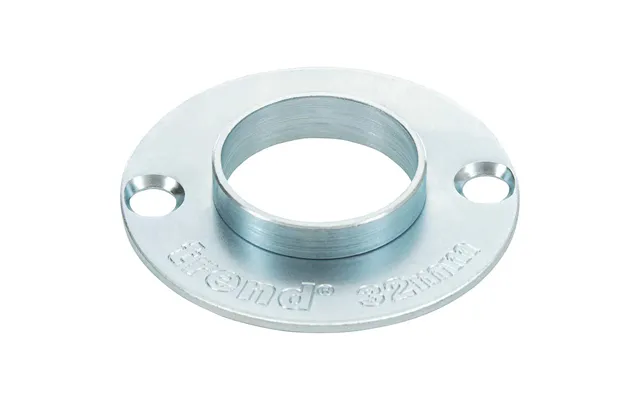
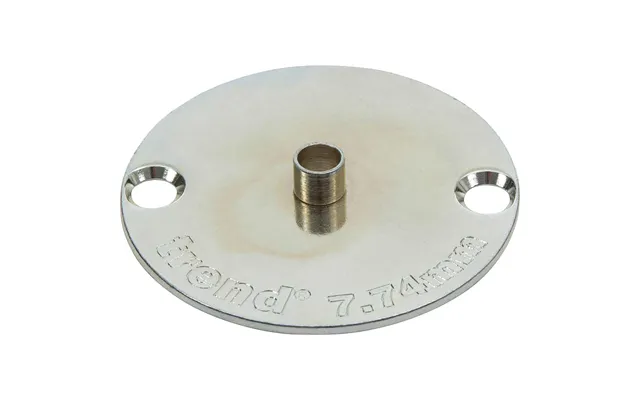
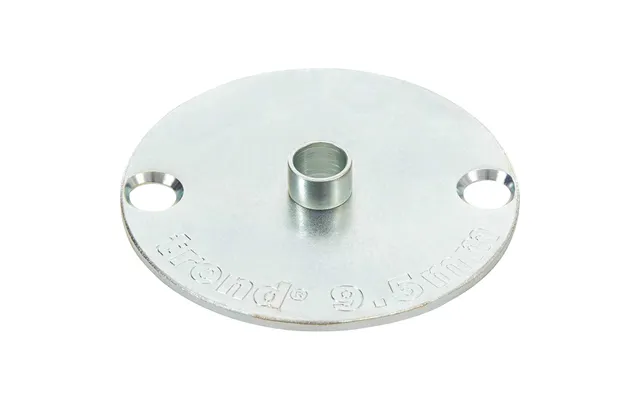
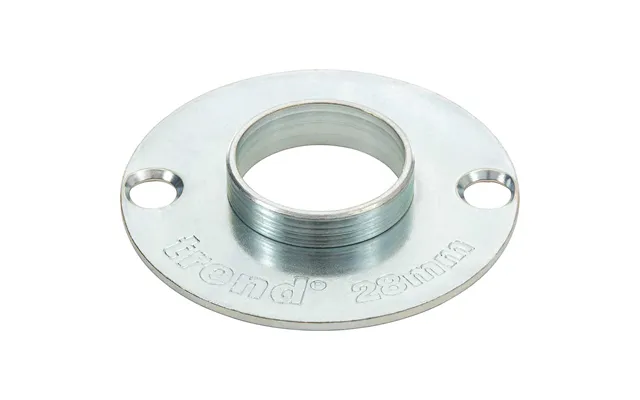
If you like making repeatable shapes, guide bushings and template guides are essential. A guide bushing mounts to the base of a router and rides against a template, allowing the bit to cut an exact replica of the template profile. Template guides are especially useful for routing inlay pockets, repetitive shapes, and custom jigs. Combine them with a router table for even more control.
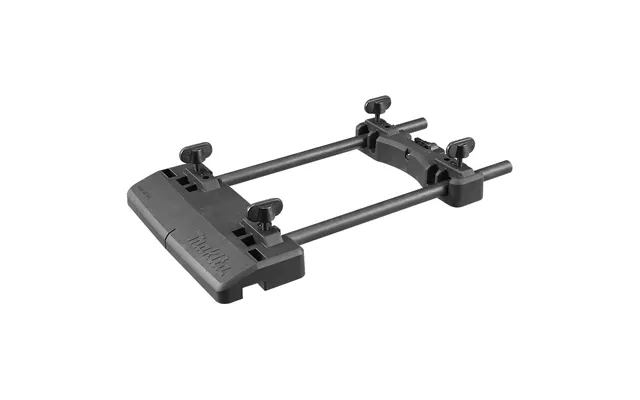
Edge guides attach to your router base and allow you to follow a straight line or the edge of a workpiece. Router fences are larger, table-mounted guides used with router tables. A good fence is square, adjustable, and locks solidly—crucial when you're doing jointing, dadoes, or straight grooves. Many fences also have measuring scales, stops, and micro-adjustments to dial in cuts down to a fraction of an inch.
Router tables provide a stable platform with a fence and miter gauge, letting you push workpieces past the spinning bit instead of moving the router itself. This setup is ideal for edge profiling, rabbets, tenons, and small pieces that are hard to control by hand. A table also makes large-scale production or repeated cuts safer and more consistent. Look for tables with a flat top, a strong fence, and good dust collection ports.
Router table inserts and plates ensure the router sits flat and secure on the table. Inserts often have rings to match the bit diameter or accept an adjustable throat plate for zero-clearance performance. A stable insert minimizes vibration and lets you use smaller bits safely, which is especially handy when working with delicate trim or softwoods measured in inches rather than millimeters.
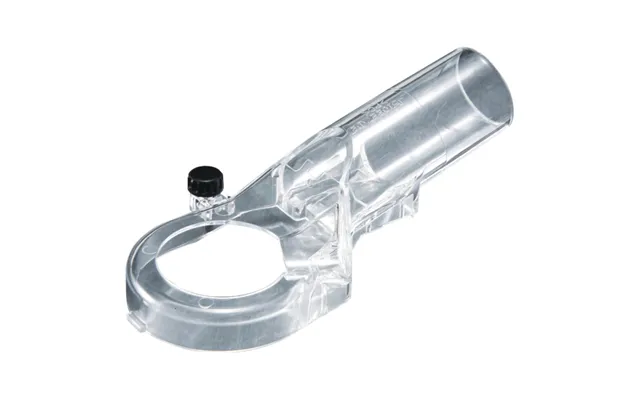
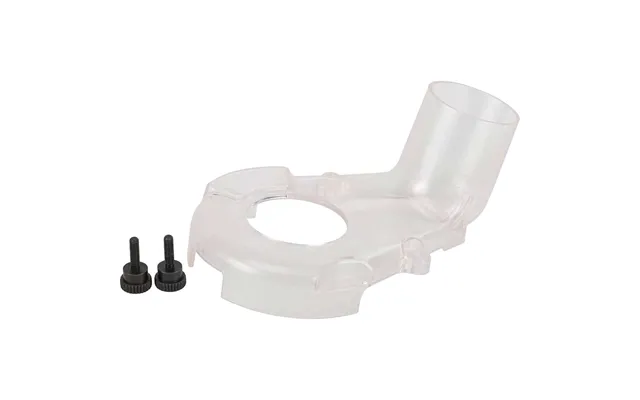
Routering creates a lot of chips and fine dust that can clog bits, impair visibility, and harm your lungs. A dust extraction adapter that fits the router base or table port makes a huge difference. Aim for a setup that connects to your shop vacuum with a 1-1/4" or 2-1/2" hose depending on your vacuum. Good dust extraction not only keeps your workspace tidy but also helps maintain the sharpness of your bits and improves cut quality.
Popular dust collection accessories include hood attachments for the router base, brush collars that seal around the bit, and table-mounted ports. Some aftermarket shrouds can retro-fit to your router and route the dust straight into your vacuum. Even simple hose adapters that match your vacuum diameter can boost performance—remember, less dust settles, less health risk, and fewer finish problems later.
Template jigs let you rout complex shapes, dovetails, or decorative patterns with repeatable accuracy. You can buy pre-made jigs for common tasks or make your own from MDF or plywood. A T-track system adds versatility, letting you reposition stops and clamps in inches for different projects. Template jigs are as versatile as your imagination—think of them as cookie cutters for wood.
For router-table users, a router lift is a metal mechanism that lets you change bit height from above the table with a crank or wrench. This makes small adjustments quick and precise—especially handy when you need millimeter-fine (or rather an eighth of an inch and up) changes across multiple workpieces. A quality lift makes setups repeatable and reduces fuss, saving time and frustration on every project.
Routers spin fast—often above 20,000 RPM—so safety matters. Accessories like featherboards, push blocks, and anti-kickback devices keep your hands away from the bit and control the wood feed. A clear router-table guard helps you see the cut while protecting you from sparks and chips. Always wear eye protection and a dust mask rated for fine particles; hearing protection is also a good idea given how loud routers can be.
Featherboards press the workpiece against the fence, reducing tear-out and preventing kickback. Push sticks and push blocks keep fingers safely away from the blade and give you better leverage when guiding small pieces. Hold-downs secure the piece flat to the table, essential for routing shallow pockets or using template guides that want the wood to stay put. These simple accessories are inexpensive but massively improve safety and finish quality.
Different projects demand different gear. For trimming laminate, a flush-trim bit plus a guide bushing is your best friend. Edge profiling for furniture calls for roundover or ogee bits and a solid fence. Joinery—like dovetails or mortise and tenon—benefits from a router table, accurate fences, and jig systems. For inlays and decorative work, template guides and a selection of small-diameter bits let you craft intricate details in inches rather than fractions of a millimeter.
Trim routers paired with 1/4" bits and a compact edge guide are perfect for door casings and delicate trim measured in inches. The lightweight setup reduces fatigue when you're working overhead or on detailed finish carpentry. Add a micro-adjustable edge guide and a collection of carbide-tipped trim bits, and you’ll achieve clean, repeatable profiles without needing a full-size router table.
For cabinetmaking, a plunge router with a 1/2" collet and heavy-duty bits is the go-to. A router table with a robust fence, a router lift, and strong dust extraction makes panel work and repeated joinery more efficient. Invest in wider straight bits for dadoes and rabbets, and consider a match-cutting jig if you plan to produce multiple identical parts in inches with a tight tolerance.
Router accessories range from economy options to professional-grade components. Big names like Bosch, DeWalt, Makita, and Festool are known for durable bases and precision accessories, while specialized bit makers like Whiteside, Freud, and Amana offer premium carbide tooling. Your choice depends on how often you work and the level of finish you demand. Hobbyists can get by with budget bits, but pros will appreciate the life and cut quality of higher-end carbide-tipped tools.
It’s tempting to buy the cheapest set of bits, but remember that higher-quality bits stay sharp longer and cut cleaner, which can save money over time. Consider buying the most-used profiles in a higher grade and less-common bits in a basic grade. For accessories like fences, lifts, and dust shrouds, prioritize rigidity and fit—cheap fences that flex will introduce error measured in inches, and that adds up fast on larger pieces.
Routine maintenance keeps your bits cutting clean and your accessories functioning. Clean resin and pitch buildup from bits with a bit cleaner and a soft brush after a day’s work. Inspect collets for wear and replace them if they show grooves or scoring. Keep moving parts of fences and lifts lubricated with a dry lubricant to avoid attracting dust. Simple care can double the life of your accessories and keep cuts accurate down to the last fraction of an inch.
Store bits in a case or rack so their cutting edges don’t bump into each other. Avoid humid storage conditions that can lead to rust on shanks. Label bit types and sizes in inches, and consider keeping a small maintenance kit with hex keys, a collet cleaner, and a sharpening slip or bit re-sharpening service info handy.
Comparison shopping helps you find the best value without sacrificing quality. Use comparison sites to scan prices, read reviews, and compare specifications like shank size, material, and included accessories. Look for package deals where a router comes with a set of bits, a fence, or a carrying case—these can be economical if you’re starting out. Remember to compare in inches and check compatibility with your existing router's collet size and table openings.
If your router is older but still functional, upgrading accessories like fences, dust shrouds, or a router lift can deliver huge improvements without buying a new motor. If the router itself has excessive runout or the motor lacks enough power for the tasks you do—say, large rabbets or repeated cuts in hardwood—then replacing the router with a model that accepts 1/2" shank bits might be a better long-term investment.
Before you start routing, follow this pre-flight checklist: confirm the bit is clean and sharp, tighten the collet to the recommended torque, ensure the fence is square, set the dust collection, wear PPE, and make a scrap cut to verify depth and feed direction. These steps prevent mistakes and keep your work measured in consistent inches rather than regrets.
Always make test cuts on scrap wood that matches your project species and thickness. Make small depth passes—multiple shallow passes are easier on the bit and the motor and produce a cleaner finish. Use featherboards and push blocks for narrow pieces, and double-check measurements in inches before committing to the final pass.
Router accessories are the difference between a capable shop tool and a matchless workshop workhorse. Whether you're trimming laminate, crafting fine furniture, or producing repeatable joinery, the right bits, collets, fences, and dust control systems make your work cleaner, safer, and faster. Invest in quality where it matters—bits, collets, and a solid fence—and complement them with jigs and template guides to expand your creative possibilities. Use comparison tools and price aggregators to find the best deals, and maintain your gear so it serves you well project after project. With the right accessories, your router will become the Swiss Army knife of your shop, ready for anything you dream up in inches and imagination alike.
| Router Accessories - Other | Price | |
|---|---|---|
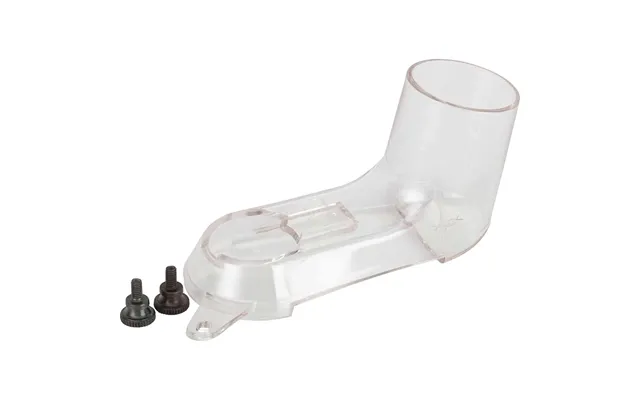
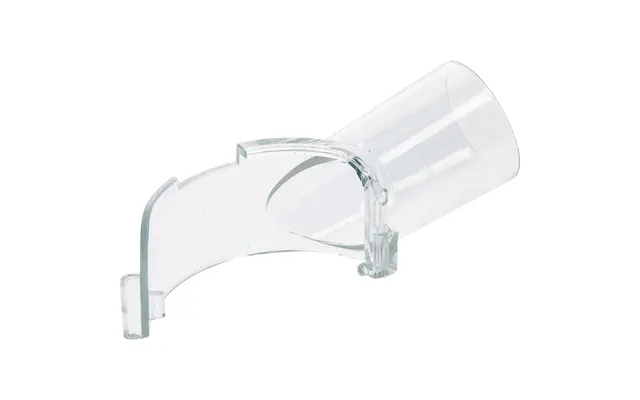
| Makita 1947338 Dust Nozzle For Router | £ 1,98 | |
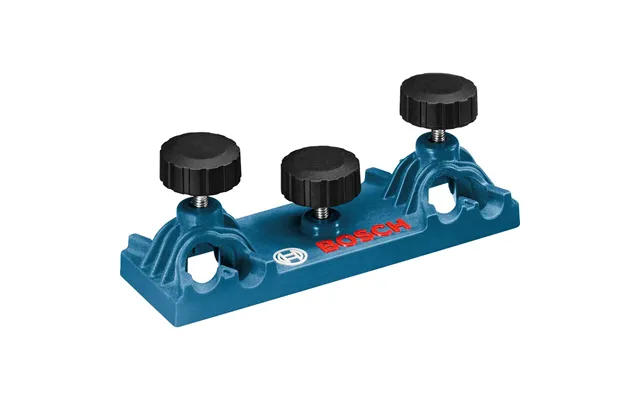
| Trend Gb16 16mm Guide Bush | £ 8,13 | |
| Trend Gb30 30mm Guide Bush | £ 8,20 | |
| Trend Unibase Universal Sub-base 170mm | £ 21,05 | |
| Dewalt Power Tools Dewalt De6952xj 8mm Router Collet | £ 30,95 | |
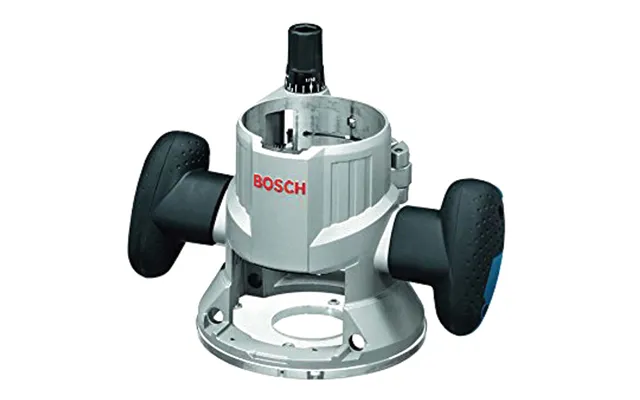
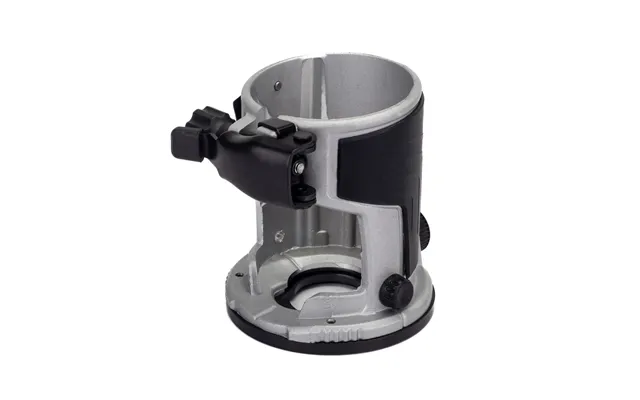
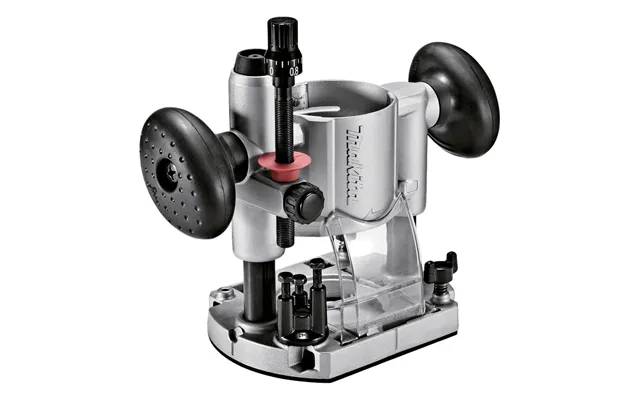
| Makita 195563-0 Router Trimmer Accessory | £ 43,56 | |
| Makita 195563-0 Router Trimmer Accessory | £ 54,77 | |
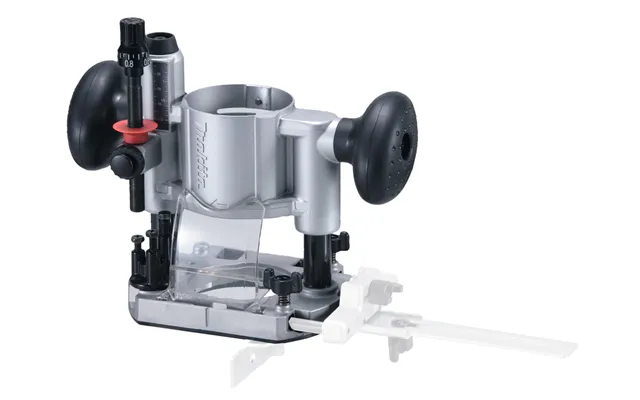
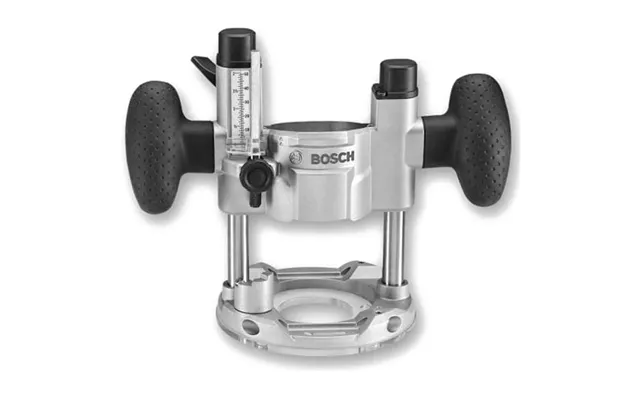
| Bosch 060160a800 Te 600 Professional Plunge Router Attachment | £ 80,94 | |
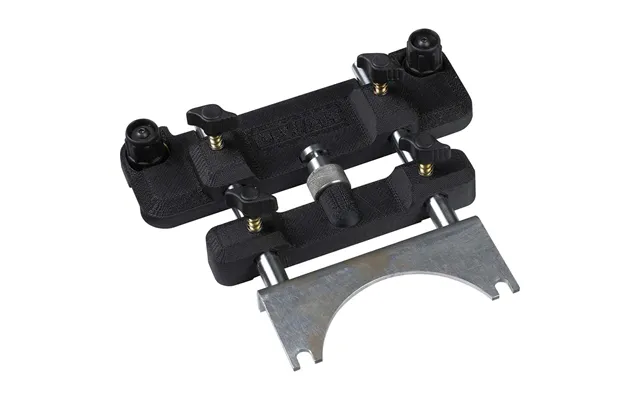
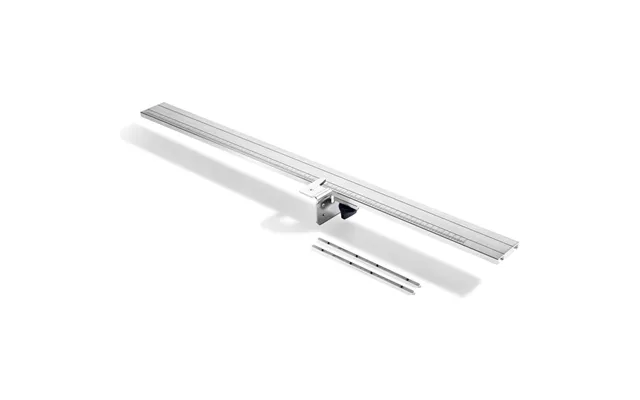
| Dewalt Power Tools Dewalt Dws5031xj Router Attachment For Guide Rail | £ 97,64 |