All categories
Business & Offices
Electronics & Media
Fashion & Accessories
Groceries & Essentials
Health & Personal Care
Home & Living
Kids & Family
Sports & Outdoors
Search in ZoneOffer
Loading...
Think of your band saw like a car: the engine is important, but tires, brakes, and alignment make the difference between a smooth ride and a disaster. The same goes for band saw accessories. The blade, guides, wheels, fence, and dust control gear all determine the quality of your cuts, how safe your setup is, and how long your saw lasts. Investing in the right accessories can turn a basic machine into a precision tool that handles resawing, curved cuts, and ripping like a pro.
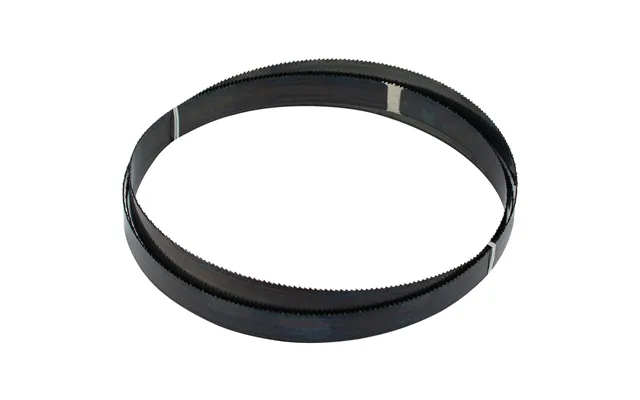
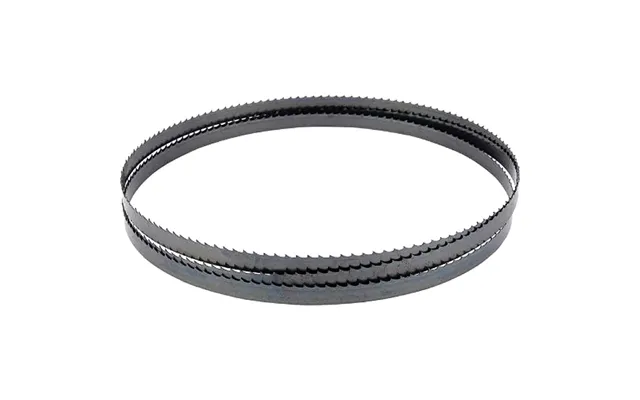
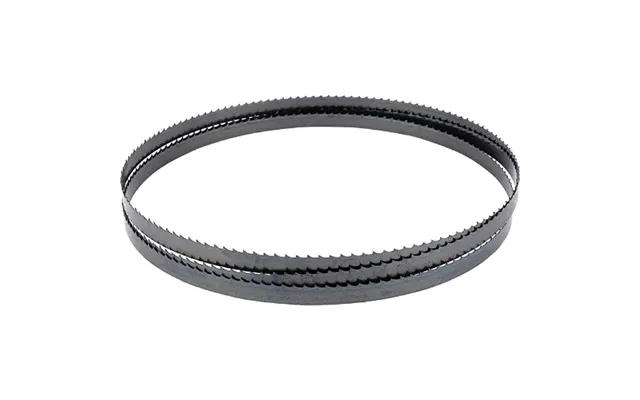
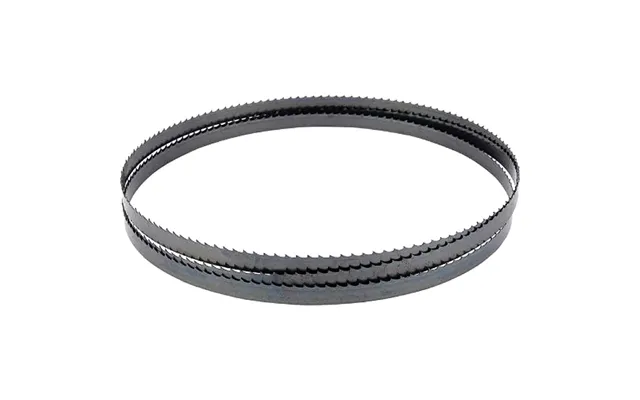
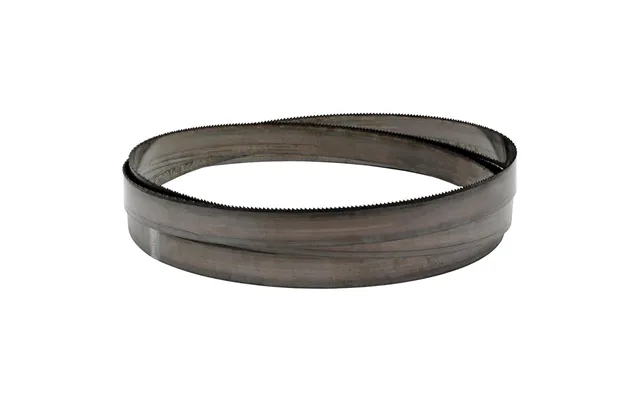
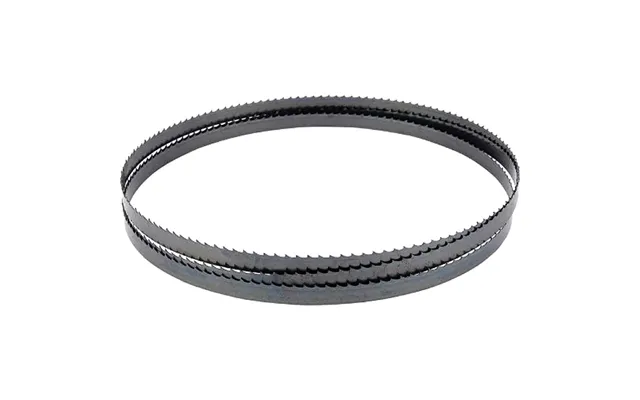
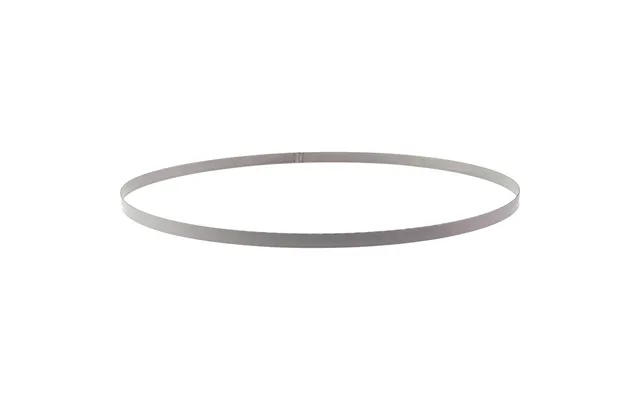
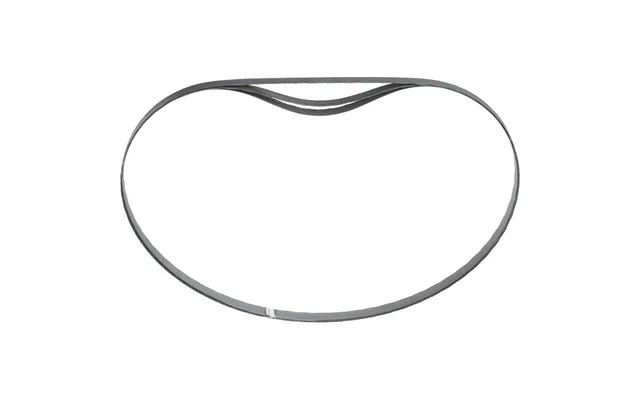
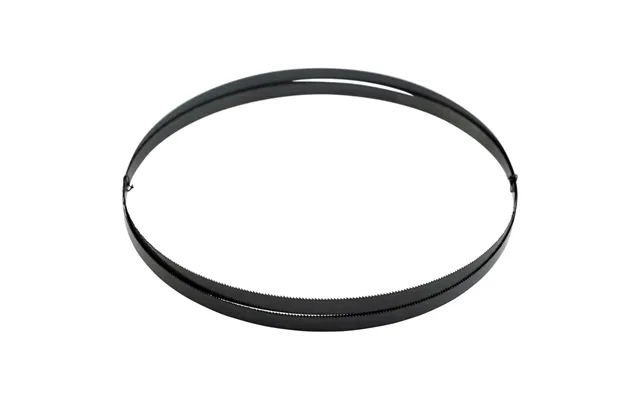
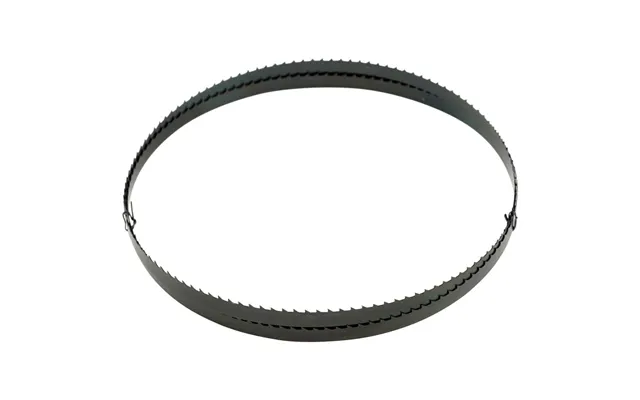
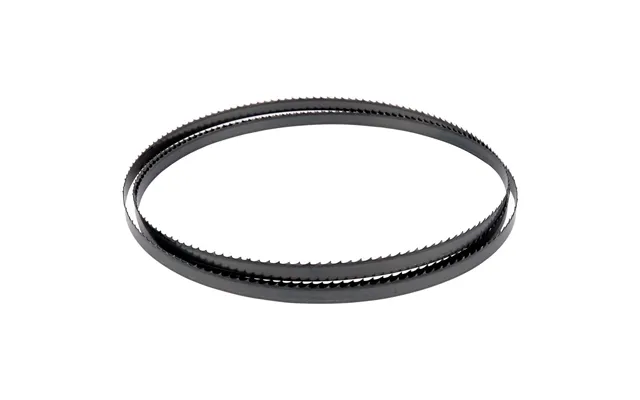
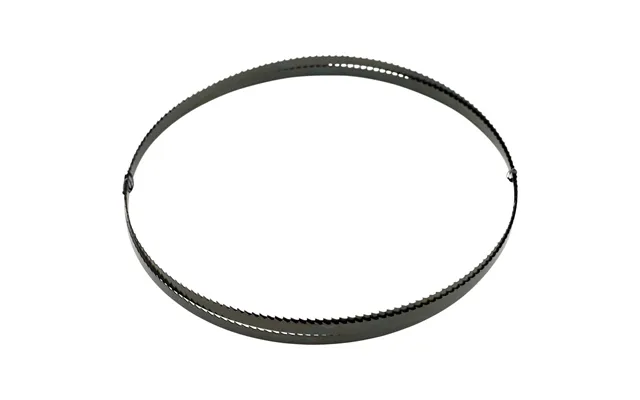
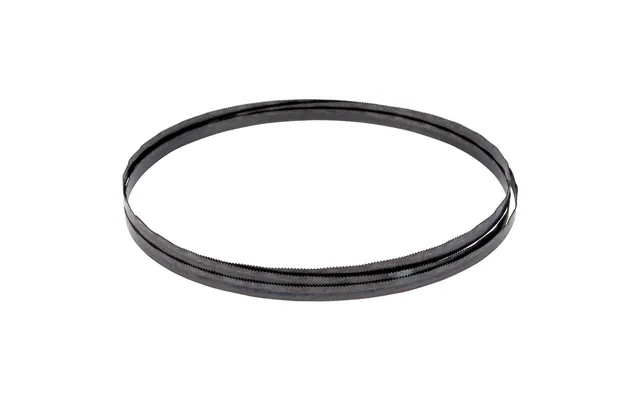
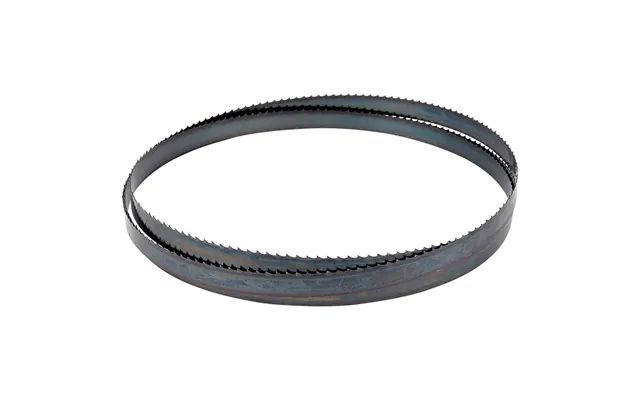
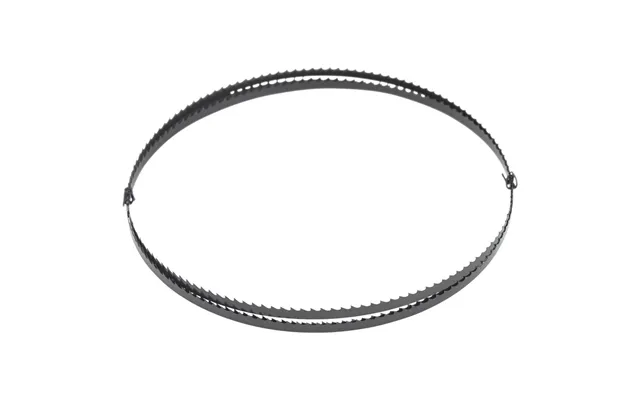
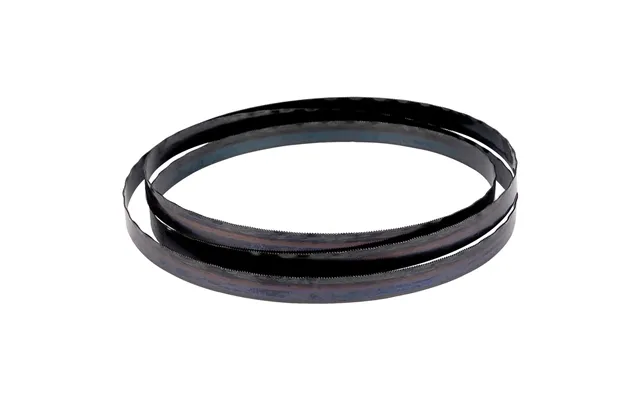
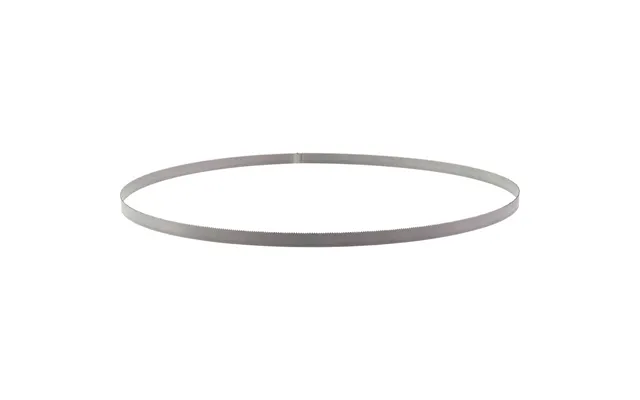
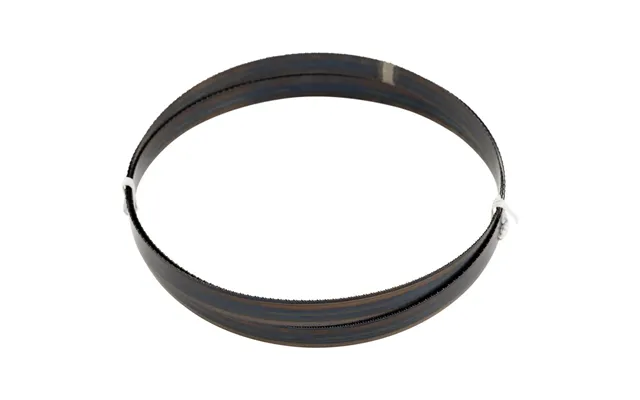
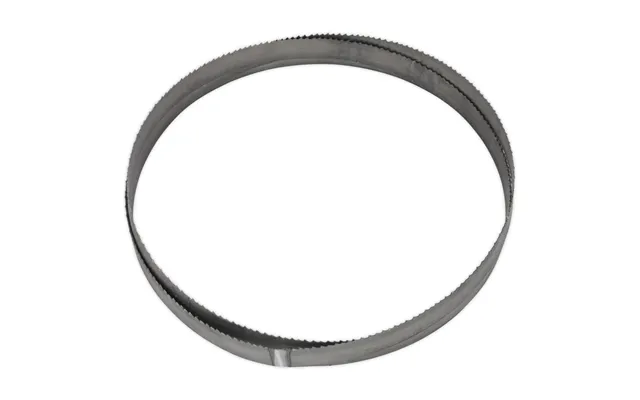
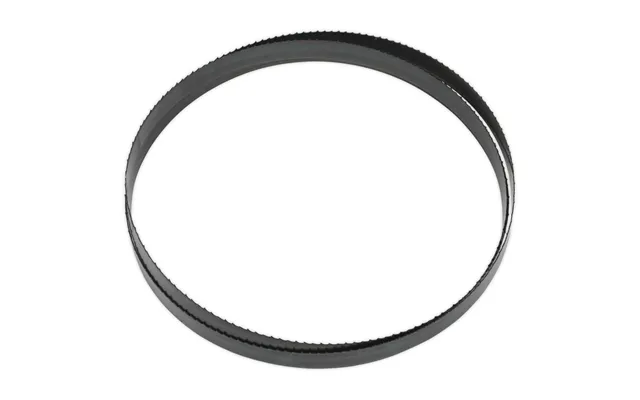
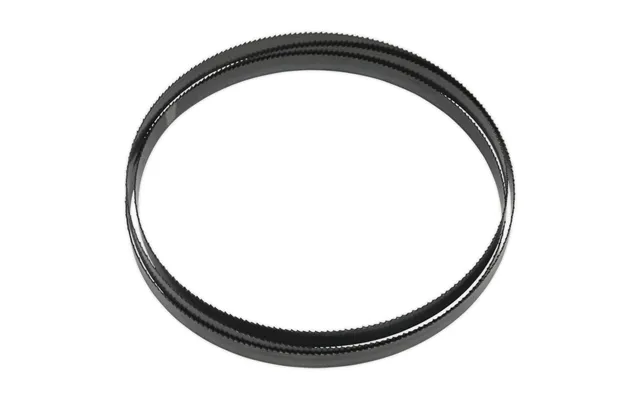
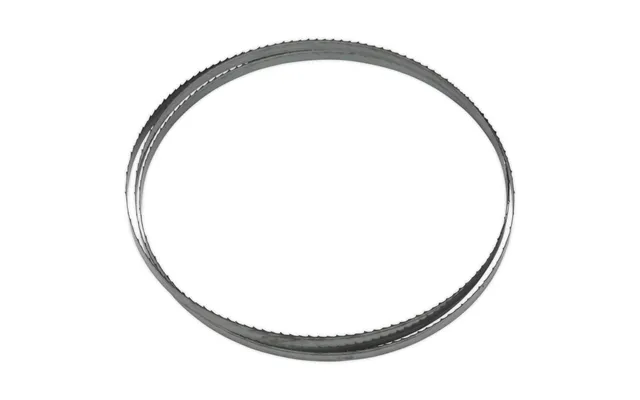
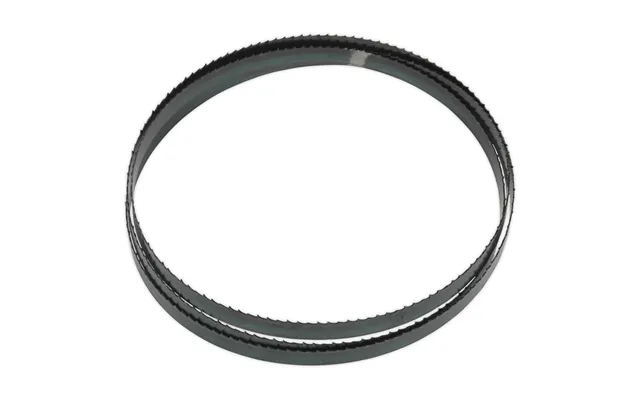
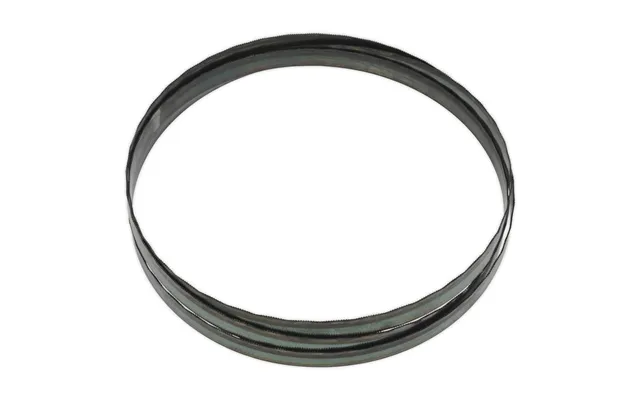
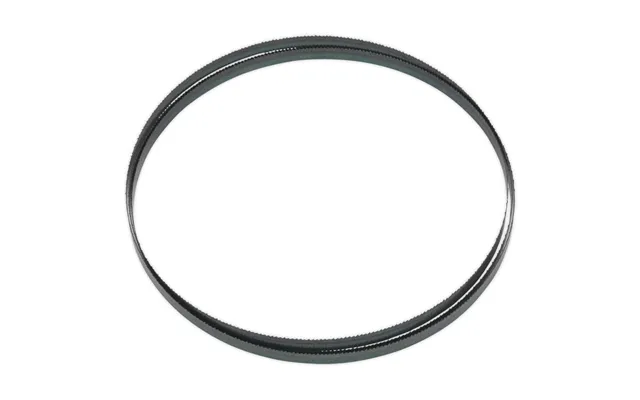
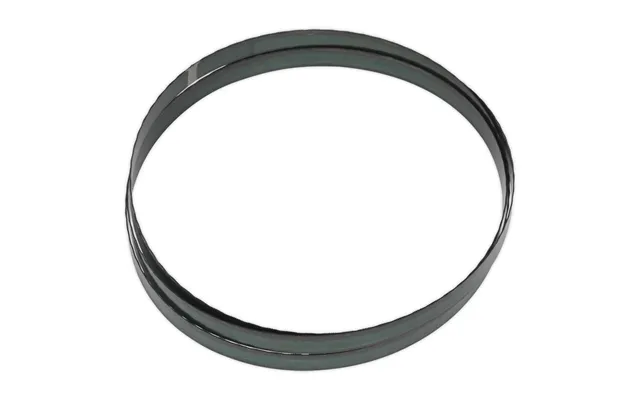
Blades are the heart of the band saw experience. They come in different widths, tooth counts, and materials, each tuned for tasks like ripping, crosscutting, or cutting metal. Choosing the right blade depends on the material you cut and the finish you want. For instance, a 1/8-inch blade with 24 TPI (teeth per inch) is great for intricate curves and thin stock, while a 3/4-inch resaw blade with 3–6 TPI is ideal for ripping thick boards.
Blade width controls how tight a radius you can cut and how stable the blade is for straight cuts. Narrow blades (1/8"–1/4") flex more and follow curves well; wider blades (1/2"–1") resist wandering on long straight cuts. TPI affects cut speed and finish: low TPI (3–6) removes material fast and is used for resawing; higher TPI (14–24+) gives a finer finish for metal or plywood. Think of width and TPI as a trade-off between speed, finish, and agility.
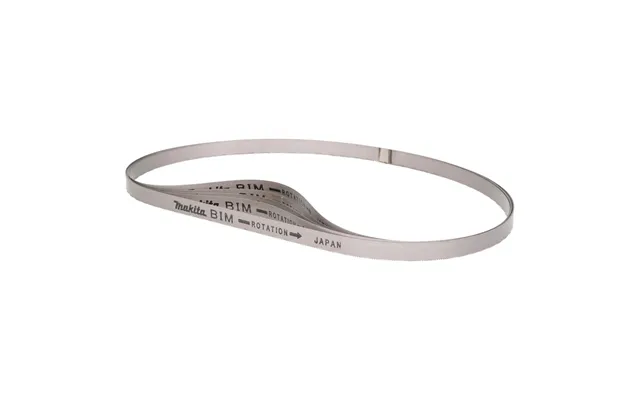
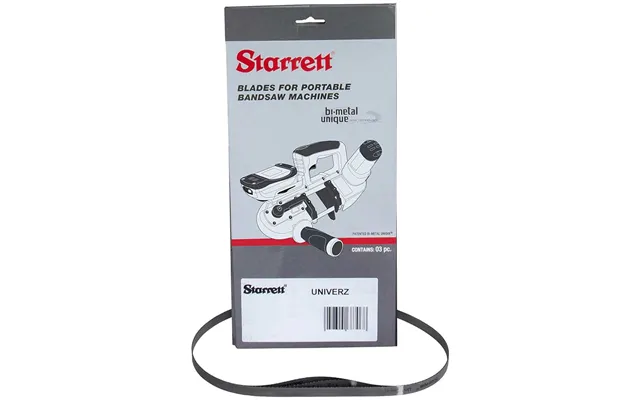
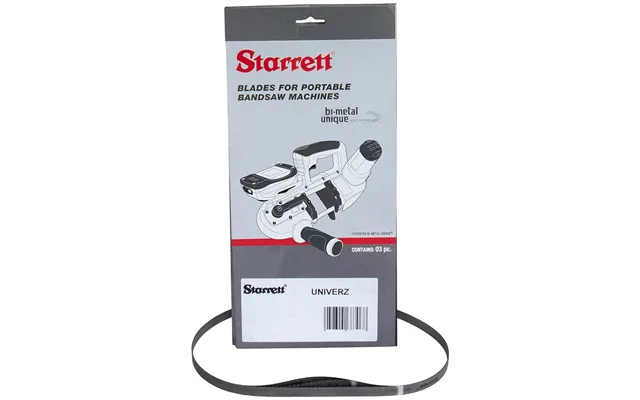
Carbon-steel blades are inexpensive and work well for most softwoods and occasional hardwoods. Bi-metal blades fuse high-speed steel teeth to a flexible backing and are the go-to for cutting metal or mixed materials—tough and long-lived. Carbide-tipped blades cost more but hold an edge much longer when you're cutting abrasive materials like reclaimed barn wood or thick hardwoods. Choose based on the workload: daily metal cutting calls for bi-metal, heavy woodworking with abrasives benefits from carbide.
Blade guides and thrust bearings keep the blade tracking straight and prevent it from twisting under load. Worn guides lead to blade drift, heat buildup, and shortened blade life. Upgrading to adjustable carbide guides or quality roller bearings can dramatically improve cut quality and reduce frequent blade changes. If you want cleaner edges and less time fussing with tracking, this is one of the highest-return upgrades you can make.
Traditional guide blocks—plastic or phenolic—are inexpensive and work for light shop use, but they wear out faster and can create friction. Thrust bearings support the blade's back when cutting, reducing friction and heat. Roller bearings offer smooth contact and better longevity. For heavy resawing or metal work, aim for a guide system with replaceable bearings or carbide pads to keep blade movement minimal and predictable.
Wheels and tires are the often-overlooked backbone of blade tracking. The tire material grips the blade and cushions the wheel; hardened steel or cast wheels keep everything round and true. If your saw vibrates, overheats, or the blade constantly tracks off the wheel, inspect the tires for flat spots and the wheel surfaces for out-of-round issues. Replacing worn tires or truing the wheels can restore performance without replacing the whole saw.
Tires are usually rubber or urethane and wear down over time, especially if you use lubricant or cut with heavy feed rates. Replacing them with high-quality urethane tires gives better traction and longevity. For older saws, consider swapping to lightweight aluminum or balanced cast wheels that reduce vibration. Wheel truing tools help restore a warped wheel—think of it like aligning a car wheel to stop shimmying at speed.
A quality rip fence and a flat table turn rough cuts into straight, repeatable results. Cheap fences can flex and shift, giving you inconsistent widths and potentially dangerous kickback. Look for T-square style fences that lock solid, have a good measuring scale in inches, and can be micro-adjusted. A larger table or adding a support extension helps when resawing wide boards or breaking down sheet goods.
Using a rip fence properly is an art. Set it so the blade is not binding against the fence; align the fence parallel to the blade path to avoid pinch points. Jigs like sleds or auxiliary fences help when cutting thin strips or repeating small parts. For precise work, clamp a sacrificial fence to prevent blade damage and make scoring cuts on veneered stock to stop tear-out.
Dust isn't just messy—it's a health hazard and a performance killer. Fine dust can gum up bearings, coat tires, and create slippery surfaces. A dedicated dust port that fits the band saw throat and connects to a shop vac or dust collector makes a huge difference. Noise is the other invisible enemy; vibration mounts, balanced wheels, and even insulating mats under the saw reduce noise and make long sessions more tolerable.
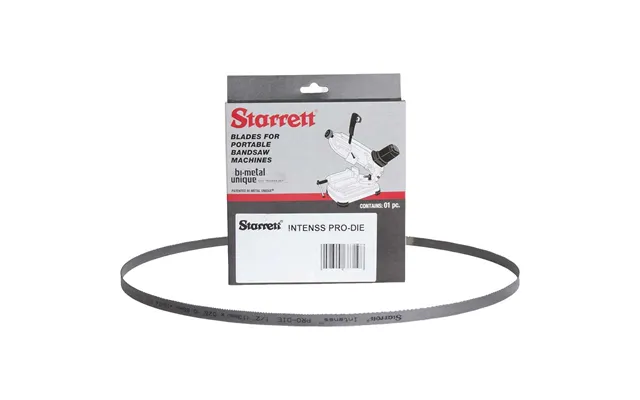
Maintenance accessories keep your blades and saw in peak shape. Tension gauges take the guesswork out of setting blade tension, which is crucial for accurate tracking and long blade life. Blade welders (for butt-welded blades) let you repair and customize blade lengths, while blade cleaners and lubricants remove pitch and resin, preventing overheating. These small investments save money over time by reducing blade replacements and downtime.
Using a tension gauge is straightforward: tighten to the recommended tension in pounds, then check pitch or tone for fine adjustments. Blade welders require practice—clean both ends, align tooth patterns, and use a proper brazing technique to avoid brittle joints. If welding isn't your thing, many shops offer quick blade splicing services. Either way, knowing how to do it gives you flexibility when an unexpected break happens mid-project.
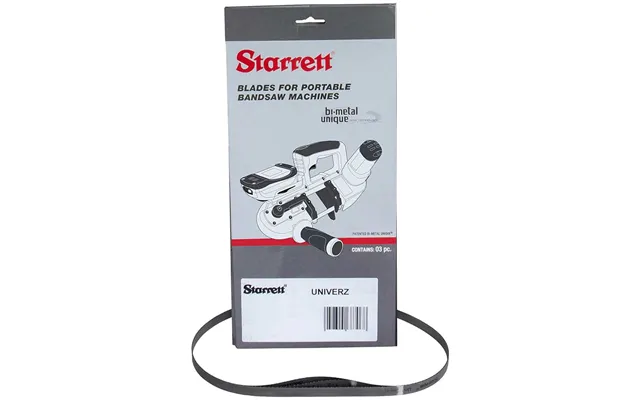
Resawing heavy boards demands power and accessories that keep the blade cool and square. Look for wide, low-TPI resaw blades—3/4" to 1" widths with 3–6 TPI are common. A good miter gauge, outfeed support, and a robust rip fence reduce drift and prevent blade wandering on long cuts. Add a sled or circle-cutting jig when making clean, repeatable resaws or cutting large diameter circles from slabs.
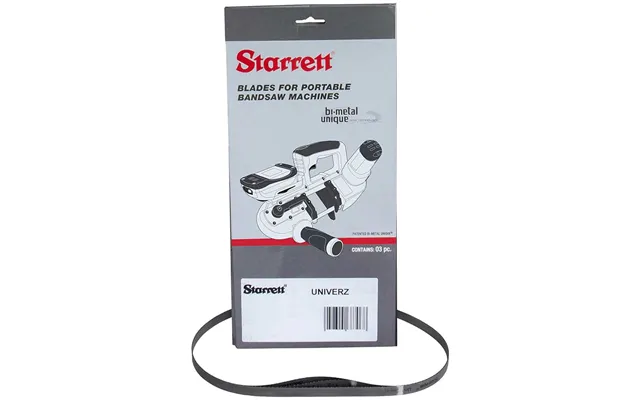
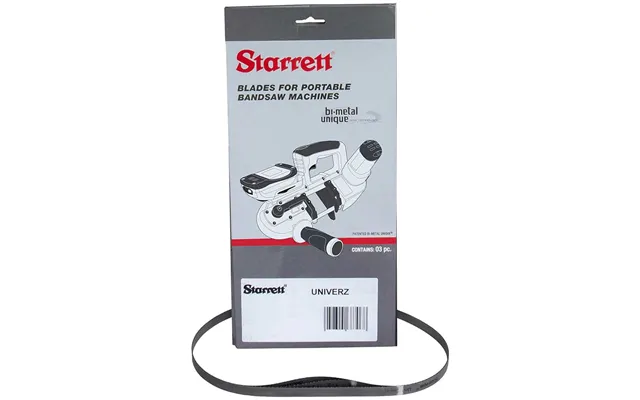
If you use your band saw for metal, swap to bi-metal blades, add coolant or cutting fluid, and fit a chip tray to manage swarf. Replace standard guides with hardened or carbide guides made for metal cutting, and check wheel materials; some wheels tolerate coolant and metal chips better. Remember, metal cutting is slower and puts different stresses on the saw, so beefing up the blade and guide system is a must.
Safety is non-negotiable. Use push sticks, featherboards, and hold-downs to keep hands away from the blade. Blade guards and throat inserts minimize exposed blade and reduce tear-out. Consider a magnetic emergency stop or a large, easily accessible switch—these simple accessories make the shop safer and help prevent small mistakes from becoming injuries.
Not all upgrades are equal. Spend on parts that directly affect cut quality and safety: blades, guides, fences, and dust collection. Tires and bearings are mid-priority because they influence tracking and vibration. Extras like carbide-tipped blades, premium wheels, or a blade welder are excellent when you need them for specific workloads, but for the hobbyist, a balanced selection of mid-range accessories often yields the best return on investment.
Start by identifying what you cut most: thin plywood, hardwood, metal, or large slabs. Check your machine’s throat capacity in inches, motor power in horsepower, and recommended blade widths. Compatibility matters—measure wheel diameter and hub size before buying tires or aftermarket wheels. Read product specs in inches, and when in doubt, choose accessories rated for heavier-duty work than you currently do; it gives you headroom for future projects.
When you’re shopping, comparison tools and review aggregators help you spot the best deals and trustworthy brands. Look for user reviews that mention blade life in real-world hours, guide durability, and how accessories handled continuous work. Pay attention to shipping dimensions if you’re ordering a wheel or table extension—these items can be heavy and add to the cost, measured in pounds and inches.
If you want a simple shopping list: 1) a selection of blades (1/8", 1/4", 1/2", 3/4" widths with varying TPI), 2) carbide guide blocks or roller bearings, 3) urethane tires or trued wheels, 4) a robust rip fence, 5) a dust port or shop vac setup, and 6) a tension gauge. These items cover most pain points and will improve cut quality, safety, and reliability for most users.
Keep a regular maintenance habit: clean resin and pitch off blades after heavy use, check bearing play every few weeks, inspect tires for flat spots monthly if you run the saw often, and re-tension blades after extended use or when switching blade types. A little maintenance—like greasing bearings per the manufacturer’s guidance and keeping the table flat—keeps accessories functioning and prevents premature failure.
Think of accessories as investments that turn an ordinary machine into a reliable, accurate tool. The right blade paired with solid guides, true wheels, and a good fence will transform your workflow, cut times, and finish quality. Whether you’re a weekend woodworker or run a small shop, prioritizing the most impactful accessories saves time and money in the long run and makes your projects more enjoyable.
Conclusion: Upgrading and maintaining band saw accessories pays off in precision, safety, and longevity. Start with blades, guides, tires, and a proper fence, then grow your arsenal with dust control, welders, and premium wheels as your workload demands. Measure in inches, buy for durability, and tune your saw like you mean it—your cuts will thank you.
| Band Saw Accessories | Price | |
|---|---|---|
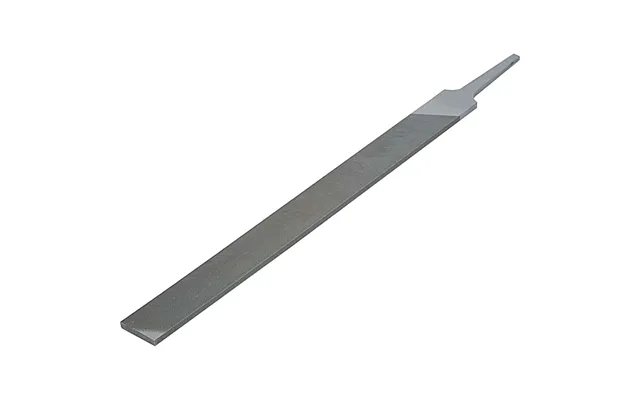
| Bahco 41380810 Millsaw File 200mm | £ 10,93 | |
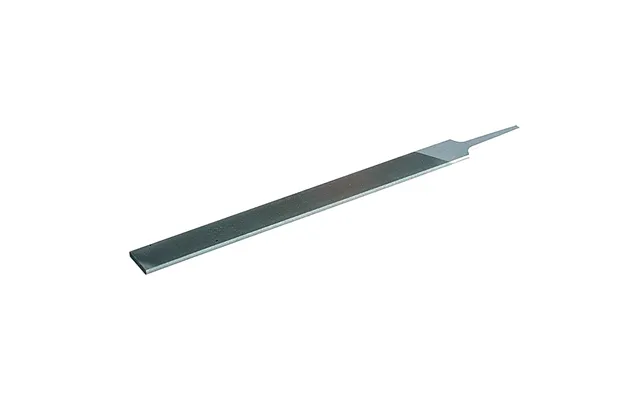
| Bahco 41400810 200mm Millsaw File | £ 11,01 | |
| Makita B40559 Bi-metal Band Saw Blade 13 × 835mm × 18tpi | £ 56,30 |