








All categories
Business & Offices
Electronics & Media
Fashion & Accessories
Groceries & Essentials
Health & Personal Care
Home & Living
Kids & Family
Sports & Outdoors
Search in ZoneOffer
Loading...
If you’ve spent any time in a woodshop, you know that the difference between a quick project and a weekend of frustration often comes down to the right accessories. Shaper accessories transform a basic spindle shaper or router table into a precision tool that saves time, reduces tear-out, and keeps your shop cleaner. Think of them like shoes for your machine: the wrong pair trips you up, the right pair lets you fly.
Shaper accessories is an umbrella term for all the add-ons, consumables, and safety gear that support a shaper or router setup. This includes cutter heads, router bits, collets, fences, dust adaptors, featherboards, guards, and power feeders — basically everything that helps position the wood, drive the cut, and keep you safe. Accessories aren’t decorative; they change performance in measurable ways.
Are you trimming cabinet doors, molding edges, or cutting grooves? Each task calls for different accessories. For instance, shaping raised panels uses a different head than cutting a simple rabbet. Before buying anything, think about the projects you do most often. Pick accessories that match your workflow, not the ones that look fancy in a photo.
If you’re building a basic kit for a shaper or router table, these are the must-haves. They improve quality, increase safety, and often pay for themselves in saved time.
Collets hold your bits securely. The most common router bit shank sizes are 1/4-inch and 1/2-inch, and having adapters or interchangeable collets means you can use a wider range of bits. A snug collet reduces vibration and runout, which gives you cleaner edges and longer bit life.
Cutter heads come in many styles: straight knife heads, raised-panel heads, and spiral heads. Carbide knives or inserts last longer than HSS cutters and keep a sharp edge through lots of cuts. If you work with hardwoods frequently, invest in carbide-tipped knives to cut down on resharpening.
Spiral bits cut smoother than straight bits because they act like tiny shapers with a shearing action. Up-cut, down-cut, and compression spiral bits each have a role: up-cut clears chips quickly, down-cut compresses the face for clean tops, and compression handles plywood without blowout. Keep 1/4-inch and 1/2-inch shank bits in your kit.
A solid fence makes repeatable work possible. Look for fences with micro-adjustment screws so you can dial in a fraction of a turn for perfect fits. Add a split fence for backer boards when working on delicate trim or veneered panels.
Featherboards prevent kickback and help maintain consistent pressure against the fence. Push blocks and push sticks keep your hands safely away from spinning cutters. I always use a push block on narrow stock — it’s one of the easiest safety upgrades with huge returns.
Dust makes a mess and shortens tool life. Dust adaptors that fit the spindle area and the fence capture more chips. Typical shop vac or extractor ports come in sizes like 2-1/2-inch and 4-inch; match the adaptor to your extractor hose for best suction. A good hood can cut airborne dust dramatically.
Power feeders move stock past cutters at a steady speed and relieve wrist fatigue on long runs. They’re especially useful when you’re shaping long boards or working with panels that are heavier than a few pounds. If you do cabinetry, a power feeder will become one of your favorite time-savers.
Never underestimate a well-designed guard. A clear guard lets you see the cut while blocking chips, and starter pins guide small or irregular pieces safely into the cutter. Add anti-kickback pawls where possible; they bite into the wood if it tries to surge back toward you.
One of the trickiest parts of buying accessories is compatibility. Router bits are simple: match the shank size (1/4-inch or 1/2-inch) to your collet. For larger shapers, pay attention to cutter bore or spindle specifications — measure your spindle bore before buying heads so you don’t end up with a part that won’t fit. Manuals are great, but a quick caliper check is better.
Not all cutters behave the same across species. Hardwoods blunt blades faster than softwoods, and engineered boards with glue and veneer can be brutal on edges. For plywood and veneered ply, use compression or straight carbide bits to avoid chipping. For end grain or tricky hardwoods, consider spiral heads that eject chips upward or downward depending on your needs.
If you hate frequent sharpening, carbide is your friend. Carbide-tipped knives and replaceable inserts last much longer than plain high-speed steel. When one edge dulls, you switch the insert instead of sending the whole cutter for sharpening. It’s like swapping a battery instead of rebuilding the engine.
Spiral cutter heads offer quieter operation and cleaner cuts because they shear rather than chop. They’re often better for plywood and veneered surfaces. Straight cutters are cheaper and work well for roughing or when price is the primary concern. If budget allows, keep at least one spiral head in your shop for finish work.
Which accessory gives you the most bang for your buck? In my experience, a quality fence with micro-adjustment, a dust hood sized to your extractor, and a couple of spiral bits transform everyday work. If you can only buy three upgrades, make them those. They improve accuracy, safety, and cleanup — the three pillars of a happy workshop.
Maintenance is where many people skimp. Wipe down cutter heads, check collets for wear, and replace bearings before they ruin an expensive bit. Use wax or paste on fences to reduce friction, and keep a small file or stone for touch-up. Simple routines add years to your accessories’ life.
Dust extraction is about health as much as cleanliness. A 2-1/2-inch or 4-inch dust port connected to a decent extractor will cut airborne dust and keep glue and carbide dust out of the air. Consider a face mask or respirator when working with particleboard or MDF, even with extraction on — some particles are just too nasty to trust to suction alone.
You don’t need to buy premium everything, but some items are worth spending on. Buy quality collets, a sturdy fence, and carbide knives if you do a lot of hardwood work. Save on disposable items like sanding accessories or low-cost push sticks — but not on anything that holds the bit or positions the stock. Those are safety items, and skimping there is a false economy.
There are many reputable accessory brands and some lesser-known gems that offer good value. Compare features like warranty, availability of replacement knives, and the cost of consumables. A comparison site can be a useful starting point when looking for prices and seller reviews — remember, the goal is to find a good balance of price, availability, and aftercare.
If you can, test a bit or cutter head on scrap before committing to a big purchase. Many retailers or workshops run demo days where you can try a tool. When testing, pay attention to noise, vibration, and chip evacuation. If the cut looks clean with minimal tear-out at the edge, it’s worth considering for your finished projects.
People often buy the wrong shank size, forget to tighten the collet properly, or try to push stock too fast. These mistakes lead to chipping, burning, or dangerous kickback. Use a consistent setup routine: check collet tightness, ensure cutters are sharp and balanced, and feed at a steady pace. Slow down for the first test pass — it saves a lot of sanding later.
When you move beyond basic profiling, specialty accessories make complex cuts achievable. Tenoning jigs, raised-panel cutter sets, beading heads, and router sleds all broaden what your shaper can do. These tools are niche, but if your work demands them, they make certain tasks much simpler and more repeatable.
Keep bits and knives in labeled cases or foam trays to avoid chipping the edges. A rack for spare collets and a wall-mounted holder for frequently used fences and guards keeps everything within arm’s reach. Organization reduces setup time — and in a busy shop, time is the currency you don’t want to waste.
There’s no one-size-fits-all kit. The best accessories for you depend on the projects you build, the materials you use, and the space you have. Start with the essentials — collets, a good fence, a dust solution, and a couple of reliable bits — then expand into carbide heads, power feeders, and specialty jigs as your needs grow.
When you’re ready to buy, use comparison tools and read independent reviews. Comparison sites let you scan multiple sellers quickly and can highlight seasonal deals. Also look for community feedback on woodworking forums and social media groups — real users point out fitment issues and real-world performance faster than product specs can.
Start with a core set and buy one upgrade each month or quarter. Swap in a spiral cutter head when you need smoother edges, add a power feeder for production runs, and invest in a good vacuum or extractor as you tackle more dusty materials. Incremental upgrades spread costs and let you learn each tool before adding the next.
Good shaper accessories turn a capable machine into a precise, safe, and efficient workshop workhorse. Focus first on compatibility and safety, then on upgrades that improve finish quality and workflow. Small investments like a micro-adjust fence, quality collets, and dust adaptors deliver huge returns in the form of cleaner cuts, less rework, and a safer shop. Pick accessories that match your projects, maintain them well, and your shaper will reward you with years of reliable performance.
| Shaper Accessories - Other | Price | |
|---|---|---|
| Sculpey Premo 2oz Rose Gold Glitter | £ 2,79 | |
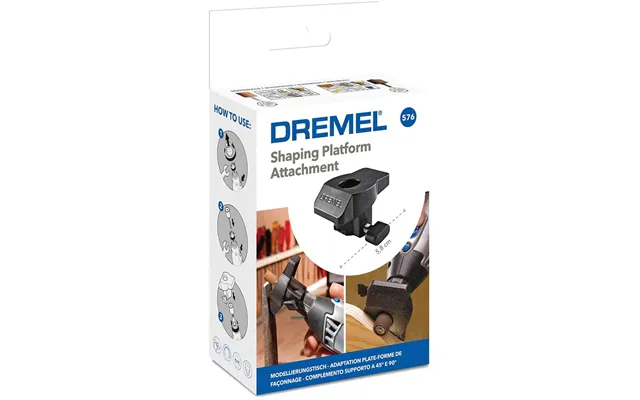
| Dremel 576 Rotary Multi Tool Shaping Platform Attachment Kit | £ 14,68 |


